


Period Desk Seat
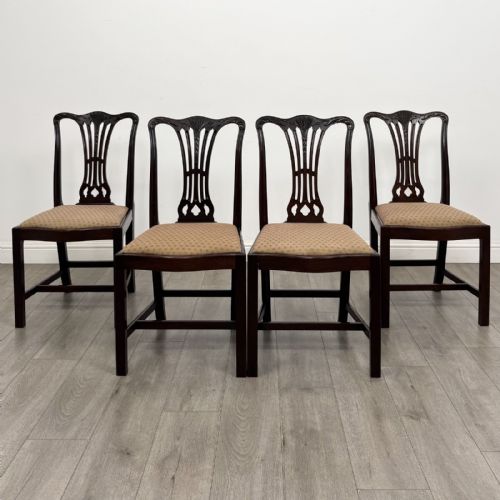
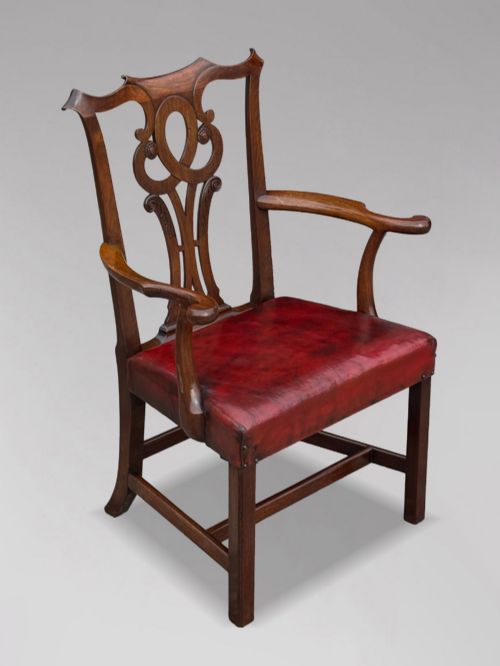
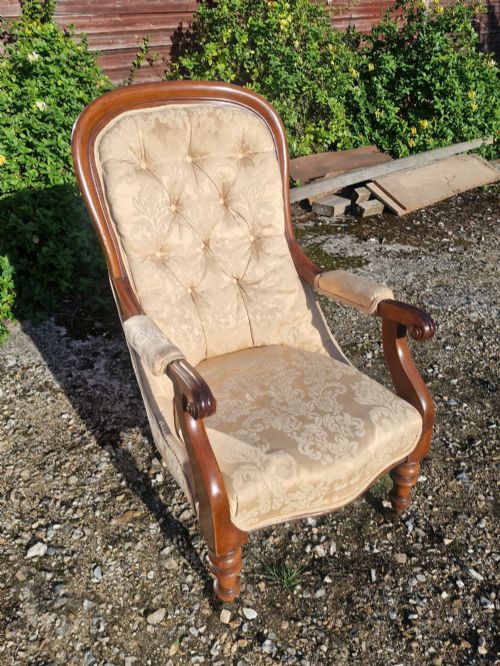
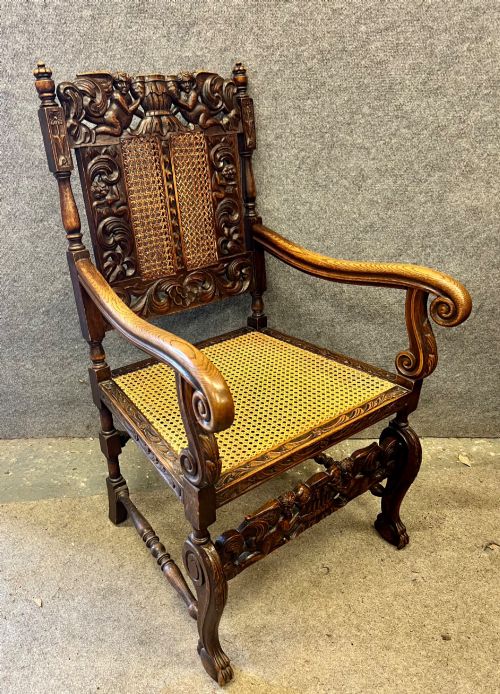
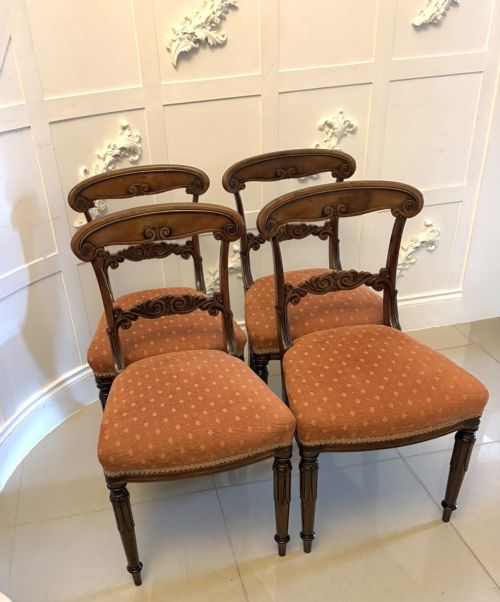
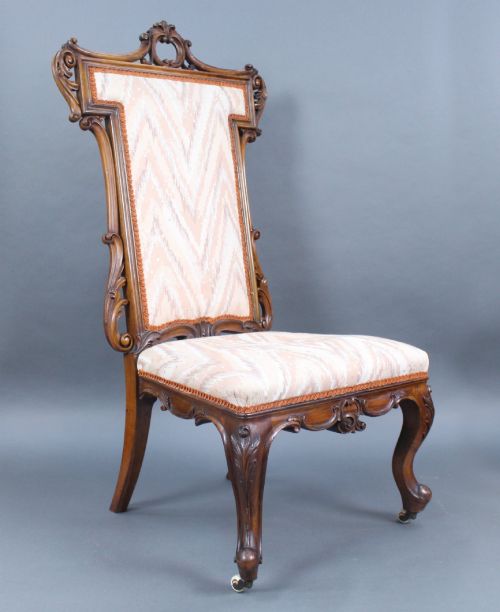
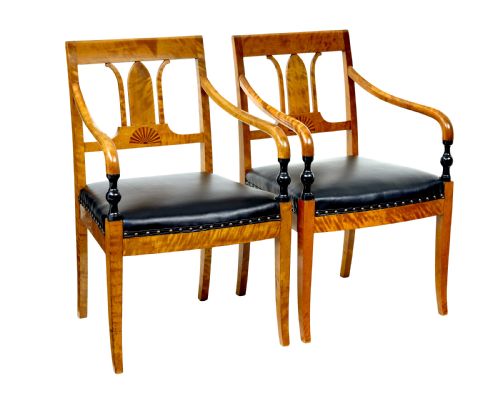
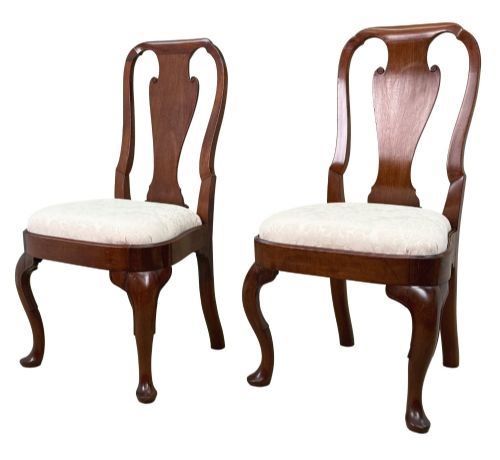
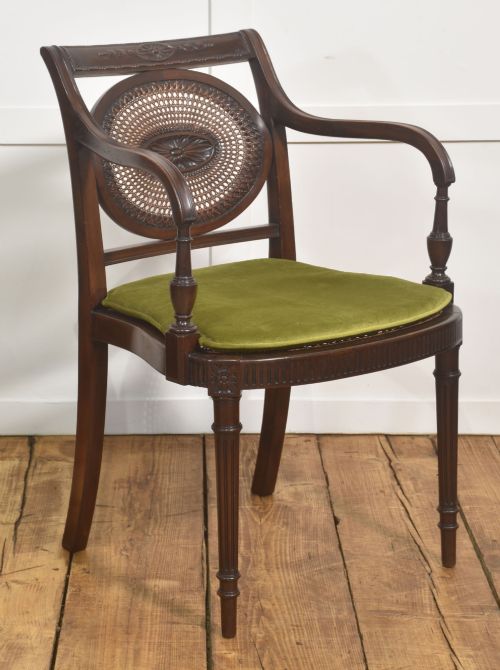
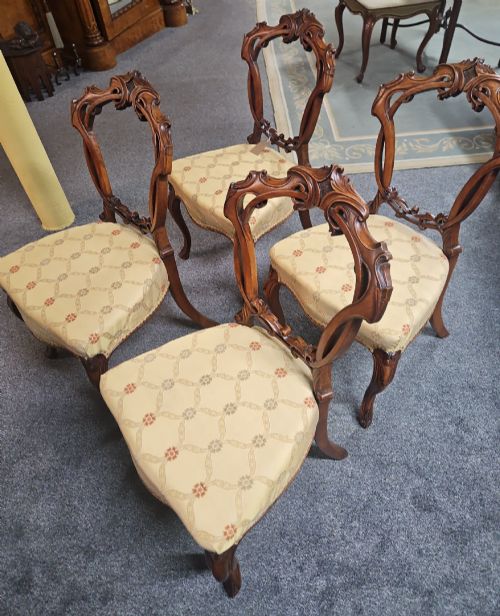
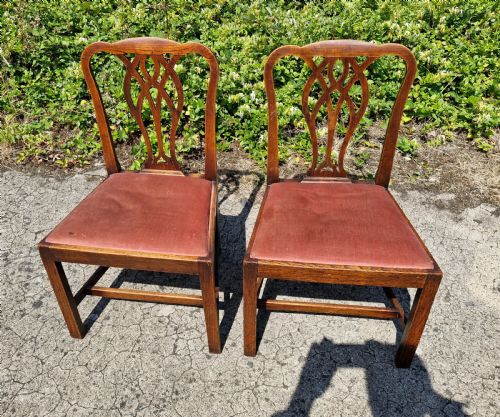
These period desk seat examples span walnut, mahogany, and birch across Georgian, Regency, and Victorian eras to anchor a study.
Period Desk Seat
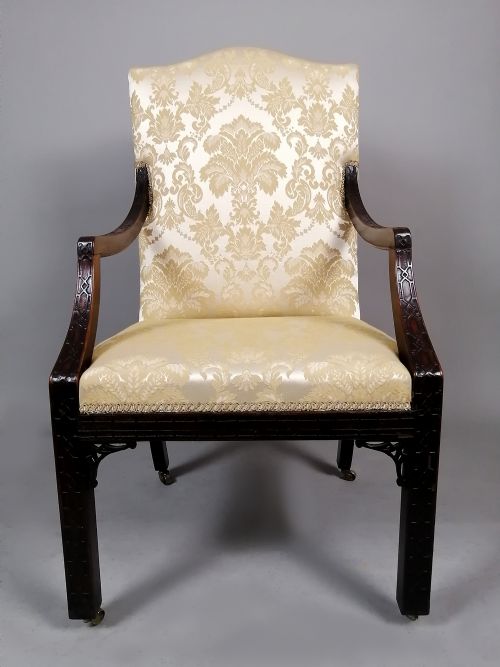
A period desk seat serves as a stable chair for writing, reading, or working at a table, appearing in forms from simple side chairs to elaborate library armchairs. When searching for a period desk seat, buyers encounter diverse iterations ranging from 18th Century walnut models to 19th Century mahogany and ebonised designs.
The evidence shows these seats emerge across multiple historical spans including Georgian, Regency, Victorian, and Edwardian periods. Armchairs, side chairs, carver chairs, and elbow chairs dominate the physical types recorded in the inventory.
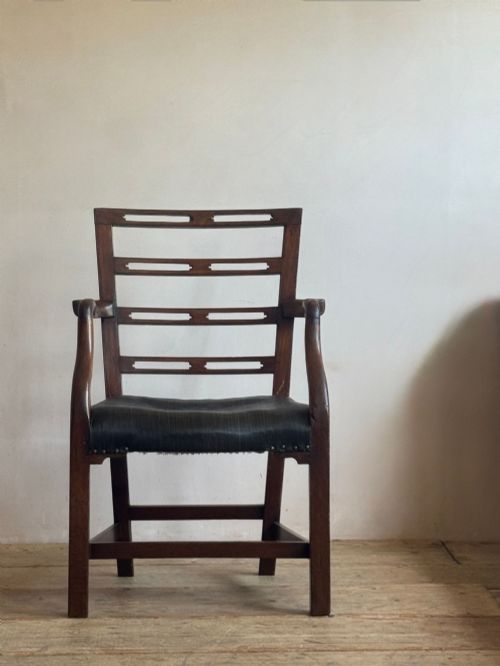
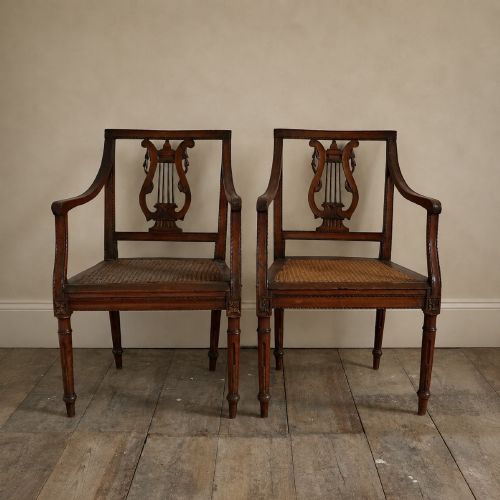
Makers and workshops construct these seats using traditional forms like the ladder-back, lyre back, comb back Windsor, and Trafalgar sabre leg. Walnut, mahogany, elm, and birch form the primary wooden structures supporting users at desks and tables.
How they were made
Cabinet makers utilise dense hardwoods such as mahogany, walnut, elm, and rosewood, shaping frames through joinery and carving techniques. Brass inlay, gilding, and scroll carved backs appear on specific Regency and Victorian examples.
Seats incorporate diverse materials for support and comfort, including woven cane, rush, leather, velvet, tapestry, and fabric upholstery. Brass details and ebonised finishes punctuate the woodwork on select 19th Century and Regency pieces.
Period Desk Seat Retail Price Guide 2026
Typical asking prices for period desk seat among the pieces listed under this phrase on Sellingantiques today, from the lower quarter to the upper quarter. They describe what is for sale here now, not the wider market.
Gentlemen once rested their elbows on specialised morning room seats while contemplating correspondence.
What varies in quality
The sophistication of the timber grain, the precision of the carved details on the back splats, and the integrity of the original cane or upholstery separate standard examples from finer works. Superior pieces display refined proportions and crisp carving on the legs and crest rails.
Makers apply specialist treatments like ebonising, brass inlay, and gilt highlights with varying degrees of execution. The survival of original elements such as cane seats or specific leather upholstery alters the standing of an individual chair.
Charles Tozer
The Period Desk Seat Glossary
- Carver chair
- An armchair, often designed for the head of a table or for desk use, featuring arms that match a set of side chairs. These provide additional elbow support during writing.
- Sabre leg
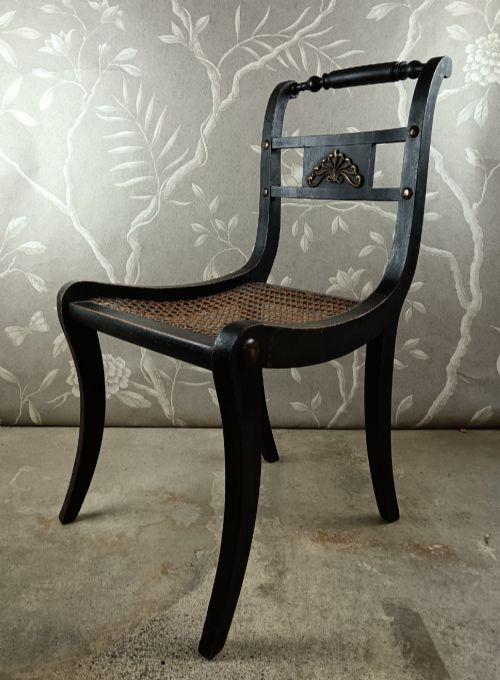
- A concave sweeping leg that tapers towards the foot, frequently seen on Regency seats. This form derives from ancient Greek klismos furniture.
- Library chair
- A substantial upholstered armchair designed for reading rooms and studies. They often incorporate leather upholstery and generous proportions for prolonged sitting.
- Splat
- The vertical central strip of wood in the back of a chair. Carved and pierced variations define different Georgian and Chippendale styles.
- Cane seat
- A seating surface woven from rattan or similar plant material. It offers lightweight resilience and appears frequently on Regency and Edwardian chairs.
Period Desk Seat: Frequently Asked Questions
What is a period desk seat?
A period desk seat is a chair from an earlier century built to accommodate writing and reading tasks at a table or desk. These pieces include side chairs, armchairs, and elbow chairs made from woods like mahogany and walnut.
Makers constructed them to match the prevailing interior styles of Georgian, Regency, and Victorian households. They provide functional seating while reflecting the aesthetic preferences of their respective eras.
How do I identify a Regency desk seat?
Regency desk seats often feature ebonised finishes, brass inlay, and distinctive sabre legs. These elements distinguish them from earlier Georgian mahogany or walnut designs.
Makers during this period also utilised cane seats and gilt highlights inspired by classical antiquity. The overall silhouette tends to be cleaner and more linear than heavy Victorian alternatives.
Were these seats used only at desks?
While many served as writing chairs, the forms catalogued as desk seats often double as side chairs, library chairs, or dining chairs. Owners moved versatile elbow chairs and carver chairs between rooms depending on daily requirements.
Properties such as library armchairs provided comfortable seating for reading, whereas side chairs functioned easily in bedrooms, morning rooms, and hallways.
What materials were used for the seats?
Makers constructed seating surfaces from woven cane, rush, leather, velvet, tapestry, and standard textile upholstery. Wooden boards and open frames also received drop-in upholstered pads.
Caned panels offered breathability and lightness, particularly on Regency and Edwardian examples. Leather and velvet appeared frequently on heavier library and desk armchairs for durability and comfort.