

Period Country Chairs
Period country chairs bring practical domestic history into daily rooms, ranging from sturdy oak wainscots to elm windsors built for longevity.
Period Country Chairs
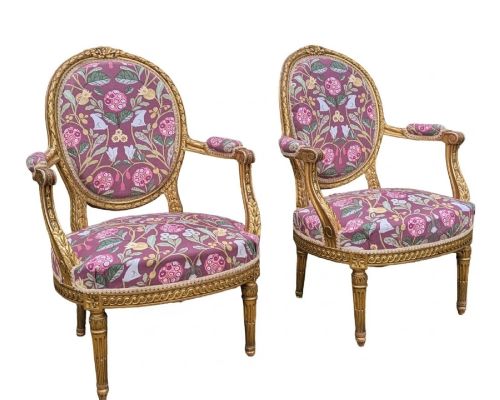
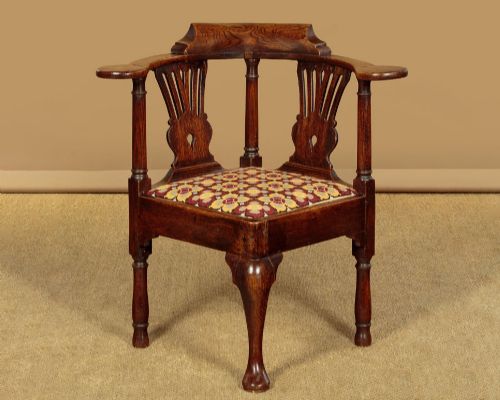
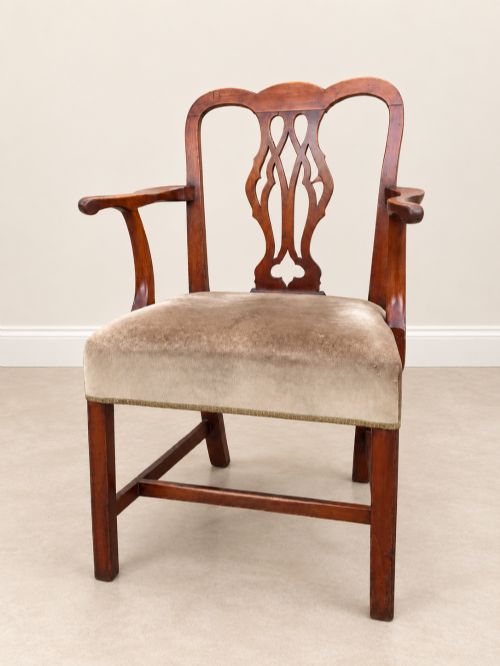
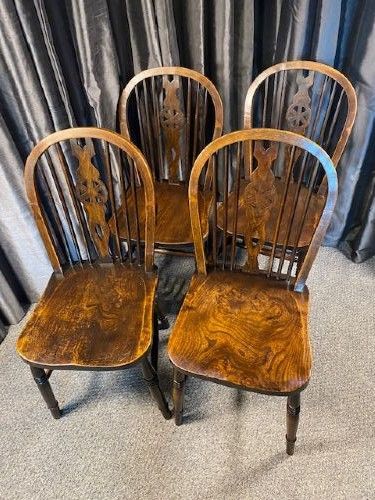
Period country chairs encompass a diverse selection of seating shaped by regional vernacular traditions across the seventeenth, eighteenth, and nineteenth centuries. Buyers searching for period country chairs encounter sturdy utilitarian forms designed for everyday use in kitchens, farmhouses, and dining spaces.
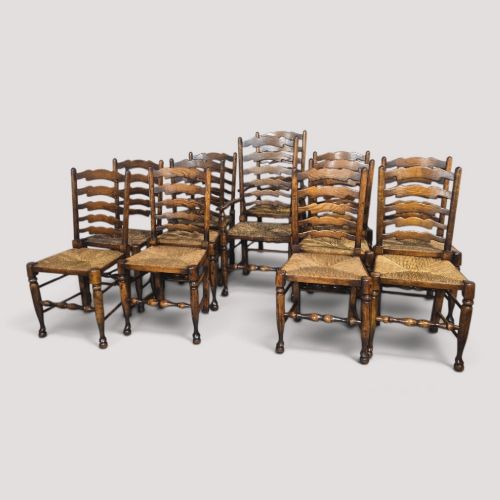
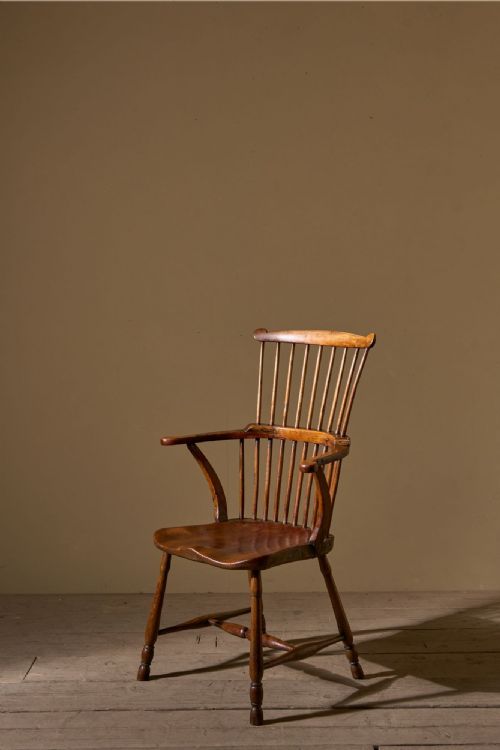
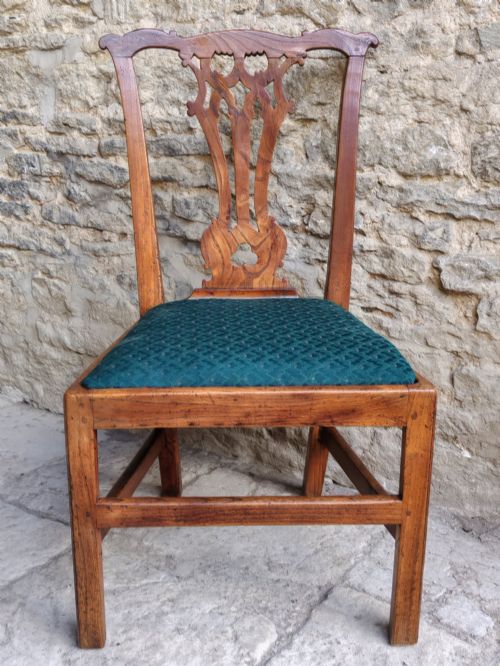
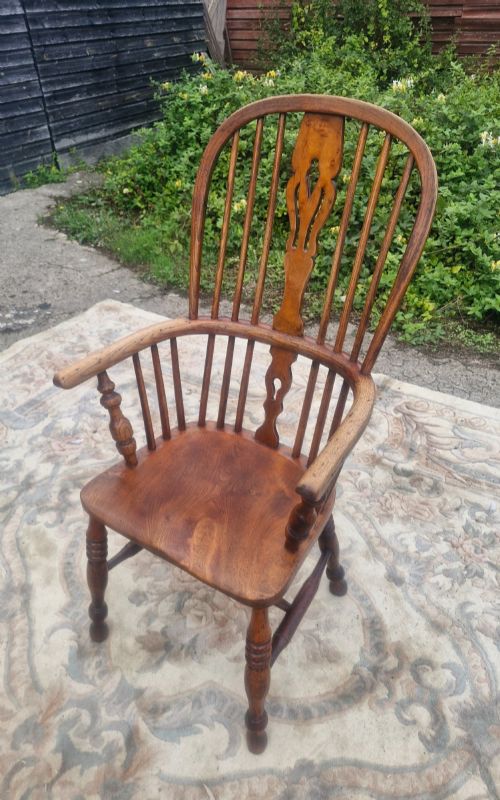
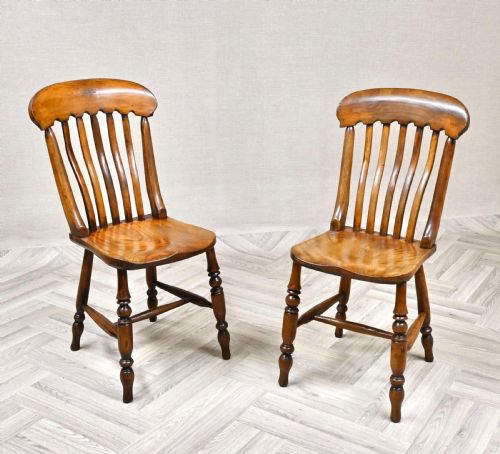
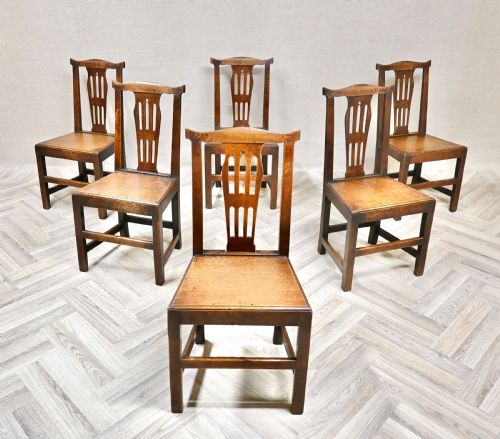
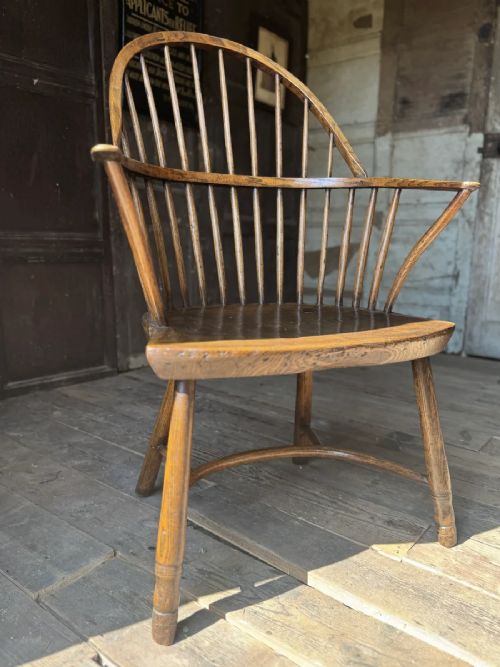
The selections span distinct functional types, including upright ladder-backs, robust wainscot armchairs, and expansive sets of dining chairs alongside individual windsor armchairs. Elm, oak, ash, and fruitwood frequently form the structural foundation of these pieces, reflecting local timber availability during their respective eras.
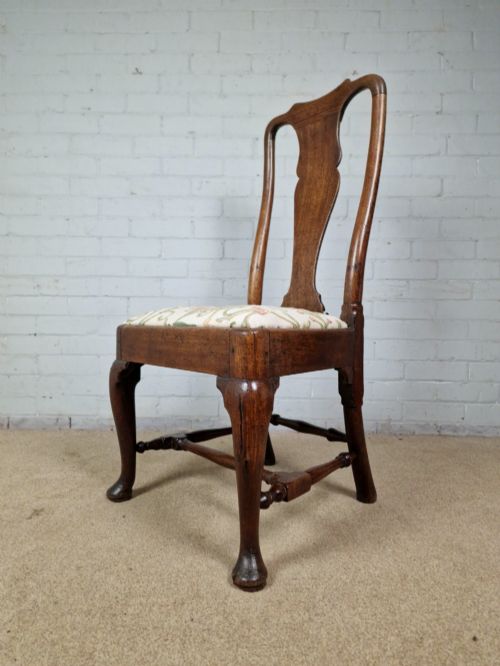
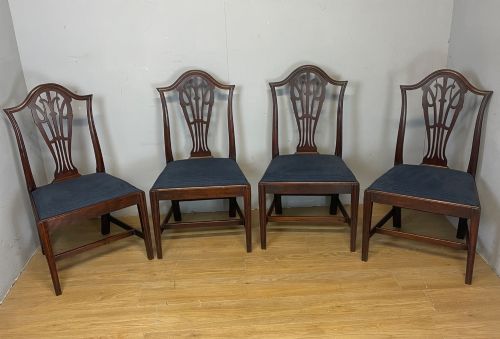
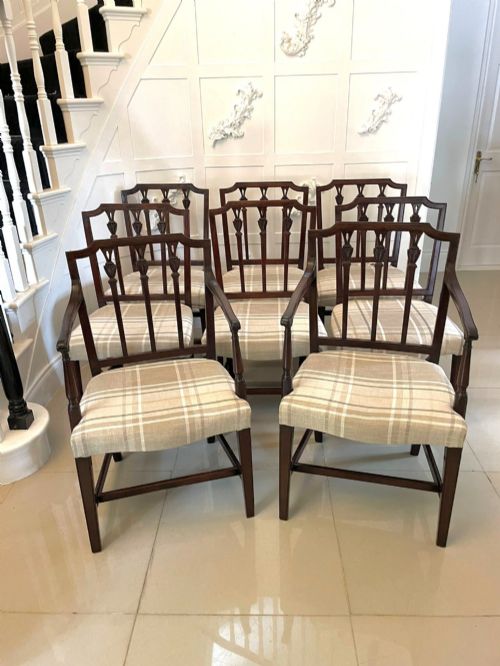
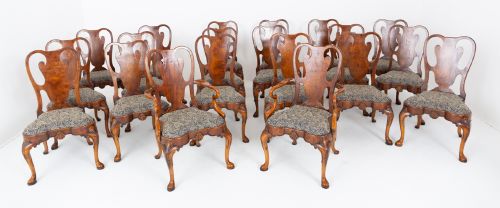
Examples on this page bridge multiple stylistic movements, from early oak pieces through Georgian iterations and Victorian interpretations. Whether seeking a matched set of eight dining seats or a single high-backed windsor, these chairs maintain the honest construction of their rural origins.
Materials and Construction Techniques
Makers utilised locally sourced timbers such as elm, ash, oak, fruitwood, and mahogany to construct these rural seats. Elm and ash commonly formed the bentwood components of windsor chairs, while oak and mahogany provided rigid frames for dining and wainscot chairs.
Joinery techniques relied upon traditional pegged mortise and tenon joints, turned spindles, and steam-bent hoops to secure structural integrity. Seat boards were frequently saddled or scooped from solid blocks of elm to improve comfort without upholstery.
Surface treatments developed naturally through decades of daily use, leaving patinated finishes on fruitwood, oak, and pine. Brass fittings and woven rush occasionally supplemented the wooden framework on specific armchairs and commode chairs.
Period Country Chairs Retail Price Guide 2026
Typical asking prices for period country chairs among the pieces listed under this phrase on Sellingantiques today, from the lower quarter to the upper quarter. They describe what is for sale here now, not the wider market.
Listings feature eighteenth-century windsor chairs alongside nineteenth-century kitchen seating in oak, elm, and ash.
Quality Variations in Country Seating
The integrity of the original timber and the retention of honest patination largely determine the standing of an individual chair. Surviving examples that maintain their original turned stretchers, uncompromised seats, and minimal structural alterations represent the higher tier of rural cabinet work.
Proportion and scale play significant roles in distinguishing master vernacular pieces from standard utilitarian seating. Well-balanced arm placement, refined comb-back spindles, and crisp turning on the legs indicate superior craftsmanship within regional workshops.
Gillows
The Period Country Chairs Glossary
- Windsor chair
- A wooden chair featuring a solid carved seat into which the legs and back spindles are directly inserted. These chairs often incorporate steam-bent hoops and armbows.
- Wainscot armchair
- A heavy wooden armchair constructed primarily of oak during the seventeenth century, featuring panelled backs and solid armrests. They served as principal seats of authority in domestic interiors.
- Ladder-back
- A chair style characterised by horizontal slats or rails set between two upright rear posts. These backs offered sturdy support in dining and kitchen environments.
- Comb-back
- A windsor chair variation where the central spindle-back extends upward to support an additional horizontal headrest resembling a hair comb. This design emerged during the eighteenth century.
- Crinoline stretcher
- A bent metal or wooden reinforcement rail connecting the legs of a chair in a horseshoe curve. It provides lateral stability to slender leg assemblies.
- Harlequin set
- A collection of dining chairs that share similar general periods or styles while varying slightly in individual detail. Such sets were often assembled over time rather than purchased as a single batch.
Period Country Chairs: Frequently Asked Questions
What defines a country windsor chair?
A country windsor chair is characterised by a solid wooden seat that acts as the central anchor for both the legs below and the spindles above. These pieces rely on stout turned components and steam-bent parts rather than conventional frame upholstery.
Craftsmen often combined timbers within a single chair, utilising elm for the carved seat and ash or yew for the flexible back spindles. This pragmatic approach ensured the furniture withstood generations of heavy domestic use in rural settings.
How do I care for antique wooden chairs?
Maintaining antique wooden chairs requires consistent indoor humidity levels and protection from direct heat sources that can dry out historic timber. Regular dusting with a dry, soft cloth preserves the surface without stripping natural wax patinas.
Avoid placing these chairs in areas subject to rapid temperature fluctuations, which stress old joinery and dry animal glues. Gentle applications of quality beeswax can nourish unvarnished oak, elm, and fruitwood periodically.
Can I use country chairs for daily dining?
Solid wood country chairs were originally built for rigorous daily service, making them well-suited for modern dining tables. Their robust construction handles regular sitting far better than fragile decorative seating.
Buyers should inspect the structural stability of the leg joints and stretchers before selecting a set for primary dining use. Adding custom loose squab cushions can also improve comfort during extended meals.