
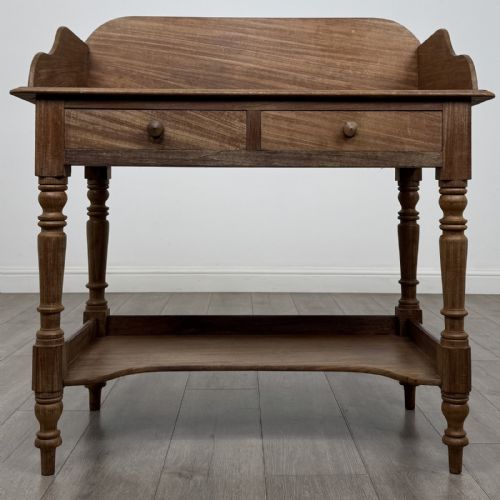
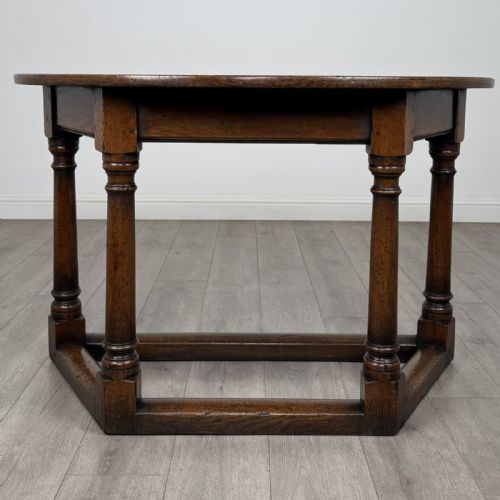
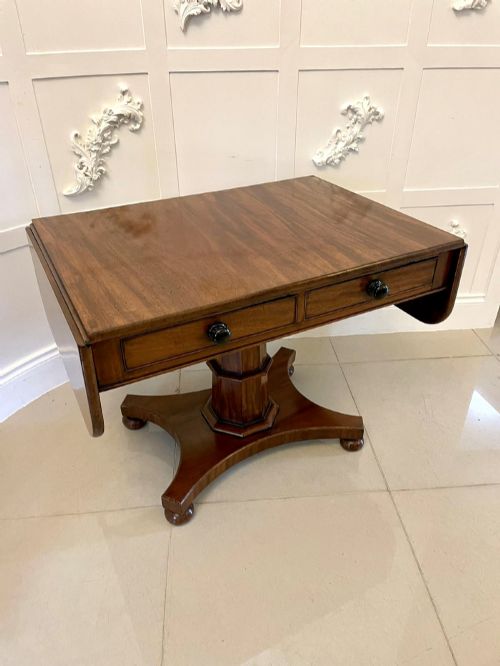
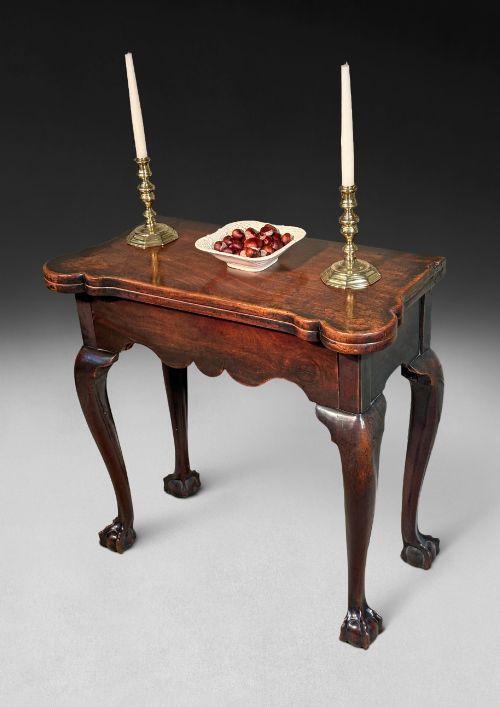
Period Console Table
A period console table brings architectural presence to a hall or reception room through centuries of timber work and design.
Period Console Table
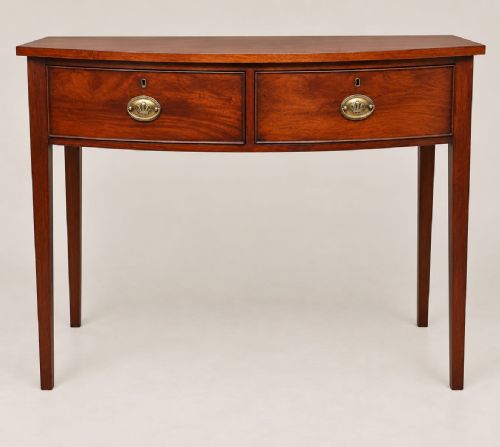
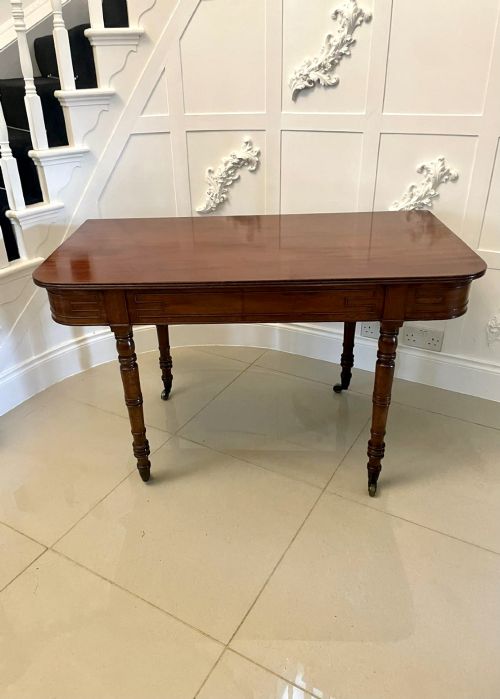
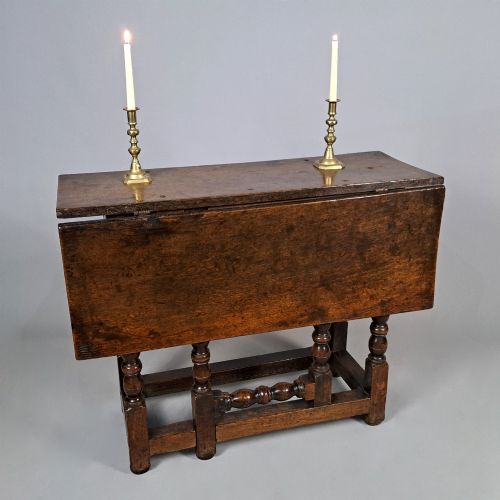
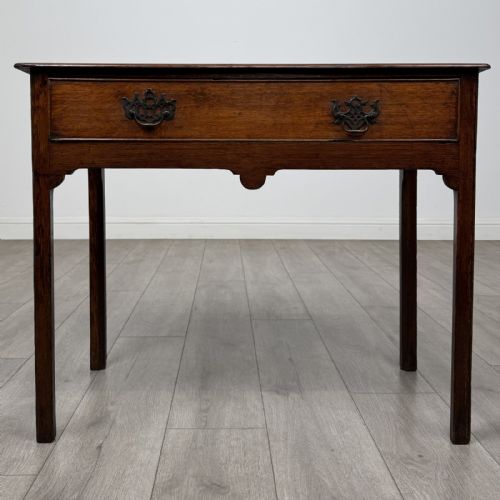
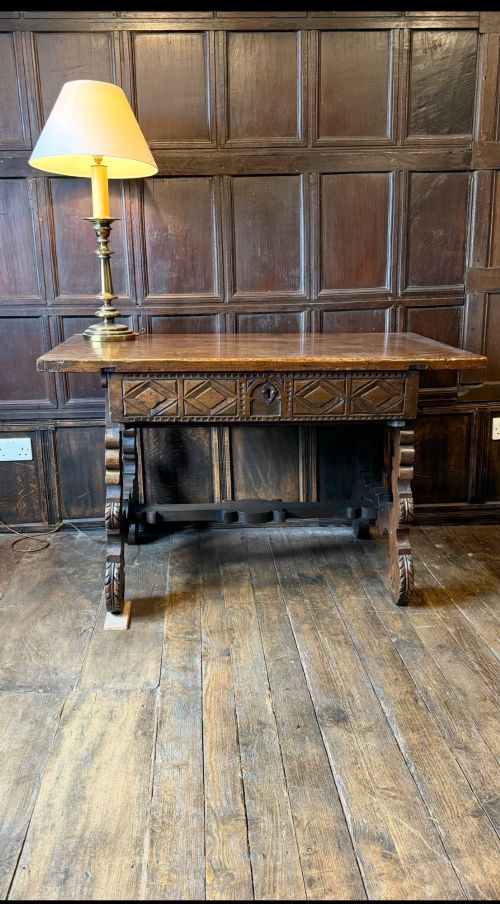
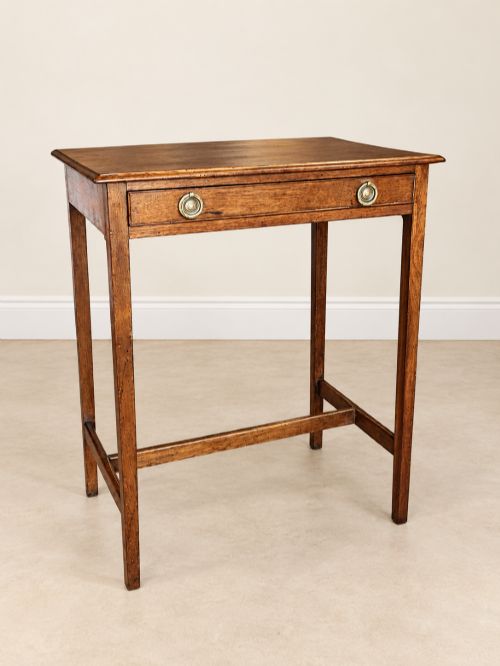
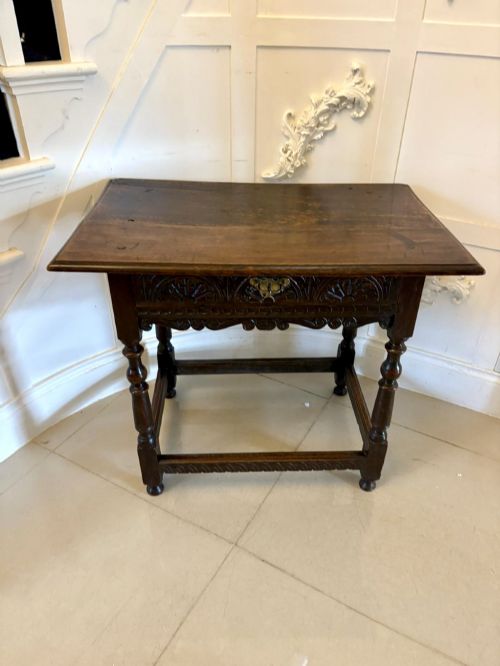
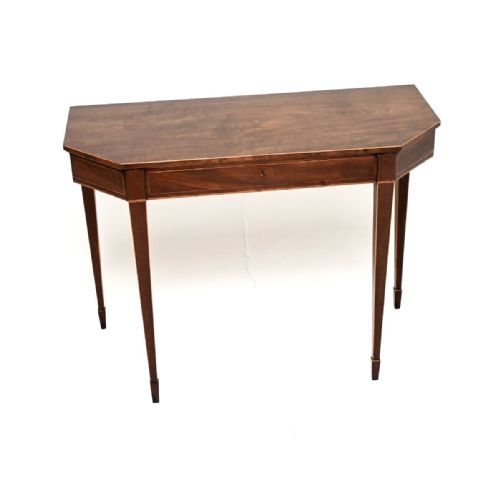
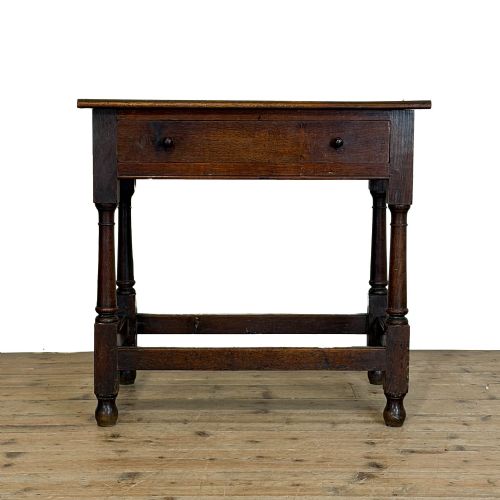
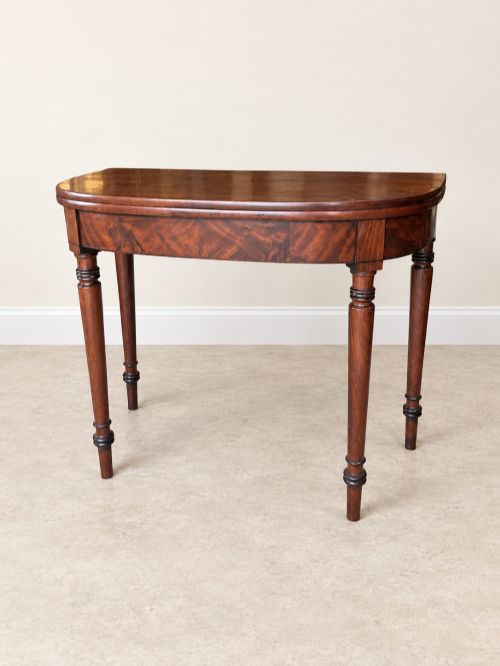
When searching for a period console table, buyers encounter an array of side tables, card tables, and lowboys spanning from the seventeenth to the nineteenth century. The selection ranges from robust oak pieces of the Stuart era to refined mahogany and rosewood forms shaped during the Georgian and Regency periods.
The material vocabulary of these pieces reflects their architectural role, incorporating walnut, elm, satinwood, and boxwood alongside marble tops. Many examples double as writing surfaces, serving tables, or fold-over card tables designed to stand against a wall until needed.
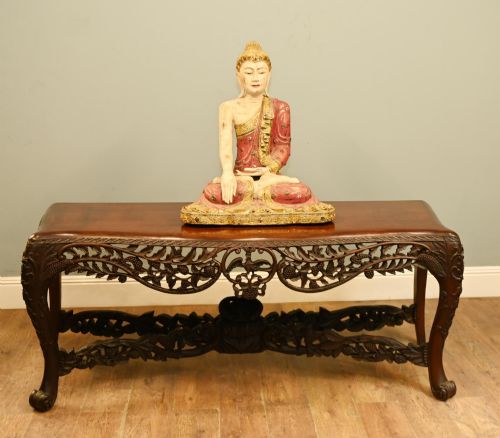
Originating across English, French, and Chinese workshops, these tables demonstrate diverse regional tastes, from the restrained lines of Queen Anne lowboys to the bold painted surfaces of Regency faux bamboo and parcel gilt designs.
Construction and Materials
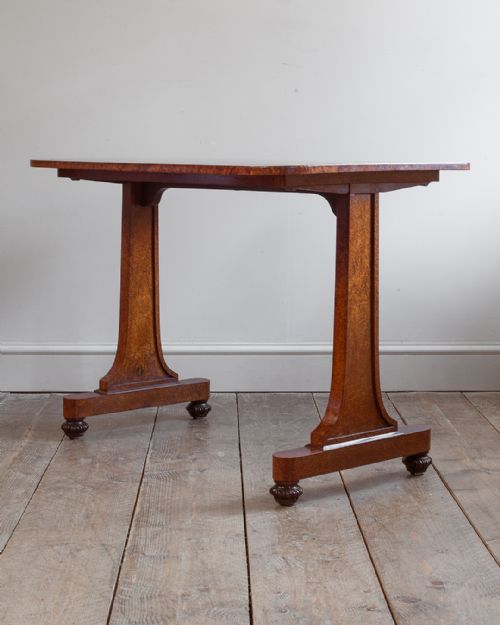
Cabinet makers utilised dense hardwoods such as mahogany, oak, and walnut to build foundational frames capable of supporting marble inserts or heavy timber tops. Figured veneers, including burr walnut and birdseye maple, were applied to primary surfaces to create dramatic grain patterns.
Decorative detailing relied on precision techniques like brass inlay, boxwood stringing, and marquetry, alongside hand-carved mouldings and parcel gilding. Metal mounts, sabots, and castors finished the construction of later Regency and French Napoleon pieces.
Listings feature timbers including mahogany, oak, walnut, rosewood, satinwood, and boxwood, alongside marble inserts.
Judging Quality
The distinction between tiers rests upon the choice of timber and the fidelity of the cabinet work, such as the selection of highly figured Honduras mahogany versus plain secondary woods. Original surface patination and untouched timber figure elevate an example above one with heavy restoration.
Execution of detail defines the upper range, evident in crisp carving, precise brass inlay, and the integration of complex mechanisms like concertina action frames on card tables. Proportion and scale also dictate value, with balanced proportions commanding greater attention from collectors.
The Period Console Table Glossary
- Lowboy
- A small dressing or side table with one or more drawers, typically dating from the seventeenth and eighteenth centuries. These pieces rest on slender cabriole or straight legs.
- Card Table
- A hinged table designed for gaming, featuring a fold-over top that reveals a baize-lined surface when opened. Many examples include concertina frames or swing-out legs for support.
- Console Table
- A table designed to stand against a wall, frequently secured with brackets or resting on front legs. They often incorporate marble slabs or decorative aprons.
- Marquetry
- The art of applying pieces of veneer to a structure to form decorative patterns or pictures. Craftsmen used contrasting timbers like satinwood and boxwood to achieve pictorial depth.
- Sabot
- A metal sleeve or shoe fitted to the foot of a table leg for protection and decoration. Brass sabots appear frequently on Regency rosewood and mahogany pieces.
Period Console Table: Frequently Asked Questions
Where should I place a console table?
These tables fit naturally in entrance halls, living rooms, and long corridors where floor space is limited. Their shallow depth allows them to sit flush against a wall while providing a surface for lamps or decorative objects.
Larger variations, such as serving tables or Pembroke forms, work well in dining spaces. Pairing them with a mirror creates a traditional focal point in a reception room.
How do I care for antique timber?
Keep wooden surfaces away from direct sunlight and heat sources to prevent the timber from drying out and splitting. Regular dusting with a soft, dry cloth protects the polished finish from abrasion.
Apply a traditional beeswax polish sparingly to maintain the moisture and natural lustre of mahogany, oak, and walnut. Avoid silicone-based sprays, which can penetrate old finishes and damage the patina.
How can I tell the period?
Study the construction methods, timber choices, and hardware to determine the era of manufacture. Seventeenth-century pieces typically feature heavy oak construction with pegged joints, while eighteenth-century examples favour mahogany and walnut with sophisticated dovetailing.
Design motifs also offer clear indicators, such as the tapered legs of the Georgian period or the brass inlay and parcel gilt surfaces typical of Regency design.
Were these tables used for writing?
Many side tables and console forms served multiple domestic purposes, including correspondence and reading. Tables designated specifically as writing or desk variants often include integrated drawers for stationery.
Fold-over tops on card tables provided a stable surface for writing when closed, shifting function as household needs required.