

Period Commode Chest
A period commode chest brings robust storage and deep timber figure into a room, spanning centuries of cabinet-making.
Period Commode Chest
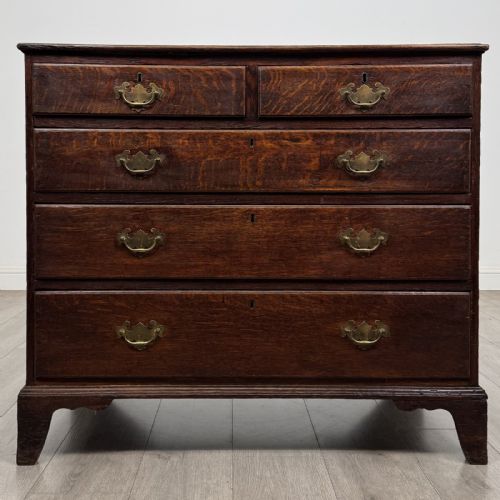
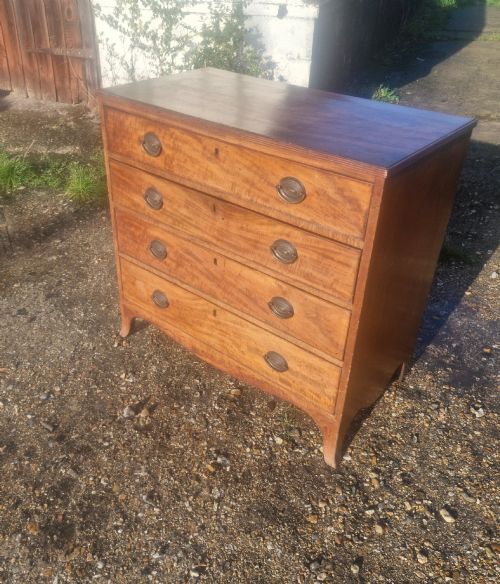
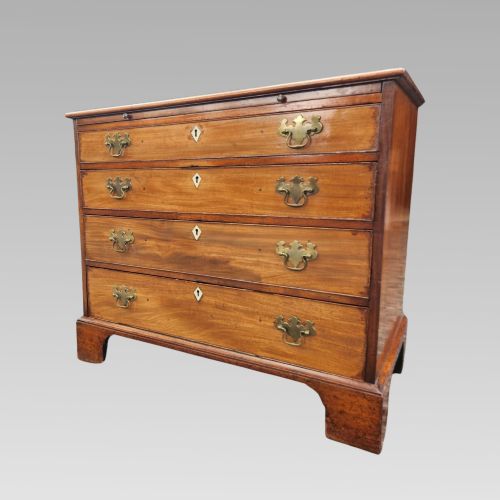
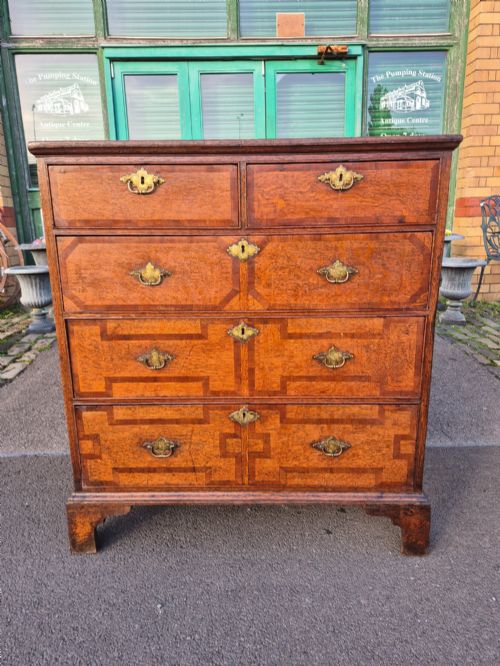
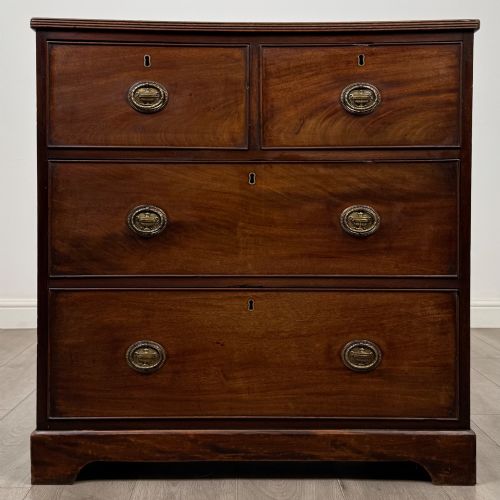
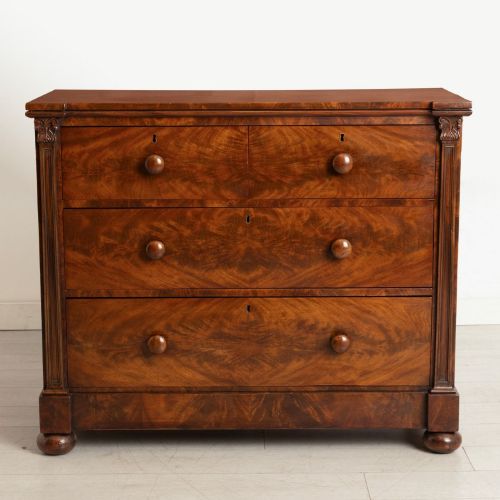
A period commode chest encompasses sturdy storage furniture built across the seventeenth, eighteenth, and nineteenth centuries. Buyers searching for a period commode chest encounter substantial oak, walnut, and mahogany forms designed for domestic bedchambers and parlours.
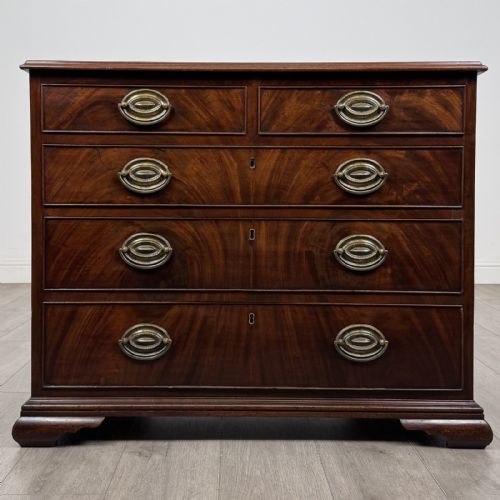
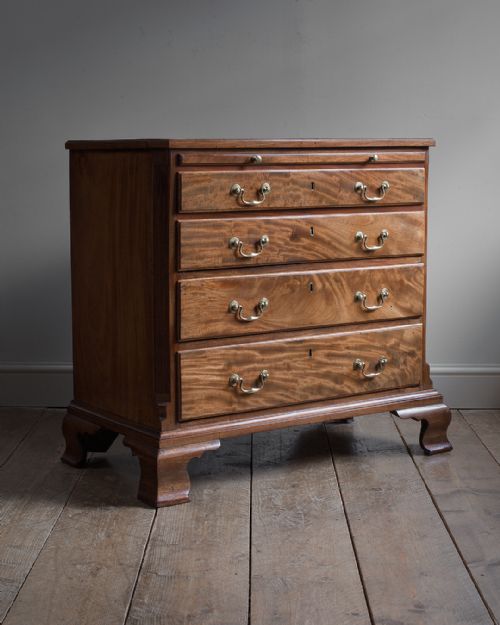
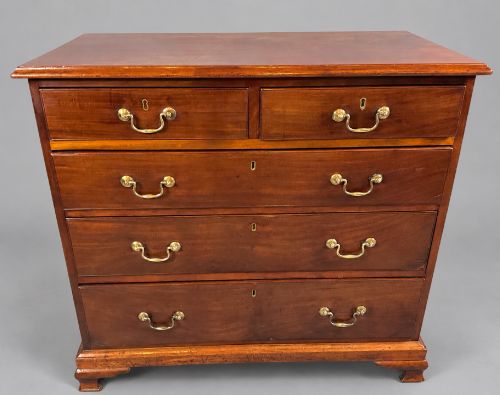
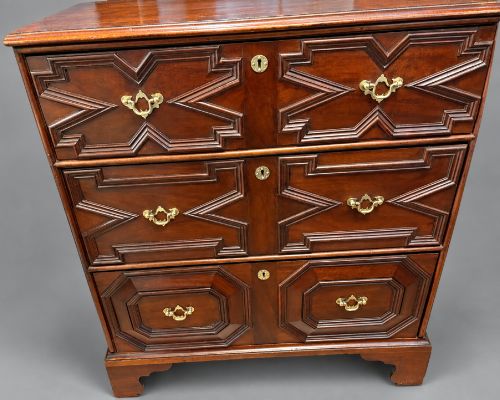
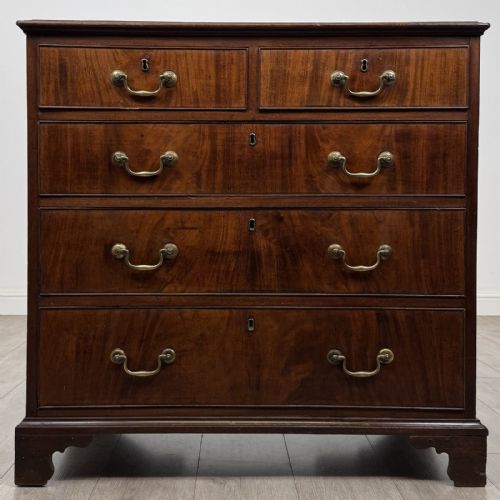
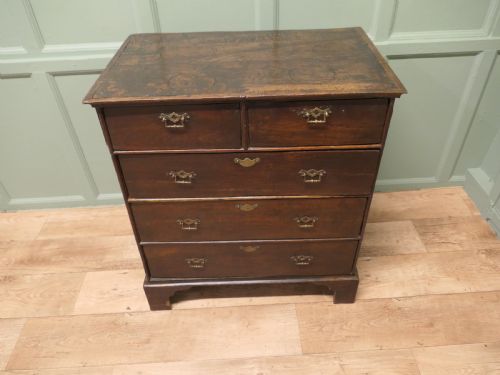
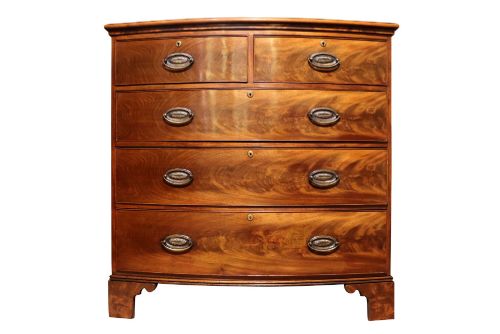
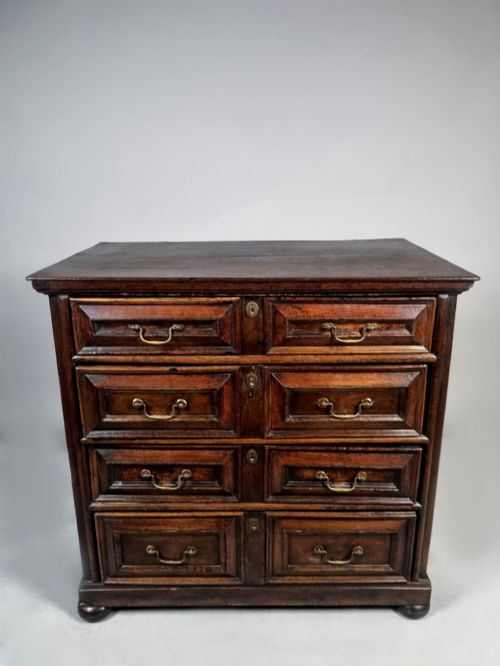
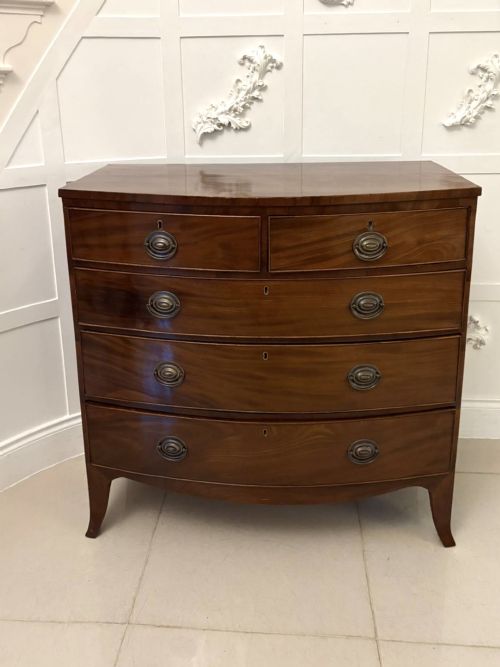
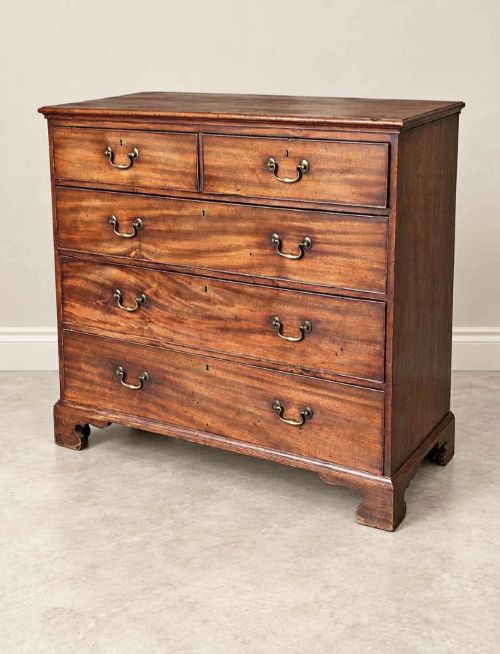
The most common version on this page is the Georgian or Regency mahogany chest of drawers, often featuring a straight or bow front. Alongside these stand earlier oak and walnut pieces from the seventeenth and eighteenth centuries, reflecting simpler country workshops or elaborate veneered panels.
Regional variations also appear, including French Empire commodes, Maltese olive wood pieces, and country elm or pine furniture. Each object serves as practical storage while displaying the distinct timber grain and structural proportions of its period.
Distinctions in construction and material
Quality rests upon the selection of timber figure, such as highly grained mahogany or dense oyster veneers, paired with crisp execution of mouldings and bracket feet. Superior pieces maintain original drawer linings, smooth running drawers, and untouched timber patination that reveals decades of gentle use.
Lesser examples display replaced brasses, split carcase sides, or heavy restoration that obscures the original surface character. The handling of secondary woods inside the drawers and the precision of the dovetail joints further separate standard workshop production from finer cabinet-maker output.
Period Commode Chest Retail Price Guide 2026
Typical asking prices for period commode chest among the pieces listed under this phrase on Sellingantiques today, from the lower quarter to the upper quarter. They describe what is for sale here now, not the wider market.
Object forms range from standard multi-drawer chests and bowfronts to compact bedside tables, miniature furniture, and box stools.
The Period Commode Chest Glossary
- Bowfront
- A convex curved front profile typical of many Georgian and Regency chests. This shape softens the room's geometry while providing extra internal depth to the central drawers.
- Oyster veneer
- Circular cross-sections of branch wood sliced to create an intricate, repeating pattern across the drawer fronts. This decorative technique was popular during the late seventeenth century.
- Bracket foot
- A structural foot shape formed by two mitred pieces meeting at a corner, commonly seen supporting eighteenth-century chests. It lifts the heavy carcass cleanly off the floor.
- Dovetail
- A traditional interlocking joint used to connect drawer sides to drawer fronts and backs. Hand-cut dovetails indicate older construction methods prior to industrial manufacturing.
- Escutcheon
- A protective metal plate surrounding a keyhole on a drawer front. These plates often match the drop handles and contribute to the decorative rhythm of the chest.
Period Commode Chest: Frequently Asked Questions
How do I date a wooden chest?
Dating relies on observing construction methods, timber choices, and hardware styles. Hand-cut dovetails, secondary woods, and regional design traits help narrow the decade of manufacture.
Earlier pieces from the seventeenth century utilise heavy oak framing and geometric mouldings. Eighteenth and nineteenth-century examples shift towards mahogany veneers, satinwood inlay, and curved bow fronts.
Where should I place a chest in my home?
These chests function effectively in bedrooms, hallways, and living rooms for practical storage. Their flat tops also provide a surface for lamps, mirrors, or decorative objects.
Ensure the piece sits away from direct heat sources and strong sunlight to protect the aged timber and prevent veneer cracking.
How do I care for antique timber?
Maintain the wood by dusting with a dry cloth and avoiding silicone-based polishes. Applying a traditional wax occasionally helps nourish dry timber and preserve the surface shine.
Keep room humidity stable to prevent the solid woods and veneers from expanding or contracting excessively.
What is the difference between a commode and a chest?
While English terminology often uses chest of drawers interchangeably with chest, the term commode historically refers to a low chest or cabinet. French commodes often feature wider proportions and decorative mounts.
Both forms served similar storage functions in period interiors, though regional styling dictates the specific name applied to each piece.