

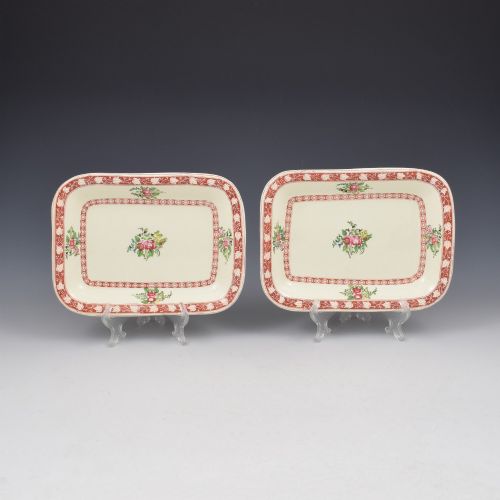

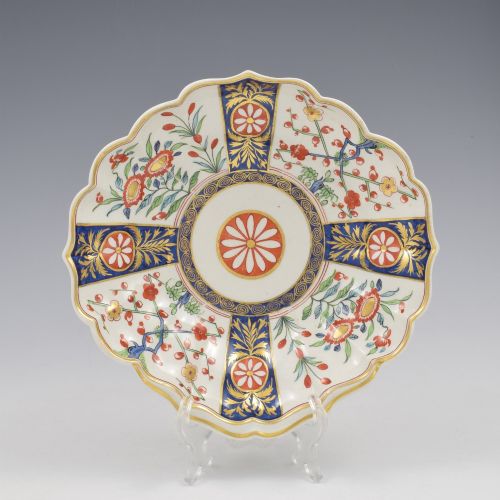
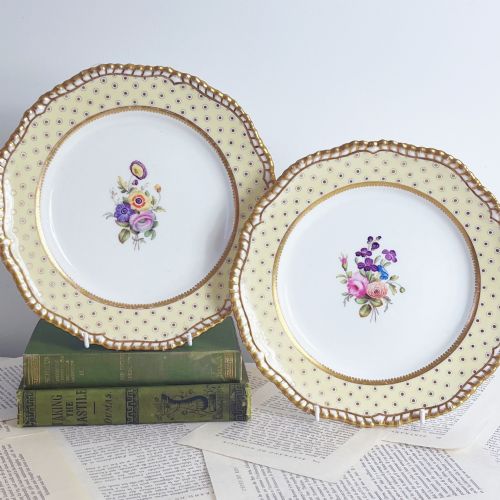


Period Ceramic Tableware
Period ceramic tableware brings centuries of kiln craft to the dining table, offering everything from Georgian porcelain to Japanese Imari plates.
Period Ceramic Tableware
Period ceramic tableware encompasses plates, dishes, bowls, and serving sets made across the eighteenth, nineteenth, and early twentieth centuries. When searching for period ceramic tableware, collectors encounter items ranging from early English porcelain services to Japanese export wares and Satsuma pieces.
The assortment on this page spans distinct eras including the Georgian, Regency, and Victorian periods, alongside later twentieth-century Art Deco pieces. Tableware forms include dessert services, sauce boats, custard sets, and botanical serving dishes, reflecting formal dining habits of past centuries.
Materials and Techniques
Maker workshops utilised foundational materials such as porcelain, soft-paste porcelain, and earthenware, shaping clay bodies into functional forms like dessert plates and sauce boats. Potters applied glaze to seal the ceramic body, creating a smooth surface ready for subsequent decoration.
Decoration often involved hand-painted enamel colours and intricate gilding with gold leaf. Kiln firing fixed these pigments and precious metals onto the ceramic surfaces, producing the durable finishes seen on eighteenth and nineteenth-century pieces.
Period Ceramic Tableware Retail Price Guide 2026
Typical asking prices for period ceramic tableware among the pieces listed under this phrase on Sellingantiques today, from the lower quarter to the upper quarter. They describe what is for sale here now, not the wider market.
The object types span practical dining forms including dessert plates, sauce boats, serving dishes, and complete dessert services.
Evaluating Quality in Ceramics
Quality in period ceramics rests upon the precision of the moulding and the skill of the hand-painting. Superior pieces display crisp relief modelling, balanced proportions, and cleanly applied enamels without blurring.
The refinement of the ceramic body itself distinguishes finer wares, particularly in early porcelain and soft-paste compositions where translucency and smooth glaze surfaces indicate higher kiln mastery.
Dr Wall Worcester·Spode·Coalport·Chamberlain Worcester·Minton·Wedgwood·Keith Murray
The Period Ceramic Tableware Glossary
- Soft-paste porcelain
- An early European porcelain recipe made from clay and glass frit rather than hard-paste minerals. It fires at lower temperatures and possesses a warm, slightly creamy glaze appearance.
- Enamel
- Opaque glass-based pigments applied over or under the glaze to add colour to ceramic designs. These vitrifiable colours fuse to the surface during a secondary low-temperature kiln firing.
- Gilding
- The application of gold leaf or powdered gold to ceramic rims, handles, and painted motifs. It adds a metallic lustre that catches the light during dining.
- Armorial
- A ceramic design featuring a family coat of arms or crest. These bespoke services were commissioned by affluent households in the eighteenth and nineteenth centuries.
Period Ceramic Tableware: Frequently Asked Questions
What is period ceramic tableware?
Period ceramic tableware comprises plates, dishes, and serving vessels produced during historical eras such as the Georgian, Regency, and Victorian periods. These items reflect the domestic dining customs and ceramic manufacturing techniques of their respective centuries.
Items range from formal dessert services and botanical serving dishes to everyday plates and sauce boats, created in European factories and Japanese kilns alike.
Can I use old ceramic tableware for dining?
While these ceramics were originally made for dining, many owners reserve older pieces for display or light occasional use. Historic glazes and enamels can be sensitive to modern dishwashers, abrasive scrubbers, and acidic foods.
Hand-washing and careful food selection help preserve the painted enamel decorations and gold leaf details on eighteenth and nineteenth-century surfaces.
How do I identify eighteenth-century porcelain?
Eighteenth-century porcelain is identified through characteristics such as unglazed foot rims, potting weight, and hand-painted underglaze blue or enamel motifs. Examining the glaze under magnification often reveals tiny bubbles or imperfections typical of early kiln technology.
Stylistic markers, such as specific floral motifs or shell-shaped edges, also help place pieces within eras like the First Period Worcester or early Chinese export periods.