


Period Cast Iron Bed
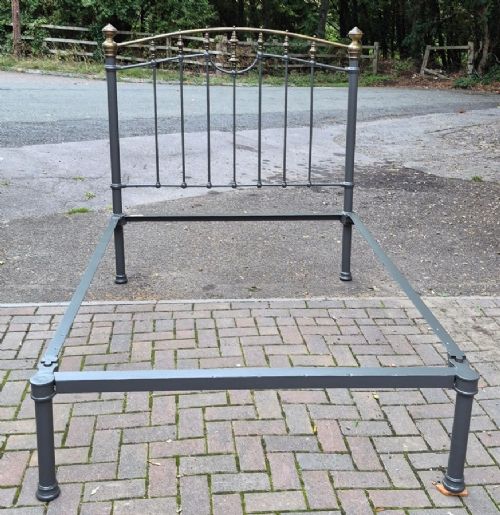
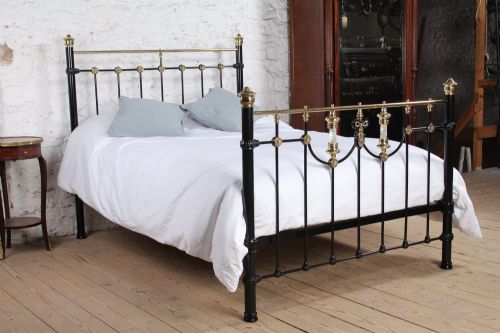
A period cast iron bed offers sturdy metal construction and decorative brass detailing, bringing Victorian character to a bedroom.
Period Cast Iron Bed
A period cast iron bed combines heavy metal framing with brass accents, creating a substantial sleeping platform typical of the nineteenth and early twentieth centuries. These pieces appear in single, double, small double, king and super king sizes, accommodating modern mattresses while retaining their historical footprint.
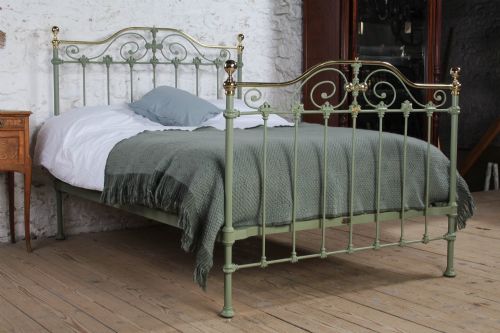
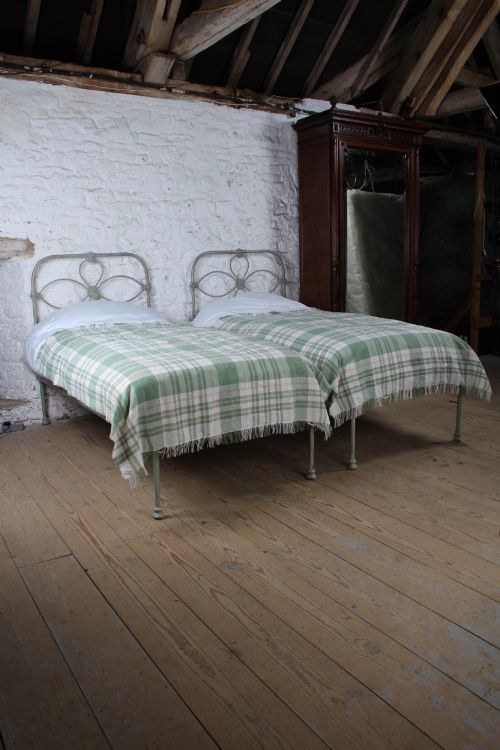
Most examples on this page date from the Victorian era up to the early twentieth century, spanning decades from eighteen seventy to nineteen ten. Buyers encounter straight rail designs, Celtic motifs and painted finishes incorporating green colourways.
Makers such as RW Winfield produced specific bedstead models during the Victorian period, adding documented provenance to individual frames. Common terminology across the listings includes bedsteads and bed frames alongside double and king size designations.
Materials and construction
Makers utilised cast iron for the main structural elements and frames, combining it with wrought iron and brass components for decorative contrast. Some designs integrated mother of pearl inlay work into the metal framework.
Surfaces received protective coats of paint, with green appearing among the recorded finishes alongside polished brass tubing and cast iron details. Beds often featured straight rails or Celtic decorative patterns cast directly into the head and foot boards.
Mother of pearl makes a surprise appearance on metal beds, proving Victorians loved adding unexpected shimmer to ironwork.
Factors of quality
Quality rests in the intricacy of the decorative brass work and the complexity of the iron casting, ranging from plain straight rails to elaborate Celtic patterns. Additional refinement appears in decorative details such as mother of pearl inlays.
The integration of materials dictates the overall finish, where well-preserved paintwork and polished brass fittings elevate the appearance of the bedstead. Substantial sizing, from single frames up to super king variations, influences the presence of the piece within a room.
RW Winfield
The Period Cast Iron Bed Glossary
- Bedstead
- The framework of a bed, including the headboard, footboard and side rails. This term frequently appears in historical listings for metal beds.
- Cast iron
- An iron-carbon alloy poured into moulds to create rigid structural and decorative components. It forms the heavy base of these Victorian frames.
- Wrought iron
- Iron that is beaten or bent into shape while hot, offering fibrous strength. It complements cast iron elements in period frames.
- Brass
- A yellow alloy of copper and zinc used extensively for decorative tubing and finials on Victorian metal beds. It provides a bright contrast to dark iron.
- Double size
- A standard mattress dimension accommodated by many Victorian bed frames on this page. It offers sleeping space for two people.
Period Cast Iron Bed: Frequently Asked Questions
What sizes are available?
The listings include single, small double, double, king and super king sizes to suit various bedroom dimensions.
Larger formats provide generous sleeping surfaces while maintaining the traditional aesthetic of the period.
Do these beds use modern mattresses?
These historical bed frames accommodate standard modern mattress sizes depending on the specific dimensions listed.
Buyers should verify the exact internal measurements of the frame before purchasing a mattress.
What materials make up the frames?
Construction primarily relies on cast iron and wrought iron combined with brass components for visual contrast.
Certain examples incorporate additional decorative elements like mother of pearl or painted surfaces.
How do I date these beds?
Dating relies on recorded production periods spanning from eighteen seventy through to nineteen ten.
Stylistic indicators include straight rails, Celtic patterns and specific maker attributions such as RW Winfield.