




Period Bronze Sconce Light
A period bronze sconce light brings immediate warmth and sculptural weight to a room, offering the enduring craftsmanship of past centuries.
Period Bronze Sconce Light
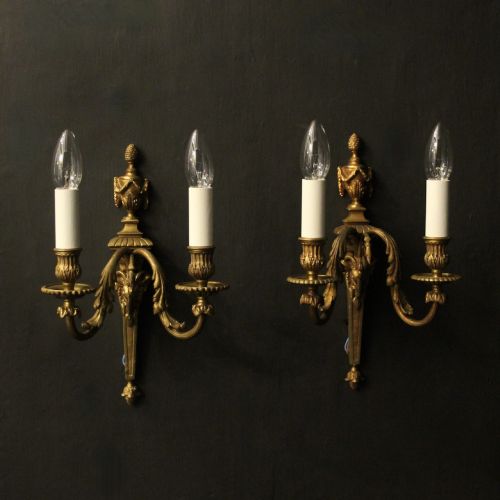
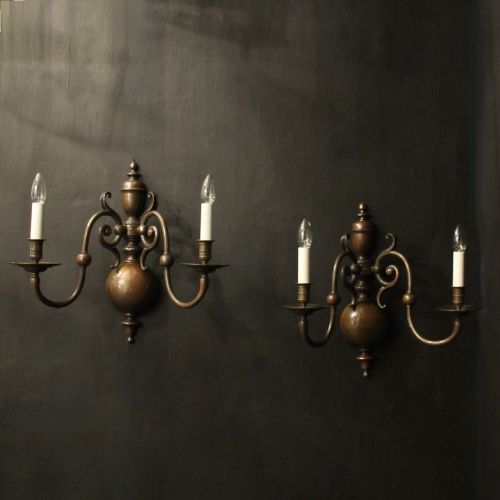
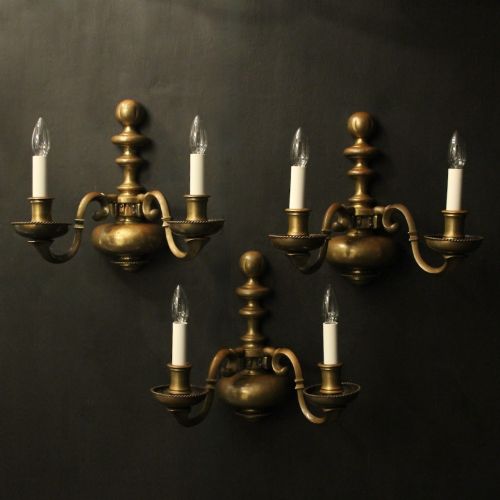
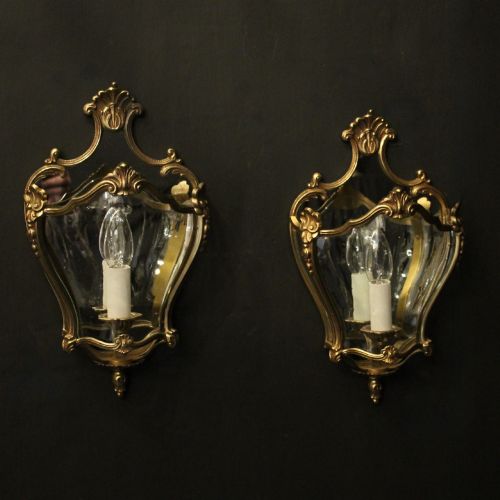
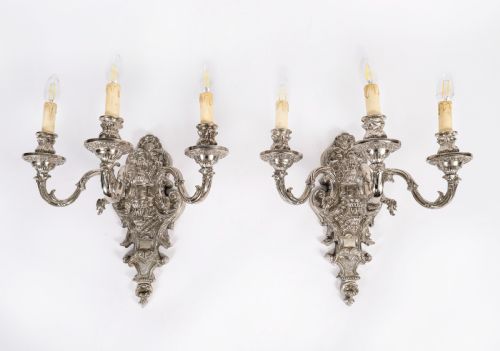
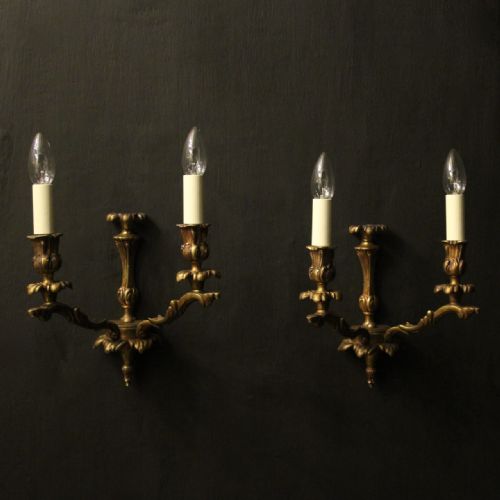
Every period bronze sconce light on this page serves as a wall-mounted fixture designed to illuminate interiors through candle power or historical conversion, appearing predominantly in pairs or sets.
The selections span from Regency and Victorian English examples to French Empire, Regence, and Rococo iterations, capturing centuries of decorative lighting history.
Most pieces originate from continental workshops and English makers, taking forms such as twin-arm wall lights, half lanterns, and candelabras.
Materials and construction
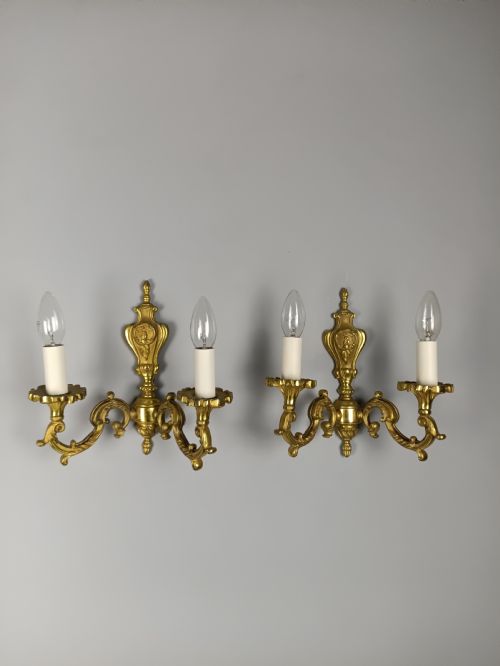
Metalworking traditions dominate these listings, utilising cast bronze, brass, and ormolu alongside gilded surfaces and silver plating.
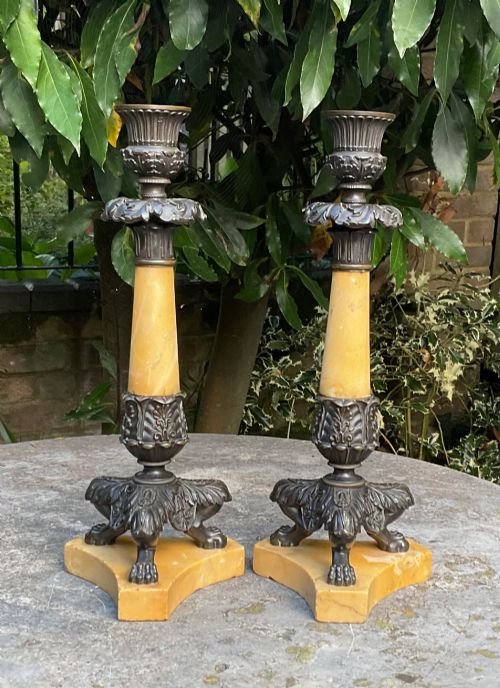
Selected pieces incorporate contrasting elements like marble bases or mounting plaques, adding structural density and tonal variety to the metalwork.
Surface treatments range from fire gilding to polished patination, achieved through traditional foundry methods of the nineteenth and early twentieth centuries.
Period Bronze Sconce Light Retail Price Guide 2026
Typical asking prices for period bronze sconce light among the pieces listed under this phrase on Sellingantiques today, from the lower quarter to the upper quarter. They describe what is for sale here now, not the wider market.
Design eras represented include French Empire, Rococo Revival, Victorian, and Regency periods.
Assessing quality and execution
The sharpness of the cast ornament dictates the upper tier of quality, where chased details remain crisp rather than softened by worn moulds.
Substantial weight and depth in the metal components distinguish superior castings from lighter, more utilitarian productions.
Cohesion in the gilding or patination across matched pairs indicates deliberate workshop pairing rather than assembled components.
The Period Bronze Sconce Light Glossary
- Ormolu
- Gilded bronze produced by applying a mercury-gold amalgam to a bronze base and heating it. This technique creates a durable, warm golden finish characteristic of French decorative arts.
- Sconce
- A wall-mounted lighting bracket designed to hold candles or electric fittings. These fixtures project light outward into the space from a fixed vertical surface.
- Candelabra
- A branched candlestick holding multiple lights. Larger examples often feature removable arms to allow conversion between single and multi-light configurations.
- Regency
- An English design period spanning the early nineteenth century. It draws heavily on classical Greco-Roman motifs and French influence.
- Patina
- The surface sheen and coloration developed through age, handling, and oxidation. This natural layer provides visual depth to bronze and brass metals.
Period Bronze Sconce Light: Frequently Asked Questions
How do I install antique wall lights?
Most antique wall lights mount directly to standard wall junction boxes using internal brackets. Professional installation ensures proper wiring and secure attachment to the wall surface.
Older fixtures may require modern backing plates or rewiring to meet contemporary electrical safety standards while preserving the original exterior appearance.
Are these sconces wired for electricity?
Many listings include examples that have been rewired for modern use, while others retain their original candle-holders or historical wiring setups. Reviewing individual descriptions clarifies the current functional state of each piece.
Converted fixtures typically accommodate standard small-base bulbs designed to fit within historical proportions without altering the visible metalwork.
How do I clean bronze and ormolu?
Gentle dusting with a soft, dry cloth is the primary method for maintaining bronze and ormolu surfaces. Moisture and chemical cleaners can strip historical patinas and damage delicate gilding.
Professional conservation advice is recommended if deeper cleaning becomes necessary to remove accumulated environmental grime from intricate cast ornamentation.
What is the difference between brass and bronze?
Bronze is an alloy primarily composed of copper and tin, yielding a darker, richer natural tone and heavier weight. Brass consists mainly of copper and zinc, resulting in a brighter yellow hue.
Both metals frequently received surface gilding or plating historically, which often unifies their appearance across different periods and workshops.