



French Porch Lantern
A French porch lantern brings enduring illumination to an entryway, uniting robust metalwork with clear glass panels.
French Porch Lantern
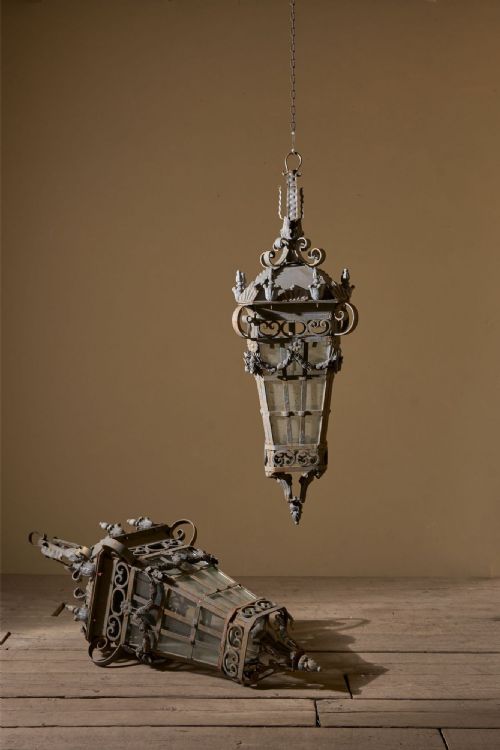
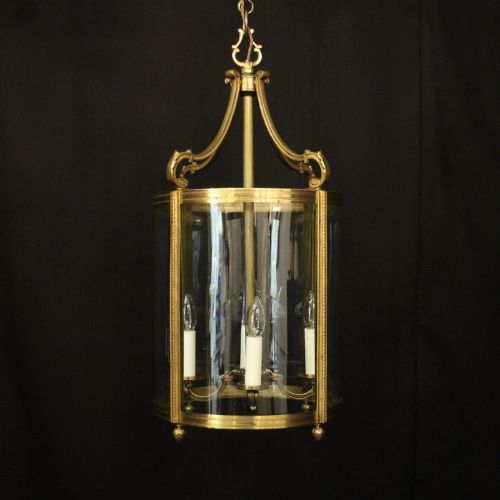
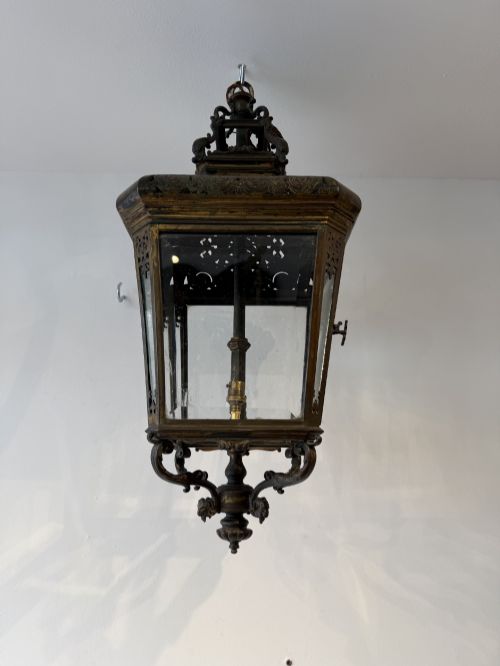
When you search for a french porch lantern, you are looking at exterior and entrance lighting rooted in continental domestic architecture. The pieces on this page span the nineteenth century, the Edwardian era, and the nineteen-thirties.
The selection includes hanging lanterns, hall lanterns, wall lights, and half lanterns designed to mount directly against an exterior wall or hang within a covered threshold. Formats range from single light fixtures to large pairs and four light configurations.
Stylistic influences appearing across these examples include French Chateau, French Beaux-Arts, Gothic Revival, Arts and Crafts, and French Empire. You will frequently encounter robust ironwork alongside more decorative gilded or cast bronze forms.
Materials and construction
Makers utilised a combination of durable exterior metals and glass to build these fixtures. Surviving examples show heavy construction in wrought iron, bronze, brass, copper, zinc, and steel.
Glazing methods varied from simple fitted panes to leaded glass windows set within metal frames. Gilt bronze and brass components provided decorative detail, while iron and zinc offered structural strength for outdoor exposure.
French Porch Lantern Retail Price Guide 2026
Typical asking prices for french porch lantern among the pieces listed under this phrase on Sellingantiques today, from the lower quarter to the upper quarter. They describe what is for sale here now, not the wider market.
Assessing quality and character
Quality in these fixtures rests on the weight of the metalwork and the precision of the assembly. Heavier castings in bronze or robustly forged wrought iron separate standard utilitarian lighting from finer decorative work.
The integration of decorative styles, such as French Empire brass mounts or Arts and Crafts iron detailing, defines the aesthetic merit of each piece. Original patination on the metal surfaces also contributes significantly to the visual integrity of an antique light.
The French Porch Lantern Glossary
- Hall lantern
- A ceiling-hung light fixture traditionally used in entrance halls and vestibules. These often feature glazed panels enclosed in a metal frame.
- Half lantern
- A light fixture split vertically to mount flat against a wall. This form saves space in narrow porches and corridors.
- Gilt bronze
- Bronze that has been coated with a thin layer of gold. It provides a bright, decorative finish resistant to tarnishing.
- Leaded glass
- Individual pieces of glass joined together by lead cames. This technique allows for geometric or decorative patterns within lantern panels.
- Carriage light
- A lantern style originally designed for horse-drawn vehicles or exterior carriage houses. They typically mount directly to a wall surface.
French Porch Lantern: Frequently Asked Questions
Where should I hang a French porch lantern?
These fixtures suit covered exterior entrances, porches, and vestibules where they can withstand weather while illuminating a doorway. Hanging variants require adequate ceiling clearance, while wall lights mount directly beside an entrance.
Ensure the scale of the lantern matches the proportions of your entryway and door frame. Taller or paired fixtures work best on substantial facades.
How do I clean antique metal and glass?
Dust metal frames gently with a dry microfibre cloth to preserve the existing patination. Avoid harsh chemical cleaners that can strip historic finishes from bronze, brass, or iron.
Clean the glass panels using a mild glass cleaner applied to a cloth rather than sprayed directly onto the light. This prevents moisture from seeping into old metal joints or electrical components.
Are these lanterns wired for modern electricity?
Many antique fixtures have been adapted for contemporary electrical standards during their lifespan. You should inspect the internal wiring of any acquired piece to ensure it meets current safety codes.
A qualified electrician can easily update older lamp holders and internal cables while preserving the original exterior housing.
How do I identify the period of a lantern?
Dating relies on stylistic clues such as the heavy geometric lines of Arts and Crafts pieces or the ornate cast mounts of French Empire designs. Material choices like nineteenth-century wrought iron versus nineteen-thirties steel also help determine age.
Compare the construction techniques and decorative motifs against documented periods like the Edwardian era or nineteenth-century Gothic Revival.