



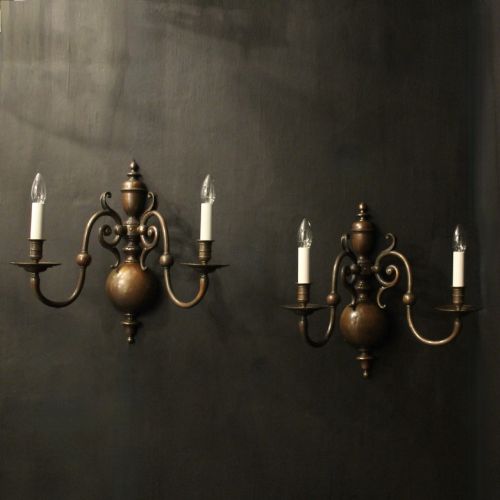
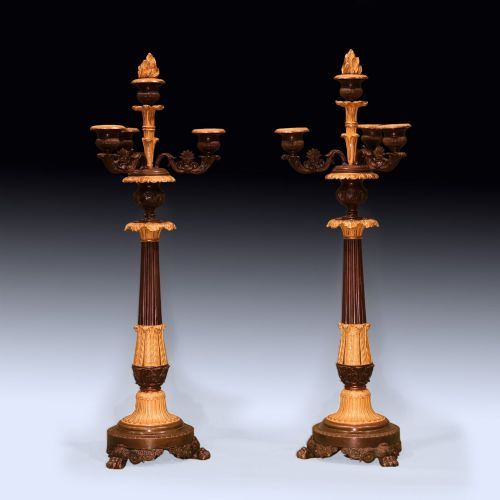
Period Bronze Light
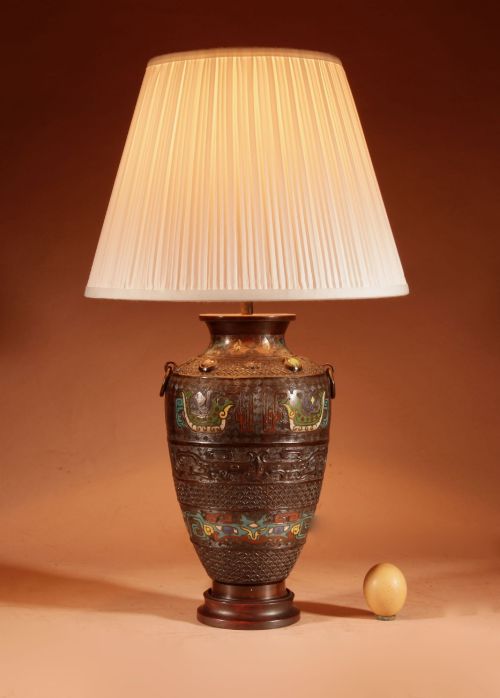
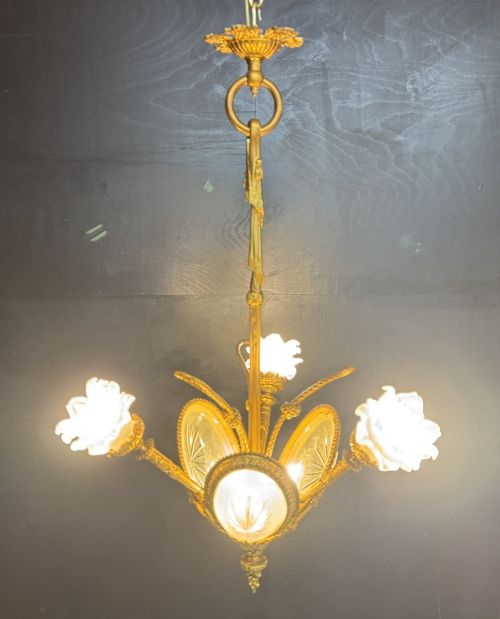
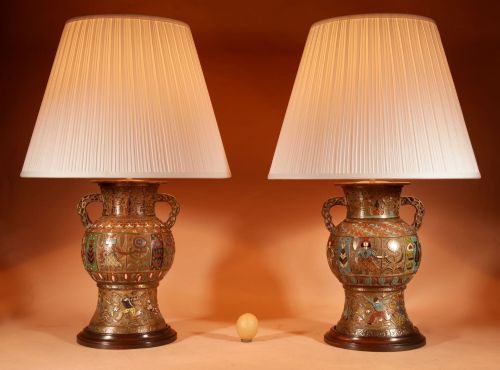
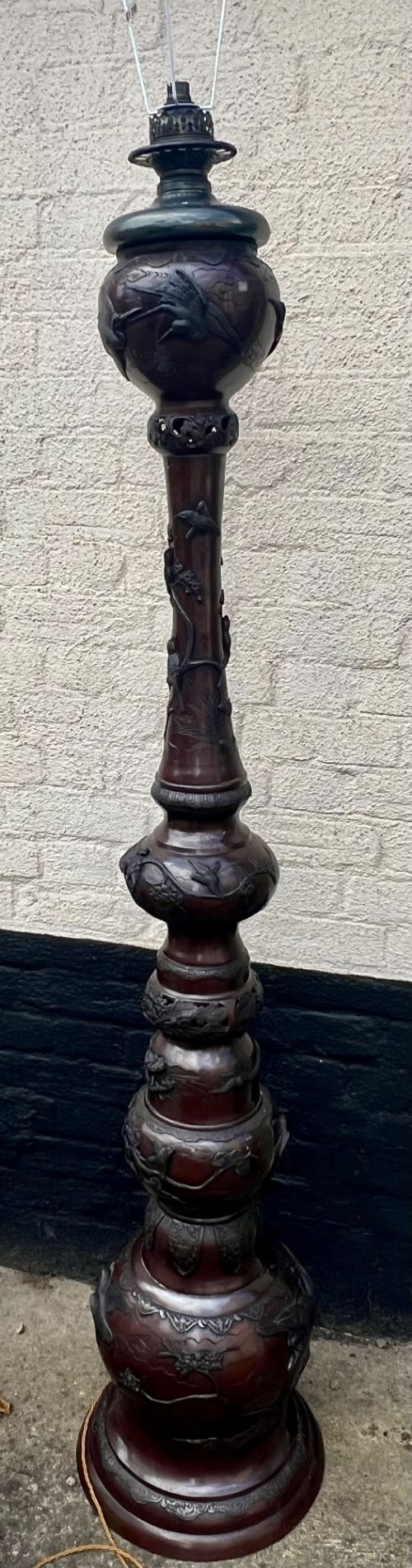
A period bronze light brings substance and warm illumination to a room, ranging from grand French chandeliers to detailed Japanese Meiji table lamps.
Period Bronze Light
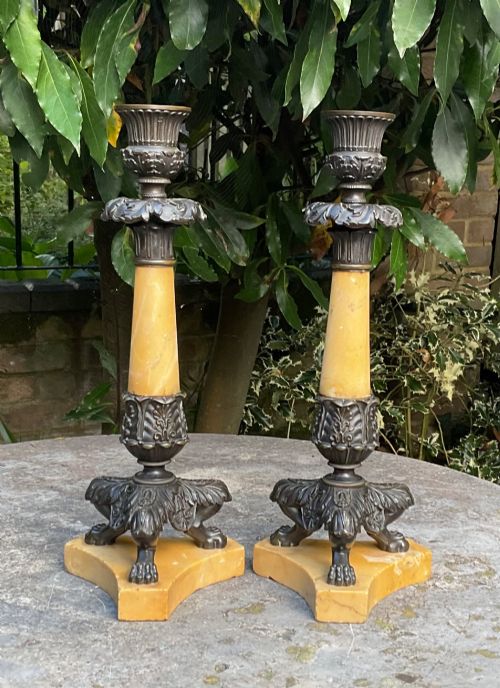
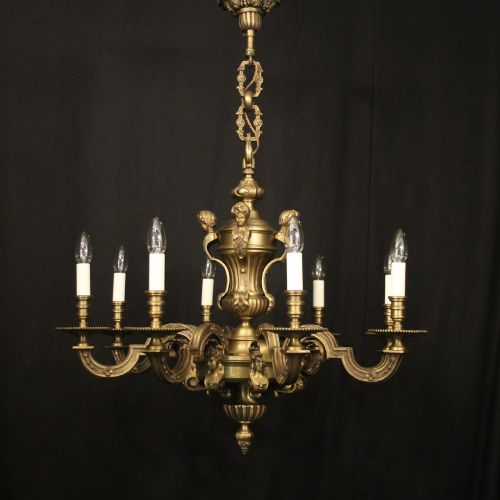
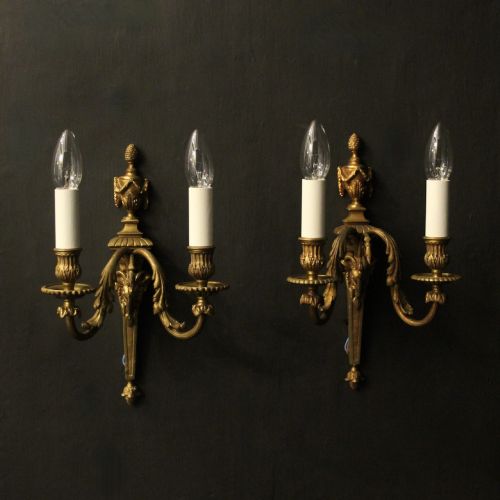
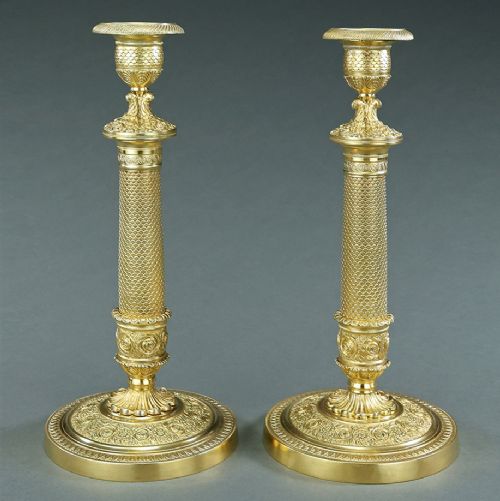
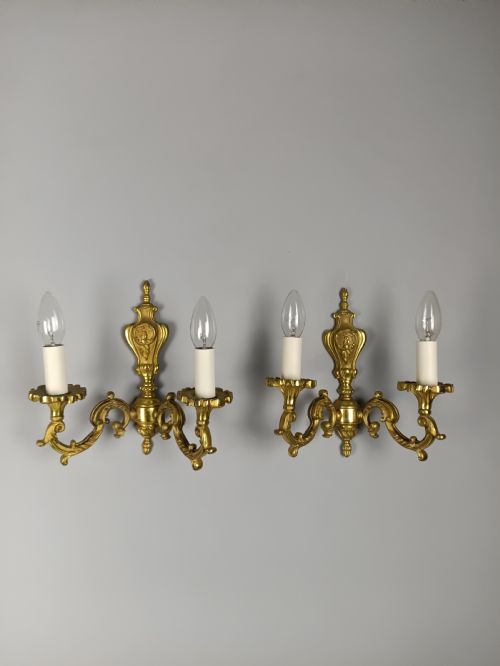
When searching for a period bronze light, buyers encounter a diverse array of lighting forms including table lamps, wall lights, candlesticks, chandeliers, candelabra, and oil lamps. These items span multiple eras from the 18th century through to the 1930s, encompassing English, French, and Japanese origins.
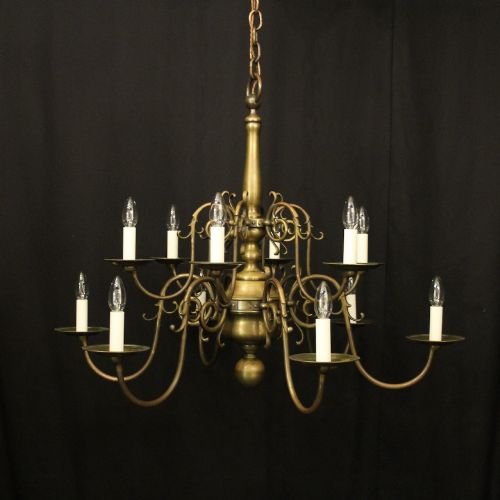
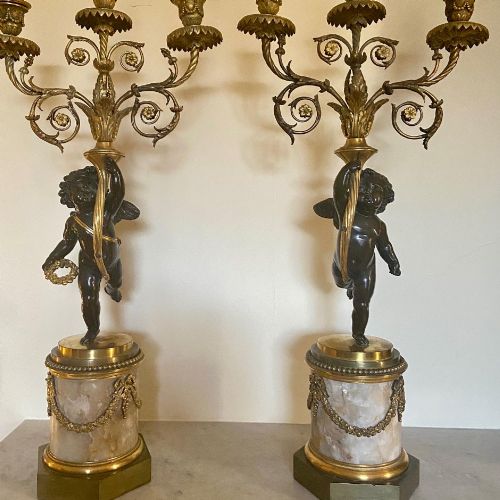
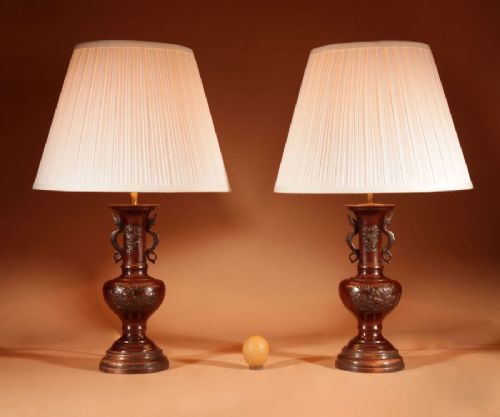
The most common configurations on this page are pairs of table lamps and wall lights, alongside multi-armed chandeliers. French Empire and Louis XVI styles frequently appear alongside Japanese Meiji period bronzes and English Georgian or Regency designs.
How they were made
These pieces utilise cast bronze, brass, and gilt bronze, often combined with complementary materials such as marble, crystal, glass, fabric, and enamel champlevé. Metalwork techniques involve traditional casting and chasing, supplemented by mercury gilding or ormolu finishes.
Many items incorporate patinated bronze alongside gilded elements to create tonal contrast, whilst others integrate natural stone bases like rouge marble, sienna marble, or fluorspar.
Period Bronze Light Retail Price Guide 2026
Typical asking prices for period bronze light among the pieces listed under this phrase on Sellingantiques today, from the lower quarter to the upper quarter. They describe what is for sale here now, not the wider market.
Materials recorded across the inventory include bronze, brass, gilt bronze, ormolu, crystal, and enamel.
What varies in quality
Quality in these lighting pieces rests upon the crispness of the metal casting and the depth of the chasing work on the bronze or ormolu surface. Finer examples display sharp anatomical detailing, clean relief work, and well-preserved fire gilding rather than flat or worn plating.
The integration of secondary materials also dictates the standard of the piece, seen in the selection of unblemished marble plinths, hand-cut crystal drops, and intricate enamel work.
Rabiat·G.E.C·Francois Redmond
The Period Bronze Light Glossary
- Ormolu
- Gilded bronze, where a layer of finely ground gold-mercury amalgam is applied to a bronze base and heated to drive off the mercury. This technique produces a durable, rich golden surface.
- Champlevé
- An enamelling technique where troughs or cells are hollowed out of the metal surface and filled with vitreous enamel powder before firing. It frequently appears on Japanese decorative pieces.
- Candelabra
- A branched lighting fixture designed to hold multiple candles or tapers simultaneously. Period examples often feature removable arms or central decorative figures.
- Patination
- The natural or induced coloration on the surface of bronze caused by oxidation or chemical treatment. It ranges from deep chocolate brown to greenish tones.
- Pricket candlestick
- A candlestick style that uses an upright metal spike to secure the base of the candle rather than a socket. These are common in earlier ecclesiastical and domestic lighting.
Period Bronze Light: Frequently Asked Questions
How do I identify a French Empire bronze light?
French Empire pieces typically draw upon classical antiquity, displaying motifs such as acanthus leaves, sphinxes, and military trophies cast in heavy bronze with contrasting gilt highlights.
They frequently rest upon squared marble plinths and exhibit a strict symmetry characteristic of the early 19th century.
Are Japanese Meiji bronze lamps original?
Many Japanese bronze pieces originate from the Meiji period between 1868 and 1912, initially created as decorative vases, censers, or temple items before being later converted into table lamps.
Conversion for electrical use is standard for these antique vessels, allowing them to function as modern lamps whilst retaining their original cast ornamentation.
What is the difference between ormolu and gilt bronze?
Ormolu and gilt bronze refer to the same foundational technique of applying gold to a bronze substrate, though the term ormolu is historically associated with French decorative arts.
Both terms describe a process where gold leaf or amalgam is bonded to the metal to prevent tarnishing and provide a bright golden finish.
How should I clean an antique bronze light?
Dusting gently with a soft, dry brush is generally sufficient for maintaining patinated or gilt bronze surfaces without removing the historic finish.
Harsh chemical polishes should be avoided, particularly on ormolu or patinated bronze, as they can strip away the original surface treatment.