

Period Brass Light
Period brass light selections span centuries of illumination, offering enduring metalwork and warm interiors for modern homes.
Period Brass Light
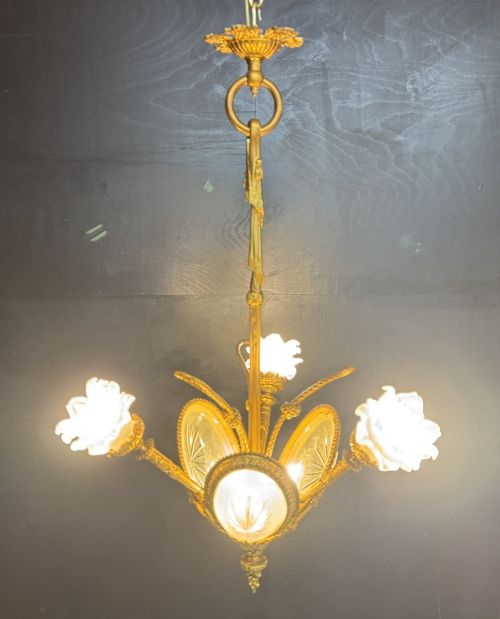
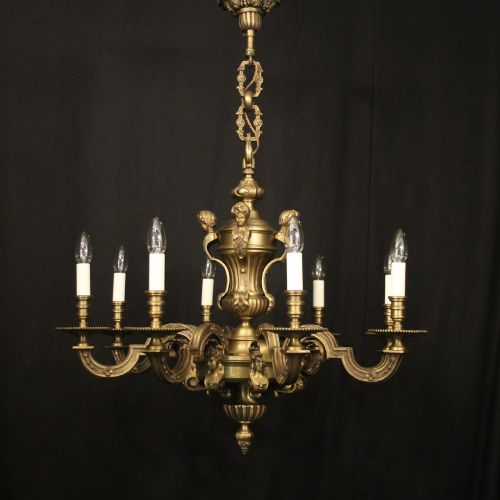
A period brass light brings historical illumination into contemporary spaces, drawing from centuries of domestic lighting design. Buyers searching for a period brass light encounter diverse forms ranging from early candlesticks to twentieth-century electric chandeliers.
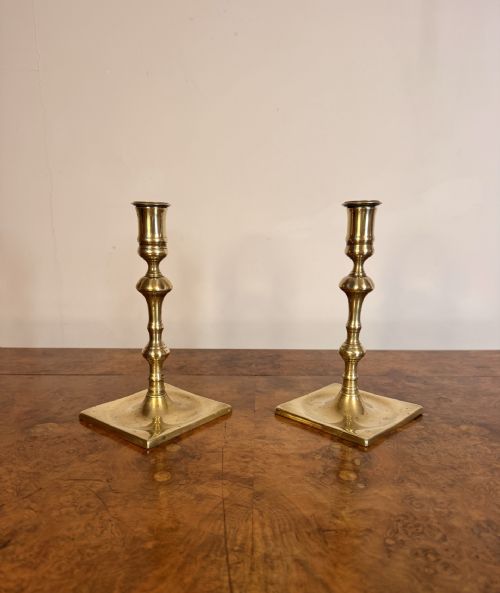
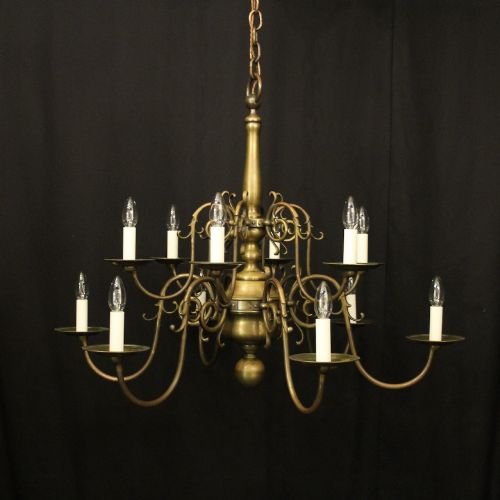
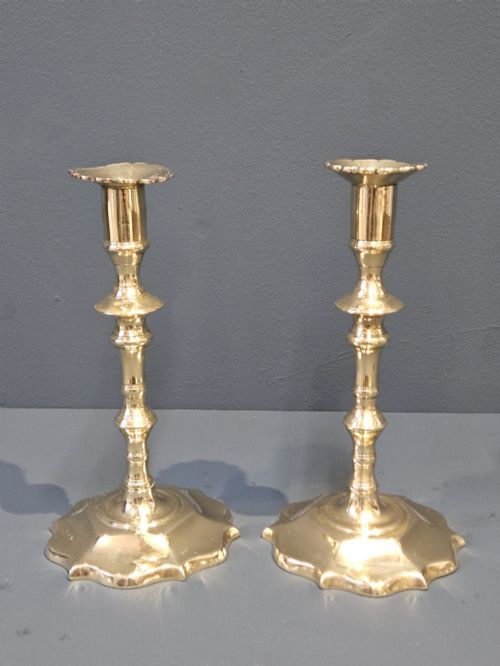
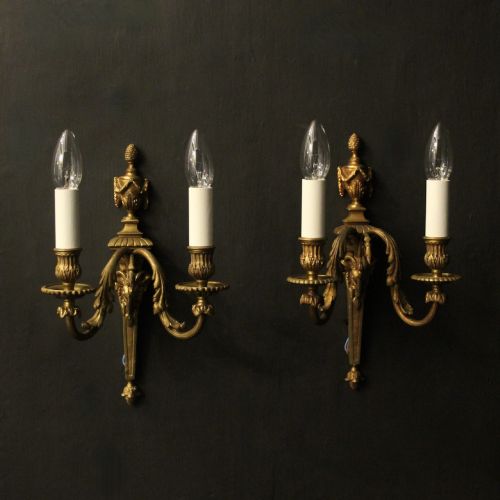
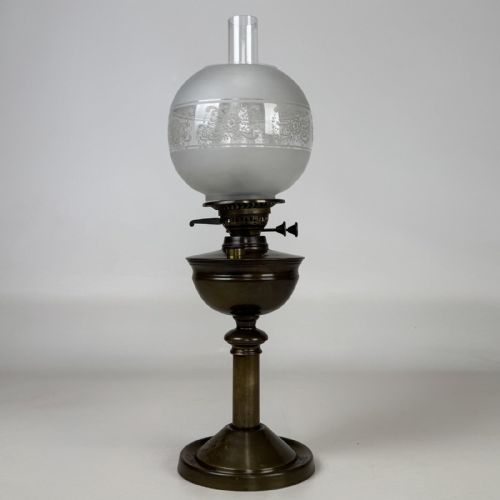
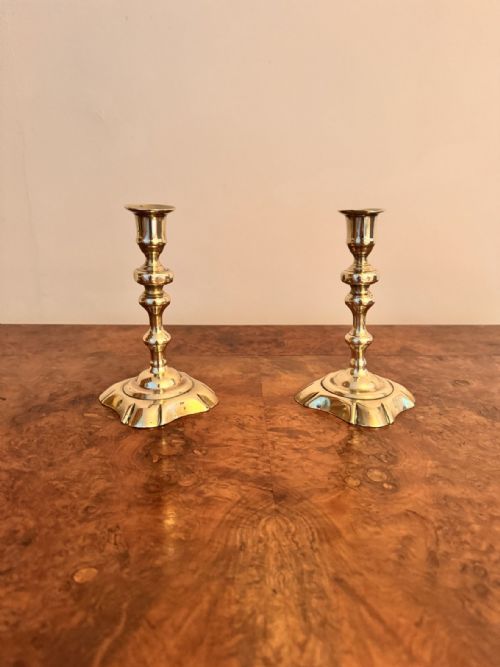
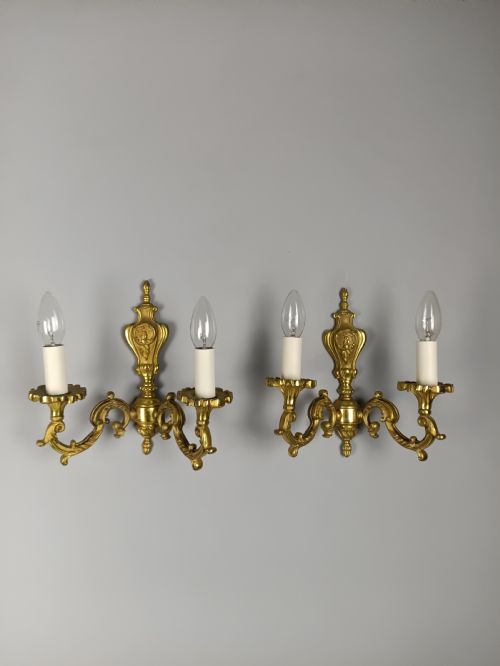
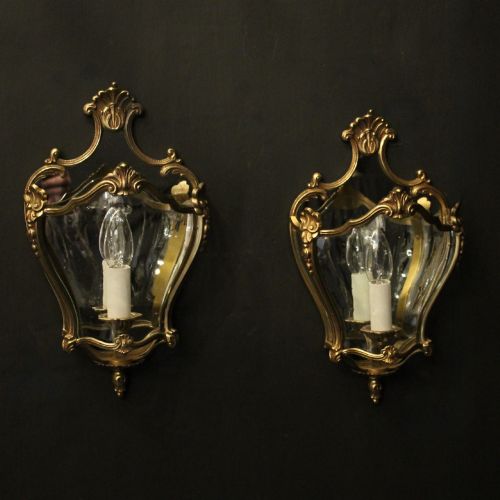
The selection on this page centres heavily on Georgian and Victorian brass work alongside Edwardian and Art Deco ceiling lights. Candlesticks, wall lights, and oil lamps dominate the forms, reflecting how homes were lit across different centuries.
Materials and Manufacture
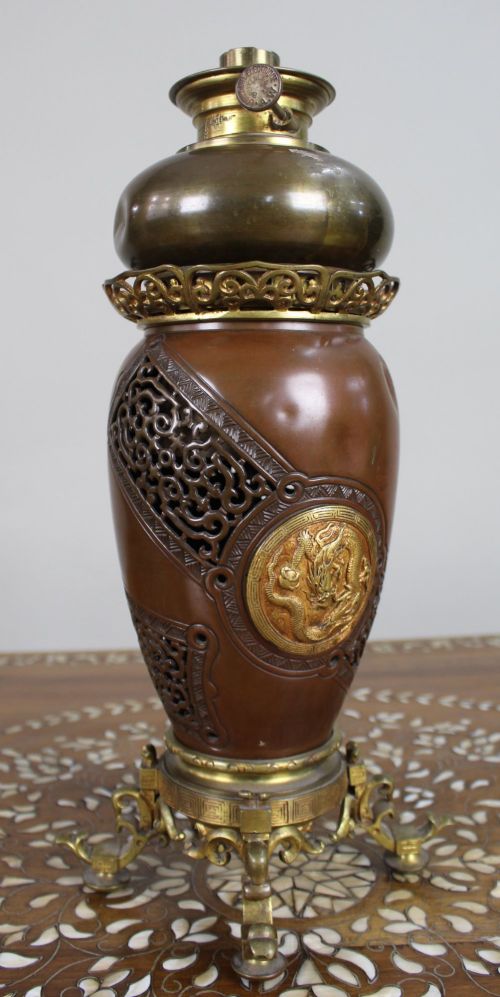
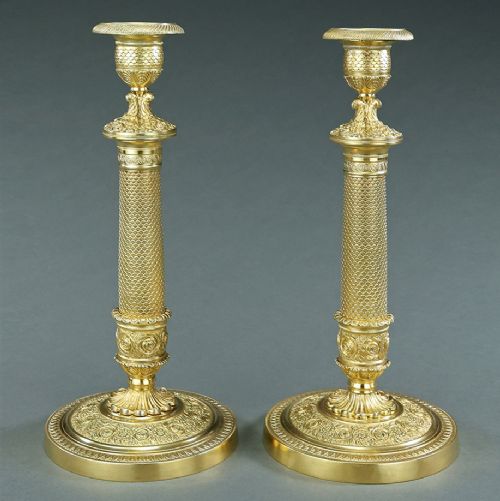
Makers utilised cast brass, bronze, and gilt bronze, often combining metalwork with cut glass shades or fabric elements. Seamed construction appears on eighteenth-century candlesticks, while later pieces employ heavier casting and applied ormolu mounts.
Surface treatments vary from polished brass to gilded finishes and champlevé enamel details. Many items began as oil or gas fixtures before conversion to electricity during subsequent decades.
Period Brass Light Retail Price Guide 2026
Typical asking prices for period brass light among the pieces listed under this phrase on Sellingantiques today, from the lower quarter to the upper quarter. They describe what is for sale here now, not the wider market.
Some nineteenth-century table lamps hid their fuel reservoirs beneath fierce cast brass griffins.
Factors of Quality
Quality rests in the crispness of the casting and the weight of the metal used in the construction. Finer examples retain sharp chasing on ormolu surfaces and maintain original components without excessive replacement parts.
Design ambition separates standard production items from exceptional workshop pieces. Matching pairs and complete sets command greater attention than isolated single fixtures.
Gustave Serrurier Bovy
The Period Brass Light Glossary
- Ormolu
- Gilded bronze applied to decorative metalwork and lighting fixtures. The technique creates a rich golden surface finish popular in French decorative arts.
- Champlevé
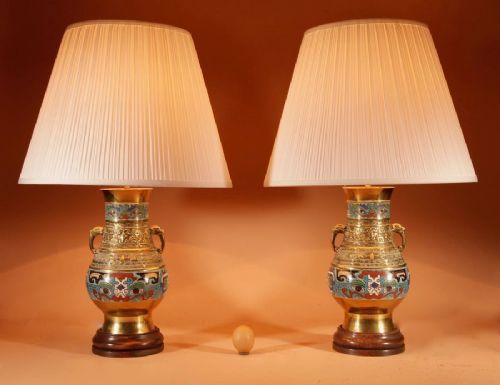
- An enamelling technique where troughs are dug into the metal surface and filled with vitreous colour before firing. This method appears on Japanese export pieces.
- Plafonnier
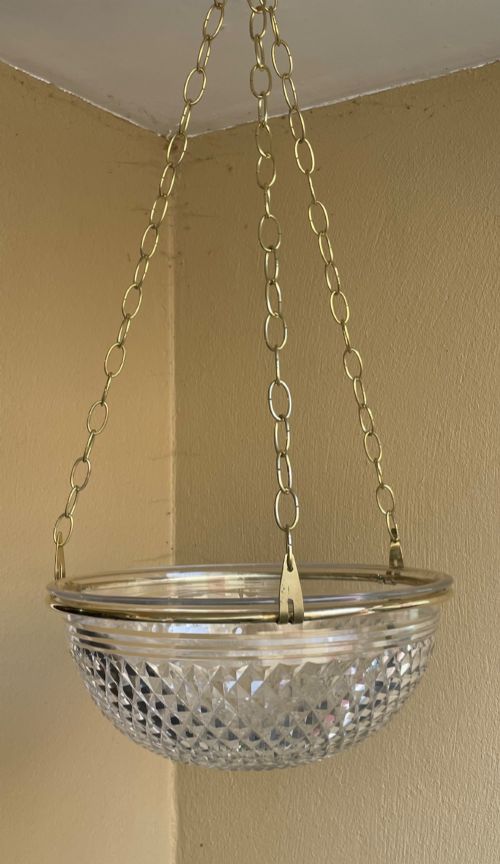
- A ceiling light fitted flush or close to the ceiling surface. These fixtures often utilise cut glass or moulded glass bowls.
- Pricket
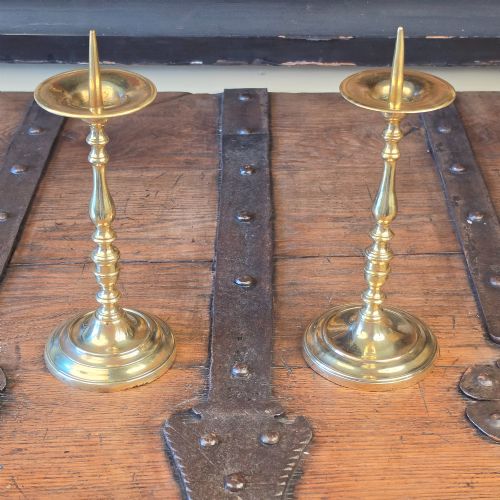
- A candlestick featuring a central spike that pushes directly into the base of a candle. This form is common in ecclesiastical or early liturgical lighting.
- Ejector
- A mechanical device incorporated into candlesticks to push out the remaining wax stub. Side levers operate the internal mechanism.
Period Brass Light: Frequently Asked Questions
How do I date a brass candlestick?
Dating relies on base construction, manufacturing marks, and the presence of ejector mechanisms. Early pieces often feature heavy petal bases or seamed shafts.
Later Victorian examples introduce heavier casting methods and more ornate decorative styles that reflect nineteenth-century industrial production.
Were these lights converted from oil?
Many hanging fixtures and table lamps began their lives burning oil, gas, or paraffin before later conversion to electricity. These adaptations allow historical metalwork to function safely in modern rooms.
Rewiring is standard practice for older metal lamps to meet contemporary electrical standards.
What is the difference between brass and bronze?
Brass is an alloy of copper and zinc, yielding a bright golden tone when polished. Bronze is an alloy of copper and tin, producing a deeper reddish-brown hue.
Both metals were widely utilised across the eighteenth and nineteenth centuries for durable lighting fixtures.
How do I clean antique brass?
Gentle dusting with a dry cloth preserves the aged patina that collectors value on antique metalwork. Heavy chemical polishes should be avoided to protect historical surfaces.
Consulting a professional restorer is recommended for pieces with delicate gilding or enamel inlay.