


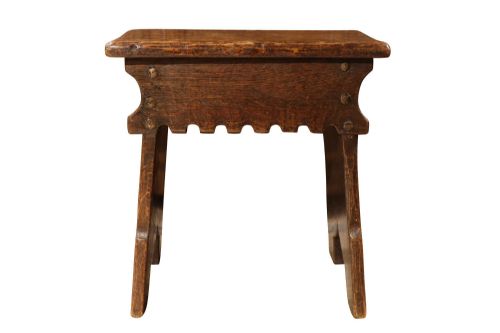


Pegged Wooden Stool
A pegged wooden stool is a solid, honest seat built with traditional joinery that brings centuries of history and enduring utility into a modern room.
Pegged Wooden Stool
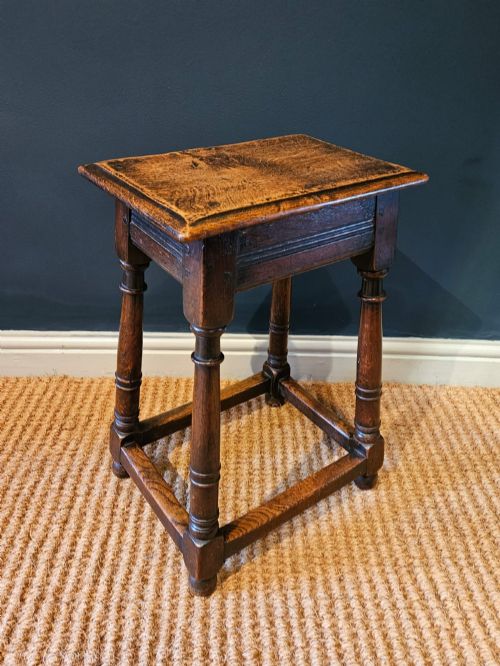
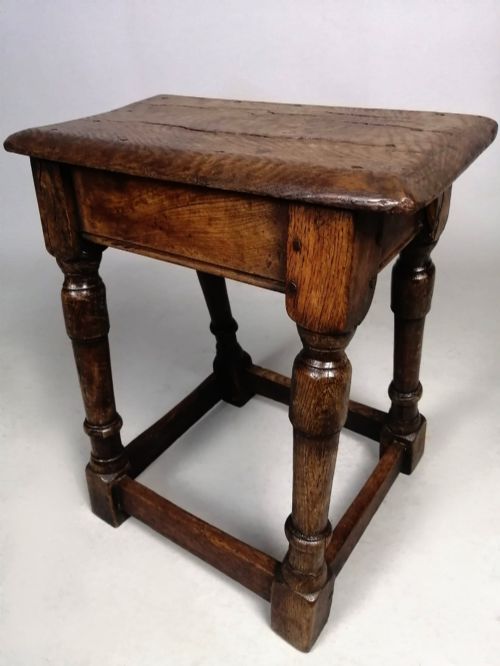
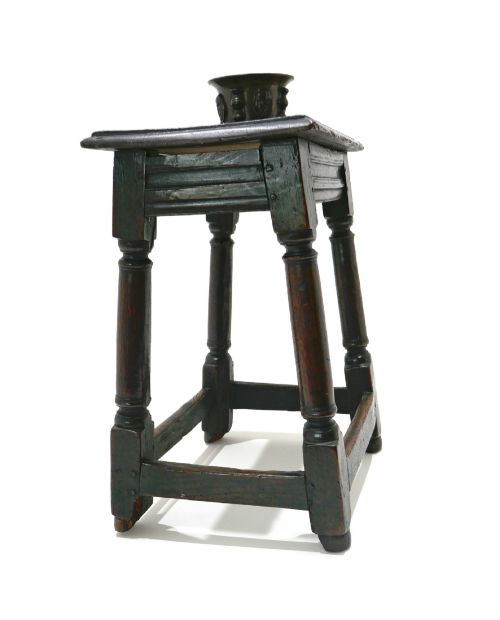
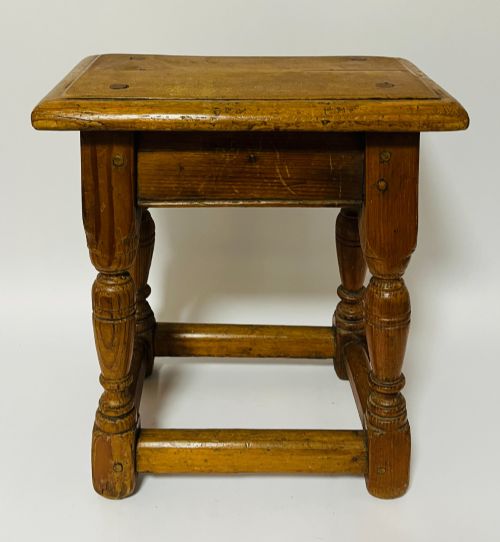
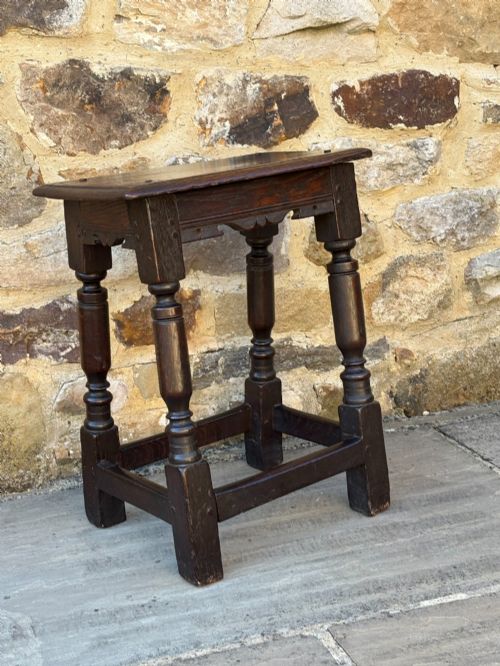
A pegged wooden stool stands as a sturdy seat defined by upright legs and tight-fitting joints secured with wooden pins rather than modern metal fixings. When you search for a pegged wooden stool, you encounter robust domestic furniture designed for daily service around the house.
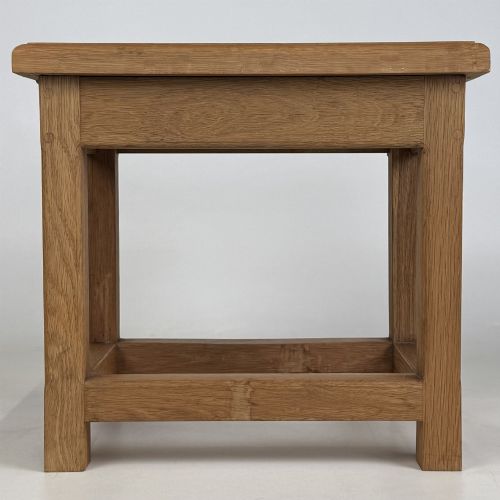
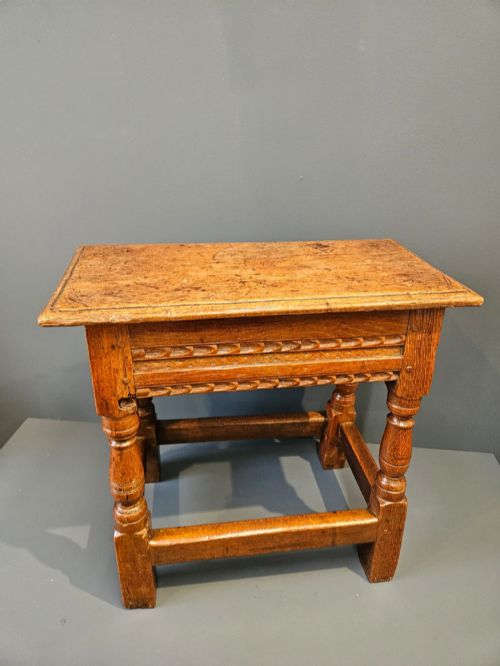
The selections span distinct periods, ranging from seventeenth-century originals to later nineteenth-century pieces and twentieth-century revivals in the Jacobean and rustic farmhouse styles. Oak forms the primary material, alongside pine and walnut, shaped into traditional joint stools and low benches.
You are most likely to meet sturdy oak examples that follow seventeenth-century styles or date directly to that period, alongside later rustic country interpretations from the Victorian and Edwardian eras. These pieces offer a direct connection to historical carpentry methods through their straightforward forms and durable construction.
How they were made
Craftsmen built these items primarily from native English hardwoods such as oak and walnut, occasionally turning to pine for simpler regional pieces. Timber was selected for strength and seasoned before being shaped by hand into structural uprights and flat tops.
Joints relied on mortise and tenon construction, secured permanently by driving wooden pegs through the overlapping wood. This pegged construction allowed the frame to withstand heavy movement without relying on glue or metal nails.
Pegged Wooden Stool Retail Price Guide 2026
Typical asking prices for pegged wooden stool among the pieces listed under this phrase on Sellingantiques today, from the lower quarter to the upper quarter. They describe what is for sale here now, not the wider market.
Current listings span from the seventeenth century through the Edwardian era, featuring oak, pine, and walnut in traditional forms.
What varies in quality
The character of the timber dictates much of the distinction between examples, with deeply figured English oak and rich walnut commanding greater appreciation than plain pine. Grain density and the warmth of the natural patina reflect the age and original selection of the wood.
The integrity of the pegged joints determines the structural merit of each seat. Original pegs and tight, uncompromised frame connections separate enduring examples from those altered or weakened by centuries of heavy use.
The Pegged Wooden Stool Glossary
- Joint stool
- A sturdy wooden seat constructed with mortise and tenon joints by a joiner rather than a carpenter. These pieces served versatile roles in domestic life before chairs became common.
- Pegged construction
- A method of securing timber joints by driving a wooden dowel through closely fitted holes. This traditional technique eliminates the need for metal fasteners.
- Jacobean style
- Design characteristic of the early seventeenth century, featuring heavy proportions, turned legs, and austere geometric decoration. Revival versions appeared in later centuries.
- Bleached oak
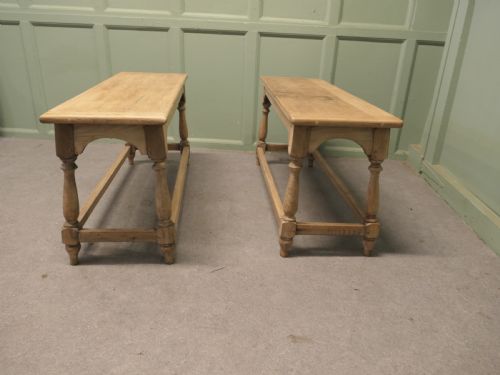
- Timber that has undergone a process to lighten its natural tone. This finish emphasises the open grain while offering a paler surface suited to contemporary interiors.
Pegged Wooden Stool: Frequently Asked Questions
What is a pegged wooden stool used for?
These pieces served as reliable household seats, stepping platforms, and small side tables in early domestic settings. Their sturdy frames allowed them to handle heavy daily tasks around the home.
Today, they function well as occasional seating, bedside tables, or display stands for plants and lamps. Their compact size makes them adaptable to almost any room.
How do I identify a seventeenth century stool?
Seventeenth century examples display heavy oak timbers, hand-cut mortise and tenon joints, and pegged construction without modern hardware. They often feature turned legs and subtle edge moulding.
Surface wear on these early pieces typically shows deep patination and softening of the wood edges from centuries of handling. True period examples also reveal tool marks left by early hand-working methods.
Are pine stools as old as oak ones?
Pine examples tend to date from later periods, such as the nineteenth century, as oak was the preferred timber for earlier high-status vernacular furniture. Pine served domestic and utility roles where lighter wood sufficed.
While pine items may lack the antiquity of seventeenth-century oak, they bring a distinct rustic character and lighter visual weight to a space. Their construction methods remain traditional despite the softer wood.
How do I care for antique wooden seats?
Protect the timber by keeping the piece away from direct heat sources and sudden humidity changes that can cause the wood to split. Regular dusting with a dry cloth maintains the surface without buildup.
Apply occasional applications of traditional wax to nourish the grain and preserve the historic patina. Avoid modern liquid polishes that contain silicones and alter the finish.