
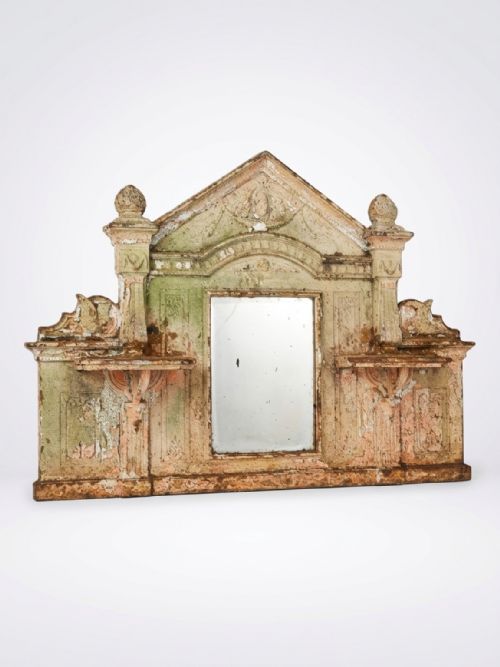
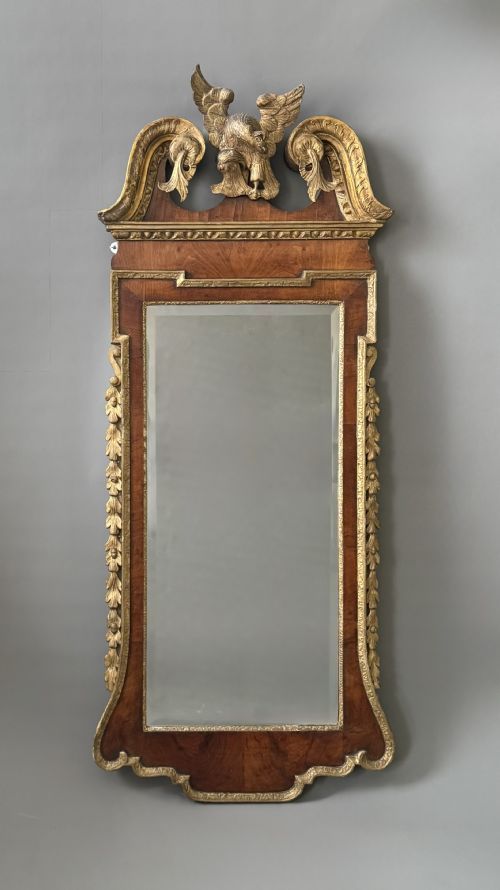
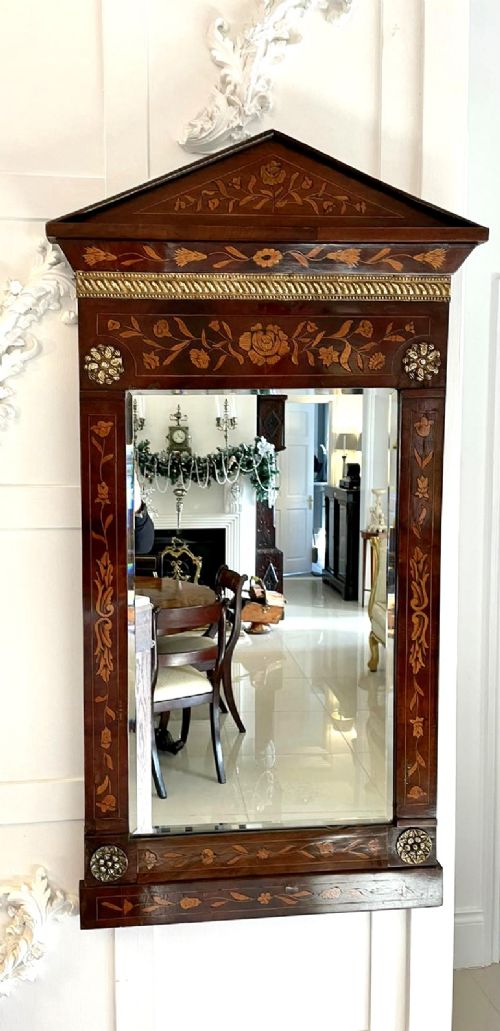


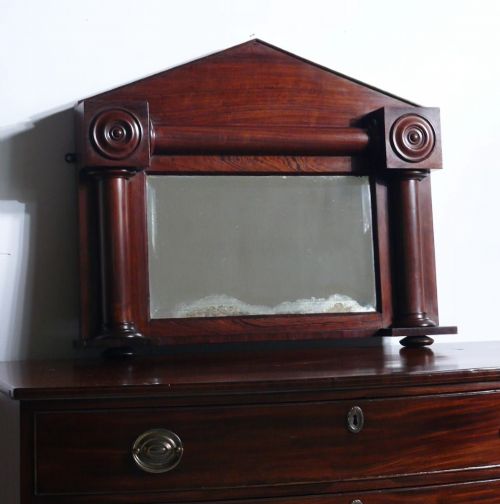
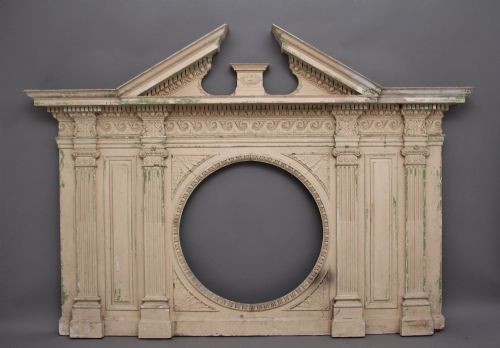


Pedimented Mirror Frame
A pedimented mirror frame delivers classical architectural presence to an interior through its prominent top gable.
Pedimented Mirror Frame
A pedimented mirror frame displays an architectural crown above the glass, drawing inspiration from classical building facades and temple fronts. When searching for a pedimented mirror frame, buyers encounter wall mirrors, overmantels, and pier mirrors spanning from the eighteenth century into the twentieth century.
Origin and regional craftsmanship vary across the inventory, with English, Swedish Biedermeier, Italian Renaissance revival, and French burr walnut pieces appearing alongside standard domestic forms. Wall mirrors and larger overmantels dominate the selection, often featuring carved crestings or integrated tabernacle elements.
Distinguishing quality in construction and design
The refinement of the carved ornament and the depth of the architectural pediment distinguish finer examples from simpler wall hangings. Superior pieces exhibit precise joinery in timbers like figured walnut and mahogany, combined with crisp gesso work and well-preserved gilding.
Proportion and scale dictate the visual impact of the frame, with larger overmantels and pier mirrors requiring balanced ornamentation to support their architectural pretensions. The presence of original glass plates and cohesive period details further elevates the standing of an individual piece.
Swedish birchwood and Dutch marquetry bring unexpected continental flair to a lineup dominated by classic British mahogany.
The Pedimented Mirror Frame Glossary
- Pediment
- An architectural gable crowning the top of the mirror frame, appearing in triangular, broken, or arched forms. It defines the classical silhouette of the piece.
- Parcel-gilt
- Partially gilded woodwork where gold leaf highlights specific carved details against a contrasting painted, ebonised, or wood-grained surface. This technique adds depth to the frame.
- Gesso
- A plaster-based mixture applied to wood frames and carved to create raised ornamental details before gilding or painting. It provides a smooth base for decorative work.
- Pier Mirror
- A tall mirror designed to hang on the wall space between windows, often reflecting light into the room. These frequently feature elaborate architectural pediments.
- Tabernacle Frame
- A rigid architectural frame resembling a shrine or temple front, complete with pilasters and a pediment. Renaissance and revival examples often use this format.
Pedimented Mirror Frame: Frequently Asked Questions
Where should I hang a large overmantel mirror?
Large overmantels traditionally sit above a fireplace mantelpiece to anchor the room and reflect natural light from windows.
Ensure the wall structure supports the substantial weight of these large wooden and glass frames before hanging.
How do I identify a Georgian mirror?
Georgian mirrors typically utilise walnut or mahogany timbers, often featuring parcel-gilt details and classical architectural pediments reflecting eighteenth-century design.
Proportions remain balanced, and construction methods involve period joinery techniques characteristic of the era.
What is parcel gilding?
Parcel gilding involves applying gold leaf to specific carved areas while leaving the surrounding wood or paint exposed.
This technique highlights architectural mouldings and pediments without covering the entire wooden surface.
Are these mirrors suitable for hallways?
Tall hall mirrors and pier mirrors fit narrow wall spaces effectively while providing a functional reflective surface.
Ebonised and mahogany framed variations from the nineteenth century suit hallway interiors particularly well.