


Pedestal Center Table
A pedestal centre table anchors a room with timber grain and balance, offering a freestanding surface designed to be viewed from every side.
Pedestal Center Table
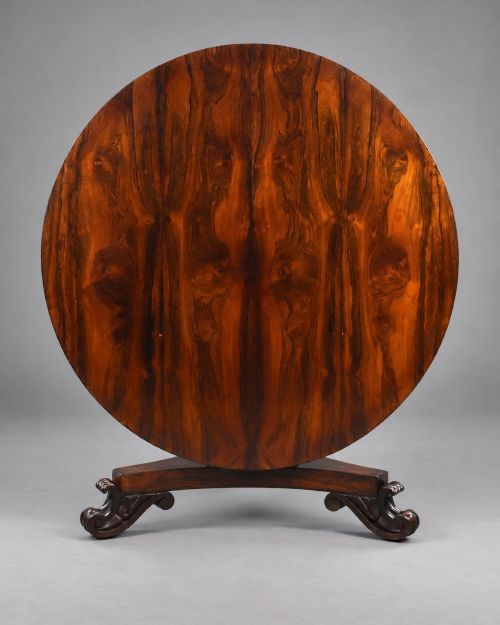
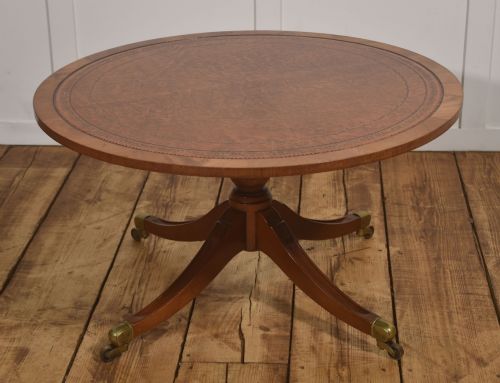
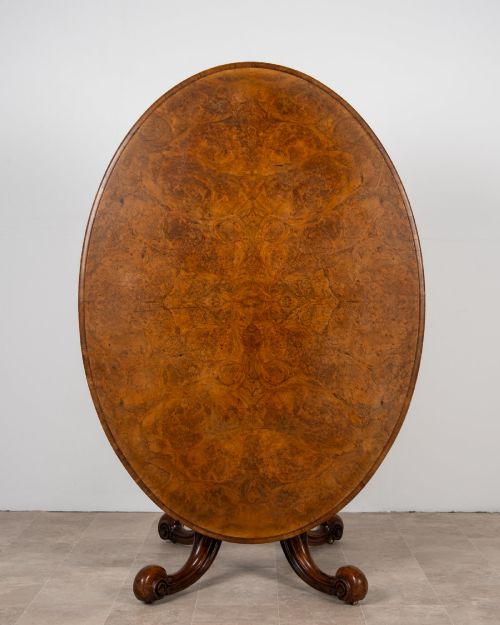
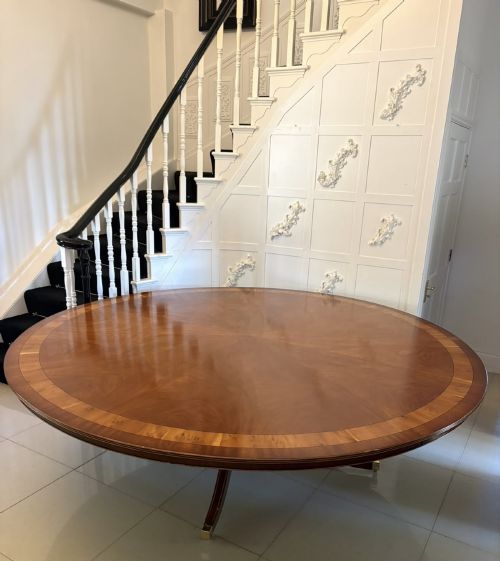
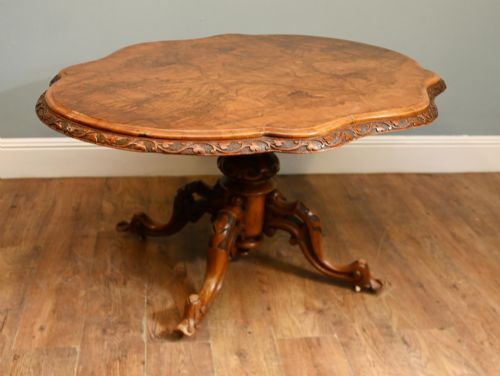
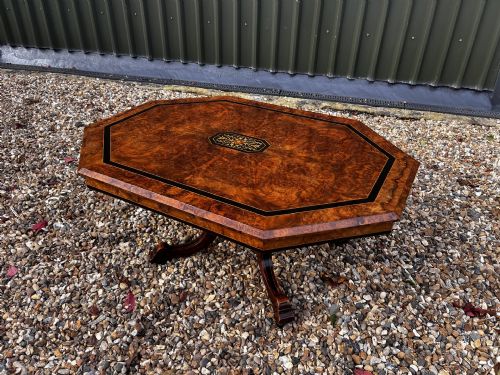
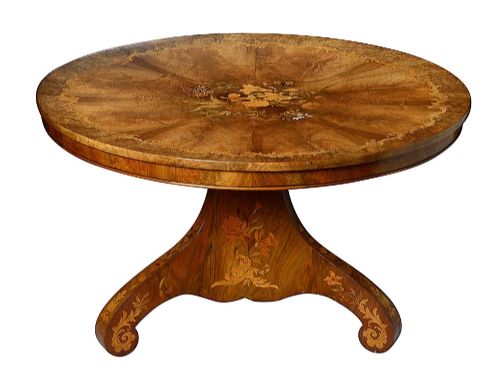
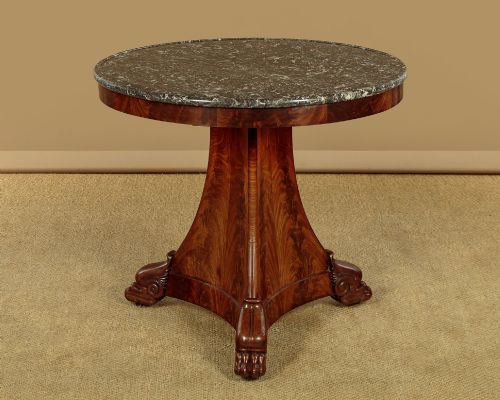
A pedestal centre table stands independently in the middle of a room rather than against a wall, serving diverse functions from breakfast dining to library use. The pieces seen here span the Georgian, Regency, William IV and Victorian eras, alongside continental and colonial examples.
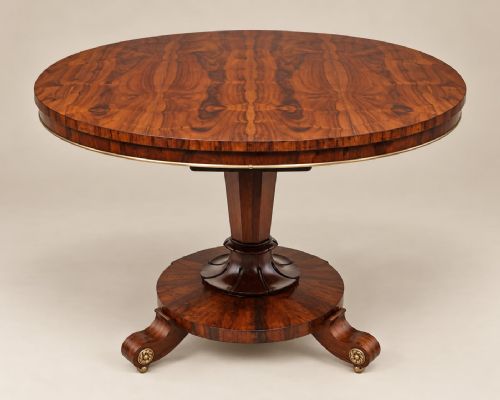
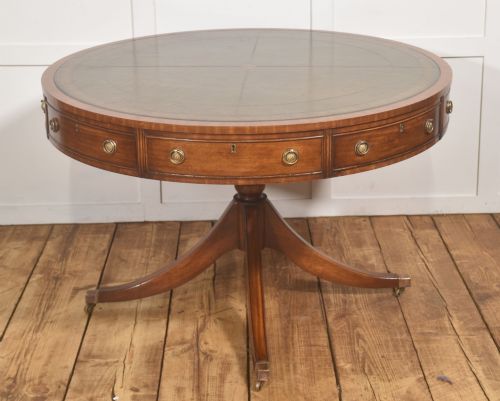
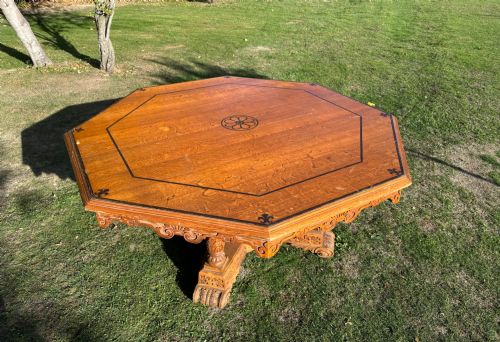
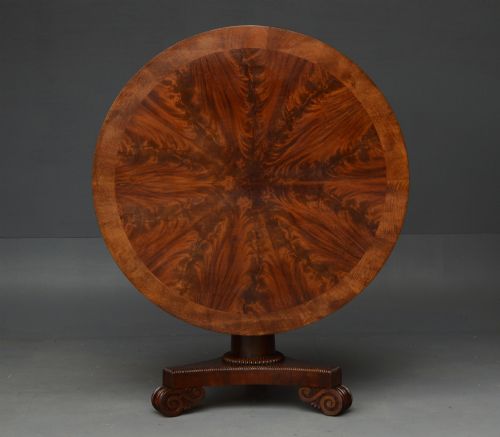
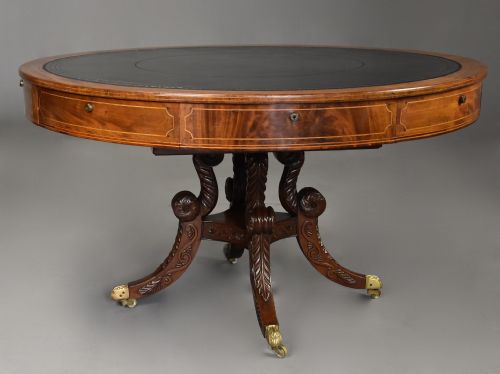
Most entries belong to the nineteenth century, utilising mahogany, rosewood and walnut formed into circular, oval or octagonal shapes. Buyers will encounter tilt-top breakfast tables, drum tables with drawers, and heavy pedestal dining formats supported by carved pillars and plinth bases.
Materials and construction
Cabinetmakers constructed these tables using dense timbers like mahogany, rosewood and burr walnut, frequently applied as veneers over secondary woods to display striking grain patterns. Specialised pieces incorporate exotic materials such as satin birch, gonçalo alves, ebony and specimen marbles.
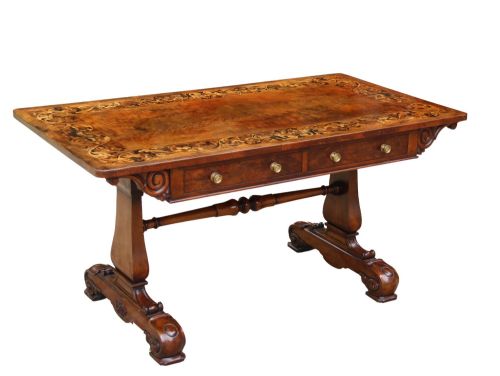
Joinery methods include boxwood and ebony inlay, marquetry, and parquetry work. Heavy central pillars often transition into tripartite or quadrupartite foot platforms, sometimes accented with brass inlay or castors for mobility.
Pedestal Center Table Retail Price Guide 2026
Typical asking prices for pedestal center table among the pieces listed under this phrase on Sellingantiques today, from the lower quarter to the upper quarter. They describe what is for sale here now, not the wider market.
Listings feature mahogany, rosewood, walnut, and burr walnut across Georgian, Regency, and Victorian periods.
Craftsmanship and timber selection
Quality rests in the choice of timber figure, from highly figured mahogany to rich burr walnut and exotic tropical hardwoods. The depth of hand-carving on the pedestal pillar and the precision of marquetry or brass inlay distinguish superior workshops.
Structural integrity in the tilting mechanism or the stability of the central column assembly determines how well a table survives daily use. Maker attribution to known firms like Gillows or Ralph Turnbull elevates certain examples.
Ralph Turnbull·Gillows
The Pedestal Center Table Glossary
- Tilt-top table
- A table with a tabletop that hinges vertically to store flat against a wall when not in use. This mechanism relies on a brass or iron catch beneath the surface.
- Drum table
- A circular library table containing a deep top fitted with alternating drawers and faux drawers around the perimeter. It typically sits on a single central column.
- Marquetry
- Decorative veneer work arranged in pictorial or geometric patterns using various coloured woods. Craftsmen cut these designs precisely to fit flush into the surface.
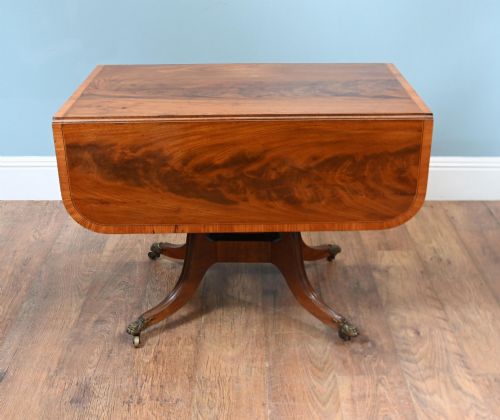
- Sofa table
- A rectangular freestanding table traditionally placed in front of a sofa, featuring drop leaves on opposite ends. These often include small drawers beneath the top.
Pedestal Center Table: Frequently Asked Questions
Where should I place a pedestal centre table?
These tables function best in the middle of a room where their freestanding design and finished undersides remain fully visible. They provide practical surfaces for lamps, books, or dining without crowding wall space.
Ensure adequate clearance around the base so chairs or foot traffic can circulate freely without obstruction.
How do I identify a tilt-top mechanism?
Look beneath the tabletop where the column meets the frame to find a release catch or pivoting block. This hinge allows the surface to lock flat for use or tilt upright when stored.
Original hardware from the Georgian and Victorian periods should operate smoothly without excessive lateral play in the joint.
What is the difference between a centre table and a dining table?
Centre tables are generally smaller and designed as versatile decorative furniture for halls, libraries, or drawing rooms. Dining versions scale up in diameter to seat multiple guests comfortably for meals.
Many nineteenth-century examples bridge this gap through tilt-top formats that served dual purposes depending on the room layout.
How do I care for rosewood and mahogany surfaces?
Maintain timber surfaces by dusting with a soft dry cloth and applying traditional beeswax sparingly to nourish the grain. Avoid placing tables in direct sunlight or near heat sources to prevent veneer splitting.
Promptly wipe away moisture to protect polished finishes from water rings and staining.