




Pedestal Bonbon Dish
These pedestal bonbon dish examples bring elegance to any table, offering raised bowls and baskets crafted in silver and glass.
Pedestal Bonbon Dish
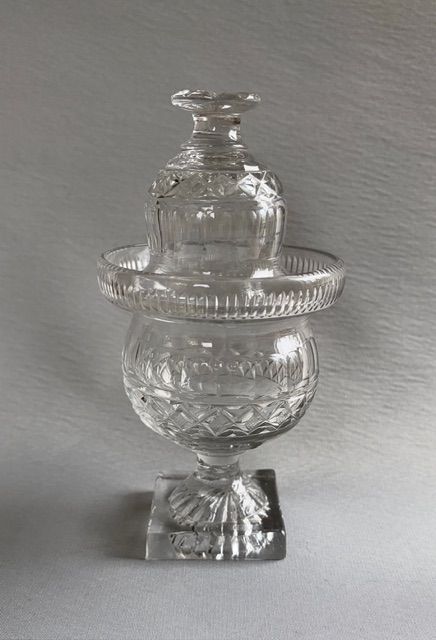
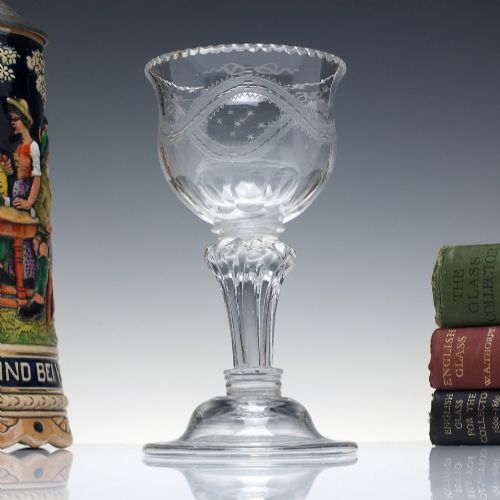
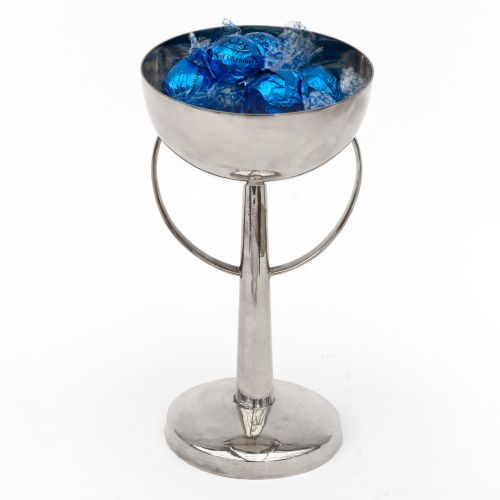
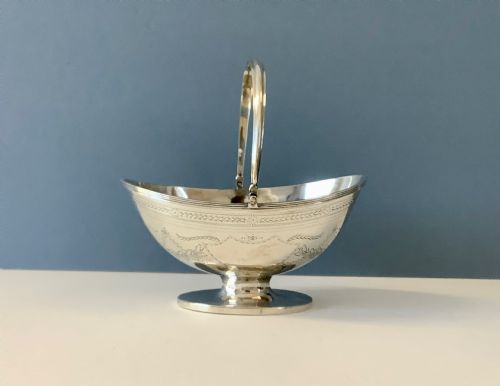
A pedestal bonbon dish sits raised on a foot or stand, taking the form of open bowls, sweet stands, and baskets designed for table service. The selection includes sugar baskets, trinket dishes, and tazzas that elevate small confections or adorn the dining space.
Examples span from Victorian and Georgian periods through Edwardian, Art Nouveau, and Mid-Century eras. Buyers most frequently encounter nineteenth-century sterling silver sugar baskets alongside silver plated and glass-lined dessert dishes.
Materials and Construction
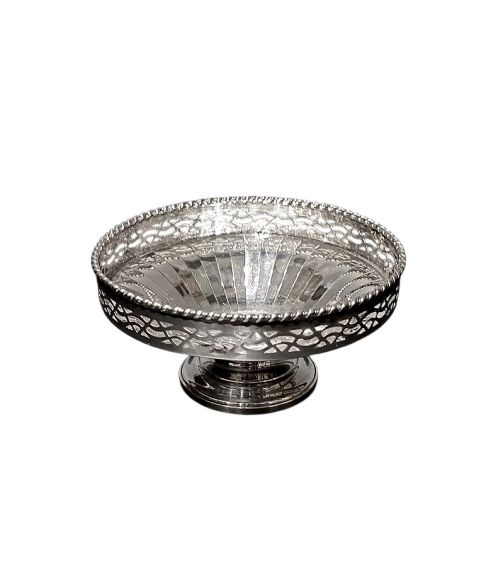
Silversmiths utilised sterling silver and silver plate, often shaping metal through piercing, embossing, and lattice work to create ornate baskets and bowls. Some vessels incorporate contrasting materials such as fitted glass liners or gilt interiors.
Manufacturers applied specific techniques for different styles, ranging from flowing Art Nouveau curves to traditional Rococo Revival detailing and geometric Art Deco lines.
Pedestal Bonbon Dish Retail Price Guide 2026
Typical asking prices for pedestal bonbon dish among the pieces listed under this phrase on Sellingantiques today, from the lower quarter to the upper quarter. They describe what is for sale here now, not the wider market.
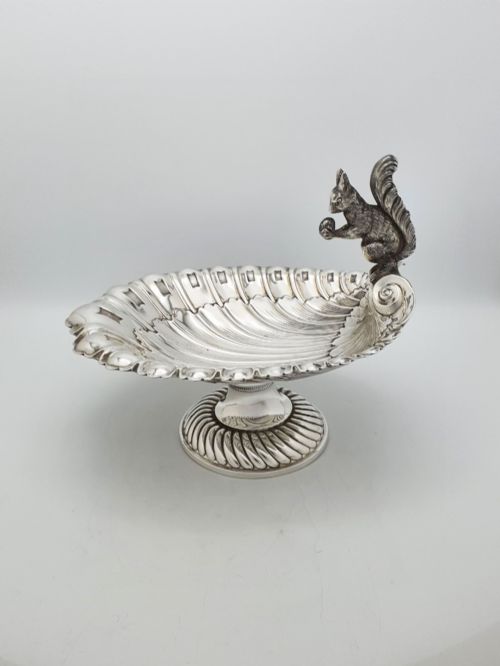
Squirrels occasionally join the silverware table, as seen in whimsical metal nut dishes perched upon decorative pedestals.
Distinguishing Quality
The standard of a pedestal bonbon dish rests on the crispness of its embossed detailing and the complexity of its pierced or lattice work. Superior pieces display harmonious proportions between the raised bowl and its pedestal foot.
The integrity of hallmarks, the presence of original glass liners, and the retention of gilt interiors elevate certain examples above standard tablewares.
Viners and Co·James Deakin and Sons·WMF
The Pedestal Bonbon Dish Glossary
- Hallmark
- An official stamp applied to precious metals indicating purity, maker, and year of assay. These marks provide definitive provenance for silver pieces.
- Tazza
- A shallow bowl or cup mounted on a pedestal stem and foot. This form serves sweets, fruit, or small confections.
- Gilt interior
- A gold wash applied to the inside of a silver bowl or dish. This treatment protects the silver from acidic contents.
- Pierced work
- Metal perforated with decorative patterns to create open lattice designs. This technique lightens the visual weight of silver baskets.
Pedestal Bonbon Dish: Frequently Asked Questions
What is a pedestal bonbon dish used for?
These elevated vessels traditionally served sweets, bonbons, and sugar lumps on the dining table or drawing room sideboard. Their raised design made confections easily accessible during formal gatherings.
Today, collectors utilise them to display small decorative items, hold trinkets, or simply as striking tabletop ornaments that showcase period metalwork.
Are glass liners original?
Many dessert dishes and sweet stands were manufactured with fitted glass liners to protect the metal from sticky confectionary contents. Surviving original liners add completeness to the piece.
When inspecting a piece with glass, look for secure fitting and period-appropriate thickness that matches the age of the silver basket.
How should I clean silver bonbon dishes?
Maintenance involves gentle washing with warm soapy water and a soft cloth to remove dust and tarnish buildup. Avoid harsh abrasive cleaners that can damage fine embossing or wear away silver plating.
For sterling pieces, occasional use of a reputable silver polish helps maintain the natural shine without harming the delicate lattice or pierced work.