


Patterned Seat Chairs
Patterned seat chairs span centuries of seating, bringing texture and pattern into rooms through varied upholstery and timber frames.
Patterned Seat Chairs
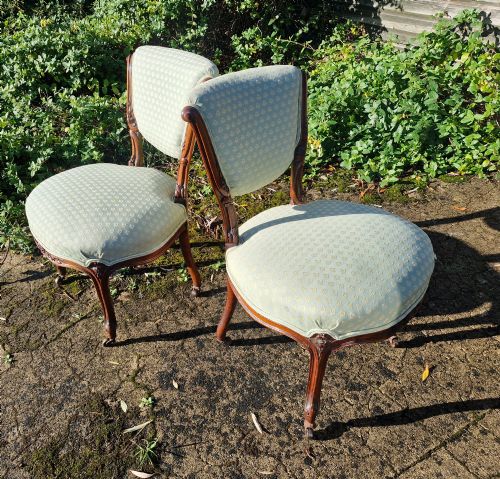
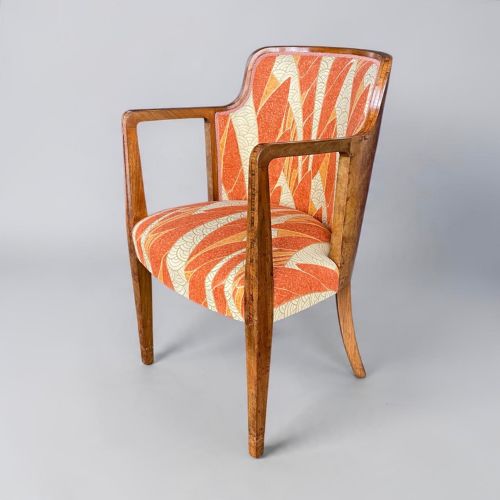
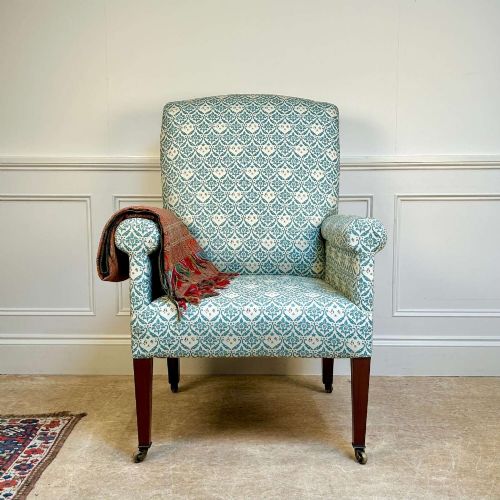
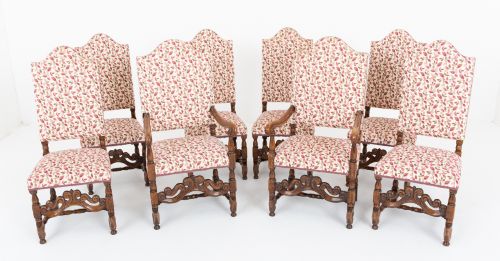
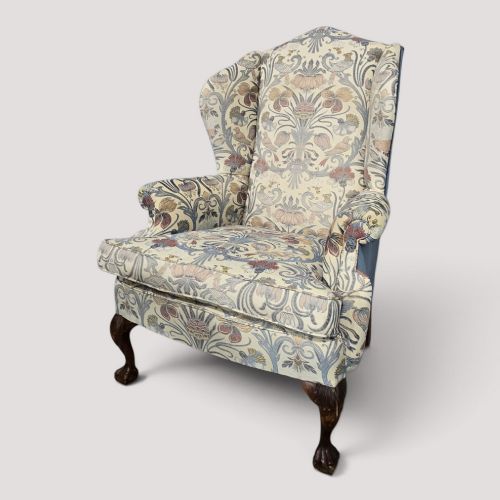
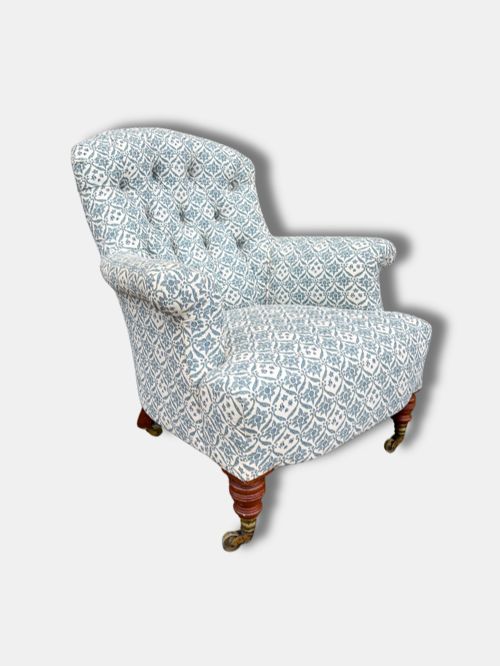
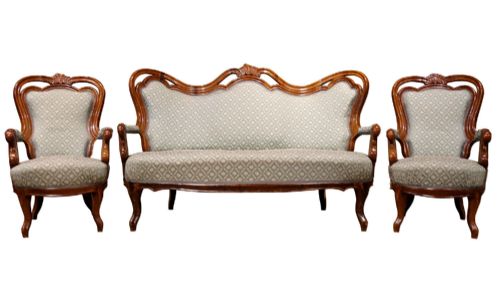
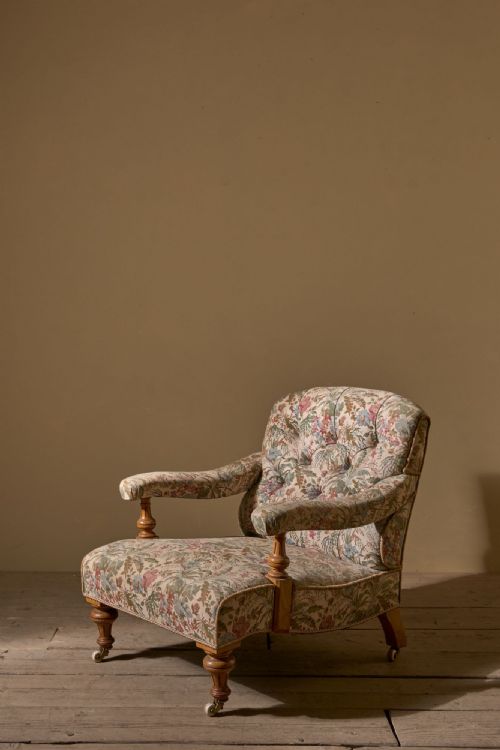
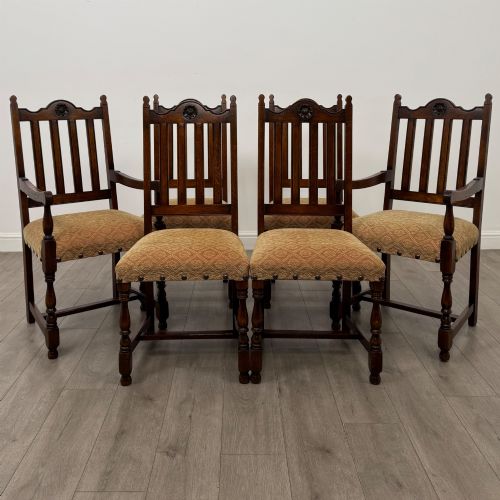
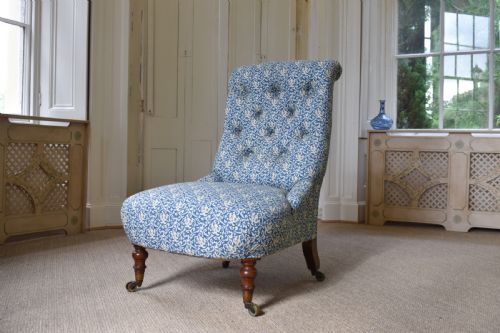
Patterned seat chairs encompass a wide variety of seating forms designed for different rooms and functions. Buyers encounter dining chairs, armchairs, salon suites, side chairs, and slipper chairs across this selection.
The periods represented stretch from the 18th century through the Victorian and Edwardian eras into the 1930s. Styles range from Georgian and George II designs to Jacobean Revival, Art Deco, and French Renaissance Revival.
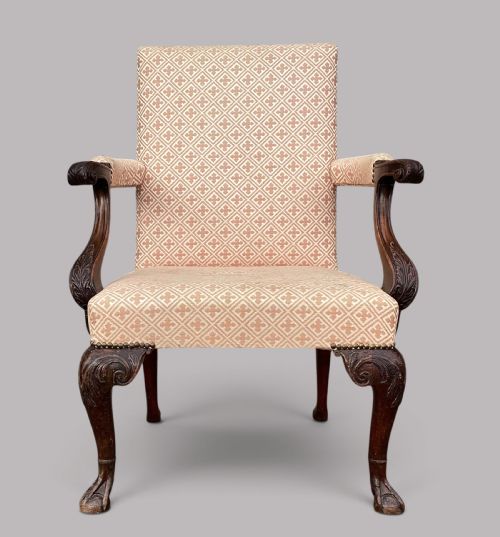
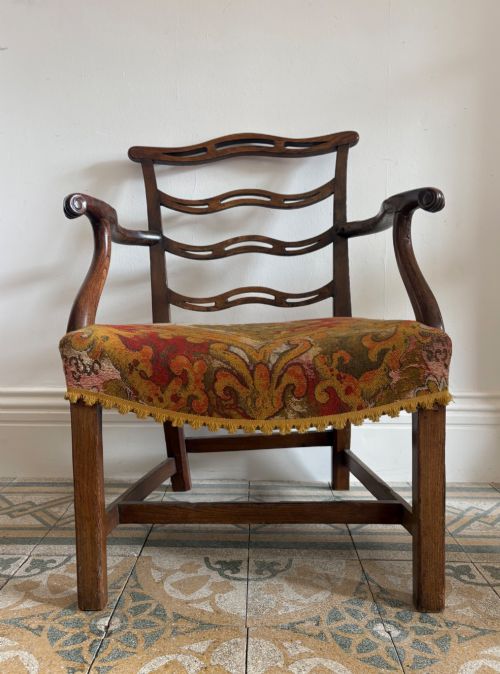
Frames take many forms, from simple rush-seated ladderbacks to large library armchairs and adjustable piano stools. The upholstery and seat coverings introduce the patterned textiles that define this group.
Materials and construction
Frames rely on hardwoods such as mahogany, walnut, oak, elm, and rosewood. Timber components are shaped, carved, or turned into supports, cabriole legs, and barley twist columns.
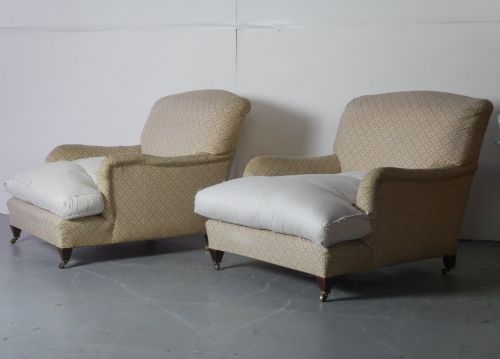
Seats and backs incorporate fabric, textile, leather, and tapestry materials. Traditional stuffing methods, feather filling, and button-backed upholstery complete the construction.
Patterned Seat Chairs Retail Price Guide 2026
Typical asking prices for patterned seat chairs among the pieces listed under this phrase on Sellingantiques today, from the lower quarter to the upper quarter. They describe what is for sale here now, not the wider market.
Listings feature woods like mahogany, walnut, oak, and elm alongside fabric, leather, and tapestry textiles across the 18th, 19th, and 20th centuries.
Judging quality in construction
Quality rests in the precision of the timber frame joinery and the integrity of the carved or turned details. Sturdiness in armchairs and dining sets indicates sound interior framing.
The choice of covering materials and the execution of the upholstery work also set pieces apart. Original or sympathetic textile selections maintain the character of the period.
Howard & Sons·Whytock & Reid·Heals·E W Godwin·Giles Grendey
The Patterned Seat Chairs Glossary
- Carver
- An armchair designed with armrests, often produced as part of a set alongside matching dining chairs without arms. These chairs typically sat at the head of a dining table.
- Fauteuil
- An open-arm armchair originating in France, featuring an exposed wooden frame and upholstered seat and back. The armrests usually have padded elbow rests.
- Slipper chair
- A low-seated upholstered chair designed originally for a bedroom to assist with putting on shoes or garments. The low profile distinguishes it from standard salon chairs.
- Ladderback
- A chair back constructed with horizontal slats between two upright posts, often associated with traditional country seating. The seat often consists of woven rush or plain wood.
- Barley twist
- A turned decorative woodwork detail resembling a spiral rope. This technique appears on the legs and supports of Victorian and 17th-century revival furniture.
Patterned Seat Chairs: Frequently Asked Questions
What defines an Edwardian dining chair?
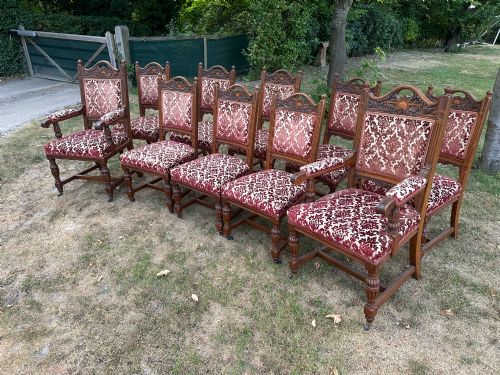
Edwardian dining chairs date from the early 20th century and frequently utilise oak or mahogany. They often appear in sets for household dining rooms.
These pieces reflect lighter proportions than their Victorian predecessors while maintaining sturdy timber construction and comfortable upholstered seats.
How do I identify an Art Deco armchair?
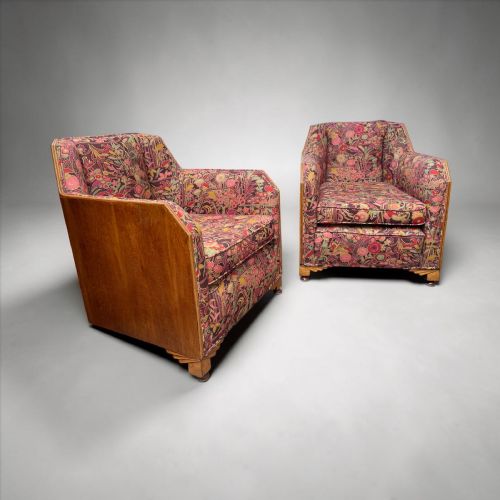
Art Deco armchairs typically date from around 1930 and feature streamlined silhouettes and modern textile patterns. They reflect the shifting design priorities of the interwar period.
Makers such as Heals produced bentwood and upholstered variants that emphasise clean lines rather than heavy historical revival ornamentation.
Where were Victorian nursing chairs used?
Victorian nursing chairs were designed with low seats and upholstered backs for domestic bedroom use. They allowed sitters to tend to infants or dress with ease.
Their compact scale and patterned fabric upholstery make them versatile accent pieces in modern living spaces.
What is a salon suite?
A salon suite consists of matching seating furniture designed for formal reception rooms. The evidence includes walnut three-piece sets from the late 19th century.
These groupings share identical wood framing, carving styles, and textile upholstery to create a cohesive interior scheme.