
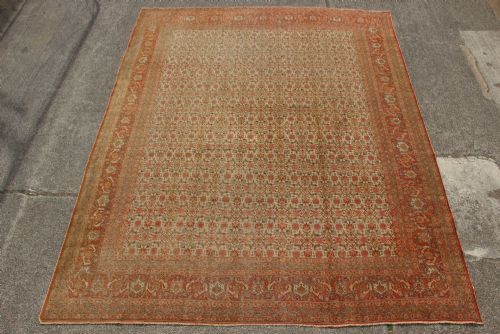

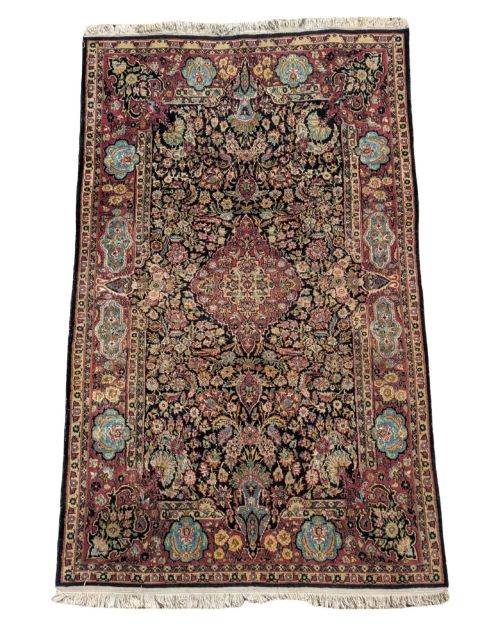
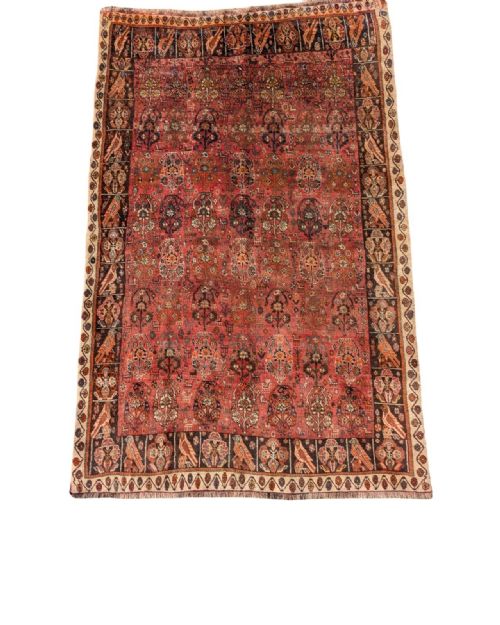
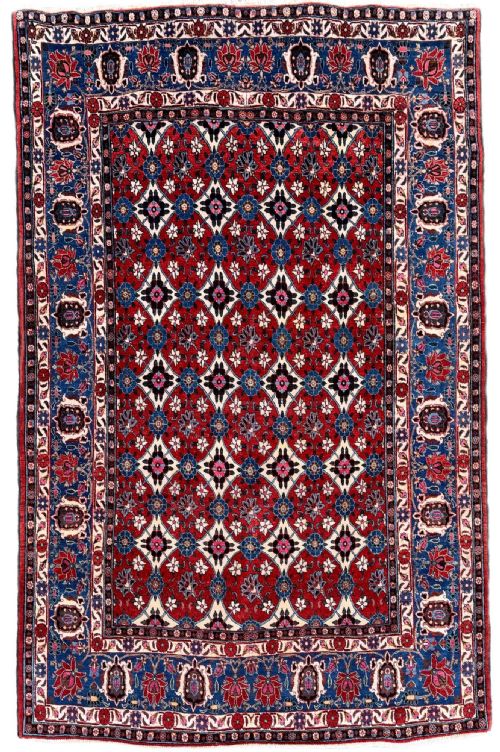
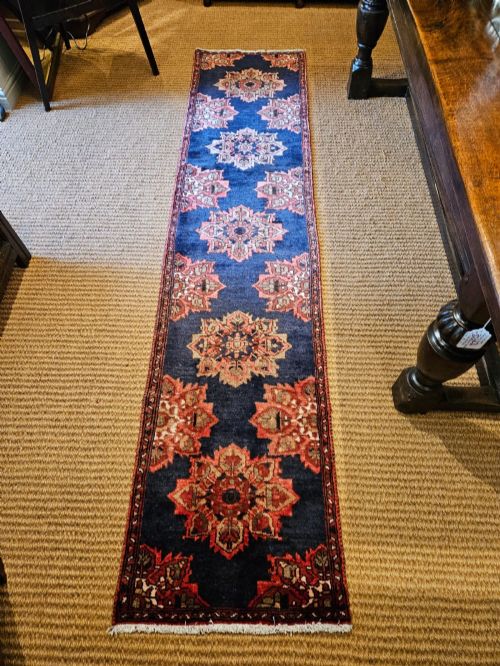
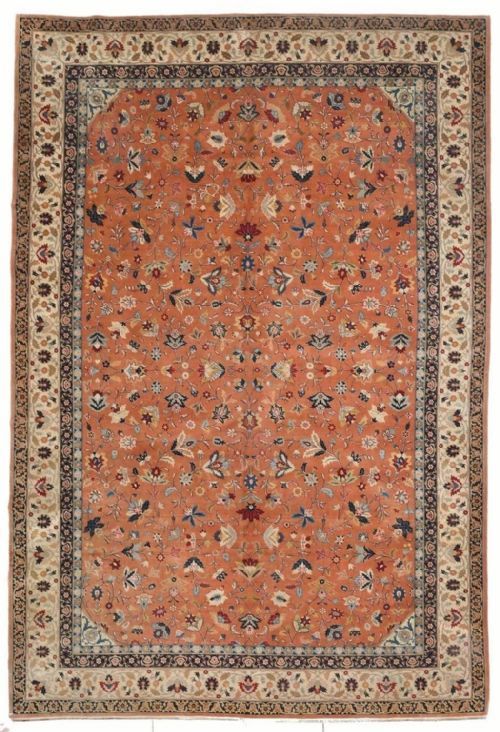
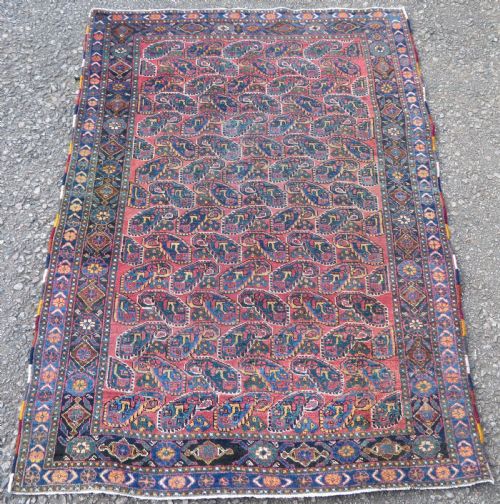
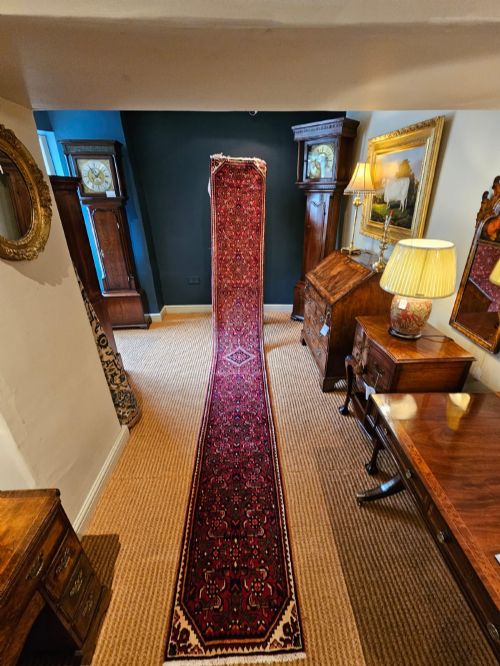
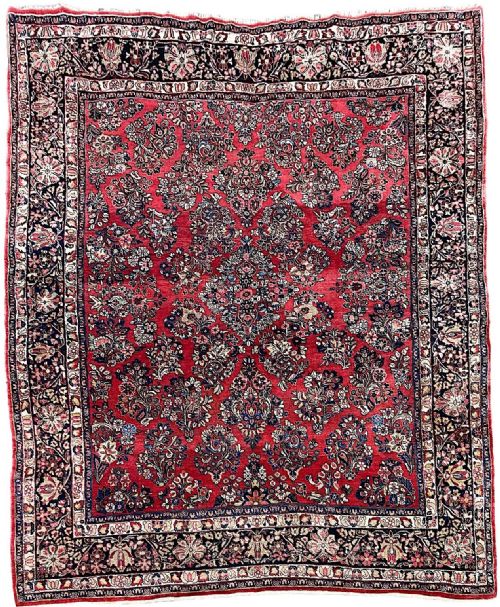


Patterned Persian Floor Carpet
A patterned persian floor carpet brings authentic texture and traditional design to a room through centuries-old knotting traditions.
Patterned Persian Floor Carpet
A patterned persian floor carpet forms the foundation of traditional interior schemes, offering rich visual weight and intricate motifs. When searching this phrase, buyers encounter various formats ranging from large palace-size examples down to smaller area rugs and long runners.
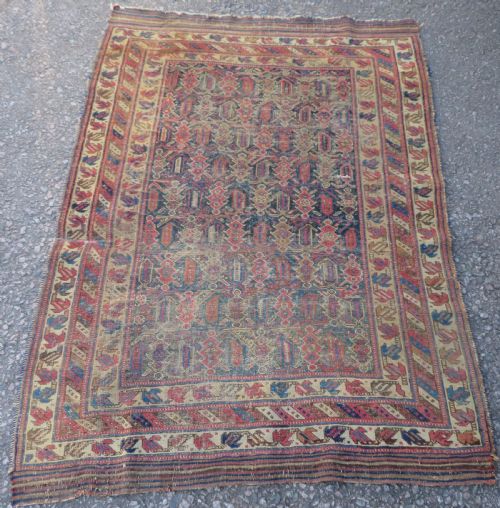
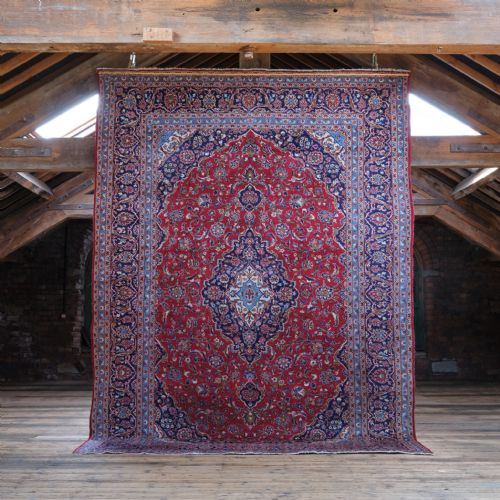
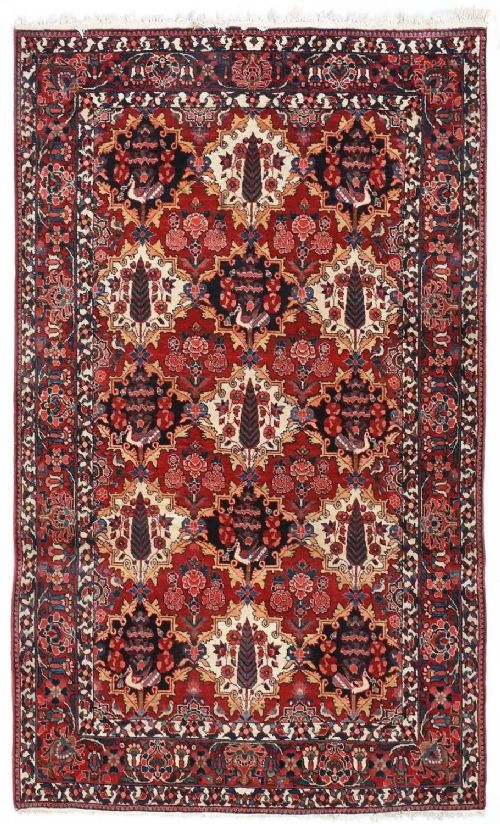
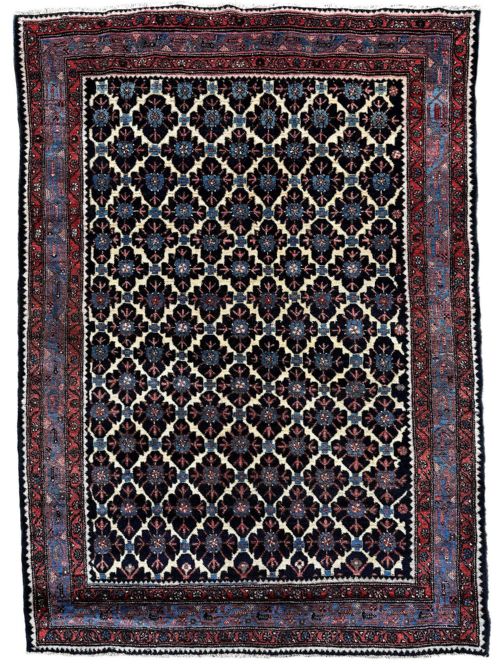
The pieces listed span production periods from the mid-nineteenth century through the 1940s, capturing decades of traditional weaving output. Common regional designations include Tabriz, Kashan, Heriz, and Afshar, each bringing distinct tribal or city workshop aesthetics to the floor.
Most entries are constructed from wool, occasionally incorporating cotton foundations or silk highlights to accentuate specific design elements. These floor coverings function equally well in formal reception rooms and high-traffic hallways depending on their physical dimensions.
How They Were Made
Makers utilised natural materials including pure wool and cotton foundations, occasionally adding silk highlights for textural contrast. These textiles are hand knotted or hand woven by regional artisans following established generational patterns.
The structural integrity relies upon dense knotting techniques tied onto cotton or wool warp and weft threads. This traditional method secures the pile firmly, ensuring durability across decades of domestic use.
Many historical carpets carry subtle irregularities in their borders, showing where individual weavers shifted patterns from memory.
What Varies in Quality
The density of the hand knotting directly influences the crispness of the geometric and floral motifs rendered across the surface. Higher quality examples maintain consistent pile depth and precise colour distribution throughout the field and borders.
Origin and regional attribution heavily influence desirability, with specific city workshops and tribal groups commanding distinct levels of collector interest. The integrity of the foundational weave and the preservation of original selvedges also separate standard examples from finer specimens.
Tabriz workshop weavers·Heriz carpet makers·Afshar tribal weavers
The Patterned Persian Floor Carpet Glossary
- Pile
- The upright yarn loops that form the soft surface of the carpet. This layer bears the direct friction of foot traffic over decades.
- Warp
- The vertical threads stretched tightly on the loom before knotting begins. These foundational cords run the entire length of the textile.
- Weft
- The horizontal threads passed between warp rows to lock the knots in place. Proper tension here ensures the structural stability of the rug.
- Selvedge
- The finished side edges of a carpet bound to prevent fraying. Original bindings indicate untouched historical condition.
- Medallion
- A central ornamental design motif placed in the middle of the field. Many traditional regional styles incorporate this characteristic focal point.
Patterned Persian Floor Carpet: Frequently Asked Questions
How do I clean an antique carpet?
Surface dust should be removed gently using regular low-suction vacuuming without a rotating brush head.
Professional specialist cleaning remains necessary for deeper washing to protect delicate wool fibres and natural dyes.
Where should I place a runner?
Long narrow formats suit high-traffic circulation spaces such as entrance hallways, corridors, and kitchen walkways.
Underlay helps prevent slipping and reduces friction between the floorboards and the foundation.
How do I identify regional styles?
Specific geometric layouts, floral motifs, and border arrangements often point toward distinct weaving centres like Heriz or Tabriz.
Palette choices and knot density also provide clear indicators of geographical origin.
Are these carpets suitable for modern rooms?
Traditional patterns ground contemporary interior schemes by introducing organic warmth, texture, and historical depth.
Neutral modern furniture allows intricate tribal and city designs to function as visual focal points.