




Patterned Hallway Carpet
A patterned hallway carpet brings genuine warmth and historical character to a corridor, offering enduring texture underfoot through centuries-old weaving traditions.
Patterned Hallway Carpet
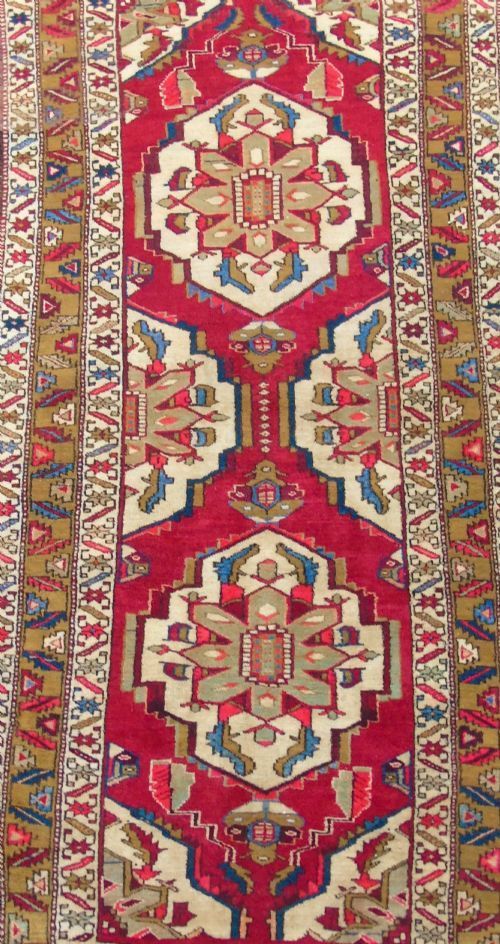
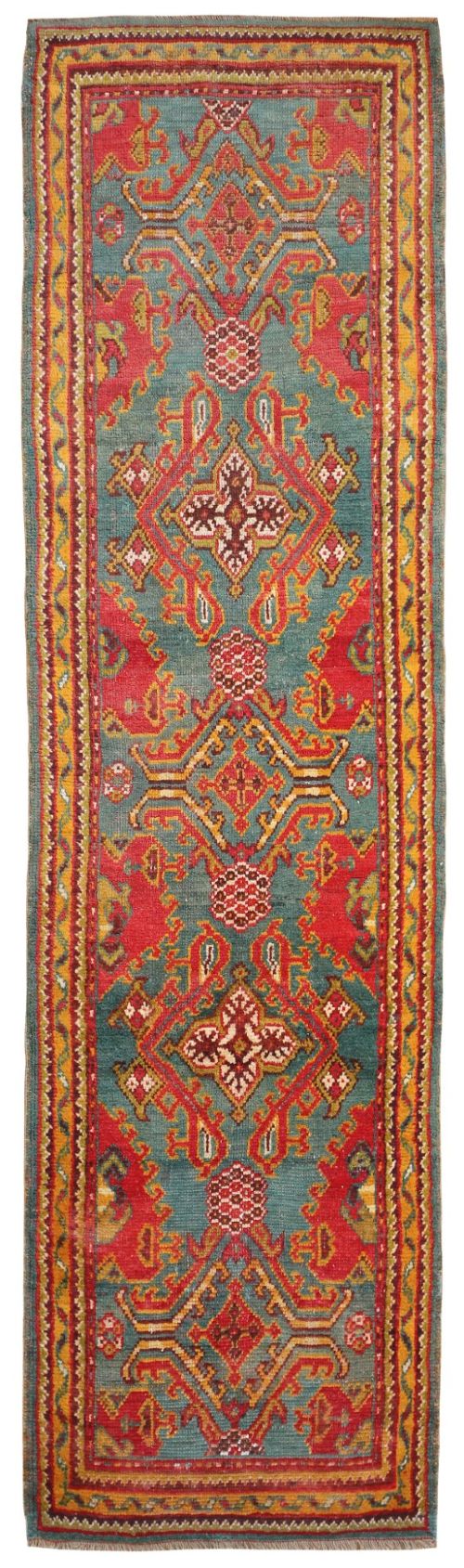
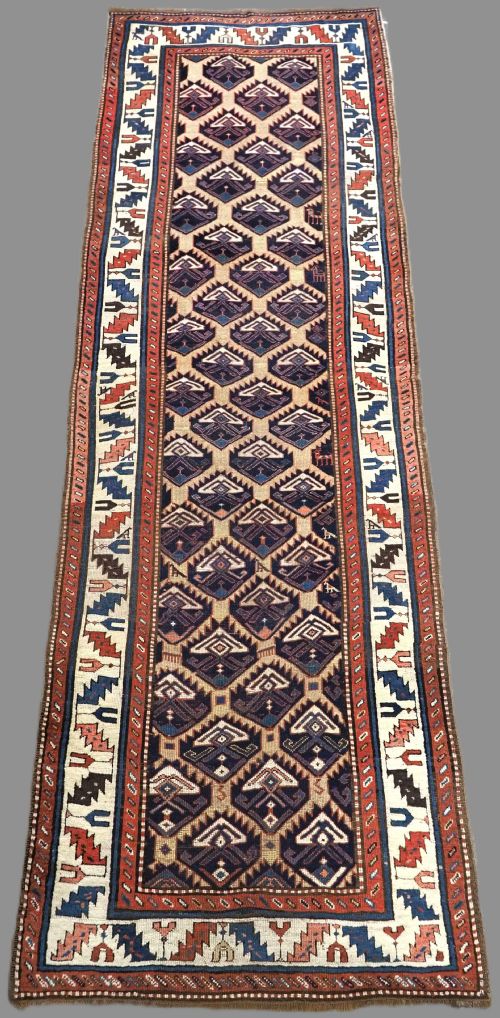
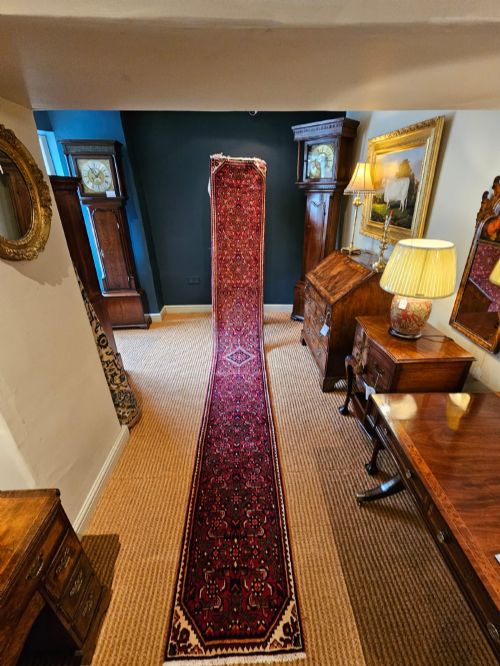
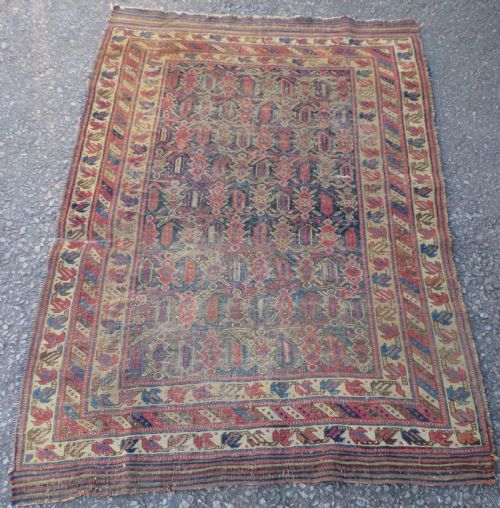
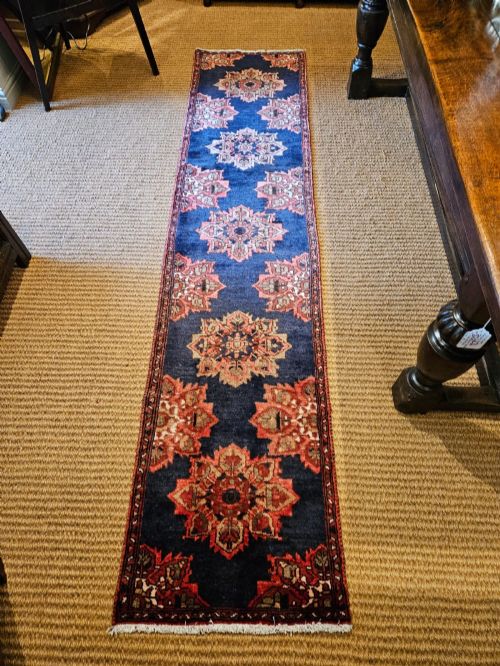
A patterned hallway carpet typically takes the form of a long, narrow runner designed specifically for corridors and high-traffic passageways. These pieces span from the mid nineteenth century through to the early twentieth century, originating from Persian, Caucasian, Kurdish, and Anatolian weaving traditions.
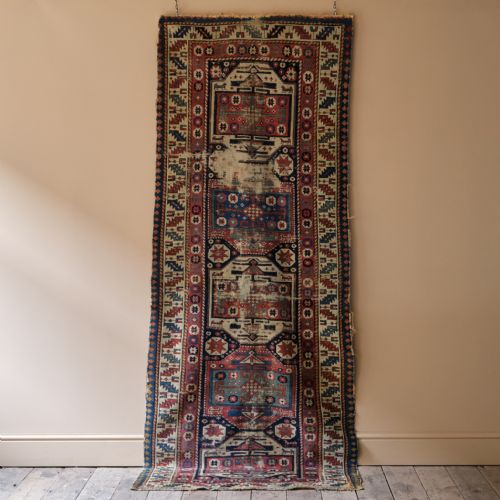
Buyers will encounter various regional styles on this page, including Kazak, Gendje, Heriz, and Kurdish tribal designs. Formats range from compact rug runners to exceptionally long gallery carpets suited for expansive corridors and staircases.
Materials and construction
These carpets rely heavily on natural wool and cotton foundations, with many pieces incorporating hand-spun wool for the pile. Artisans employed natural dyes to achieve rich palettes of olive green, navy blue, and deeper multi-coloured motifs.
The construction involves traditional hand-knotting and flatweave kilim techniques across various regional workshops and tribal camps. This combination of materials and manual labour produced durable floor coverings capable of withstanding generations of daily use.
Patterned Hallway Carpet Retail Price Guide 2026
Typical asking prices for patterned hallway carpet among the pieces listed under this phrase on Sellingantiques today, from the lower quarter to the upper quarter. They describe what is for sale here now, not the wider market.
Several runners here are wonderfully crooked, possessing the charming irregularities of village looms where weavers worked from memory rather than rigid paper patterns.
Quality variations
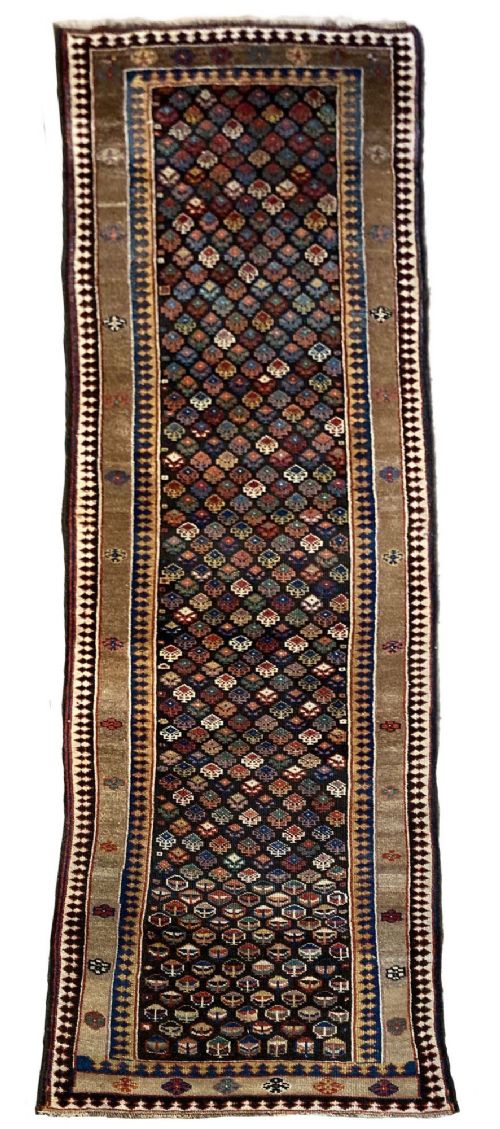
Quality in these floor coverings rests upon the tightness of the knotting and the clarity of the regional design, such as boteh, lattice, or shrub patterns. Finer wool selection and expert use of natural dyes yield superior depth and longevity in the finished textile.
The integrity of the foundation threads and the preservation of the original borders also dictate the standing of a piece. Examples that maintain structural soundness alongside expressive tribal or village artistry command greater appreciation.
The Patterned Hallway Carpet Glossary
- Runner
- A long, narrow carpet format specifically proportioned for hallways, corridors, and staircases. These pieces measure significantly longer than they are wide.
- Boteh
- A stylised almond or paisley-shaped motif of Persian origin representing a floral spray or cypress tree. It appears frequently across Caucasian and Kurdish tribal designs.
- Kilim
- A flatwoven carpet or rug produced without a pile by tightly interweaving warp and weft strands. This technique creates a lightweight, reversible textile with sharp geometric patterns.
- Heriz
- A durable style of Persian carpet known for large-scale geometric medallions and robust village craftsmanship. These rugs originate from the Northwest region of Persia.
- Kazak
- A bold style of Caucasian rug characterised by primary geometric medallions and strong, saturated colours. Weavers in the southern Caucasus produced these distinctive tribal pieces.
Patterned Hallway Carpet: Frequently Asked Questions
How do I choose the correct length for my hallway?
Measure the clear floor space of your corridor while leaving an equal margin of bare timber or stone visible around the edges. Long narrow runners work best when centered properly between walls or doorways.
Account for doors that need to swing open above the carpet thickness. Selecting an appropriately proportioned runner prevents overcrowding in narrow spaces.
What is the difference between Kurdish and Caucasian runners?
Kurdish runners generally feature softer, more organic village wool designs often utilising repeated shrub or boteh motifs. They reflect the pastoral traditions of Kurdish weavers operating across Persian and Anatolian regions.
Caucasian runners display sharper geometric layouts, striking primary colours, and structured tribal medallions. Gendje and Kazak examples showcase these distinct regional characteristics clearly.
How do I care for an antique wool runner?
Vacuum the carpet gently on a low suction setting without using a rotating brush roll to protect the wool pile. Professional cleaning should be undertaken periodically by specialists familiar with antique textiles.
Place a quality underlay beneath the runner to prevent slipping and reduce friction against the floorboards. This simple step absorbs foot impact and extends the life of the weave.
How can I tell the age of these carpets?
Dating relies on examining the specific natural dye palette, wool consistency, and structural characteristics unique to nineteenth and early twentieth-century production. Variations in tribal weaving techniques provide clear clues to the period of origin.
Stylistic markers such as traditional Heriz or Ushak layouts also point toward specific decades. Comparing construction methods helps confirm whether a piece belongs to the eighteen-eighties or the nineteen-twenties.