




Patterned Fabric Wingback
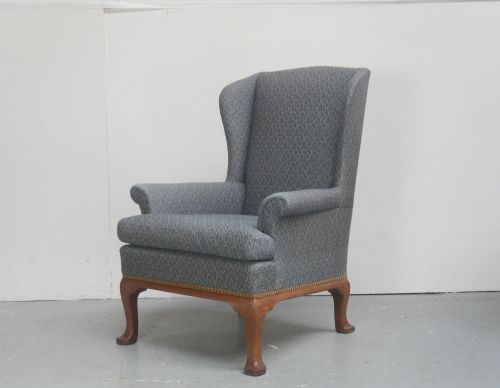
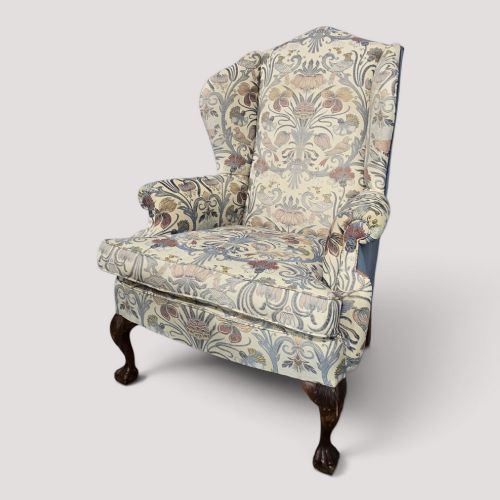
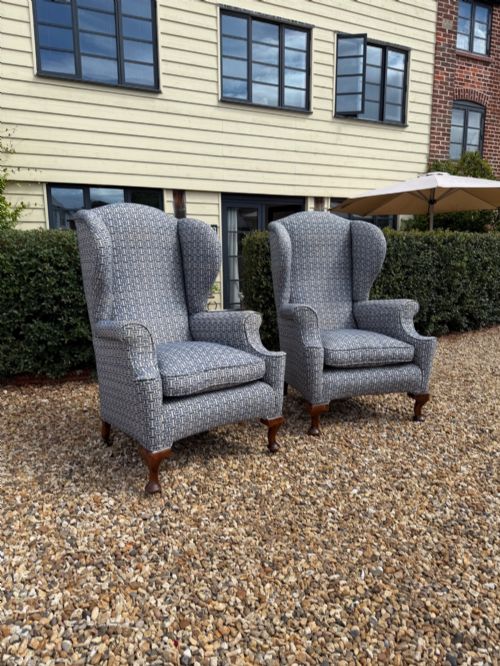
Patterned fabric wingback seating brings traditional comfort and period presence into a room, offering deep seats and protective side panels.
Patterned Fabric Wingback
When you search for patterned fabric wingback, you are looking at upholstered seating designed to keep out drafts and hold heat close to the sitter. The selection spans the eighteenth century through to the early twentieth century, taking in George III, Victorian, Edwardian, and later revival periods.
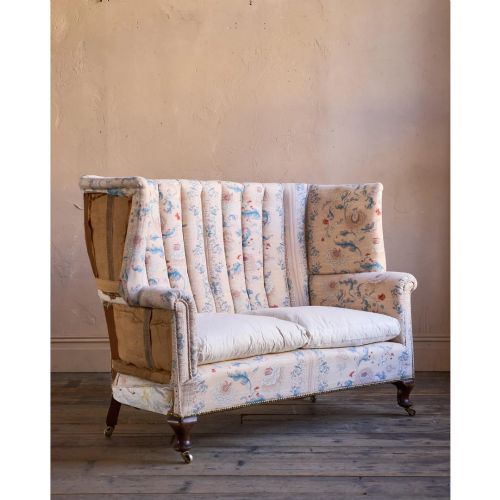
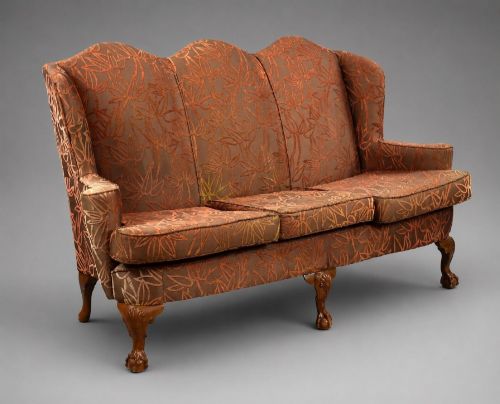
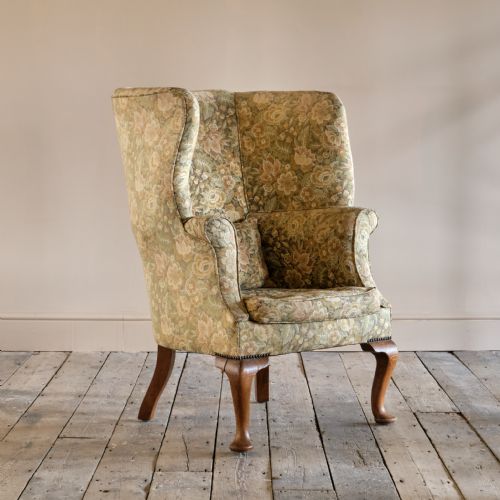
Forms include single armchairs, barrel backed chairs, fireside seating, and larger three seat sofas. You will encounter Queen Anne style walnut pieces alongside mahogany and oak frames.
The coverings utilise textiles such as damask and tapestry fabric, plus recycled cotton. These seats originate from various eras, showing how domestic comfort evolved over successive centuries.
How they were made
Frames are built from hardwoods like mahogany, walnut, and oak, providing the structural skeleton for the upholstered body. Wood framing supports the deep cushioning and high sides characteristic of the form.
Textiles including damask and tapestry fabrics are secured over the internal padding, sometimes complemented by exposed wooden legs and brass details. The joinery and framing reflect the cabinetmaking standards of their respective periods.
Listings feature frames in mahogany, walnut, oak, and wood, paired with diverse textiles including damask and tapestry fabric.
What varies in quality
Quality rests in the integrity of the wooden frame and the proportion of the wings and arms. Maker attribution, such as work originating from workshops like Whytock and Reid or Howard and Sons, alters the standing of a piece.
The choice and execution of the upholstery textile, whether period damask or later woven fabric, influences the overall character and finish. Finer examples maintain crisp lines in the carved wood elements and balanced proportions across the entire seat.
Whytock & Reid·Howard & Sons
The Patterned Fabric Wingback Glossary
- Wingback
- An armchair or sofa featuring flanking side panels designed to shield the occupant from draughts. These projections originated to trap heat around a seated person near an open fire.
- Barrel back
- A seating form where the backrest curves continuously into the arms in a rounded enclosure. This design offers a cocooning shape favoured in reading chairs.
- Damask
- A reversible figured fabric woven on a jacquard loom with patterns formed by contrasting warp and weft threads. It provides a formal sheen suitable for traditional upholstery.
- Tapestry fabric
- A heavy, thick textile featuring woven pictorial or decorative designs. It adds weight and texture to period seating frames.
- Queen Anne style
- A design aesthetic characterised by cabriole legs and curved lines popularised in the early eighteenth century and revived later. It defines many walnut framed pieces in this selection.
Patterned Fabric Wingback: Frequently Asked Questions
Where did wingbacks originate?
Wingback chairs emerged in domestic interiors to protect sitters from cold draughts in uninsulated rooms. The side panels caught heat from the hearth and kept the occupant warm.
Over time, the form evolved through the Georgian, Victorian, and Edwardian eras, adapting its proportions and decorative details to suit changing tastes in domestic comfort.
How do I identify the period?
Dating relies on examining the timber frame, the curvature of the legs, and the upholstery technique where visible. Earlier pieces from the eighteenth century show different framing methods compared to Victorian or Edwardian examples.
Revival styles can mimic earlier centuries, so looking closely at the wood species and construction joints helps clarify the actual date of manufacture.
Are these chairs comfortable?
These pieces were built for extended sitting, offering high backs and deep seats designed for relaxation by the fire. The upholstered wings provide a natural headrest when resting.
Comfort levels depend on the internal padding and springing system, which vary depending on whether the piece retains its original innards or has been updated.
What rooms suit a wingback?
Wingback armchairs and sofas sit well in studies, living rooms, and bedrooms where traditional seating creates a focal point. Their high profiles help anchor large spaces.
They pair effectively with both antique and contemporary furniture, adding textural contrast through patterned damask or tapestry fabrics.