



Patinated Bronze Tabletop Sculpture
When you handle a patinated bronze tabletop sculpture, you hold a piece of metal shaped by hand and finished with chemical warmth.
Patinated Bronze Tabletop Sculpture
A patinated bronze tabletop sculpture brings three-dimensional form to a desk, mantel or cabinet using cast metal and chemical surface treatment. You will encounter figures, groups and busts ranging from classical revivals to art deco designs across this selection.
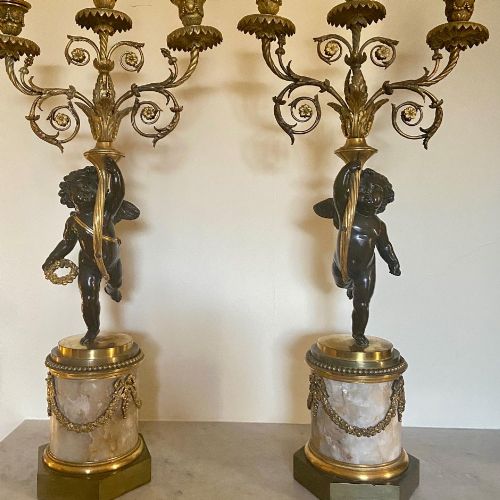
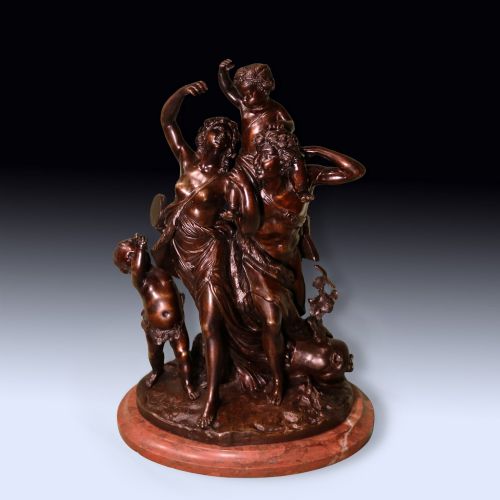
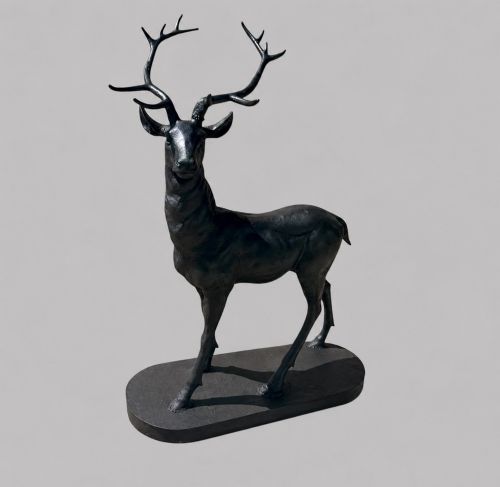
The objects span centuries of foundry work, originating primarily from the nineteenth and early twentieth centuries. Forms include dancers, animals, putti and historical figures mounted on marble, wood or stone bases.
Most examples reflect European foundry traditions, particularly French and Italian studios producing cabinet bronzes. These works translate large monuments and ancient discoveries into intimate domestic scales.
How they were made
Chemical patination followed, applying acids and heat to achieve rich brown, green or near-black surface tones. Gilt bronze and ormolu accents appear alongside mounted details in marble and fluorspar.
Listings feature periods from the eighteenth century through to art deco designs of the 1940s.
What varies in quality
The clarity of the chasing work separates standard foundry output from exceptional pieces. Sharp details in fingers, expressions and textures show that the chaser spent hours refining the raw cast.
The depth and consistency of the patination dictate the visual richness of the surface. A well-applied patina interacts with light across the contours rather than sitting as a flat, uniform paint layer.
The integration of the base material, whether veined marble or carved wood, contributes to the overall structural harmony of the piece. Quality mounts fit the bronze precisely without visible gaps or poor pins.
Francois Redmond·Clodion·Georges-Charles Coudray·Auguste Moreau·Alexandre Kelety·Vannetti·J Camus·Elizabeth Anna Clapp·Demetre Chiparus·Jean Jacques Pradier·Mario Korbel
The Patinated Bronze Tabletop Sculpture Glossary
- Patination
- The artificial ageing or colouring of metal surfaces using chemical treatments and heat. This process creates the deep brown or green tones characteristic of antique bronzes.
- Lost-wax casting
- A method of metal casting where a wax model is melted out from a clay mould to leave a cavity for molten bronze. It allows for high fidelity in intricate sculptural details.
- Chasing
- The manual refinement of a raw metal cast using small hammers and punches. Artisans use this technique to crisp up details and remove casting seams.
- Ormolu
- Finely ground high-carat gold applied to a bronze base using mercury amalgamation or electroplating. It provides a bright golden decorative contrast on nineteenth-century pieces.
- Grand Tour
- The nineteenth-century practice of travelling through Europe to collect art and antiquities. Smaller bronze statues of classical figures served as popular souvenirs from these journeys.
Patinated Bronze Tabletop Sculpture: Frequently Asked Questions
How do I clean a patinated bronze?
Dust the sculpture gently with a soft, dry brush to prevent particle buildup in the recessed areas. Avoid water, soap or metal polishes that strip the chemical patina from the surface.
Apply a very thin coat of microcrystalline wax if the metal appears dry. Buff it off immediately with a clean flannel cloth to restore a soft, protective sheen.
What is the difference between bronze and ormolu?
Bronze is an alloy of copper and tin used to cast the core sculptural form. It typically receives a chemical patination to produce dark brown or green surface tones.
Ormolu refers to gilded bronze where gold is applied to the metal surface. This creates a bright, reflective golden finish rather than a dark metallic patina.
Are these sculptures solid metal?
Most antique tabletop bronzes are hollow casts rather than solid metal blocks. Hollow casting saved expensive metal and reduced the overall weight of the decorative object.
Foundries used an internal core material during the casting process which sometimes remains visible inside the base. The thickness of the metal wall depends on the scale and foundry practice.
Why do some bronzes have marble bases?
Marble bases provided visual weight and stability to slender or top-heavy figures. They also offered a clean architectural platform that contrasted with the dark patinated metal.
Makers selected different marbles, such as white or veined varieties, to complement the style of the sculpture and its period.