

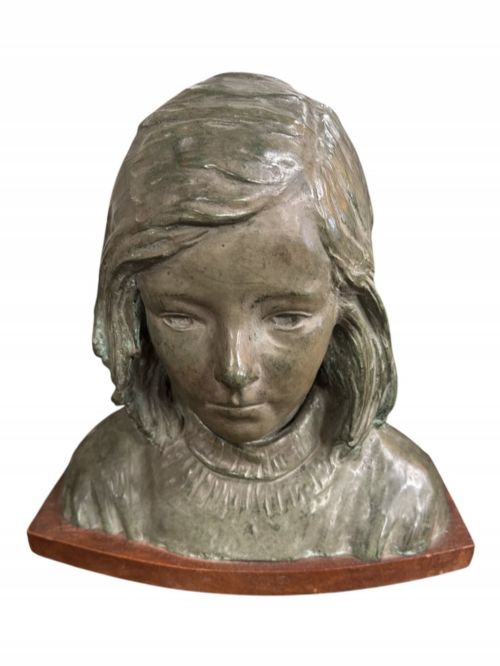
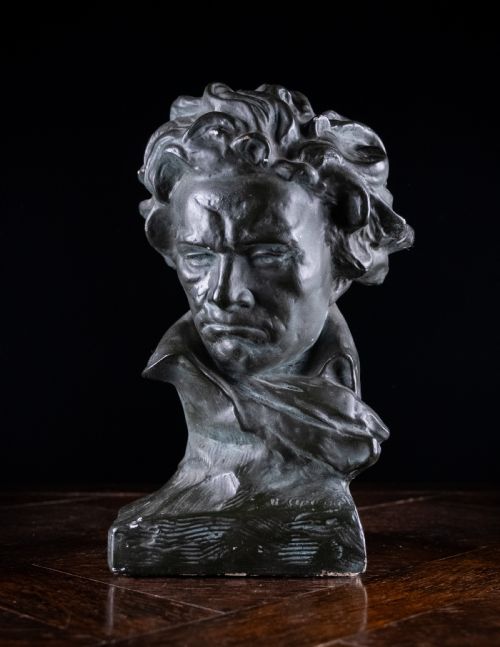


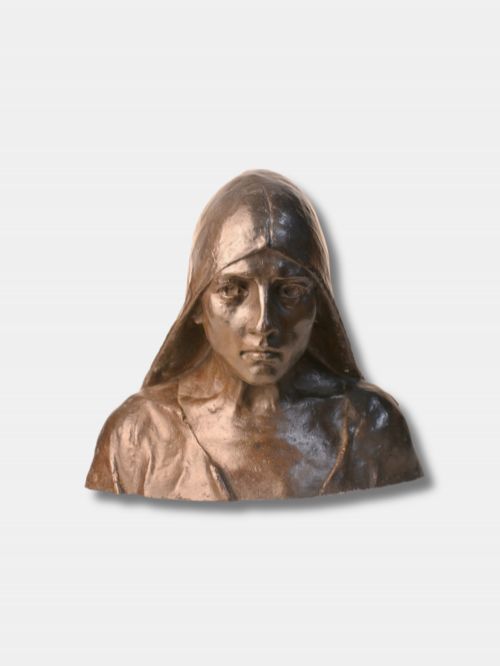


Patinated Bronze Portrait
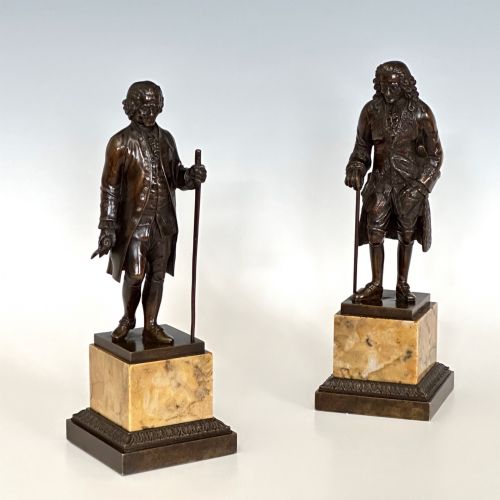
A patinated bronze portrait captures historical figures, literary characters and classical subjects in enduring metal through diverse nineteenth and twentieth century styles.
Patinated Bronze Portrait
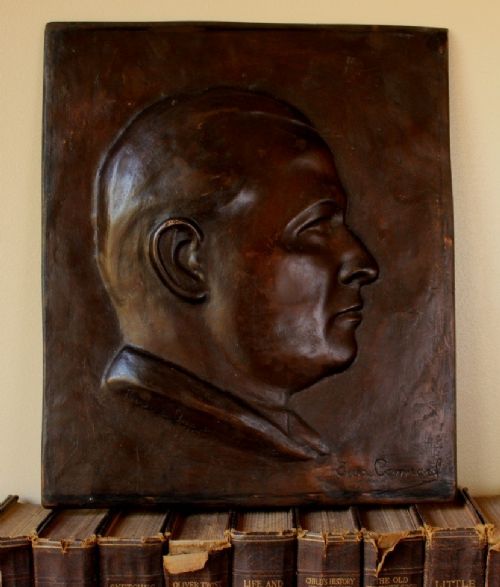
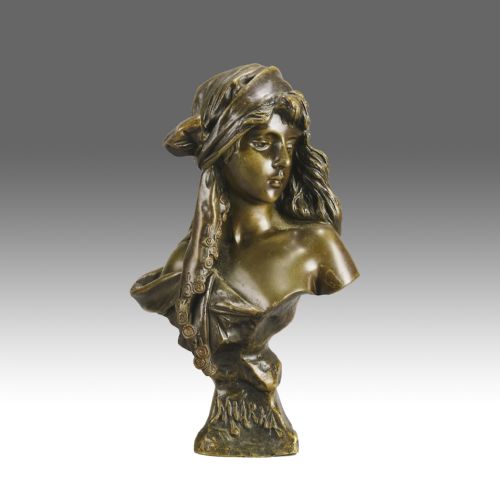
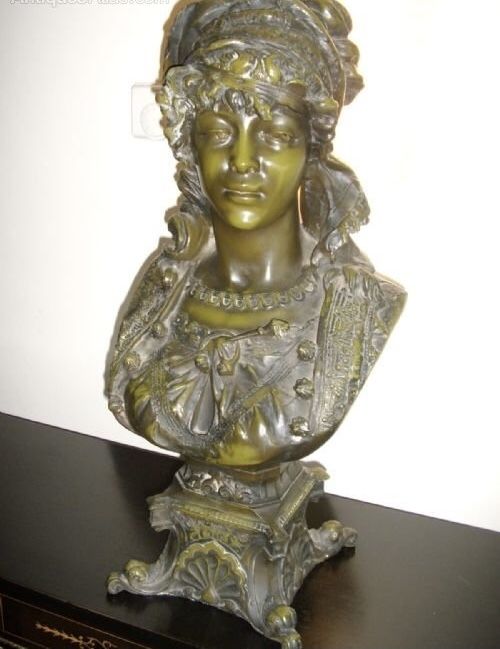
A patinated bronze portrait brings historical figures, literary icons and classical subjects into domestic spaces through enduring metal sculpture. When you search for a patinated bronze portrait, you encounter busts, wall plaques and relief sculptures spanning the nineteenth and twentieth centuries. French founders and continental artists dominate these listings, creating works from the Victorian era through the Art Nouveau and Art Deco periods.
The most common formats on this page are cabinet busts of female allegories, classical heroes and literary figures. You will find works cast in France, Belgium and Britain, alongside Grand Tour souvenirs referencing antiquity. These pieces range from modest wall plaques to large freestanding busts intended for prominent display on pedestals or mantels.
Materials and casting methods
Foundries utilised traditional lost wax casting and sand casting methods to reproduce fine sculptural details in bronze and metal. Artists applied chemical patination treatments to the metal surfaces to create rich brown, green or dark tones that accentuate facial expressions and drapery.
Alternative materials appear alongside cast bronze, including painted plaster, terracotta, marble and wood. Plaster and terracotta portrait busts often received a bronzed finish to imitate the appearance of heavier metal sculpture.
Materials recorded across the selection include cast bronze, patinated bronze, terracotta, marble, painted plaster and wood.
Factors influencing sculptural quality
The reputation of the sculptor and the standing of the foundry dictate the desirability of a piece. Signed works by established continental artists command attention through balanced proportions and expressive characterisation, while later reproductions show softer surface details.
Emmanuel Villanis·Georges Van Der Straeten·Mathurin Moreau·Jean Jules Salmson·Adolphe Jean Lavergne·Eugene Canneel
The Patinated Bronze Portrait Glossary
- Patination
- The chemical treatment applied to the surface of bronze to create colour and tone. This process protects the metal while enhancing the visual depth of the portrait.
- Lost wax casting
- A traditional method where a wax model is melted away from a ceramic mould to allow molten bronze to take its place. This technique captures intricate details in the finished portrait.
- Grand Tour
- A cultural journey undertaken by nineteenth century travellers who collected classical antiquities and bronze reductions of ancient sculptures. These souvenirs often depict philosophers, emperors and mythological figures.
- Relief plaque
- A wall sculpture where the portrait projects from a flat background panel rather than existing in the round. These pieces are cast in bronze, metal or plaster.
Patinated Bronze Portrait: Frequently Asked Questions
How do I clean a bronze portrait?
Dust the surface gently with a soft, dry brush to remove particles that accumulate in crevices. Avoid using water, soap or metal polishes, which can strip away the original patination.
Apply a very light coat of microcrystalline wax occasionally to protect the metal from atmospheric moisture. Buff the wax off gently with a clean cloth to maintain a soft sheen without altering the finish.
What is the difference between bronze and spelter?
Bronze is an alloy of copper and tin that offers durability, weight and a rich response to chemical patination. It was the preferred medium for high quality nineteenth century portrait sculpture.
Spelter is a softer zinc alloy that manufacturers utilised as an economical alternative to bronze. Items cast in spelter are lighter and often feature applied painted finishes rather than true chemical patinas.
Where should I display a portrait bust?
Position freestanding busts at eye level on sturdy sideboards, mantels or dedicated pedestals where the profile and facial expression are clearly visible. Ensure the supporting furniture can hold the substantial weight of cast metal or marble.
Keep pieces away from direct sunlight and damp environments to protect patinated metal and painted plaster surfaces from deterioration. Wall plaques require secure fixings anchored directly into solid walling.
How do I date an antique portrait?
Examine the clothing, hair styling and sculptural style to identify design movements such as Victorian, Art Nouveau or Art Deco. Signatures, foundry marks and registration numbers stamped into the metal provide direct clues to the origin.
Inspect the base and interior of the casting for mounting bolts, felt pads and patination wear that indicate age. Archive records and artist catalogues help confirm the active working periods of the sculptor.