






Patinated Bronze Female Nude
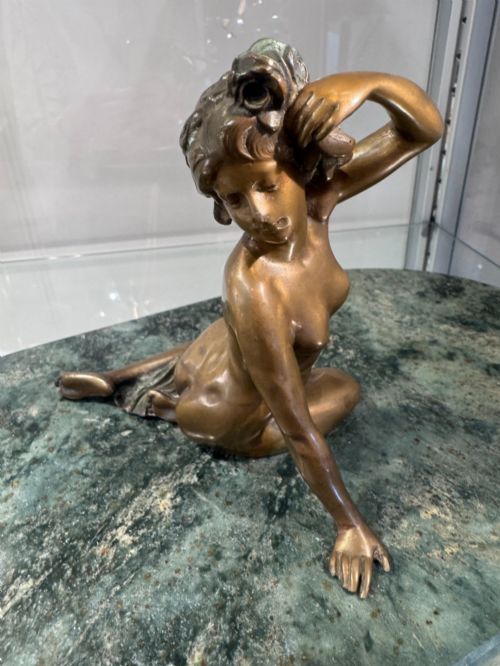
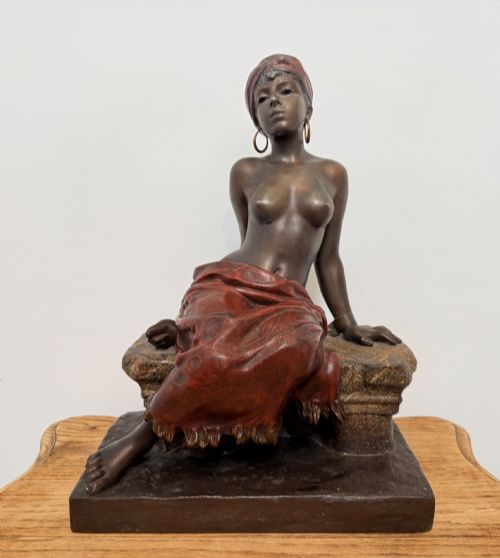
A patinated bronze female nude captures the human form through metal, bringing centuries of sculptural tradition into interior spaces.
Patinated Bronze Female Nude
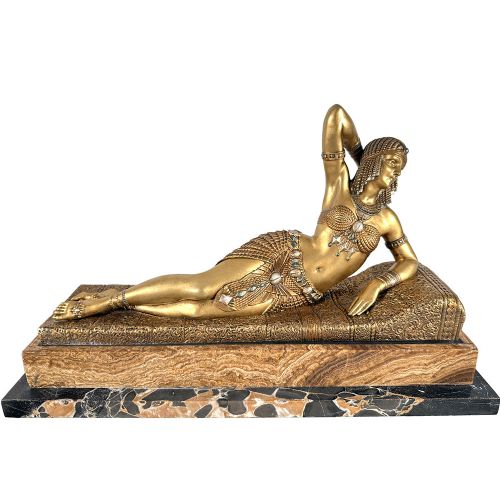
When you search for a patinated bronze female nude, you encounter sculptures and sculptural table lamps originating primarily from French and Austrian studios. These figures range from nineteenth-century classical and neoclassical studies to stylised Art Deco dancers and Art Nouveau maidens.
The versions most frequently met on this page include French Art Deco bronzes from the nineteen-twenties and nineteen-thirties, alongside nineteenth-century reductions of classical statuary and naturalistic Art Nouveau figures seated on marble bases.
Materials and casting methods
These works rely on bronze castings treated with chemical patination to produce surface colour and tone, frequently combined with carved marble or onyx bases. Some examples incorporate stone, frosted glass, or metal variants to support figures in reclining or dancing poses.
Foundries utilised traditional casting techniques, often mounting the resulting bronze figures onto heavy mineral plinths to provide stability and visual contrast against the dark metal.
Distinctions in execution
The refinement of the chiselling and the subtlety of the surface patination differentiate standard foundry production from masterwork casts. Superior pieces display precise anatomical articulation and crisp drapery lines that retain their definition across the entire surface of the metal.
The integration between the bronze figure and its stone or marble base also indicates quality, with finer examples demonstrating seamless mounting and high-grade mineral selection.
Ferdinand Barbedienne·E Villanis·Demetre Chiparus·Franz Bergman·Susse Freres
The Patinated Bronze Female Nude Glossary
- Patination
- The chemical treatment applied to the surface of bronze to alter its colour and create a protective layer. This process produces tones ranging from deep brown to golden hues.
- Lost-wax casting
- A traditional metal casting method where a wax model is melted out and replaced with molten bronze. This technique allows for intricate detail and complex sculptural forms.
- Reduction
- A smaller scale copy of a larger sculpture, often produced in bronze during the nineteenth century. These allowed collectors to own miniature versions of famous public monuments.
- Grand Tour
- A nineteenth-century travel tradition where wealthy individuals acquired bronze souvenirs in Europe. These included classical reductions modelled after ancient sculptures.
- Chiselling
- The cold-working process applied to a bronze casting after it leaves the foundry. Artisans use hand tools to refine details and remove surface imperfections.
Patinated Bronze Female Nude: Frequently Asked Questions
How do I identify an Art Deco bronze nude?
Art Deco bronze figures usually display geometric lines, stylised drapery, and dynamic poses associated with the nineteen-twenties and nineteen-thirties. They often feature dancers or athletes mounted on stepped marble bases.
Makers from this period frequently incorporated mixed media, combining patinated metal with ivory, onyx, or carved stone elements.
What is a Grand Tour bronze?
Grand Tour bronzes are nineteenth-century souvenir reductions of classical antiquities, collected by travellers touring European cultural sites. These pieces replicated famous works like the Venus de Milo.
They serve as miniature representations of classical sculpture produced for domestic display.
How should I clean a patinated bronze?
Dust bronze sculptures gently with a dry, soft cloth to prevent particulate accumulation on the surface. Avoid using chemical cleaners, polishes, or water, as these can strip the original chemical patination.
Occasional application of microcrystalline wax can help protect the metal surface from environmental moisture.
What materials accompany the bronze figures?
Many sculptures incorporate marble, onyx, or stone bases to anchor the standing or reclining metal figures. Some twentieth-century designs also integrate frosted glass lampshades or panels.
These supporting materials complement the dark tone of the patinated metal.
How do nineteenth-century bronzes differ from later pieces?
Nineteenth-century works tend to reflect neoclassical, Orientalist, or academic traditions with naturalistic anatomical detail. They frequently draw inspiration from mythological subjects and classical antiquity.
Later pieces from the twentieth century lean towards the stylised geometry of Art Nouveau and Art Deco design.