









Patinated Bronze Decor
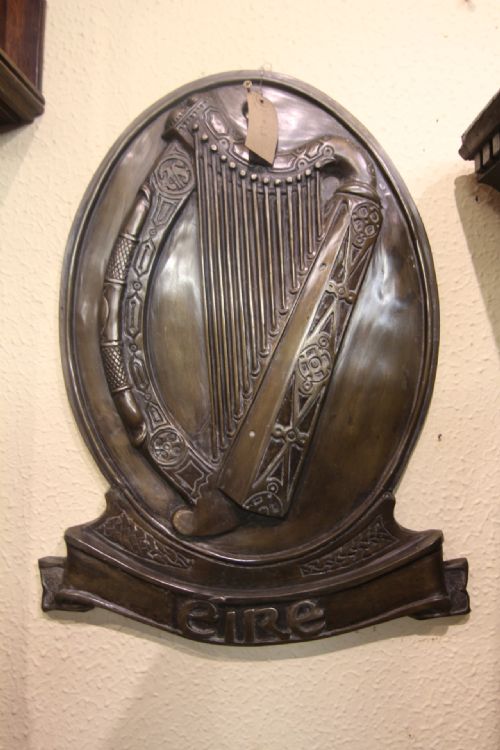
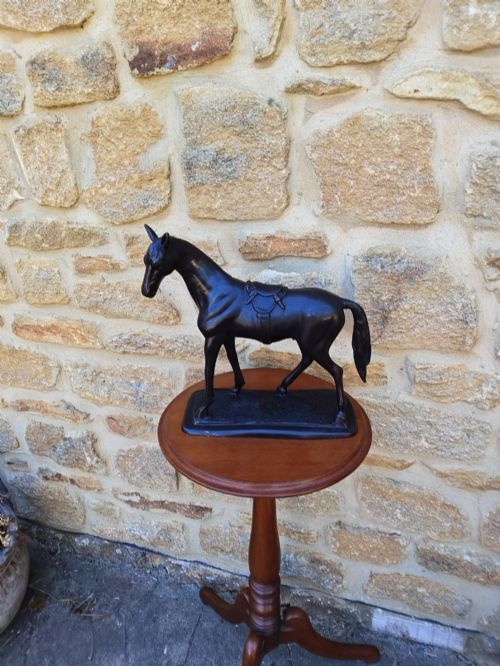
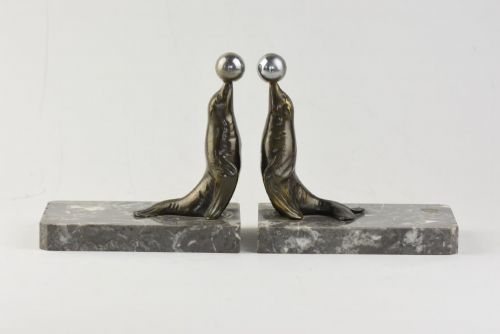
Patinated bronze decor brings sculptural depth and dark metallic warmth to interiors, spanning nineteenth-century animalier studies to sleek art deco animal forms.
Patinated Bronze Decor
Patinated bronze decor encompasses sculptures, candlesticks, bookends, and architectural accessories shaped from cast metal and treated to produce rich surface tones. Buyers looking for patinated bronze decor seek figural bronzes, animalier studies, and functional tabletop objects that display aged metallic character.
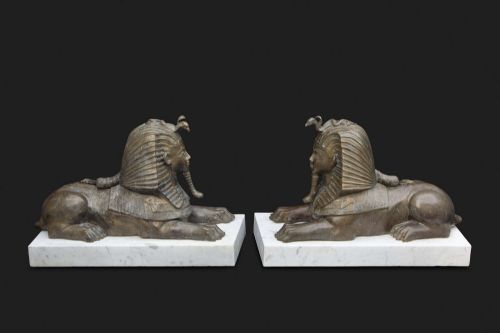
The pieces appearing most frequently originate from nineteenth-century and early twentieth-century French and British workshops, often combining metal figures with marble or onyx plinths. Animalier groups, classical sphinxes, and utilitarian items like candlesticks and chenets form the core of what is available.
Forms range from intimate desk ornaments and bookends to monumental mantle sculptures and fireplace accessories. Each piece relies on chemical or natural oxidation to give the bronze its characteristic dark or tonal surface finish.
Materials and Casting Techniques
These items are produced using traditional metal casting methods, primarily lost-wax or sand-casting techniques, which capture fine anatomical details in the molten alloy. The resulting metal is subsequently dressed and treated with acids or heat to induce a stable patinated surface.
Many sculptures and decorative objects are mounted upon heavy bases fashioned from contrasting materials such as marble, onyx, or ebonised wood. Gilt highlights are occasionally combined with dark patination to accentuate specific architectural or sculptural elements.
Patinated Bronze Decor Retail Price Guide 2026
Typical asking prices for patinated bronze decor among the pieces listed under this phrase on Sellingantiques today, from the lower quarter to the upper quarter. They describe what is for sale here now, not the wider market.
Among the bronze menagerie, a solitary horse nose reminds us that even monumental statuary occasionally suffers from selective detachment.
Evaluating Quality in Bronze Objects
Quality rests principally on the crispness of the chasing and the depth of the metalwork, where superior casts retain sharp anatomical articulation and subtle surface textures without smoothing from excessive polishing. The integration between the bronze figure and its stone or marble base also dictates the overall standard.
The integrity and nuance of the patination itself separate standard foundry output from exceptional work, as controlled chemical ageing creates varied tonalities rather than a flat, uniform coat. Superior examples maintain their original surface treatments without heavy restoration or modern respraying.
Pierre Lenordez·Charles Crozatier
The Patinated Bronze Decor Glossary
- Patination
- The artificial or natural coloration applied to the surface of bronze through chemical agents, heat, and weathering. This process transforms the raw metallic sheen into deeper browns, greens, or blacks.
- Animalier
- A nineteenth-century artistic style focusing on the realistic depiction of animals, particularly horses, dogs, and wild beasts in dynamic motion. French workshops produced many of the notable examples in this genre.
- Chenets
- Decorative firedog irons placed at the hearth to support logs, frequently cast in bronze with figural or architectural ornamentation. Pairs of these items often feature patinated and gilt finishes.
- Grand Tour
- The cultural journey undertaken by wealthy young Europeans in the eighteenth and nineteenth centuries, collecting small bronzes and classical antiquities as souvenirs. These pieces often depict mythological subjects or architectural ruins.
- Spelter
- A zinc-based alloy frequently used as a less costly substitute for bronze in decorative figures and bookends. It accepts metallic paints and patination to mimic the appearance of true bronze.
Patinated Bronze Decor: Frequently Asked Questions
What is patinated bronze decor?
Patinated bronze decor comprises cast metal sculptures, vessels, and functional objects treated to develop a mature surface finish. These pieces include nineteenth-century animal studies, classical figures, and art deco bookends.
Items are frequently mounted on marble or onyx plinths and draw on french and british manufacturing traditions. The patination protects the metal while providing deep tonal variation.
How do I clean patinated bronze?
Cleaning requires only gentle dusting with a soft, dry cloth to remove particulate matter. Moisture and chemical polishes should be avoided as they can strip the applied chemical patination.
Preserving the original surface skin maintains the historical integrity and visual depth of the metal. Professional conservation is advised only if structural instability arises.
What periods do these pieces date from?
The selection spans the nineteenth century through the early twentieth century, encompassing Victorian, regency, and art deco eras. Earlier nineteenth-century examples often reflect neoclassical or animalier tastes.
Twentieth-century pieces introduce stylized forms such as geometric bookends and modernist animal subjects. Dates are determined by stylistic markers and foundry methods.
How can I tell bronze from spelter?
Bronze is heavier, denser, and rings with a resonant tone when struck gently, whereas spelter is softer and more brittle. Examining the underside often reveals the paler grey metal of spelter beneath chipped surface finishes.
True bronze develops a stable, deep patination over time and resists the flaking common in cheaper alloy substitutes. Sculptural crispness is typically sharper in bronze casts.