



Patinated Bronze Ceiling Fitting
A patinated bronze ceiling fitting brings weighted dignity and dark warmth to a room, offering enduring metalwork built for grand interiors.
Patinated Bronze Ceiling Fitting
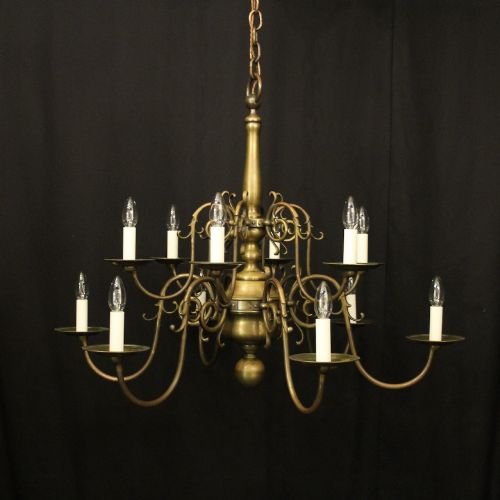
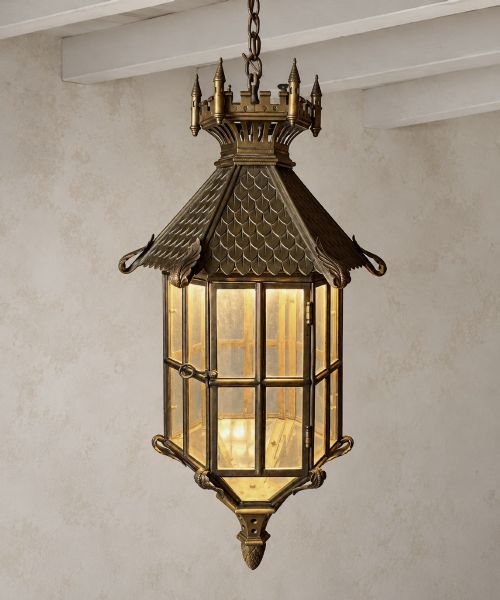
A patinated bronze ceiling fitting delivers architectural presence through robust metal frames and multi-light configurations designed for suspension. When searching for a patinated bronze ceiling fitting, buyers encounter substantial chandeliers and hall lanterns spanning the nineteenth and early twentieth centuries.
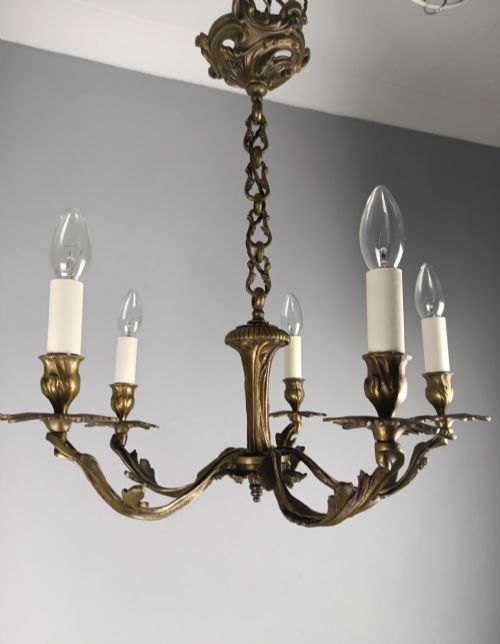
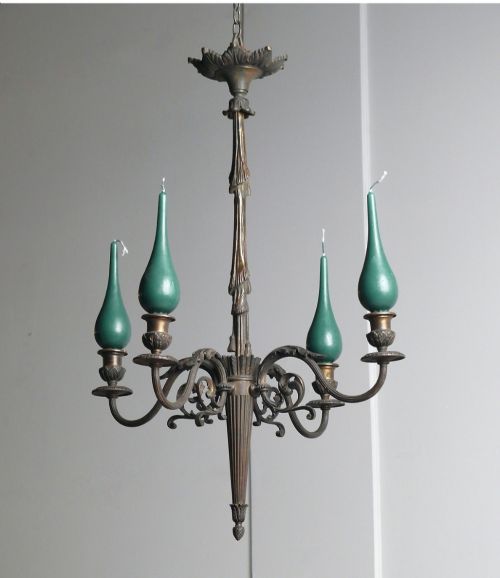
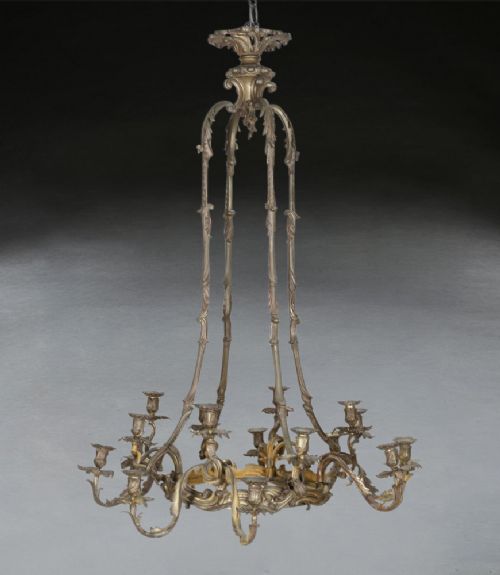
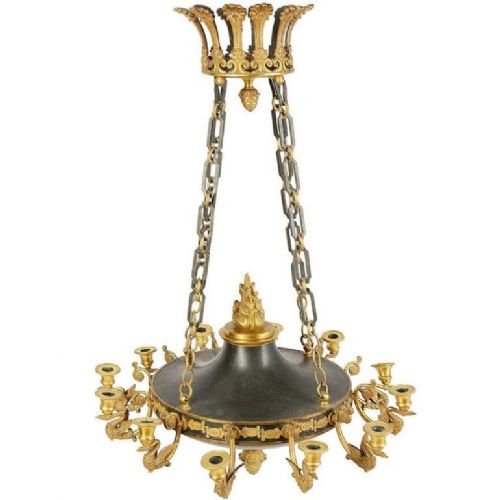
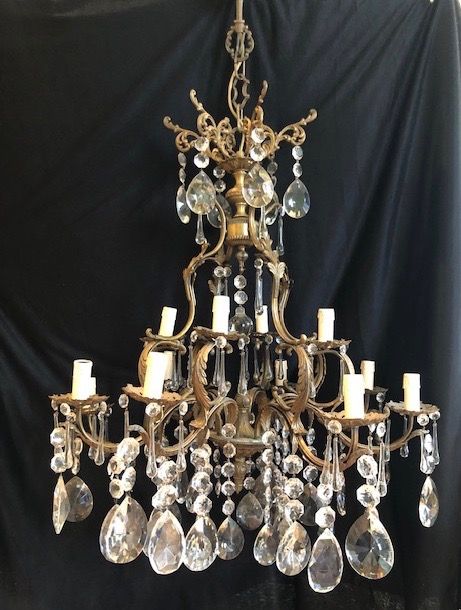
The selection on this page centres primarily on French chandeliers from periods such as nineteen twenty and nineteen thirty, alongside nineteenth-century examples and Italian multi-tiered forms. These pieces range from five-light dark bronze designs to expansive sixteen-light creations and double-tiered arrangements.
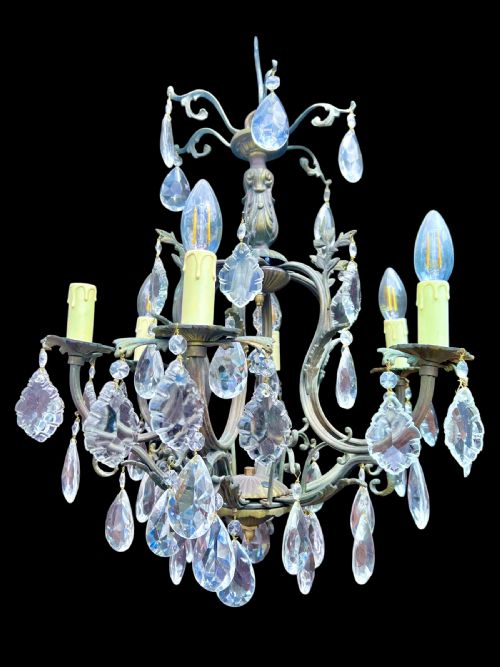
Stylistic influences draw heavily on French Chateau, French Rococo, French Empire, and Regency Revival traditions. Buyers regularly find lanterns and chandeliers combining cast bronze and brass frameworks with glass and crystal elements.
What varies in quality
Quality rests in the depth of the casting and the richness of the patination across the bronze frame. Finer examples display crisp detail in classical revival motifs and harmonious proportions across double-tiered designs.
The integration of glass and crystal components relative to the heavy metal structure distinguishes standard production from more ambitious pieces. Superior construction ensures the secure alignment of numerous light branches, whether executed in a French Empire or Rococo style.
Patinated Bronze Ceiling Fitting Retail Price Guide 2026
Typical asking prices for patinated bronze ceiling fitting among the pieces listed under this phrase on Sellingantiques today, from the lower quarter to the upper quarter. They describe what is for sale here now, not the wider market.
Several pieces require sixteen separate candles or bulbs to achieve their intended glow.
The Patinated Bronze Ceiling Fitting Glossary
- Patinated bronze
- Bronze that has been treated chemically or naturally to darken the surface and create a rich, aged finish. This dark tone defines the character of nineteenth and twentieth-century fittings.
- Ormolu
- Gilt bronze ornamentation applied to furniture and lighting fixtures. It provides a bright metallic contrast against dark patinated bronze frames.
- Hall lantern
- An enclosed ceiling-hung lighting fixture designed specifically for corridors and entrance spaces. These pieces often feature glass panels held within a metal framework.
- Double tiered
- A chandelier structure featuring two distinct levels of light arms arranged vertically. This configuration allows for a greater number of bulbs and increased visual weight.
Patinated Bronze Ceiling Fitting: Frequently Asked Questions
How do I hang a heavy bronze chandelier safely?
These substantial fixtures require direct attachment to ceiling joists using rated structural fixings that can support the considerable weight of cast metal and crystal.
Consulting a professional electrician ensures the mounting box and wiring are adequate for multi-light nineteenth or twentieth-century fittings.
What is the difference between an Empire and Rococo chandelier?
Empire designs draw on classical Roman and Greek motifs, featuring symmetrical lines, urn shapes, and military or laurel leaf ornamentation. They project a disciplined, monumental formality.
Rococo fittings embrace asymmetrical scrolls, naturalistic leaf motifs, and exuberant curves. These pieces lean into theatrical ornamentation rather than strict classical geometry.
How do I clean patinated bronze safely?
Dust the metal gently with a soft, dry cloth to remove surface particles without disturbing the underlying dark finish. Avoid chemical polishes that strip away historical patination.
Crystal and glass drops can be washed individually in warm soapy water and dried thoroughly before being reattached to the frame.
Where should a hall lantern be hung?
Hall lanterns suit entryways, stairwells, and high-ceilinged corridors where their enclosed glass and metal construction can be appreciated from below. They provide directional illumination while establishing an architectural focal point.
Ensure adequate clearance beneath the fitting so movement through the hallway remains unobstructed.