




Pastoral Sheep Painting
These pastoral sheep painting works capture rural tranquility and agrarian life through enduring British and continental artistry.
Pastoral Sheep Painting
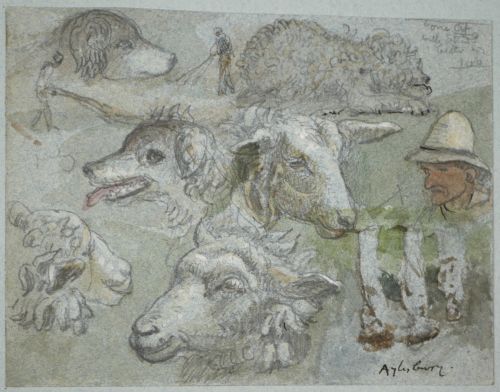
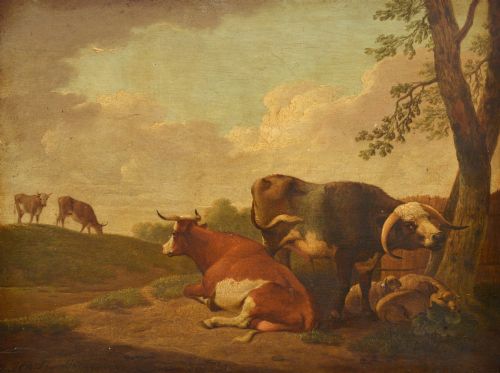
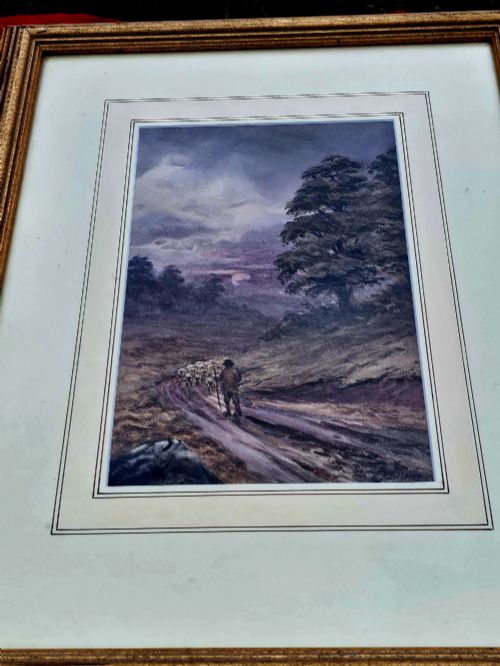
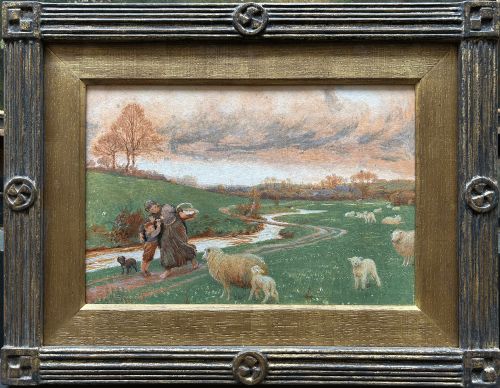
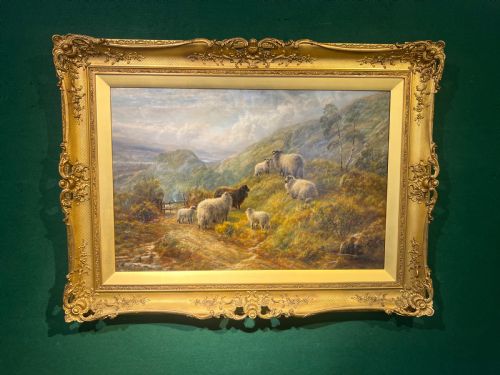
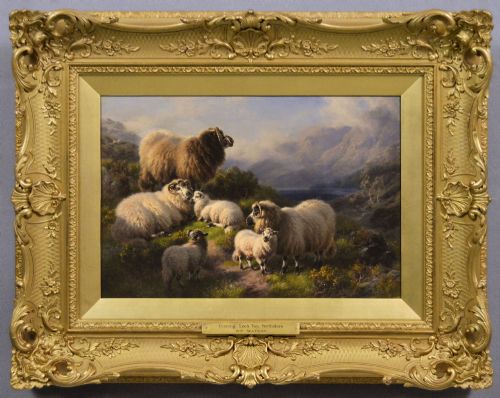
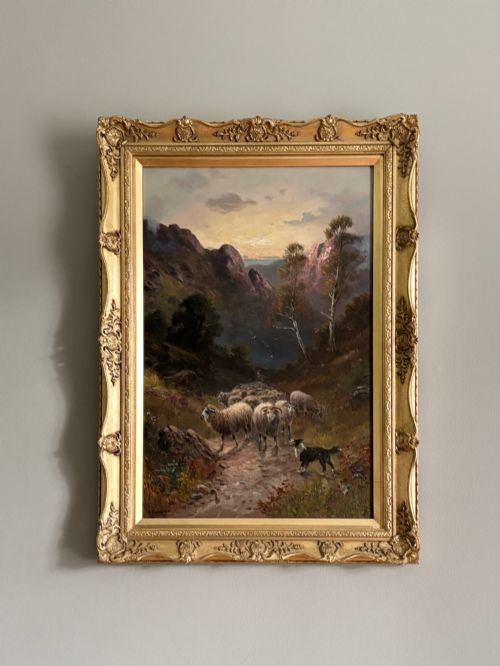
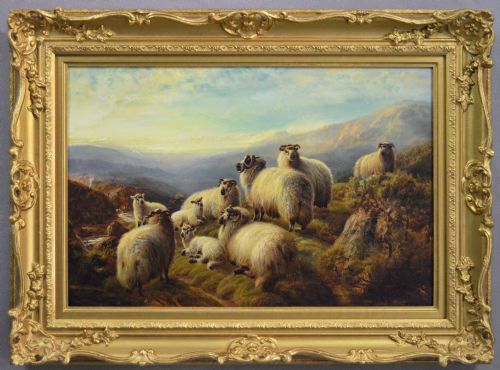
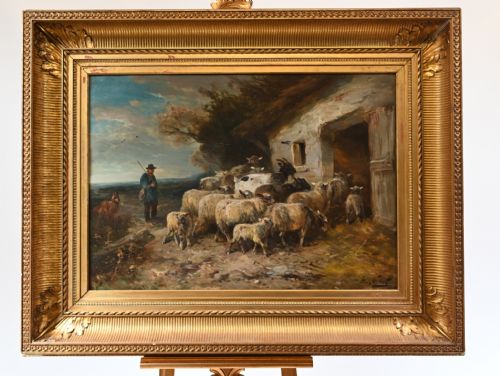
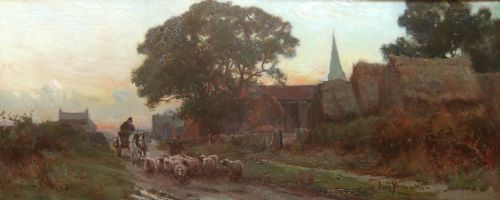
A pastoral sheep painting portrays rural landscapes populated by flocks, shepherds, and agrarian vistas. These works typically emerge from the nineteenth and early twentieth centuries, spanning Victorian, Edwardian, and impressionist movements.
The selections on this page range from intimate watercolours on paper to substantial oil paintings on canvas and wood panel. Collectors encounter both British countryside scenes and continental European landscapes featuring these agricultural motifs.
Materials and Methods
Artists primarily employed oil on canvas or wood panel, alongside watercolour on paper, to build these rural compositions. Canvases frequently sit within period giltwood and gesso frames that complement the painted surface.
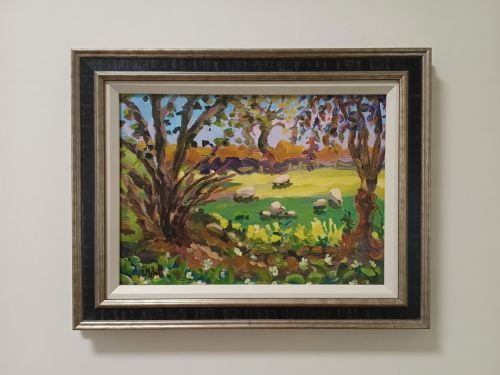
Makers applied pigments using both detailed realism and impressionistic brushwork, capturing the texture of wool, foliage, and changing light across pastoral valleys.
Sheep appear alongside goats, ponies, cattle, and even a patch of wild garlic.
Evaluating Quality and Execution
The strength of a composition rests on the artist's handling of natural light, atmospheric depth, and the anatomical convincingness of the animals. Finer works display confident brushwork and a harmonious palette that integrates livestock seamlessly into the wider landscape.
Provenance and signature clarity elevate certain examples, whilst the preservation of the original canvas and synchronous period framing contribute significantly to the standing of the piece.
Eugène Verboeckhoven·Tom Campbell·James Smetham·Hendrik Willem Schweickhardt·Lucy Pratt·Robert Watson·William Watson Jnr·Douglas Cameron·Henry Schouten·Owen Bowen·Cornelius Pearson·Henry Charles Fox·William Henry Mander·Thomas Sidney Cooper·Franz van Severdonck·William Sydney Cooper·Robert John Hammond·Willem Anton Alexander Knip·Eugene Joseph Verboeckhoven·Frederick W Jackson·Walter J Watson·James de Rijk·Lorenzo Headley·Bernard Walter Evans·George Turner
The Pastoral Sheep Painting Glossary
- Oil on Canvas
- Pigment mixed with drying oil applied to a stretched woven fabric support. This medium allowed artists to achieve rich colour depth and textured surfaces.
- Watercolour
- A paint consisting of colour suspended in a water-soluble binder, traditionally worked on paper. It creates luminous, translucent washes ideal for atmospheric sky and landscape effects.
- Giltwood
- Wood carved and coated with gold leaf or a gold-coloured metallic finish. These ornate borders frequently house nineteenth-century fine art.
- Gesso
- A plaster-like mixture applied to wood or canvas as a base for painting or gilding. On frames, it provides a smooth surface for intricate moulded ornament.
- Pastoral
- Relating to the countryside and rural life, particularly depicted in a romanticised or peaceful manner. This genre focuses on agrarian tranquility, livestock, and natural scenery.
Pastoral Sheep Painting: Frequently Asked Questions
What periods do these paintings date from?
The available works span primarily from the nineteenth century through the Edwardian era. Artists worked across distinct periods including Victorian and early twentieth-century movements.
Dates recorded in titles range from eighteenth-century pieces up to mid-century examples. The selection heavily represents nineteenth-century romanticism and impressionistic styles.
How should I care for an antique painting?
Keep works away from direct sunlight and fluctuating humidity to protect both the canvas and the pigments. Gentle dusting with a soft, dry brush preserves the surface.
Avoid hanging paintings near direct heat sources or in damp environments. Original giltwood frames benefit from careful cleaning without harsh chemical solvents.
Are these works signed by the artists?
Many listings feature signed canvases, watercolours, or panels attributed to known European and British painters. Signatures help establish provenance and date the creation.
Unsigned examples are often attributed to specific schools or followers of prominent nineteenth-century animaliers. Attribution relies on stylistic analysis and period characteristics.
What is pastoral art?
Pastoral art depicts rural scenes, agricultural life, and domesticated animals within natural landscapes. It reflects an idealized view of country existence.
These compositions frequently centre on shepherds, flocks of sheep, and cattle against Highland or lowland backdrops. The genre gained immense popularity throughout the Victorian period.