

Parquetry and Marquetry
Parquetry and marquetry bring together intricate geometric floors and pictorial wood veneers across centuries of cabinet making.
Parquetry and Marquetry
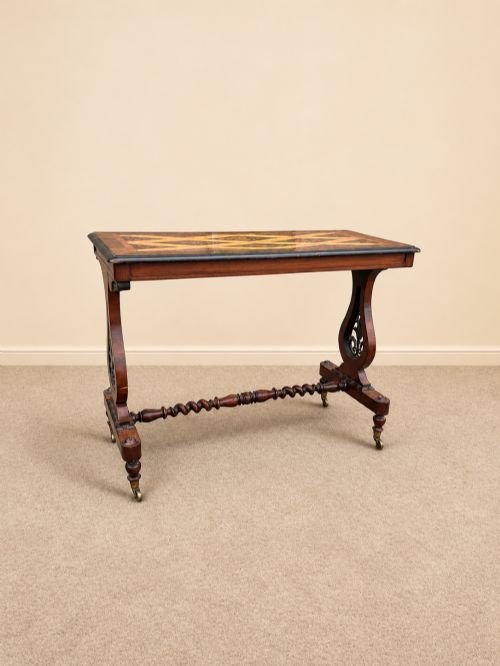
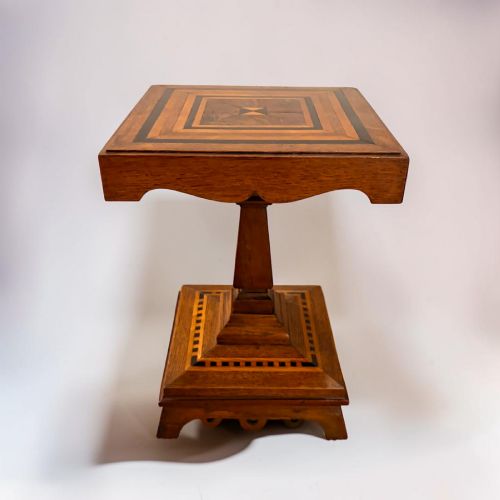
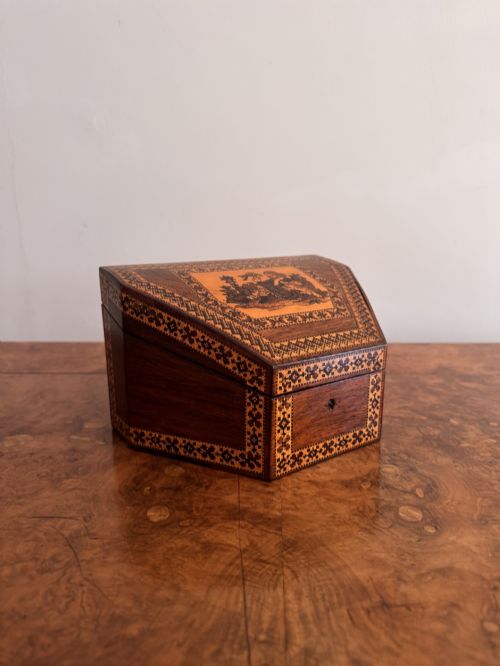
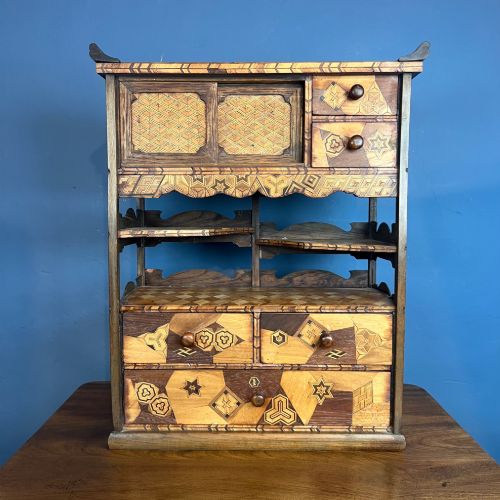
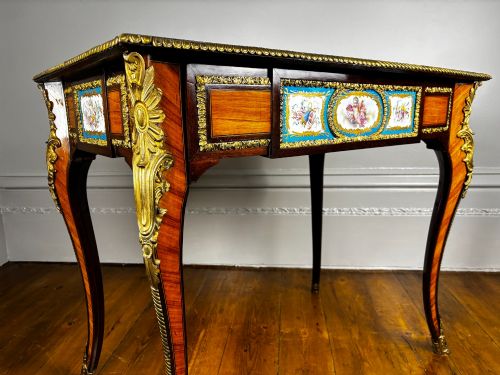
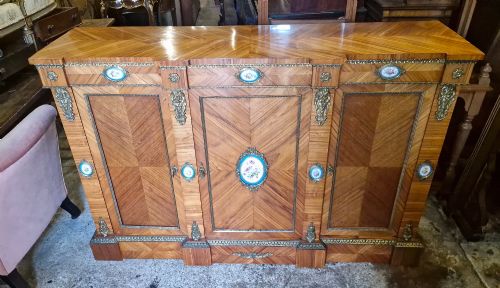
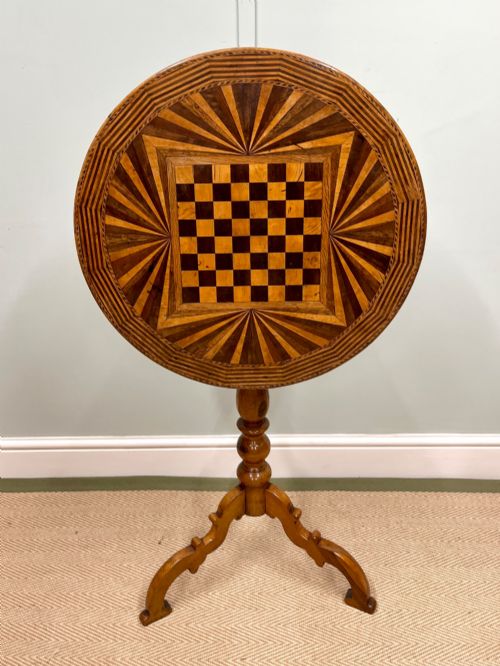
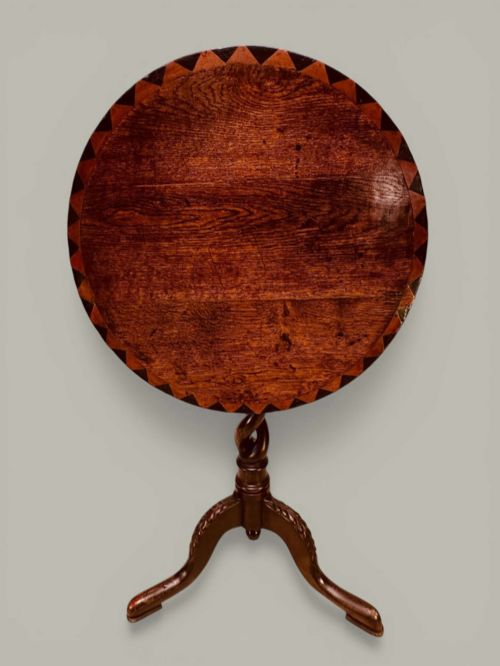
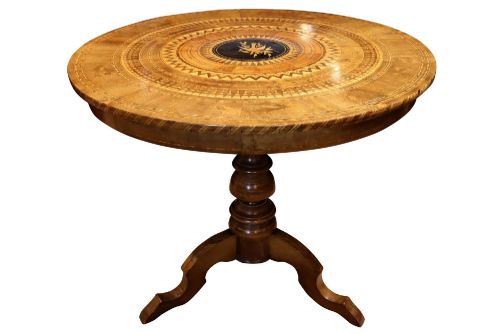
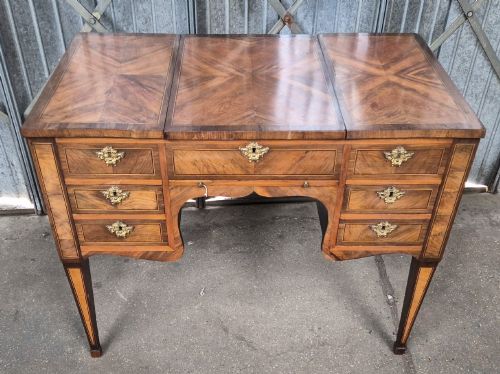
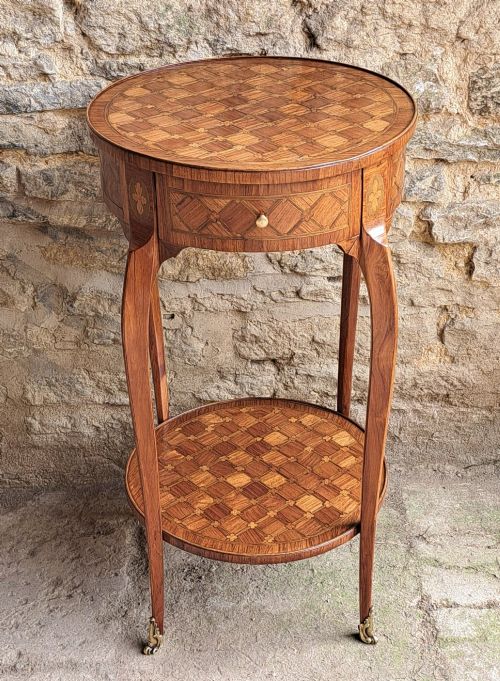
Parquetry and marquetry pieces encompass items where small pieces of wood veneer form geometric patterns or pictorial designs. Buyers searching for parquetry and marquetry encounter diverse forms ranging from occasional tables and games tables to chests of drawers, writing desks, and side cabinets.
The objects span multiple periods, with strong representation from the eighteenth century, the nineteenth century, and early twentieth century revivals. French designs in Louis XV and Louis XVI styles frequently appear alongside Italian Sorrento pieces and Syrian inlaid works.
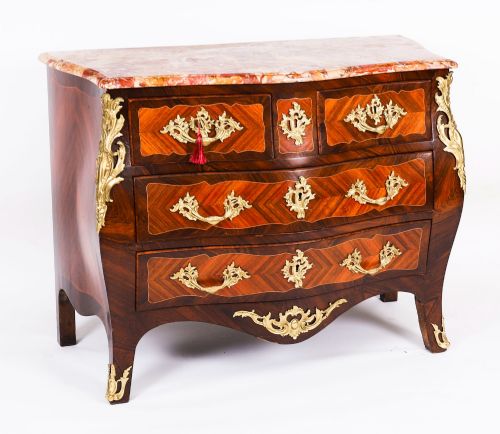
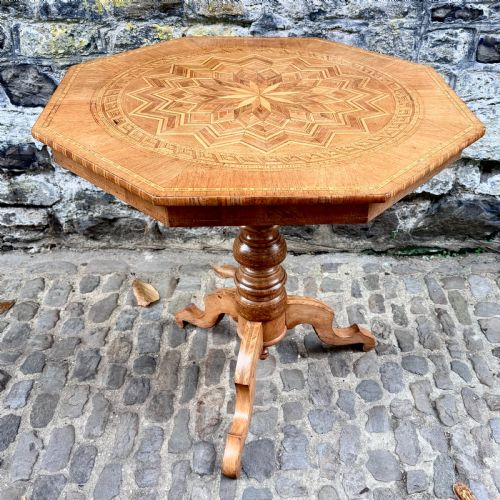
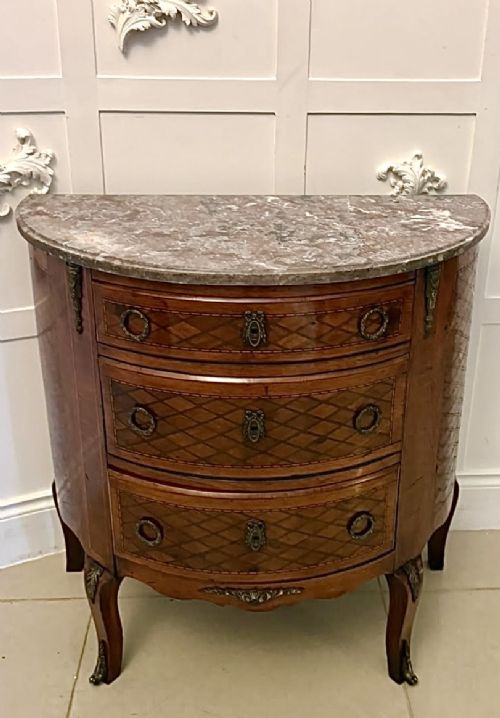
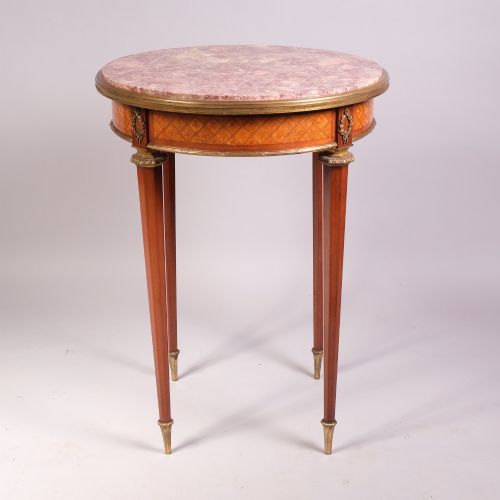
Occasional tables and commodes dominate the selections currently visible. These items showcase contrasting timbers arranged to catch the light and demonstrate the skill of the maker.
Materials and construction
Cabinet makers built these surfaces using a foundation of solid timber overlaid with fine veneers of kingwood, rosewood, walnut, mahogany, and tulipwood. The contrasting natural tones of these woods allowed artisans to build complex tonal depth without applying artificial stains.
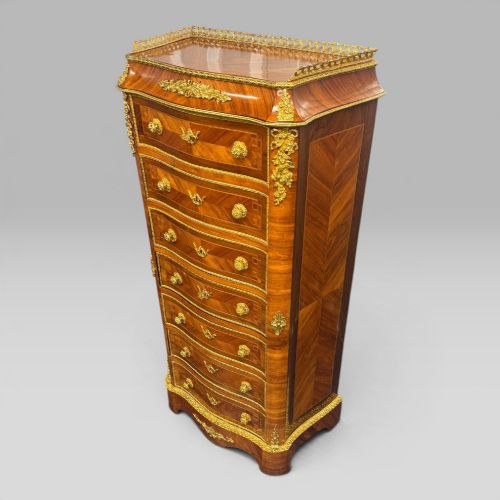
Many items incorporate mounts of cast or gilded brass, known as ormolu, alongside marble tops in white or rouge varieties. These metal and stone additions frame the timber work and provide structural support to corners and legs.
Parquetry and Marquetry Retail Price Guide 2026
Typical asking prices for parquetry and marquetry among the pieces listed under this phrase on Sellingantiques today, from the lower quarter to the upper quarter. They describe what is for sale here now, not the wider market.
Envelope games tables unfold through a clever mechanism that reveals a baize-lined playing surface with hidden scoring wells.
Assessing quality
Quality rests upon the precision of the veneer cutting and the tightness of the joints between individual timber pieces. Superior examples maintain perfectly flat surfaces where grain directions oppose one another without lifting or shrinking.
The choice of secondary woods and the refinement of the bronze or ormolu mounts indicate the workshop standard. Well executed pieces integrate the metalwork flush with the carcase timber and employ choice burr woods for the primary display areas.
Ralph Turnbull·Francois Linke·Gillows
The Parquetry and Marquetry Glossary
- Parquetry
- Geometric mosaic woodwork formed by small veneer blocks arranged in repeating patterns. This technique frequently covers table tops and commode drawers.
- Marquetry
- Pictorial veneer work using diverse woods to create floral, landscape, or scroll motifs. Artisans cut these designs from thin sheets held together in packets.
- Ormolu
- Gilded bronze mounts applied to furniture edges, feet, and key escutcheons. This decorative metalwork protects vulnerable corners and adds visual weight.
- Poudreuse
- A small dressing table fitted with folding lids and internal compartments. These French vanity tables often feature intricate parquetry tops.
- Commode
- A low chest of drawers dating from the eighteenth or nineteenth centuries. These pieces typically display elaborate marquetry fronts and marble tops.
Parquetry and Marquetry: Frequently Asked Questions
What is the difference between parquetry and marquetry?
Parquetry relies on geometric shapes like squares, triangles, and cubes to create repeating patterns across a surface. Marquetry uses pictorial veneers to build curved designs, flowers, or scenes.
Both techniques require exact hand cutting of thin wood veneers. Makers often combine both methods on a single cabinet or table top.
How do I care for inlaid wood furniture?
Keep inlaid tables and cabinets away from direct sunlight and strong heat sources. Excessive dryness causes thin wood veneers to shrink and lift from the carcase.
Apply a traditional wax polish occasionally to nourish the timber. Avoid using wet cloths or modern silicone sprays on antique polished surfaces.
How do I identify a French revival piece?
French revival furniture often copies Louis XV or Louis XVI styles using kingwood, rosewood, and ormolu mounts. These items typically date from the nineteenth century rather than the eighteenth century.
Examine the construction methods and secondary timbers inside the drawers. Nineteenth-century workshops adopted machine-sawn elements while retaining hand-cut veneers.
Where were Sorrento inlaid tables made?
Sorrento tables originate from the coastal town of Sorrento in Italy. Local craftsmen specialised in walnut marquetry depicting musical instruments, buildings, and floral sprays.
These occasional tables often feature characteristic banded borders and pale wood inlays. They gained popularity among nineteenth-century travellers visiting Italy.