


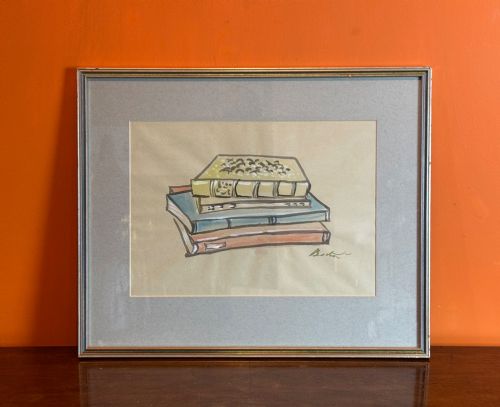
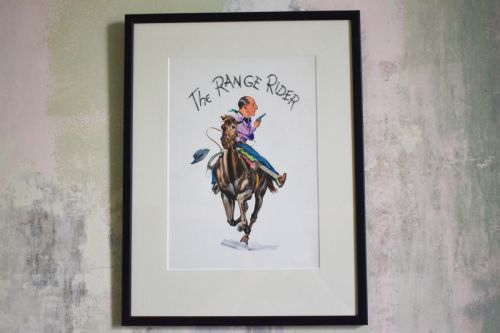
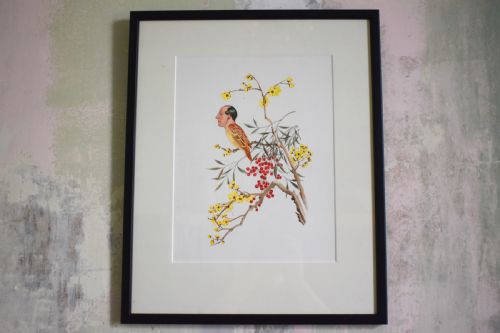
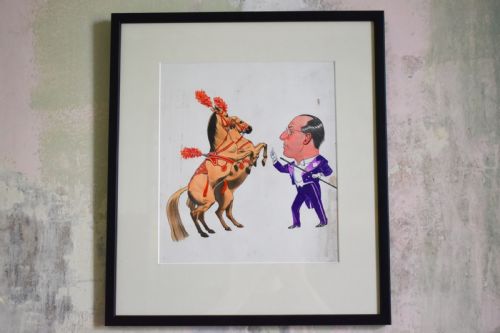
Paper Watercolour Print
These paper watercolour print selections gather works on paper spanning centuries, offering direct encounters with delicate hand-painted detail.
Paper Watercolour Print
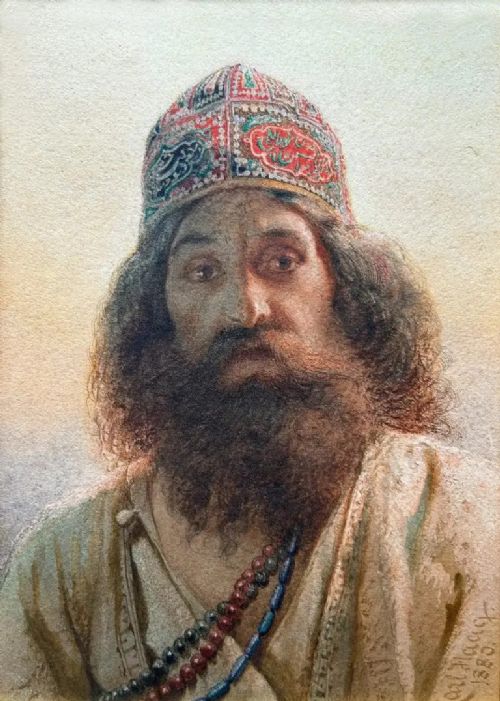
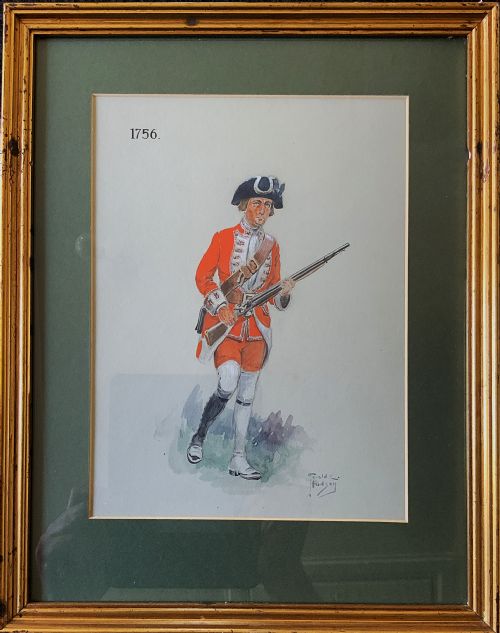
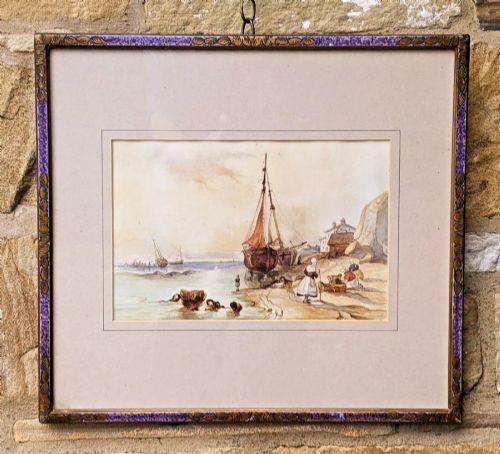
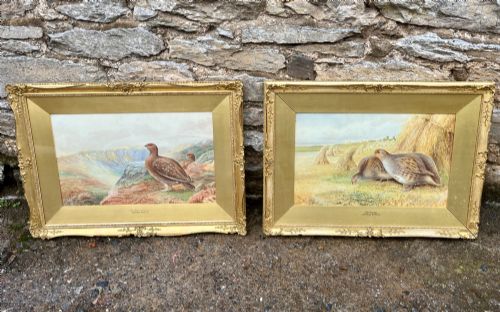
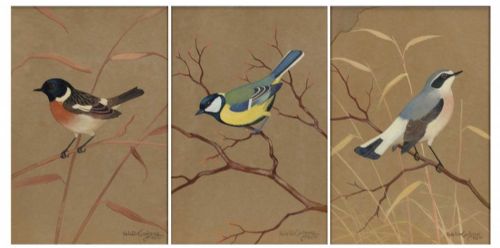
When searching for a paper watercolour print, collectors encounter a mixture of original hand-painted works, mixed media compositions, and early illustrated pages produced across the Victorian, Edwardian, and mid-century periods. The selection includes architectural studies, topographical landscapes, bird and botanical paintings, and figurative sketches.
Most pieces on this page emerge from the nineteenth and early twentieth centuries, presenting regional British scenes, European landmarks, and avian studies executed on paper sheets. These works often bear the distinct hand of named artists working in watercolour pigment, ink, gouache, and wash.
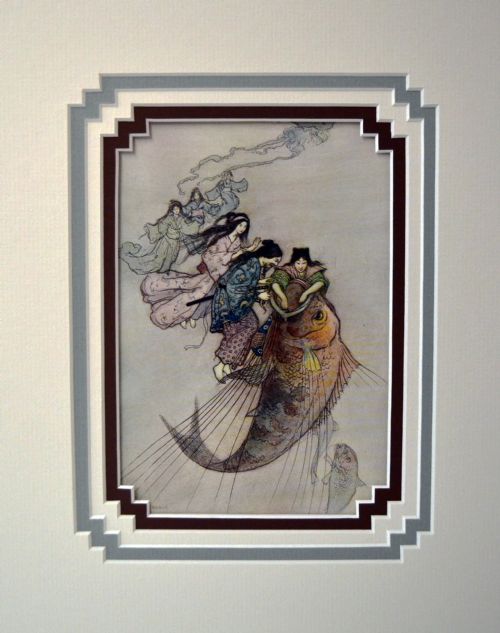
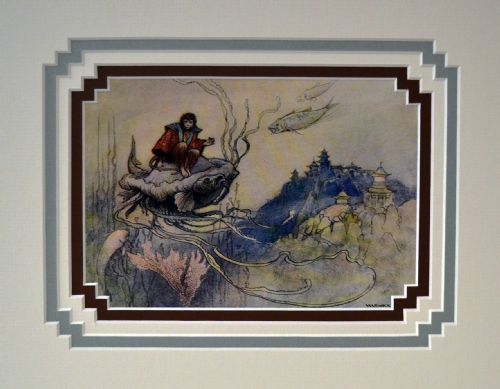
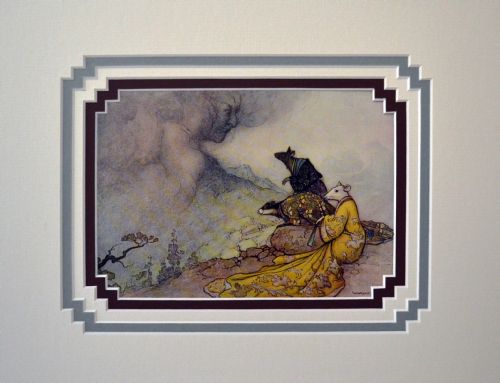
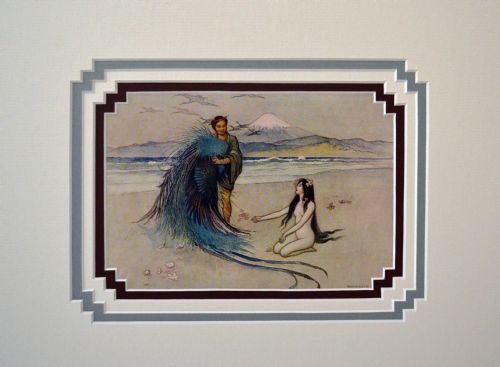
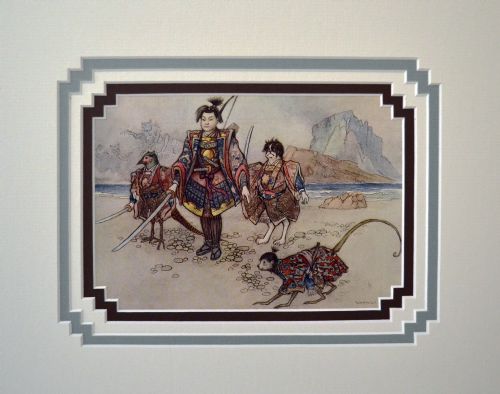
Alongside singular paintings, the selection encompasses sets of illustrations and bound book plates such as early Japanese fairy tale prints and Chinese pith paper paintings. These varied forms provide collectors with examples of both intimate personal sketches and finished exhibition pieces.
Materials and Technique
The works utilise absorbent paper sheets as a ground for water-soluble pigments, often supported by underlying pencil or ink sketches that define the composition before the washes are applied. Artists layered translucent watercolours to build depth, occasionally introducing opaque gouache to highlight details such as feathers, architecture, or floral petals.
Framed examples frequently incorporate glass protection alongside wooden or gilt wood frames that secure the paper support. Pith paper paintings employ the delicate, cellular pith of the Tetrapanax papyrifer plant, requiring careful mounting due to the fragile nature of the material.
Prints and illustrated book plates from the period rely on early printing techniques combined with hand-applied colour or monochrome ink processes. These methods result in textured surfaces where ink and pigment sit directly upon the paper fibres.
The selection includes architectural prints, bird studies, and landscape paintings by British, European, and Asian artists.
Assessing Quality
Quality rests upon the confidence of the brushwork and the precision with which the artist handles fluid pigment across the paper support. Skilled hands achieve tonal variation and atmosphere with minimal strokes, whereas weaker examples present static lines and overworked washes.
The strength of the composition and the clarity of the subject matter separate accomplished works from routine sketches. Pieces that capture light, movement, and specific atmospheric conditions demonstrate a higher level of draftsmanship.
The preservation of the paper and the vibrancy of the pigments dictate the visual impact of the piece. Works that retain their original colour saturation without heavy fading or excessive discolouration offer a truer representation of the artist's intent.
Alfred Young Nutt·Carl Haag·George Rankin·Cecil Beaton·Warwick Goble·James William Booth·Edith E Caswall·Fred Lawson·Kees van Dongen·John Atkinson
The Paper Watercolour Print Glossary
- Watercolour pigment
- A colourant ground with a water-soluble binder, used to create translucent washes on paper.
- Gouache
- An opaque watercolour paint containing an added white pigment to create a heavier, solid finish.
- Pith paper
- A fragile, cellular material sliced from plant stems, historically used in nineteenth-century Chinese export painting.
- Wash
- A thin, fluid layer of diluted watercolour spread evenly across an area of paper to create sky or background tones.
- Woodblock print
- An image printed from a carved wooden block, sometimes combined with hand-applied watercolour washes.
Paper Watercolour Print: Frequently Asked Questions
How should I frame a paper watercolour?
Watercolour works on paper require framing behind glass with a mount that prevents the paper surface from touching the glazing directly. This spacing protects the pigments and the paper fibres from moisture and condensation.
Positioning pieces away from direct sunlight preserves the fugitive watercolours and prevents the paper support from yellowing over time.
How do I date a nineteenth-century watercolour?
Dating works on paper relies on examining the watermark within the paper sheet, the stylistic conventions of the subject, and any accompanying signatures or dealer annotations. Historical costume, architectural details, and framing styles also offer reliable clues to the period of production.
Comparative examples by the same artist or regional school help narrow down the decade in which the painting was executed.
Are gouache and watercolour the same?
Gouache and watercolour both use water-soluble binders, but gouache includes an added white pigment that makes the paint opaque rather than translucent. Artists often combine both mediums within a single work to create contrasting areas of flat colour and soft washes.
Both materials react sensitively to moisture, meaning framed works on paper require dry, stable environments for long-term display.