
Mounted Paper Print
These mounted antique paper print selections bring historical illustration, maps, and hand-coloured engravings into modern interiors with authentic period character.
Mounted Paper Print
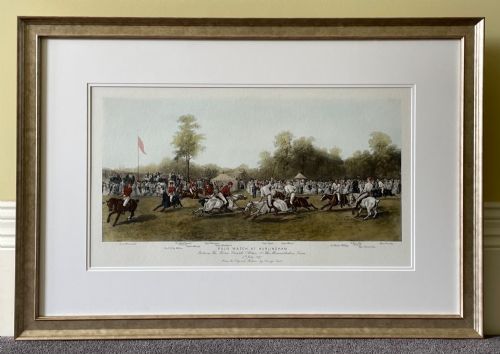
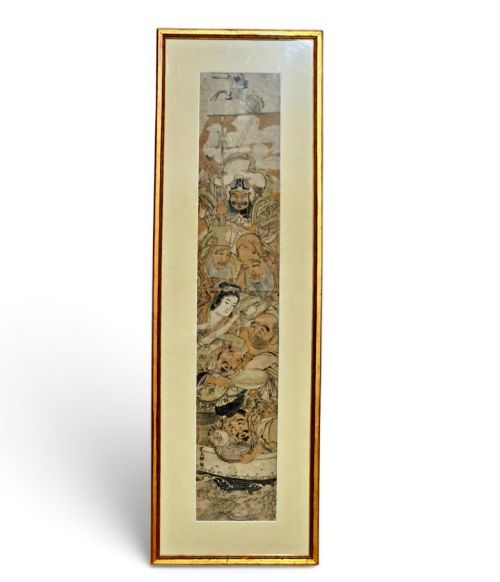
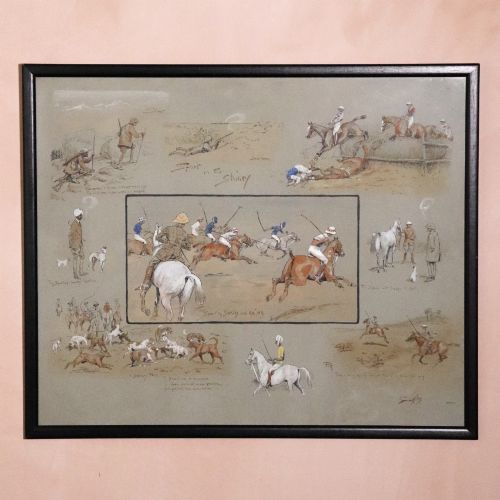
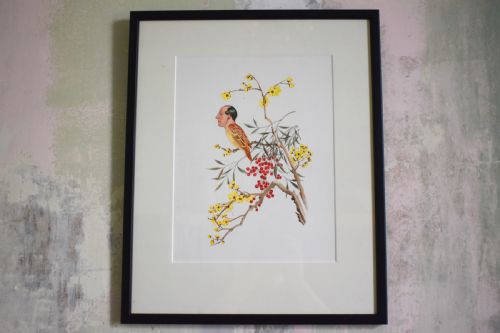
When you search for a mounted antique paper print, you encounter framed artwork and wall art spanning from the eighteenth century through to the early twentieth century. These pieces encompass lithographs, watercolours, woodblock prints, engravings, etchings, and maps, presented behind glass in various frames.
The selections on this page lean heavily towards nineteenth-century works, Regency engravings, and early twentieth-century illustrations, alongside eighteenth-century watercolours and maps. Buyers frequently find framed groupings or individual sheets by named artists and illustrators.
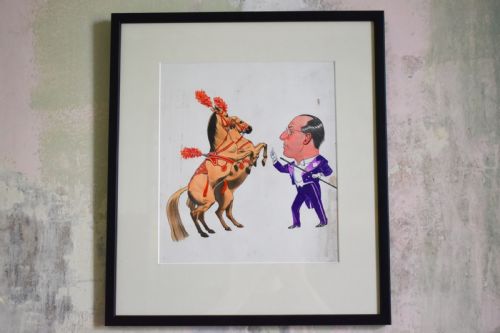
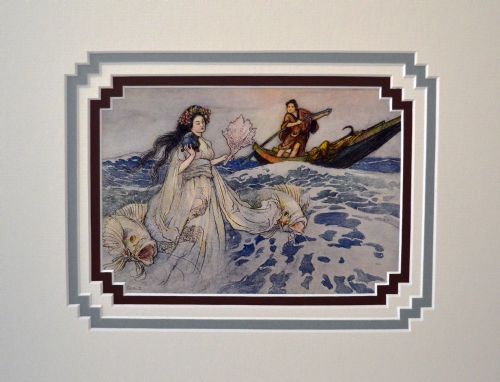
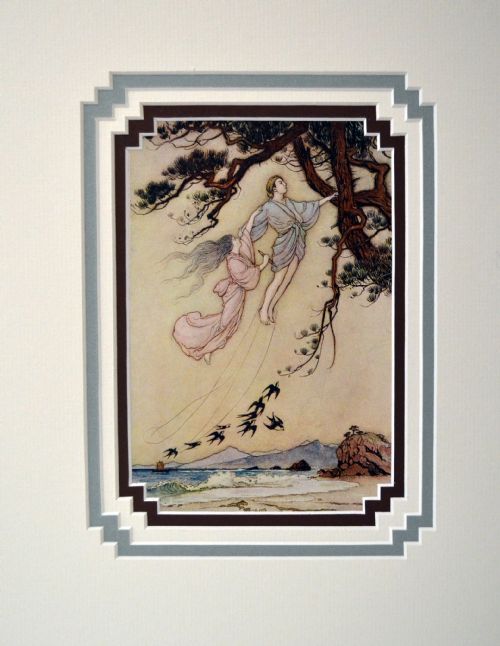
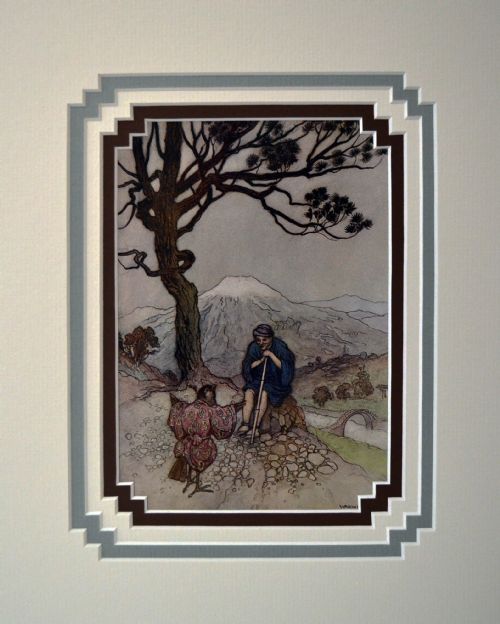
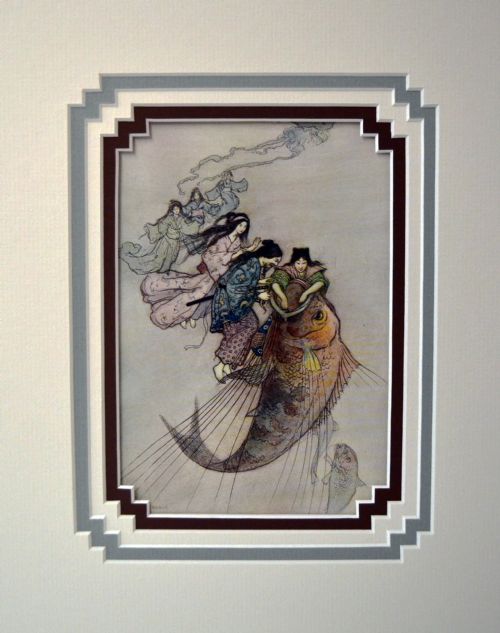
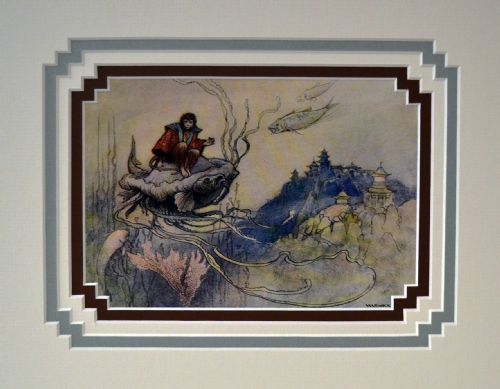
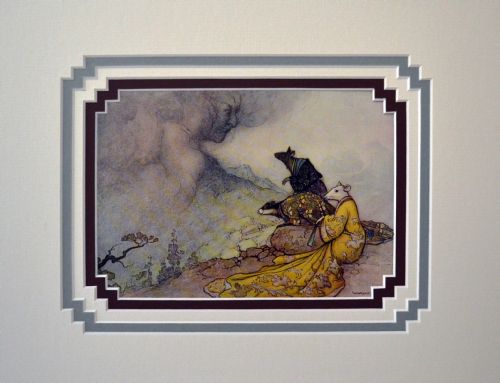
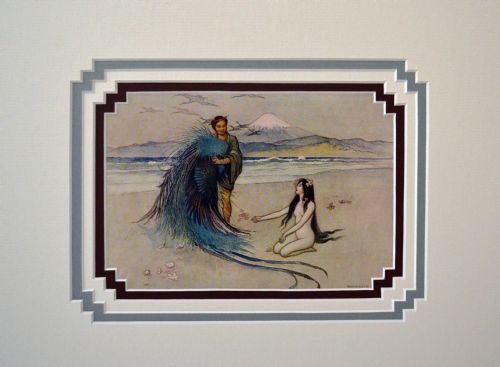
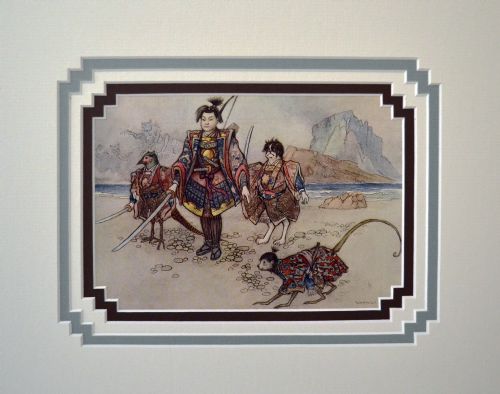
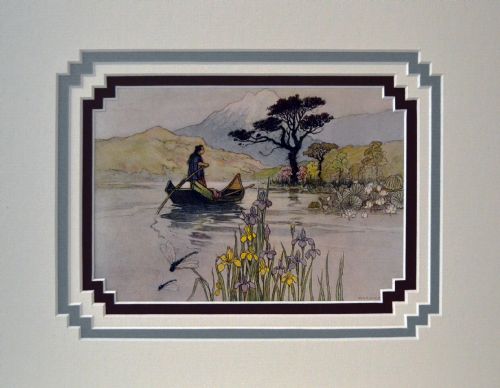
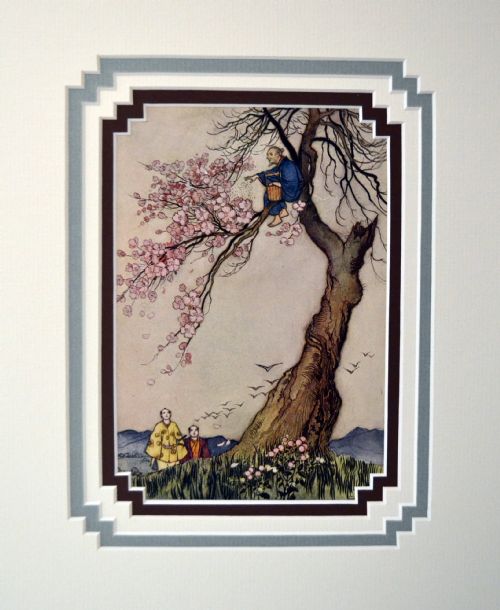
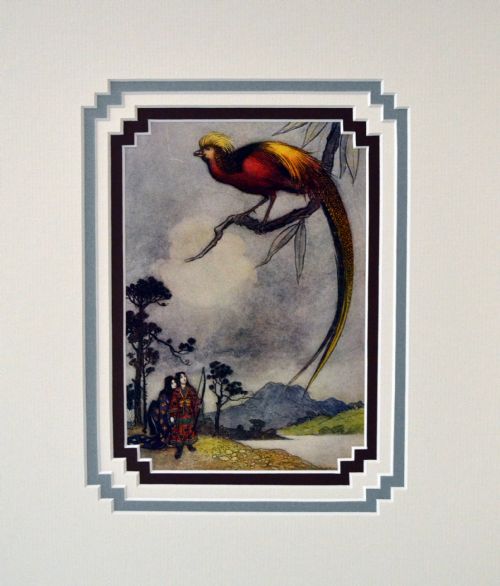
Subjects range widely from British colonial scenes and sporting prints by artists like Snaffles to Japanese fairy tale illustrations by Warwick Goble and Vanity Fair caricature prints. Architectural engravings, Italian landmarks, and antique maps of Surrey provide further diversity for collectors.
How they were made
The primary substrate across these works is paper or card, receiving applications of ink, pen, watercolour, or hand-colouring during printing and illustration processes. Woodblock carving, lithography, etching, and engraving constitute the core techniques utilised to produce the underlying images.
Framing materials incorporate wood and glass to protect the delicate paper surfaces, occasionally accented with gold leaf on scroll-mounted frames from the eighteenth and nineteenth centuries. Cardboard mounts provide structural separation between the antique print and the protective glass.
Listings feature paper works spanning the eighteenth, nineteenth, and twentieth centuries, utilising wood, glass, gold leaf, and card.
What varies in quality
The depth of colour retention and the crispness of ink lines distinguish finer examples from standard items, particularly in hand-coloured engravings and watercolours where pigment vibrancy matters greatly. Original first-edition print runs hold stronger collector interest than later impressions.
The quality of the accompanying frame significantly influences the overall presentation, with period gilt rectangular scroll frames offering superior craftsmanship compared to later replacement mouldings.
Warwick Goble·Louis Wain·John Cary·J. Duncan·C. Smith
The Mounted Paper Print Glossary
- Engraving
- A printmaking technique where an artist cuts lines directly into a metal plate using a sharp tool called a burin. This method produces fine, precise details visible in many historical book illustrations and maps.
- Lithography
- A planographic printing process based on the repulsion of oil and water, enabling the reproduction of rich tonal drawings and multi-coloured prints.
- Etching
- An intaglio process where acid bites lines into a metal plate covered with an acid-resistant ground. Artists use this method to achieve fluid, expressive lines in fine art prints.
- Hand-coloured
- A traditional finishing method where artists apply watercolours or tints by hand to a printed monochrome base. This technique enhances the visual appeal of nineteenth-century book plates and maps.
Mounted Paper Print: Frequently Asked Questions
How do I hang antique prints safely?
Use sturdy wall hooks appropriate for the weight of the timber frame and glass, ensuring the piece hangs away from direct sunlight.
Positioning prints out of harsh light prevents the fading of delicate watercolours and paper components over time.
Can I remove prints from their mounts?
Leaving historical paper prints in their existing mounts is generally advisable to protect the fragile edges and prevent handling damage.
Interfering with original framing can compromise the structural integrity of eighteenth and nineteenth-century card supports.
How are antique maps dated?
Cartographic evidence, publisher signatures, and topographical details printed on the paper help establish the approximate production period.
Surrey maps in this collection, for instance, bear specific early nineteenth-century publication years attributed to mapmakers like John Cary.
What protection do glass frames provide?
Glass acts as a vital barrier against atmospheric dust, moisture, and airborne pollutants that degrade antique paper over decades.
Keeping the original framing intact helps preserve the physical condition of ink and watercolour layers.