


Paper Portrait Miniature
A paper portrait miniature distils a life into a few square inches of watercolour, ink, or cut paper, offering an intimate glimpse into Georgian and Victorian parlours.
Paper Portrait Miniature
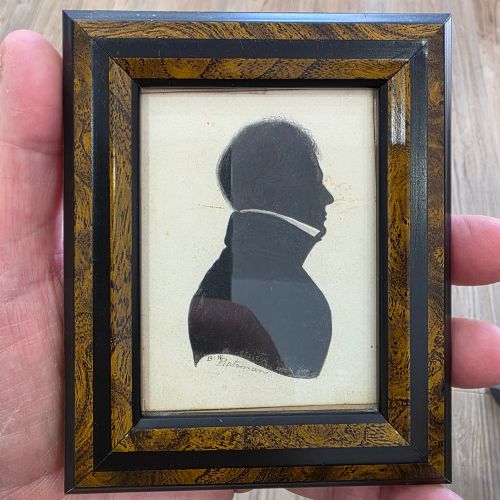
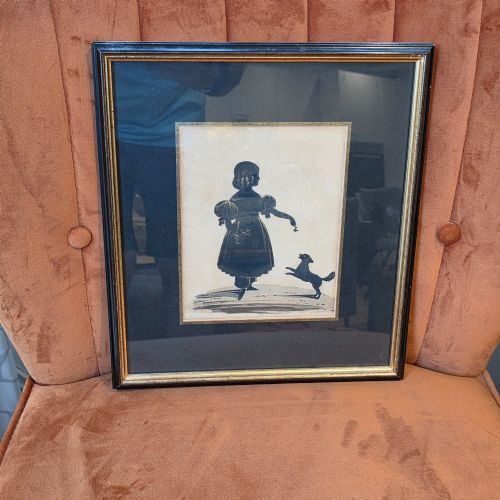
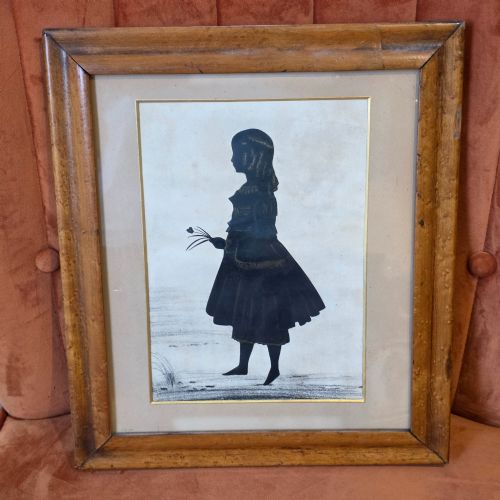
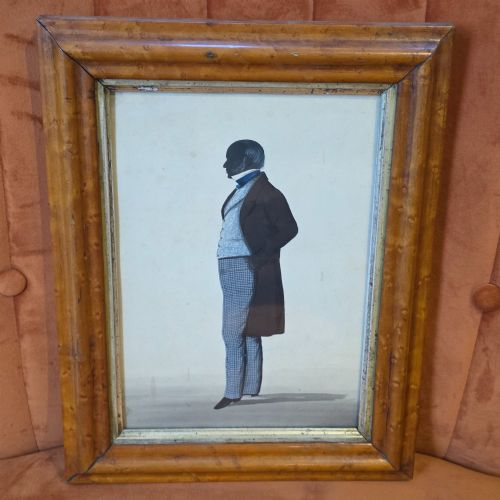
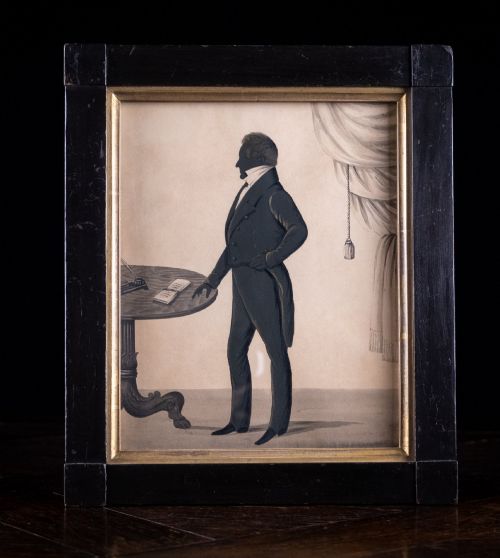
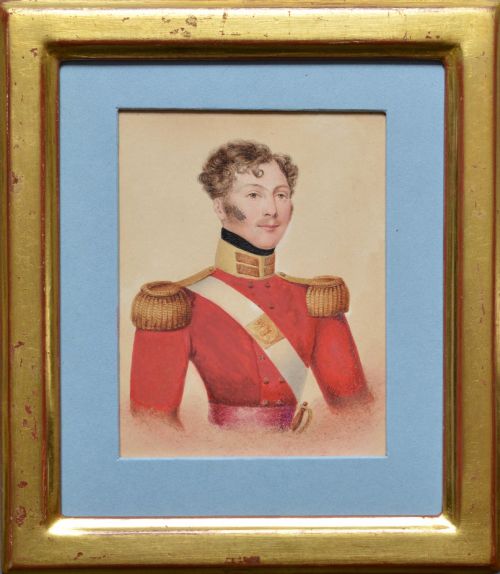
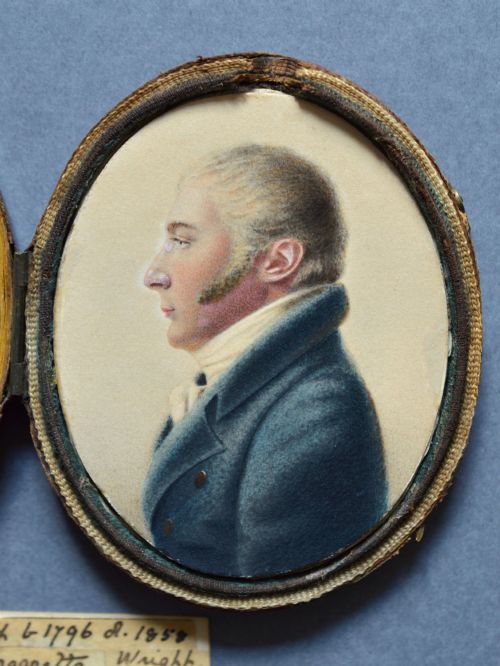
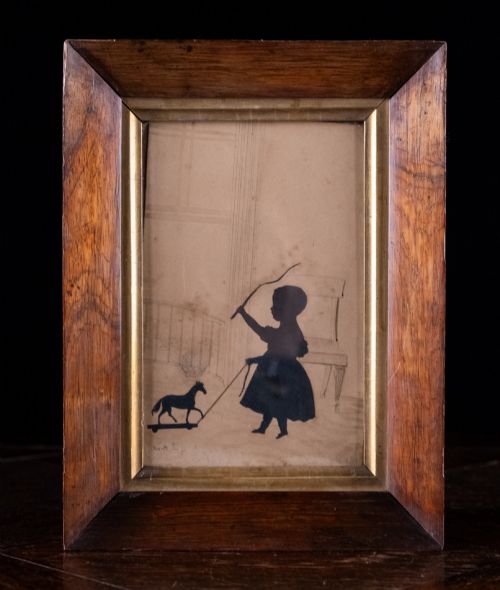
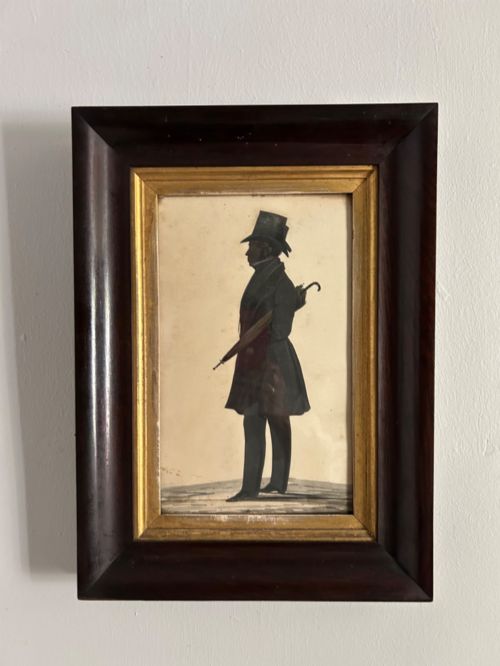
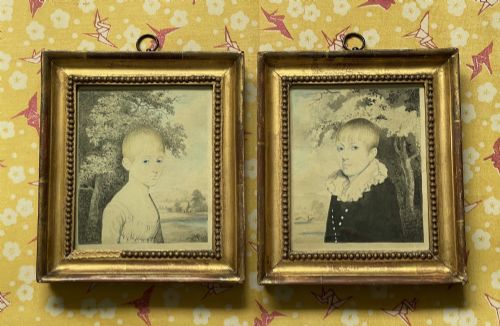
A paper portrait miniature captures the likeness of an individual through delicate mediums on paper, spanning the Georgian, Regency, and Victorian periods. These pieces take the form of framed artwork, wall art, and silhouette portraits depicting gentlemen, ladies, children, and even animals.
Buyers frequently encounter hand-cut silhouettes alongside fine watercolour and pencil paintings on paper. These works often survive in period frames made of wood, brass, or gilt, preserving domestic history from the eighteenth and nineteenth centuries.
How they were made
Artists employed watercolour, ink, and pencil directly onto paper surfaces, sometimes combining media with pastel or gouache for depth. Silhouette makers utilised scissors to cut paper freehand, occasionally adding gold leaf highlights or painted details to garments.
Frames utilised timber such as maple, ebony, and gilt wood, paired with protective glass and brass fittings. These materials safeguarded the delicate paper and pigments from atmospheric moisture.
Listings feature paper, glass, wood, watercolour, ink, brass, gold leaf, and gilt wood across Georgian, Regency, and Victorian periods.
What varies in quality
The precision of the hand-cutting and the fineness of the brushwork separate casual mementos from accomplished portraiture. Skilled artists captured convincing proportions, textiles, and facial expressions despite the diminutive scale.
The preservation of the paper and the originality of the mounting frame influence the integrity of the piece. Clean paper without heavy foxing and period-appropriate glass enhance the visual impact.
William James Hubard·Augustin Edouart·Albin R Burt·John Smith of Edinburgh·Thomas Woolnoth
The Paper Portrait Miniature Glossary
- Silhouette
- A portrait profile filled in with a solid colour, typically black, cut from paper or painted. This form gained immense popularity during the eighteenth and nineteenth centuries.
- Foxing
- Brown spots or discoloration on paper caused by chemical reactions over time. It is a common occurrence in antique watercolours and paper miniatures.
- Gouache
- An opaque watercolour paint that provides heavier coverage and brighter highlights. Artists used it to add texture and detail to clothing and accessories.
- Miniature
- A small-scale painting or portrait designed for intimate viewing. These works required immense skill due to the fine detail packed into restricted dimensions.
Paper Portrait Miniature: Frequently Asked Questions
How were paper portrait miniatures displayed?
These pieces usually hung in small clusters on parlour walls or sat upon mantelpieces. Their modest proportions allowed owners to arrange them closely together in domestic spaces.
Many featured integrated loops or stands for versatile placement within the home. Families often grouped portraits of children and relatives in matching frames.
What is a cut-paper silhouette?
A cut-paper silhouette is a likeness formed entirely by snipping black or dark paper with small scissors. Artists created these profiles swiftly, sometimes without preliminary sketching.
Some pieces included layered paper elements or costume overlays to create three-dimensional depth. This technique required exceptional manual dexterity.
How do I care for antique paper art?
Keep paper portraits away from direct sunlight to prevent the fading of watercolours and inks. Stable indoor humidity protects the paper fibres from degradation.
Avoid placing them in damp environments where mould or foxing might develop. Professional framing using acid-free materials ensures long-term preservation.