

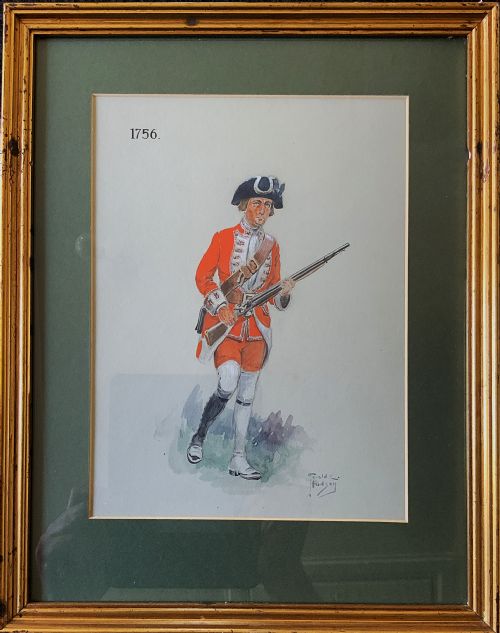


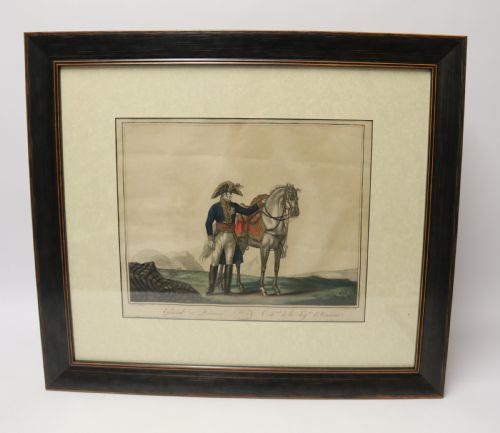


Paper Military Portrait
A paper military portrait captures the likeness of officers and soldiers on delicate sheets spanning centuries of service.
Paper Military Portrait
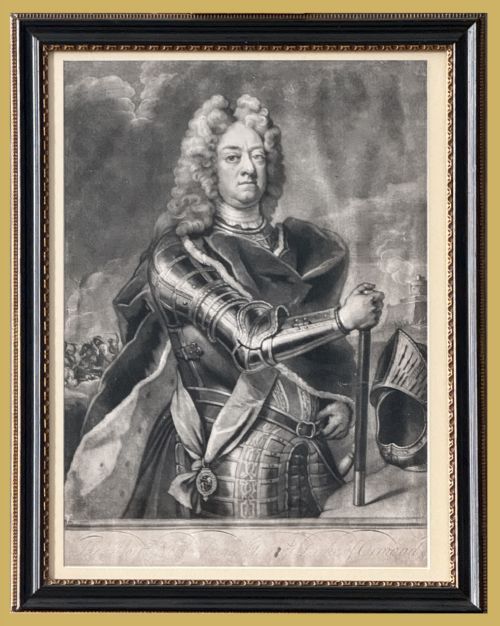
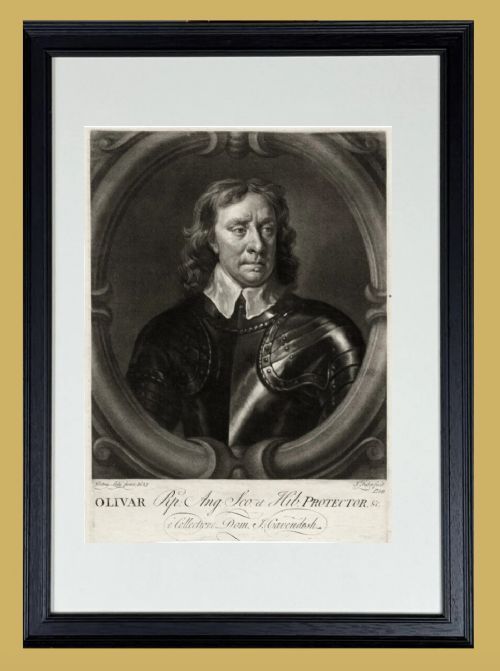
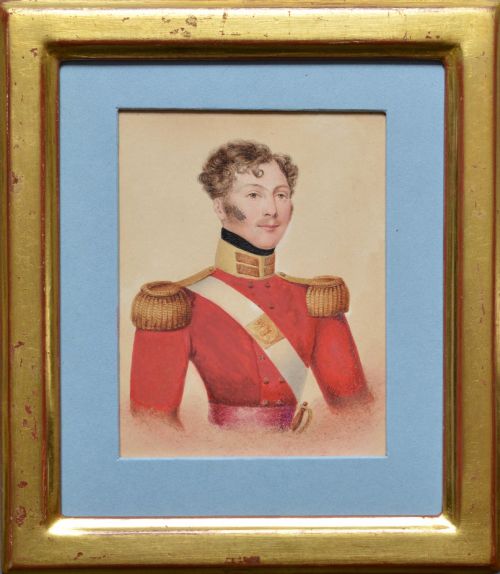
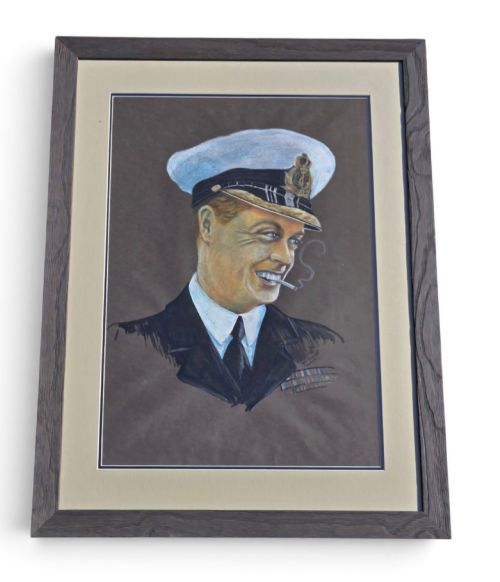
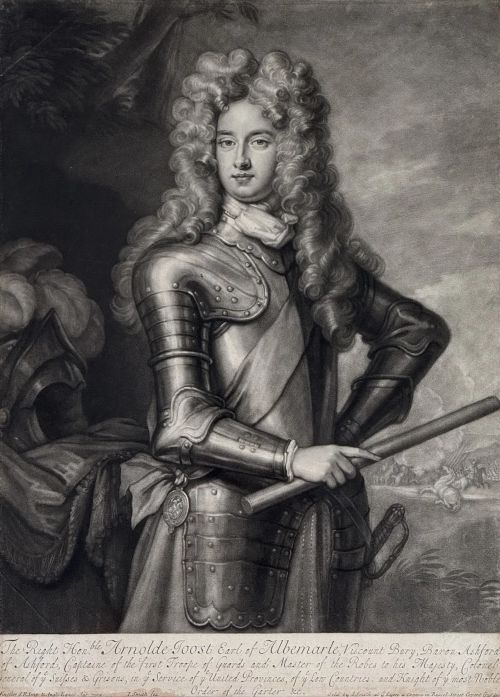
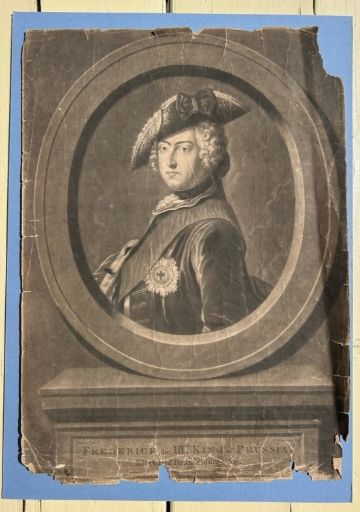
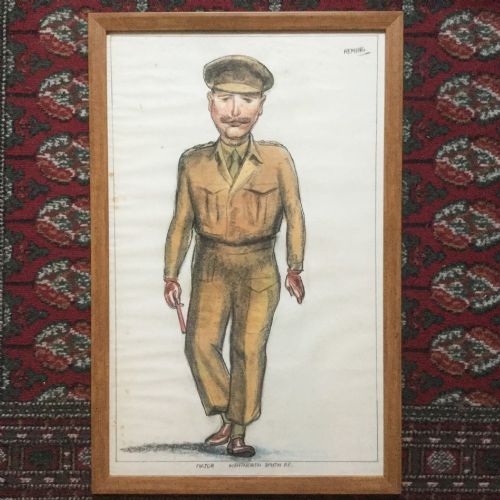
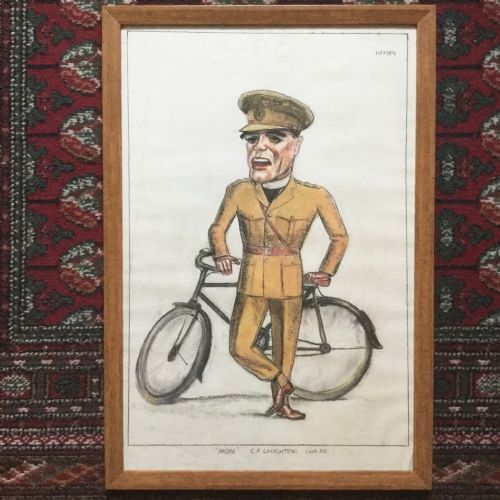
A paper military portrait documents officers, generals, and soldiers across centuries of service, rendered through various historical periods. The selections available here range from seventeenth and eighteenth century mezzotints to nineteenth century watercolours and twentieth century wartime sketches.
Buyers encounter distinct formats within this category, including framed engravings, hand coloured prints, pastels, and original drawings. Depicted subjects span British and foreign regiments, featuring named figures such as dukes, admirals, and engineers.
The physical objects include wall art, framed prints, and individual sketches housed in wood and giltwood frames behind glass. Each piece preserves a fragment of military history on paper support.
Materials and construction methods
Makers utilised paper as the primary support, applying ink, watercolour, pastel, and gouache to build the likeness. Mezzotint engravings relied on copper plates worked with rockers and scrapers to achieve tonal gradations.
Listings incorporate works spanning the 17th Century to the 1940s, utilising paper, wood, glass, ink, watercolour, pastel, gouache, and giltwood.
Factors determining quality
Quality rests upon the skill of the artist or engraver and the condition of the paper support. Master printmakers like John Smith or Richard Houston achieved exceptional tonal depth in their mezzotints compared to standard workshop output.
The precision of the draughtsmanship and the preservation of original pigments dictate the visual impact of watercolour and pastel sketches. Superior framing using period wood and giltwood enhances the integrity of the surviving artwork.
John Simon·John Smith·Joseph Sympson·Richard Houston·Aubrey Sykes·Frederick Tayler
The Paper Military Portrait Glossary
- Mezzotint
- A printmaking process where the copper plate is roughened evenly and smoothed in areas to produce tones and shades. This technique creates rich dark backgrounds and subtle gradations suitable for portraiture.
- Gouache
- An opaque water-based paint mixed with a binding agent and white pigment to create solid areas of colour. It appears frequently in twentieth century military sketches for uniform details.
- Giltwood
- Wood carved and coated with gold leaf or a gold-coloured finish for framing. It provides a decorative border for antique paper works.
- Vanity Fair print
- A chromolithographic caricature published in a British periodical during the late nineteenth and early twentieth centuries. These plates often depicted notable military figures of the era.
- Pastel
- A dry medium composed of powdered pigment and a binder, pressed into stick form. Artists applied it to paper for rapid portrait studies.
Paper Military Portrait: Frequently Asked Questions
What periods do these portraits cover?
The works span from the seventeenth century through the twentieth century, reflecting shifting artistic styles and military uniforms over time.
Early examples date to the seventeenth and eighteenth centuries, while later pieces capture twentieth century wartime subjects.
How should these paper works be displayed?
Display paper portraits away from direct sunlight to prevent the fading of watercolours, pastels, and inks.
Keep them behind glass within their original or period frames to protect the fragile paper from atmospheric moisture and handling.
Are these portraits original or reproductions?
The selection includes original hand drawn pastels and watercolours alongside period printed mezzotints and engravings.
Each listing specifies the medium, indicating whether the piece is a unique drawing or an editioned print from the era.
How do I identify the subject of a portrait?
Many pieces feature inscriptions or titles on the mount or sheet identifying the named officer, regiment, or noble title.
Uniform details, medals, and heraldry also provide clues to the rank and service branch of the depicted individual.