


Paper Ink Painting
Paper ink painting works on paper combine fluid line and wash across periods from the Georgian era to the mid-twentieth century.
Paper Ink Painting
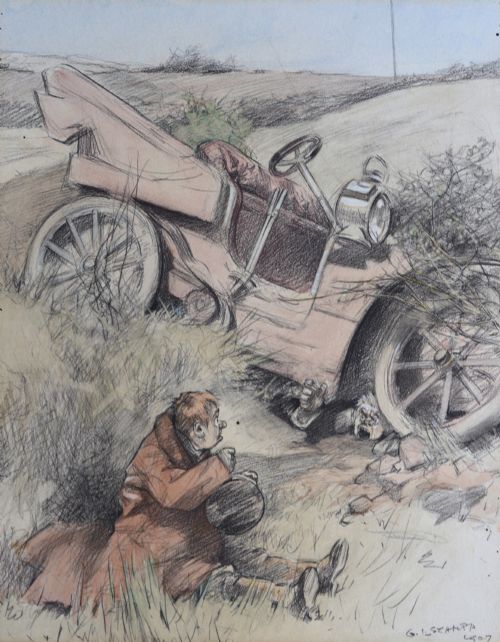
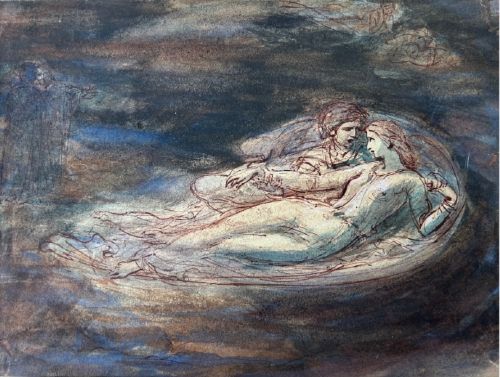
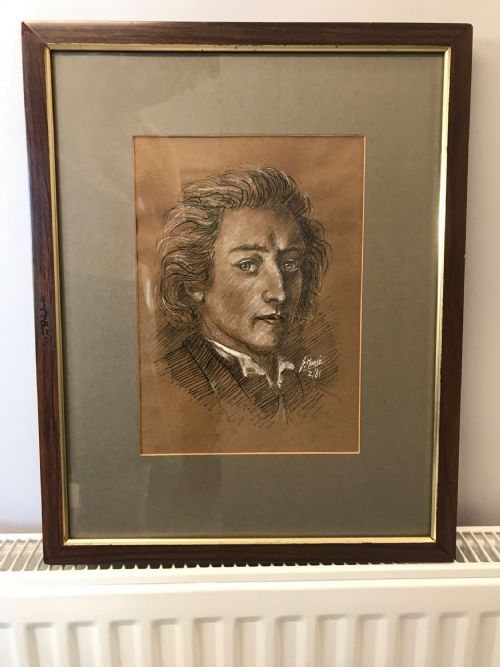
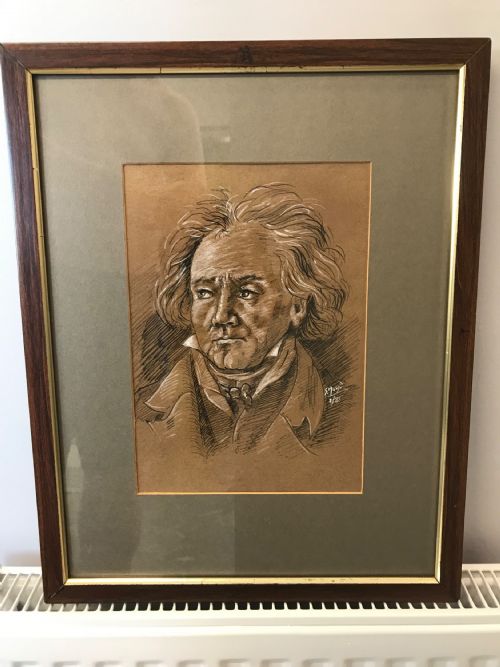
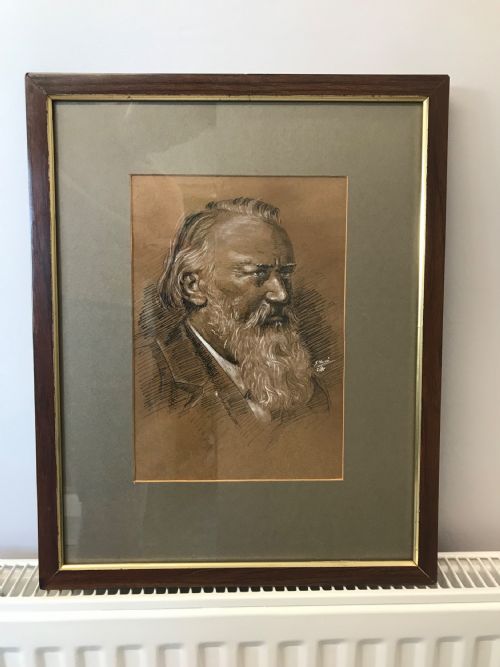
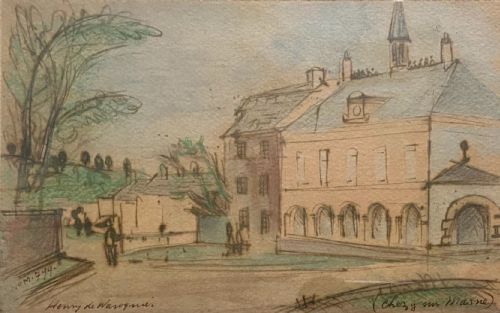
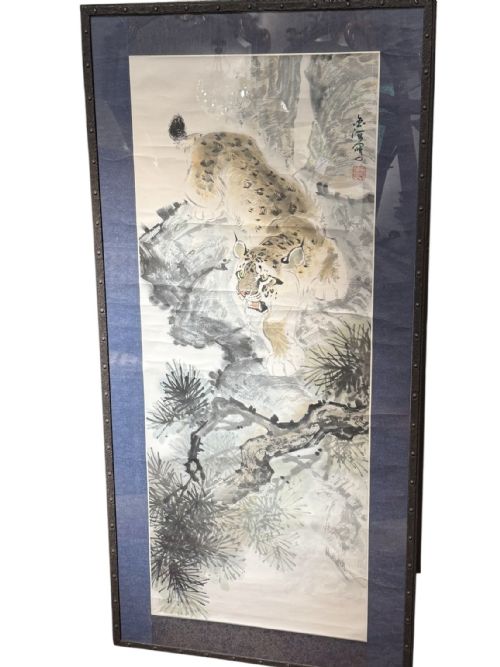
Paper ink painting encompasses original watercolours, ink sketches, wash drawings and gouache studies created across the nineteenth and twentieth centuries. A buyer investigating this phrase encounters framed artwork, mounted drawings and album leaves spanning Edwardian, Victorian, Georgian and mid-century modern styles. The selection ranges from British townscapes and portraits to French landscapes and Chinese scrolls.
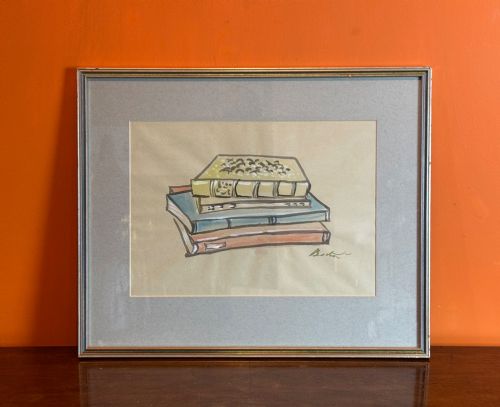
The pieces on this page include works by named artists alongside traditional silhouettes and illustrative sketches. Examples stretch from late eighteenth-century views to post-war compositions executed in pen, ink and watercolour.
Materials and technique
Artists executed these works on paper supports, frequently utilising pen and ink for foundational linework combined with transparent watercolour washes or opaque gouache. Certain works employ ink line drawings with minimal colour, whilst others layer multiple washes over pencil sketches on paper or pith paper.
Framing often involves wood frames and glass protection to preserve the delicate paper surfaces from environmental damage over time.
Listings feature works on paper spanning the eighteenth, nineteenth and twentieth centuries, executed in watercolour, ink, gouache and pencil.
Assessing quality
Quality rests upon the confidence of the draughtsmanship and the fluidity of the ink and wash handling. Strong compositions display purposeful brushwork and assured line execution rather than hesitant corrections.
The preservation of the paper support and the vibrancy of the pigments relative to age also distinguish finer examples from standard decorative works.
George Lorain Stampa·Henry de Waroquier·Cecil Beaton·Michael Healy·Gen Paul·James Tower·Stanley Orchart·Edward Dayes·Alfred Darbyshire·YA MING·Kees van Dongen·Dame Laura Knight·Fred Lawson·Arthur E Gonne·Thomas Rowlandson·Thomas Lound
The Paper Ink Painting Glossary
- Gouache
- An opaque water-based paint that provides solid areas of colour and highlights. It is frequently combined with transparent watercolour in these works.
- Wash
- A thin, transparent layer of diluted ink or watercolour applied across paper. This technique builds tonal depth and shadows.
- Pith paper
- A delicate oriental paper manufactured from the pith of the rice-paper plant. It accepts ink and watercolour with distinctive absorbency.
- Silhouette
- A solid dark profile portrait cut from paper or painted in monochrome. These works often capture likenesses in strict outline.
- Album
- A bound collection of drawings or paintings preserved together. Leaves from these books frequently retain artist seals and signatures.
Paper Ink Painting: Frequently Asked Questions
What is a paper ink painting?
A paper ink painting is an original artwork executed on paper using liquid ink lines combined with watercolour or gouache washes. These pieces range from rapid preparatory sketches to finished portraiture and landscape views.
Makers utilised these portable materials across centuries to capture immediate observations or produce finished illustrative works for publication and display.
How should I frame works on paper?
Works on paper require conservation mounting under glass to prevent direct contact with the glazing and to block harmful ultraviolet light. Acid-free backing boards protect the paper integrity over decades.
Position framed pieces away from direct sunlight and high humidity to maintain the stability of both the paper support and the water-based pigments.
How do I date an ink and watercolour drawing?
Dating relies on stylistic markers, artist signatures, framing materials and paper characteristics. Georgian and Victorian works often exhibit specific hand-laid paper textures and period handwriting on the reverse.
Mid-century modern and twentieth-century examples display characteristic modernist compositions, subject matter and framing methods typical of their decade of creation.
Where were these paintings displayed?
Historically, smaller sketches and watercolours were kept in private portfolios or bound albums rather than hung permanently on walls. Finished landscapes and portraits found places in domestic interiors within simple wood frames.
Today, collectors house these works in dedicated print cabinets or display them framed in domestic settings with controlled lighting.