
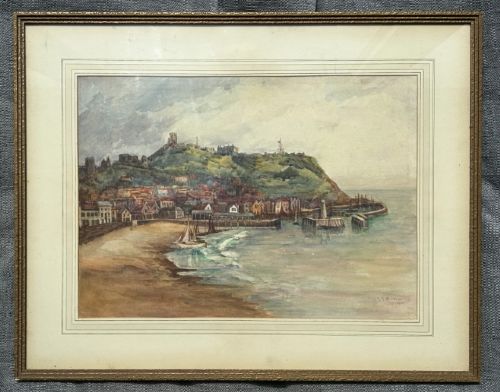


Paper Harbour Artwork
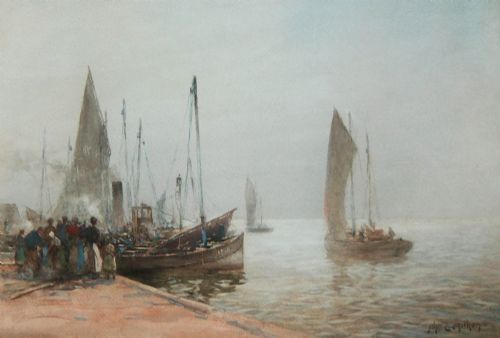
Paper harbour artwork captures maritime life through delicate pigments on paper, offering collectors a direct window into historic coastal communities.
Paper Harbour Artwork
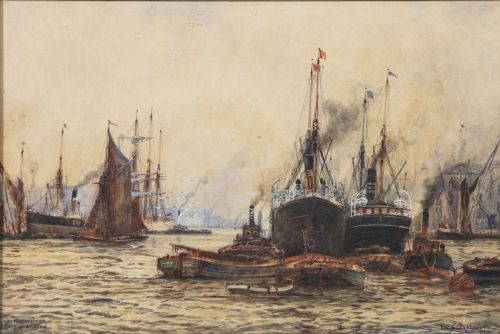
Paper harbour artwork brings together maritime scenes, coastal villages, and bustling dockyards rendered on paper supports. When you search for paper harbour artwork, you encounter coastal views primarily dating from the Victorian era through the mid-twentieth century.
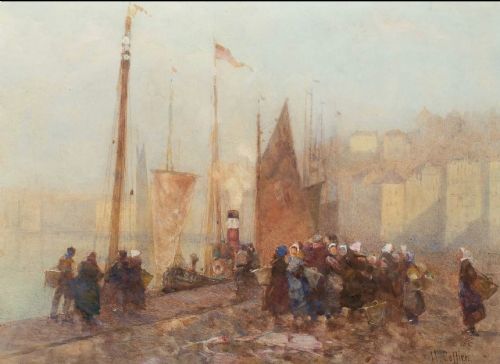
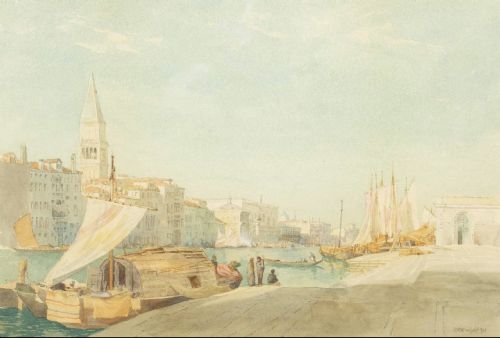
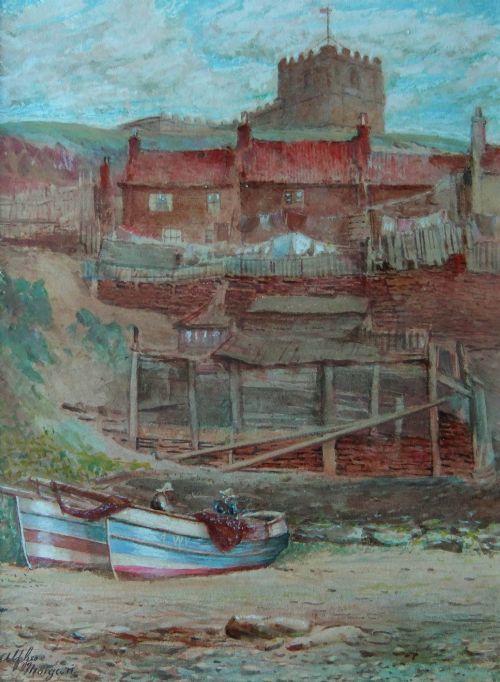
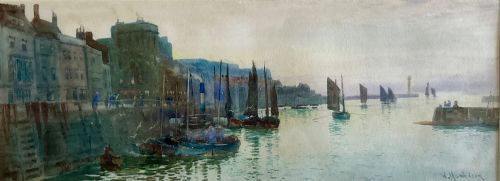
The selections here centre on British and European coastal subjects, ranging from busy Yorkshire fishing ports to serene Venetian canals. These works frequently record specific locations such as Whitby, St Ives, and Mousehole, capturing regional maritime heritage.
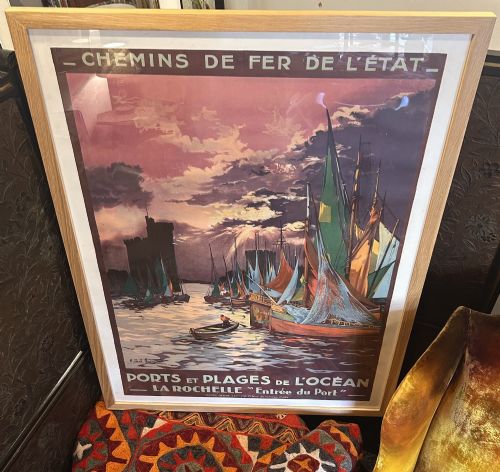
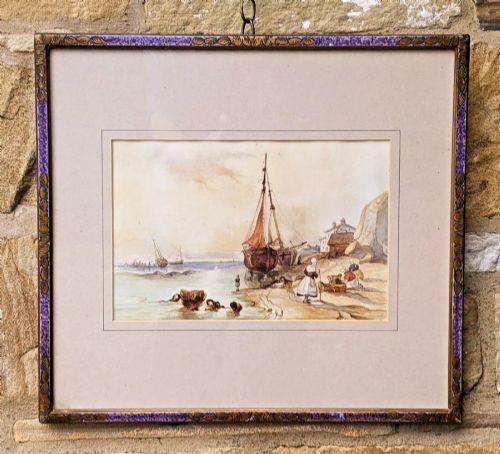
Most examples appear as original waterpaintings framed under glass to protect the delicate paper surface. Artists utilise ink, watercolour pigment, and occasionally woodblock printing techniques to portray ships, harbours, and tidal quays.
Materials and construction methods
Watercolour pigment and ink applied to paper form the foundation of these coastal pieces, supported occasionally by glass and wooden frames. Artists rely on the absorbent qualities of paper to build transparent washes that depict sea, sky, and stone harbour walls.
The application of watercolour paint allows for rapid sketching of transient effects such as changing weather over water and bustling dockside activity. Selected works incorporate ink detailing to define rigging, architecture, and maritime vessels with precision.
Commander Eric Tufnell painted his Sydney harbour scene whilst watching the Melbourne Olympic Games.
Assessing artistic quality
Superior quality in these coastal waterpaintings rests upon the artist's ability to control light, atmosphere, and movement within a limited medium. Stronger pieces demonstrate confident brushwork that captures the restless energy of the sea and the solid structure of historic stonework.
Condition and paper preservation heavily influence the standing of an individual work. Well-maintained sheets retain vibrant pigments without fading or excessive toning from age, whilst securely fitted glass and wood frames protect the artwork from environmental damage.
James E Aitken·Frank William Scarbrough·Hector Caffieri·Richard Henry Wright·Alfred G Morgan·William Matthison·George F Pennington·Paul Delvaux·Thomas Bush Hardy·Tom Clough·William Tuck·Samuel Owen·Kate E Booth·Ernest F Hill·Stanley Orchart·William Wyld·Frederick Stuart Richardson·Albert Robert Quinton·Percy Brooke·Ralph Todd·William Kay Blacklock·Rowland Henry Hill·Thomas Clavering Alder·Walter Sweet·S J Lamorna Birch
The Paper Harbour Artwork Glossary
- Watercolour
- A painting method in which the paints are made of pigments suspended in a water-based solution. It relies on the white of the paper to provide luminosity through transparent washes.
- British Impressionism
- An artistic movement focusing on light, everyday scenes, and en plein air painting practiced by British artists around the turn of the twentieth century. Practitioners sought to capture immediate visual impressions rather than rigid academic detail.
- Newlyn School
- An art colony based in Cornwall during the late nineteenth and early twentieth centuries that painted fishermen, local characters, and coastal landscapes. Artists associated with this group worked directly from life near the harbour.
- Woodblock print
- A technique for printing text, images or patterns used widely across historical art forms. Relief blocks transfer ink to paper to create graphic compositions alongside painted works.
Paper Harbour Artwork: Frequently Asked Questions
What periods do these harbour watercolours date from?
The available selection spans from the nineteenth century through the 1950s, encompassing Victorian examples alongside early twentieth-century British movements.
Most pieces originate between 1900 and 1940, reflecting an era when coastal painting flourished among regional artists.
How should I display watercolour artwork at home?
Watercolours require protection from direct sunlight to prevent the pigments from fading over time. Hanging them in rooms with stable humidity levels ensures the paper and framing remain secure.
Are these coastal paintings original works?
The listings consist primarily of original hand-painted watercolours on paper rather than mass-produced prints. Artists painted these scenes directly, often signing them on the front or within the composition.
Which regions are most commonly depicted?
British coastal towns dominate the selection, with particular emphasis on Yorkshire harbours like Whitby alongside Cornish fishing ports such as St Ives and Mousehole.
Selected works also record international scenes including French ports, Venetian canals, and Sydney harbour.