
Paper Etching Print
When you search for a paper etching print, you are looking at centuries of ink and line preserved on delicate sheets.
Paper Etching Print
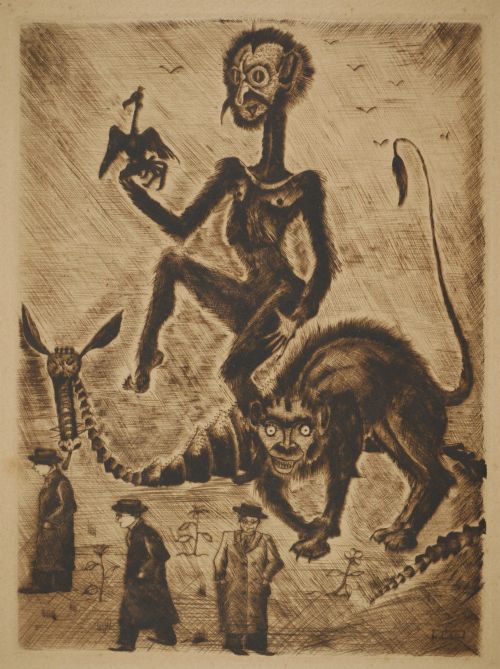
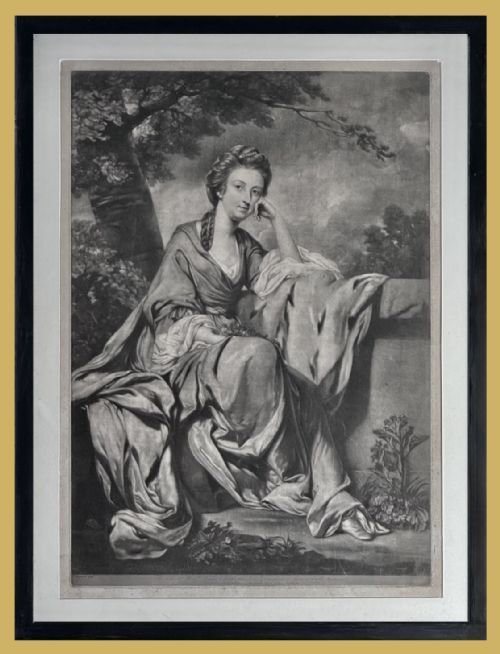
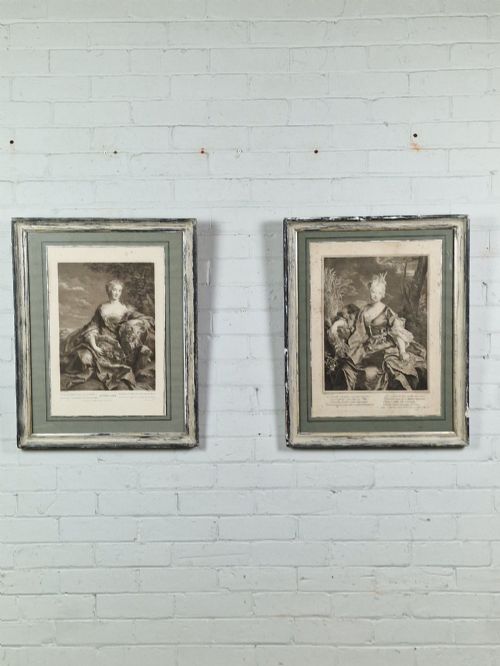
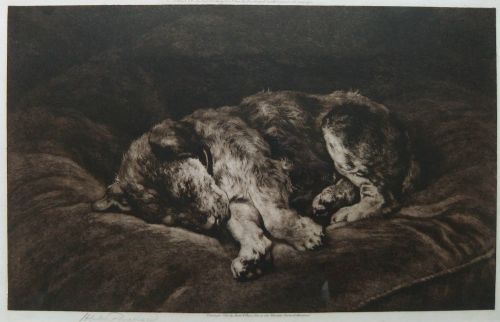
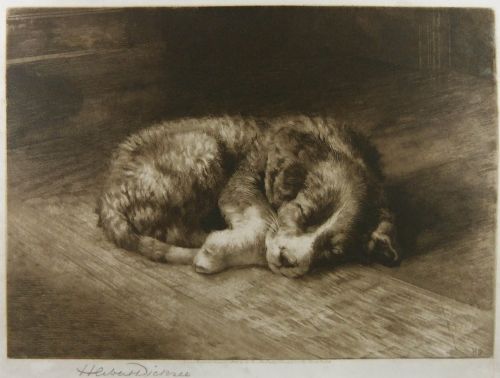
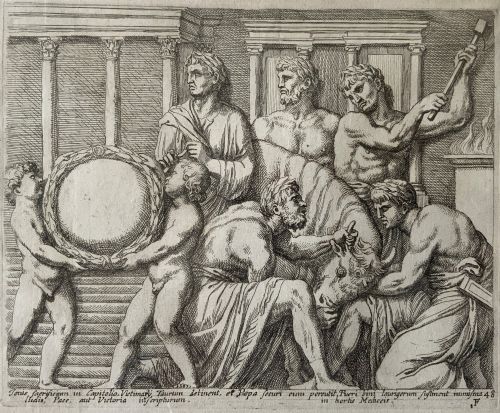
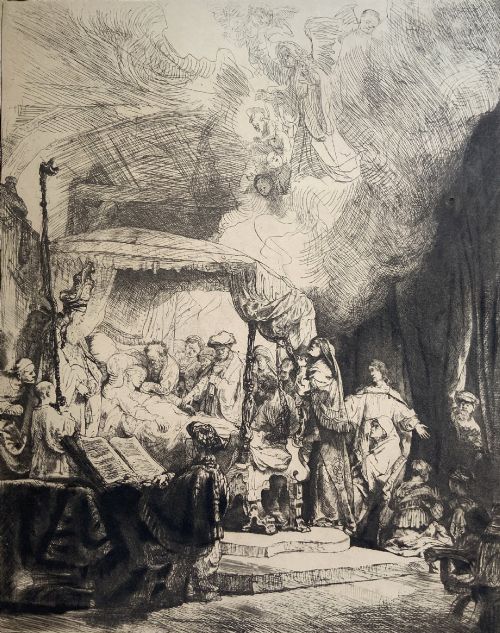
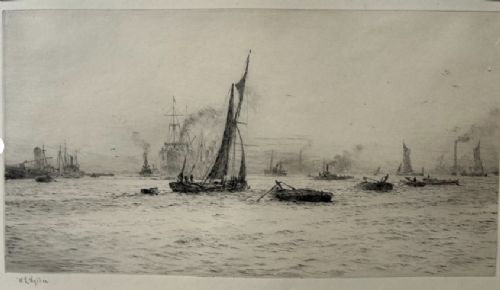
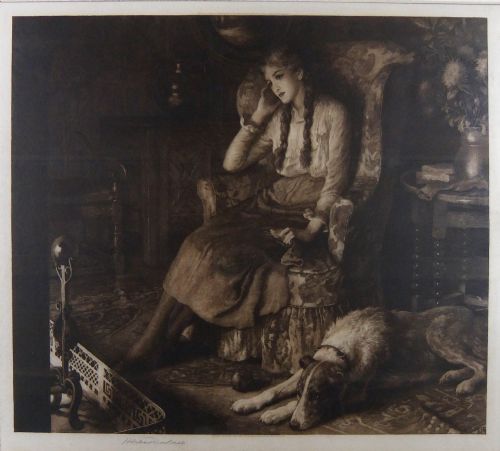
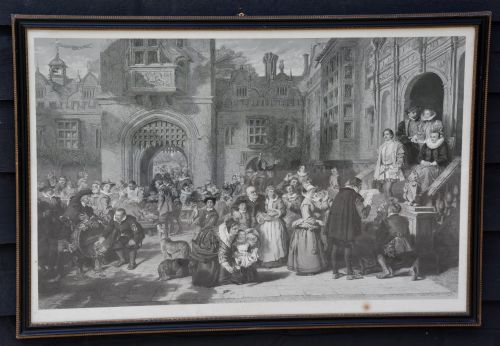
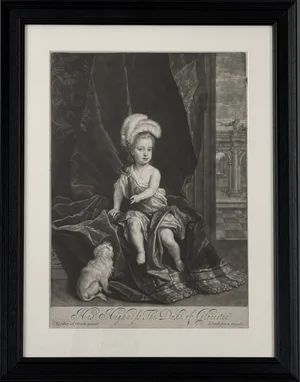
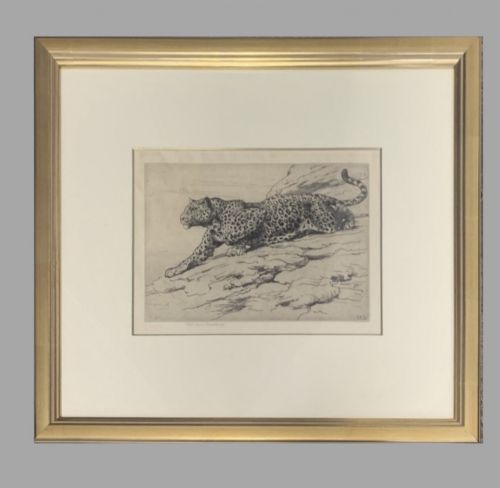
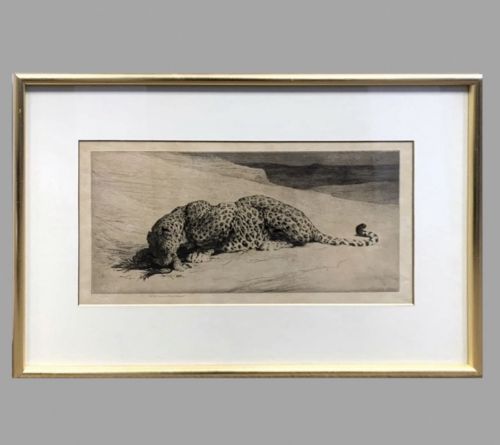
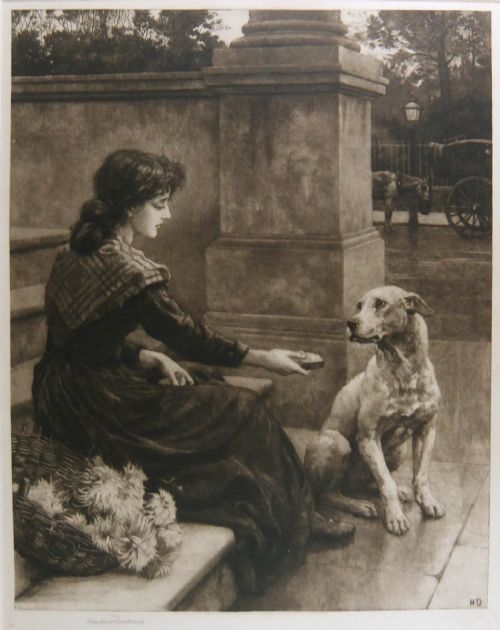
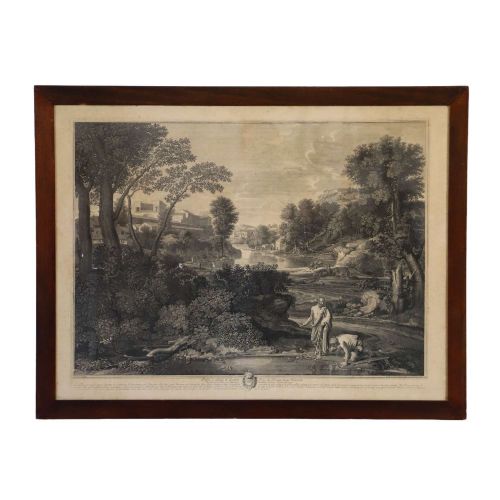
A paper etching print encompasses works created across the seventeenth, eighteenth, nineteenth, and early twentieth centuries, spanning periods from the Baroque through to Art Deco. Collectors examining this page encounter diverse forms such as framed prints, wall art, and fine art plates depicting everything from classical antiquity to domestic animal studies.
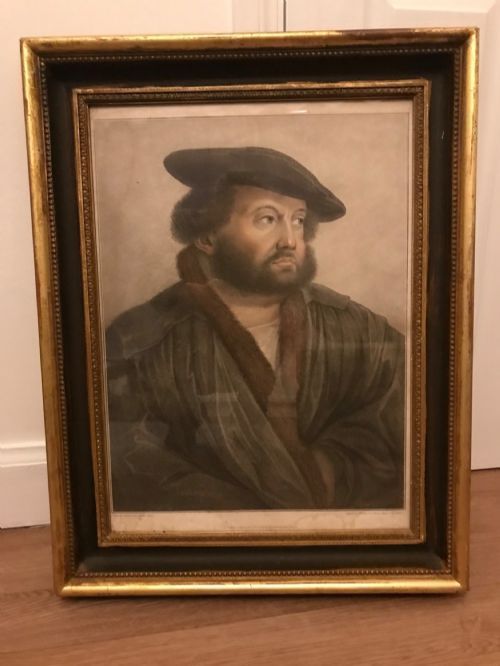
The version you are most likely to meet on this page is the framed antique etching on paper, often originating from the Georgian, Victorian, or Edwardian eras. These pieces frequently arrive mounted behind glass within traditional wooden or gilt frames, maintaining their historical integrity.
How they were made
The foundational materials recorded in these listings are paper and ink, supplemented by watercolour and gold leaf on select plates. Artisans utilised copperplates and similar metal matrices to sink fine lines into the surface before applying ink by hand.
Framing techniques rely on glass, wood, and gilt wood, frequently incorporating original Hogarth frames to protect the delicate paper substrates from environmental damage. Hand-colouring was occasionally applied over the ink lines to enrich the visual depth of the prints.
Listings span periods from the seventeenth century through to the mid-twentieth century, featuring works rendered on paper with ink and watercolour.
What varies in quality
The distinction at the top of the range rests on the clarity of the plate impression and the survival of the original margins on the paper. Early strikes taken directly from the artist's copperplate retain crisp lines that later editions lose as the metal wears down.
Provenance and documentation elevate certain pieces, particularly when an impression bears a verified artist signature or an artist proof designation. The quality of the accompanying period frame, such as untouched Hogarth moulding, further separates standard prints from exceptional collector examples.
Kurt Lorein Victor Peiser·Edward Fisher·Sir Joshua Reynolds·Francesco Bartolozzi·Herbert Dicksee·François Perrier·Rembrandt·William Lionel Wyllie·John Smith·Sir Godfrey Kneller·Étienne Baudet·Louis Icart·William Hogarth·Henry William Banbury·Anne Goldthwaite·T.A Prior·John Merrifield·Antonio Capellan·Michelangelo·Joseph Farrington·Joseph Constantime Stadler
The Paper Etching Print Glossary
- Etching
- A printmaking method where acid bites lines into a metal plate to hold ink. This technique allows for expressive, fluid lines drawn by the artist.
- Mezzotint
- A tonal printmaking process where the copper plate is roughened to achieve rich darks and subtle gradients. It creates velvety portraits and atmospheric scenes.
- Aquatint
- A variant of etching that produces areas of tone rather than lines through the use of powdered resin. It was widely utilised for hand-coloured topographical views.
- Stipple engraving
- A technique using dots of varying density to render form and flesh tones with smooth gradations. It gained popularity during the eighteenth century for classical reproductions.
- Artist proof
- An early impression pulled before the main edition is printed, typically retained by the maker. These carry high desirability among serious collectors.
Paper Etching Print: Frequently Asked Questions
Can I hang these prints in direct sunlight?
Displaying paper works in direct sunlight causes the ink and any added watercolour pigments to fade permanently over time. Position your framed pieces on interior walls away from bright windows to preserve the contrast of the original lines.
Using museum-grade UV-filtering glass provides an extra layer of defence against light degradation. This precaution keeps the delicate paper and dark ink stable for decades.
How do I identify a genuine period impression?
Examine the paper texture under magnification to check for plate marks where the metal edge pressed into the sheet. Genuine antique impressions display a distinct indentation around the image boundary that modern digital reproductions lack.
Look closely at the ink consistency and the quality of the paper fibres. Age-related toning and watermark evidence further support the historical period of the piece.
What is the difference between an etching and an engraving?
An etching relies on acid to bite the design into the metal plate, producing fluid and painterly lines. An engraving is cut directly into the metal using a sharp hand tool called a burin, resulting in precise, rigid strokes.
Both methods produce distinct visual textures on the paper surface. Understanding this technical divergence helps collectors categorise works accurately.