



Paper Colour Print
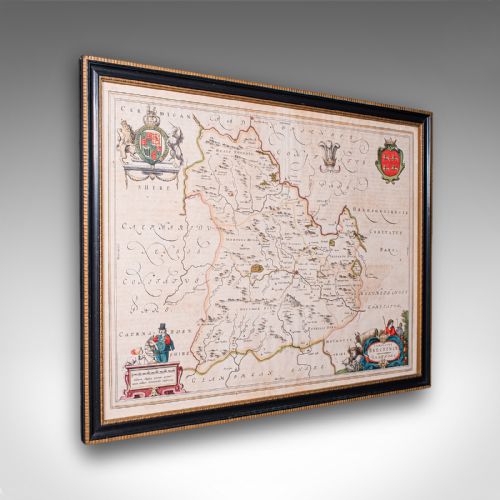
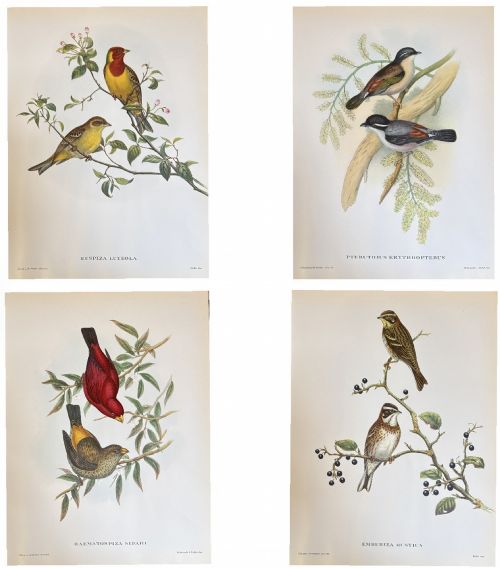
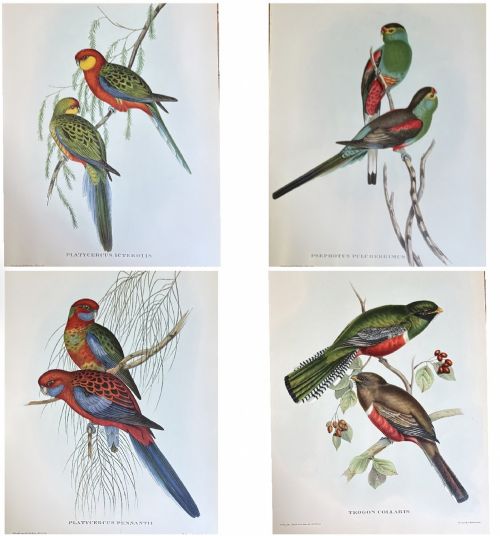
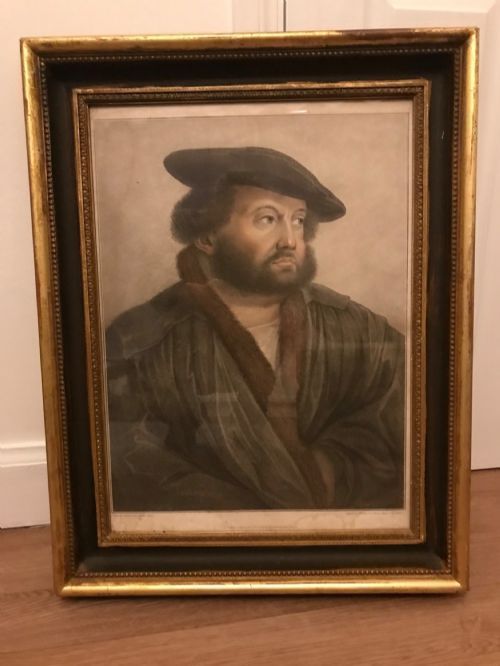
Paper colour print items bring together historic cartography, natural history illustrations and portraiture rendered in ink, watercolour and woodblock.
Paper Colour Print
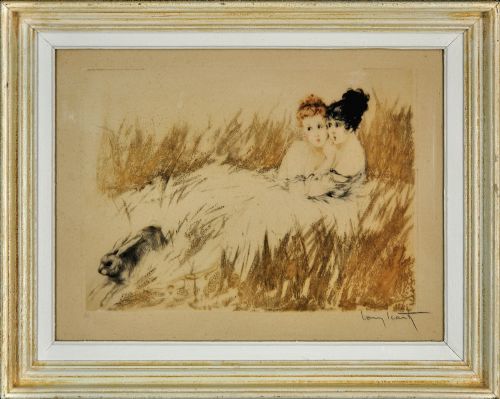
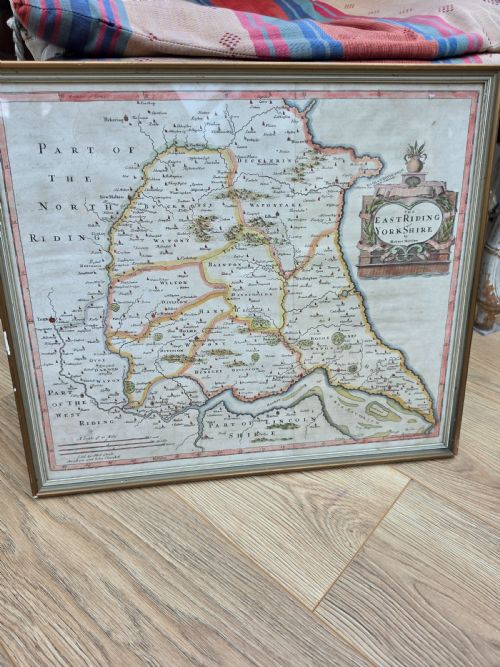
A paper colour print encompasses works produced across the 17th, 18th, 19th and 20th centuries, spanning periods such as the Georgian, Regency, Victorian and Edwardian eras. Buyers searching for a paper colour print will discover framed maps, wall art, engravings, etchings and lithographs originating from English, French, Dutch, German and Japanese makers.
Object forms range from single sheet engravings and Japanese woodblock prints to double-page Vanity Fair chromolithographs and series of watercolours. These items serve as historic documents and decorative wall art preserved with mount board, glass and wooden frames.
Materials and production techniques
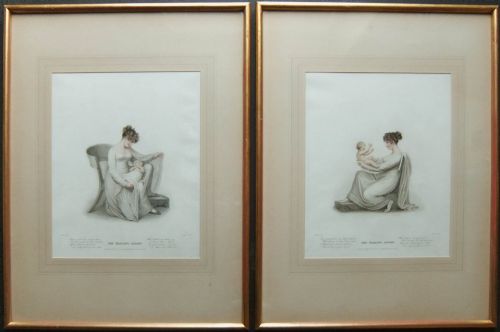
Makers utilised paper as the primary support, applying ink through techniques including stipple engraving, wood engraving, etching, mezzotint and lithography. Many plates received subsequent hand colouring using watercolour or applied pigments.
Framed examples frequently combine wood, glass and mount board to protect the delicate paper sheets. Early maps and prints employ copperplate engravings on laid or woven paper, sometimes enhanced with gold leaf details.
Represented periods span the 17th century, 18th century, 19th century, Georgian, Regency, Victorian, Edwardian, and 1950.
Factors of distinction
Quality in these works depends upon the crispness of the original impression pulled from the plate or block and the precision of any hand-applied watercolour. Early impressions retain finer lines and sharper details than later reprints or worn plates.
The preservation of the paper sheet itself, including the absence of heavy foxing or fading, influences the desirability of the piece. Original period framing, contemporary hand colouring and clear publisher attribution further elevate specific examples.
Francesco Bartolozzi·John Speed·Louis Icart·Warwick Goble·Joan Blaeu·Robert Morden
The Paper Colour Print Glossary
- Engraving
- A printmaking technique where an artist cuts an image into a metal plate using a burin. The inked plate transfers the design under pressure to paper.
- Lithography
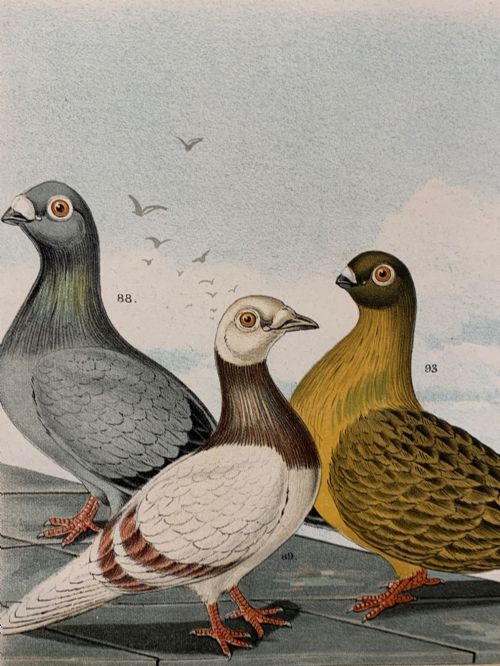
- A planographic printing process based on the repulsion of oil and water, enabling the reproduction of detailed illustrations and chromolithographs.
- Woodblock print
- A relief printing method where material is carved from a wooden block, leaving the design to stand proud for ink application.
- Etching
- A method where acid bites lines into a metal plate covered with an acid-resistant ground, holding ink for the printing press.
- Chromolithography
- A colour lithographic technique using multiple stones or plates, one for each colour, to produce multi-toned prints.
- Aquatint
- A variant of etching that produces tonal areas resembling watercolour washes through the use of powdered resin.
Paper Colour Print: Frequently Asked Questions
How do I care for antique prints?
Keep framed pieces away from direct sunlight to prevent the ink and watercolour pigments from fading over time. Maintain stable indoor humidity levels to protect the historic paper from warping or deterioration.
Ensure the framing uses acid-free mount board to stop chemical degradation of the paper sheet. Professional framing with UV-filtering glass offers optimal preservation for delicate items.
What is a hand-coloured engraving?
A hand-coloured engraving is a printed line image that has received additional pigment by hand using watercolour or other paints. Artisans applied colour directly to the printed sheet to enhance its decorative appeal.
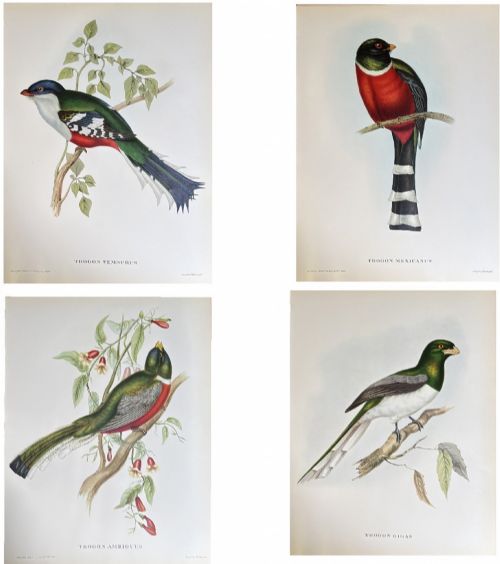
This technique appears frequently in Georgian and Victorian natural history plates and maps. Close inspection under magnification often reveals the subtle brushstrokes distinguishing hand application from printed colour.
How are map periods identified?
Cartographic pieces often bear the cartouche, publisher name, or Latin place names indicating the era of production. Stylistic details in the engraving and typography assist in dating works by makers such as John Speed or Joan Blaeu.
Watermarks within the paper substrate also provide clues to the approximate date of manufacture. Comparing the geographical boundaries depicted to historical records confirms the period of the survey.
Where were Japanese woodblock prints made?
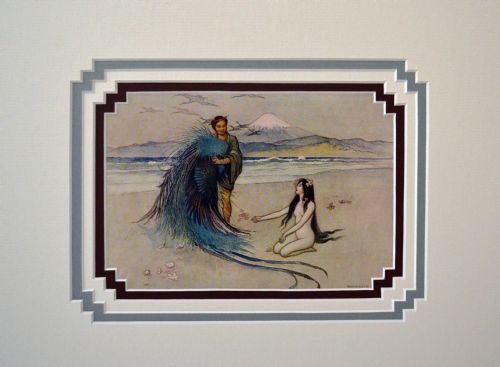
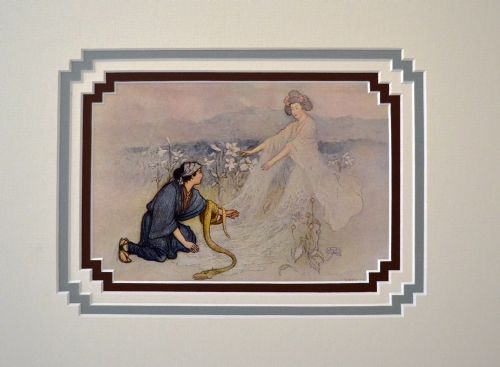
Japanese woodblock prints originated in Japan, created by skilled designers, carvers and printers working within traditional publishing houses. Artists such as Shiro Katamatsu and Utagawa Yoshifuji produced works during periods including the Edo era and the twentieth century.
These prints utilised water-based pigments on handmade paper rather than the oil-based inks common in European printmaking. Collectors value them for their distinct aesthetic and precise colour registration.