




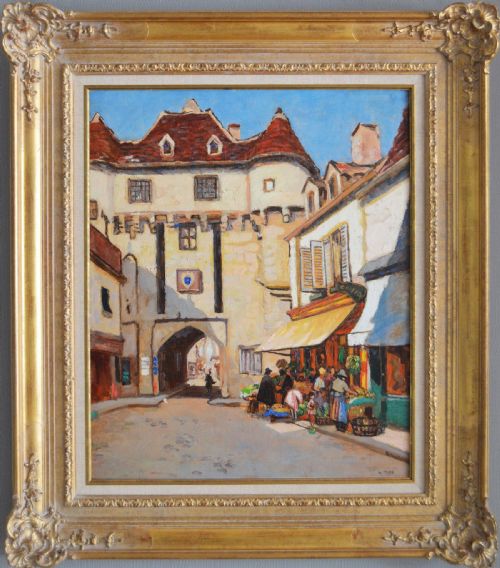


Vintage European Cityscape
These vintage european cityscape works capture bustling streets and historic quarters across the continent through rich oil paint and watercolour.
Vintage European Cityscape
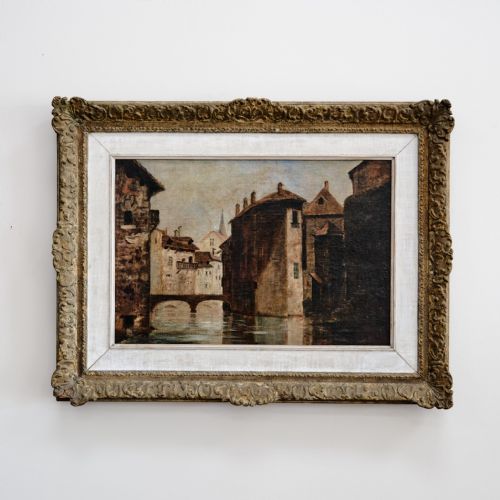
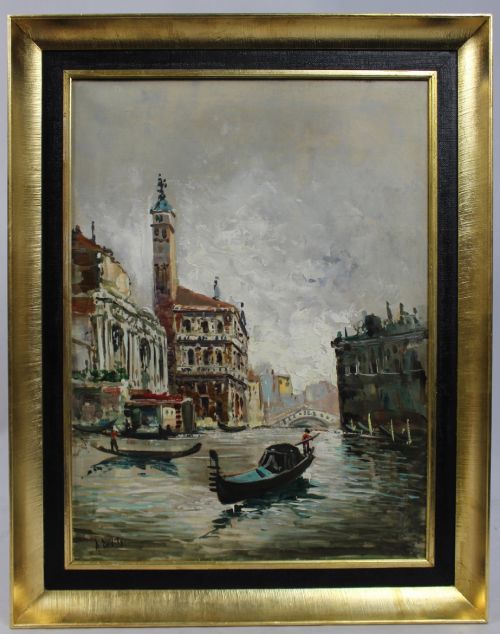
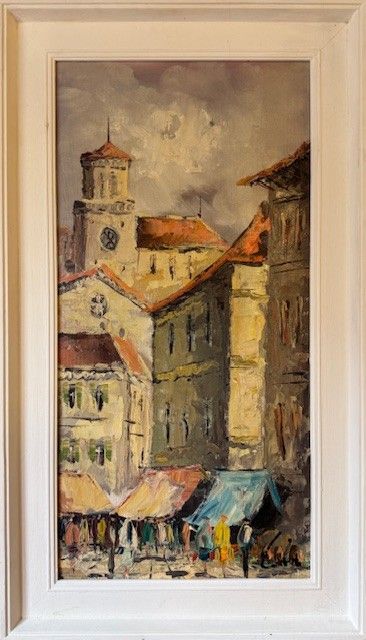
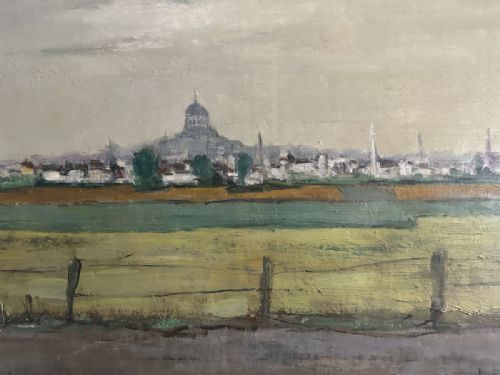
A vintage european cityscape brings the atmosphere of historic continental locations directly onto the wall as fine art. Buyers examining this category encounter various interpretations of urban life, from nineteenth century French scenes to mid-century impressionist views.
The objects listed take the form of framed oil paintings, oil on canvas works, and watercolours depicting specific urban locations. Canal scenes, market squares, and cathedral views dominate the selection across different decades of the twentieth century.
Works range from nineteenth century continental pieces to mid-century modern interpretations of Spanish and French towns. Buyers are most likely to meet mid-century impressionist canvases alongside earlier academic street views.
How these artworks were constructed
Canvas and wood serve as the primary structural supports for the oil paintings in this group. Painters applied oil paint directly to stretched canvas or wooden boards to build textured surface depths.
Gesso and gilt or gold leaf frequently finish the frames accompanying these artworks, providing a traditional decorative border. Watercolours on paper offer a lighter alternative medium for architectural and riverside views.
Cats do not appear in any of the recorded European cityscapes, leaving the historic bridges and market squares entirely to the humans.
What distinguishes quality in these works
Brushwork precision and compositional control separate standard decorative townscapes from accomplished artistic interpretations. Stronger pieces demonstrate confident handling of light and shadow across architectural facades and figures.
The integration of support materials, such as well-preserved canvas tension and original framing elements like gesso and gilt, contributes to the overall integrity of the piece. Provenance and attribution to recorded painters elevate the standing of individual works.
Antonio DeVity·E A Minardo·Hein Hoppmann·Job de Vogel·Noel Harry Leaver·Letitia Marion Hamilton
The Vintage European Cityscape Glossary
- Oil Paint
- A slow-drying paint made from pigment particles suspended in a drying oil, typically linseed oil. This medium allows for rich blending and textured impasto applications.
- Canvas
- A heavy woven fabric used as a surface for oil painting, usually stretched tightly over a wooden frame. It provides a durable and slightly flexible ground for the artist.
- Gesso
- A plaster-like mixture used as a base coat on wooden panels or frames before gilding or painting. It creates a smooth and stable surface for subsequent layers.
- Impressionism
- A nineteenth-century art movement characterised by relatively small, thin yet visible brush strokes and an emphasis on accurate depiction of light. Artists working in this style capture the fleeting qualities of urban scenes.
- Watercolour
- A paint wherein the colourants are suspended in a water-soluble vehicle. This medium creates transparent washes well-suited for paper supports.
Vintage European Cityscape: Frequently Asked Questions
How do I identify the age of a cityscape?
Age is determined through stylistic indicators, framing methods, and the type of canvas or board used as support. Mid-century works often show impressionist or modernist brushwork, while nineteenth-century pieces tend toward traditional academic realism.
Signatures, dates inscribed on the reverse, and maker stamps on the stretcher bars provide additional chronological evidence. Comparing the technique to documented periods helps narrow down the decade of creation.
Where should I hang a townscape painting?
These works suit living rooms, studies, or hallways where adequate wall space allows the composition to anchor the room. Selecting a location away from direct sunlight protects the oil paint and canvas from environmental degradation.
Pairing the frame style with existing interior woodwork helps integrate the piece into the room. Proper eye-level placement ensures the perspective of the street scene reads correctly to the viewer.
What is the difference between oil and watercolour?
Oil paint utilises a drying oil binder that sits on top of canvas or wood, allowing for thick impasto and deep colour saturation. Watercolour employs a water-soluble vehicle applied to paper, producing luminous and transparent washes.
Oils generally require a rigid support and protective framing without glass, whereas watercolours need glazing to protect the paper from moisture and dust.
How are these continental scenes framed?
Many paintings retain traditional wooden frames finished with gesso and gilt or gold leaf detailing. These decorative borders complement the artistic style of the period and protect the edges of the canvas.
Frames vary from ornate nineteenth-century mouldings to simpler mid-century profiles that match the modern aesthetic of the painting.