



Cream Paper Etching
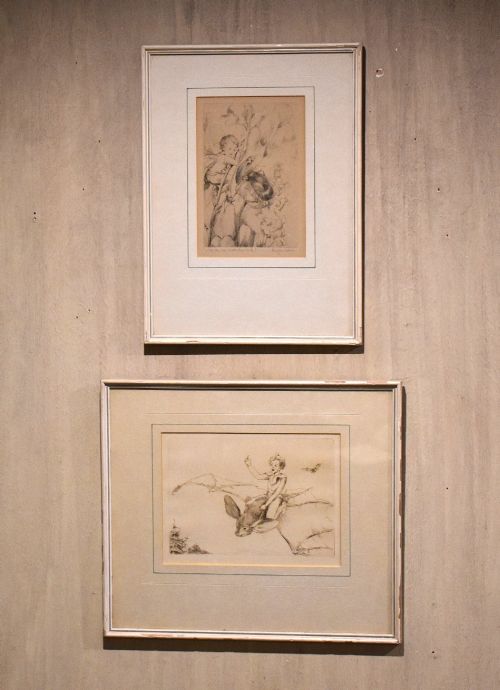
These cream paper etching works bring together centuries of intricate line work and historic illustration, offering genuine character for your walls.
Cream Paper Etching
Cream paper etching pieces encompass a wide span of periods from the eighteenth century through to mid-century modern British and American modernism. You will encounter works grouped under antique prints, fine art prints, and architectural prints, alongside framed prints.
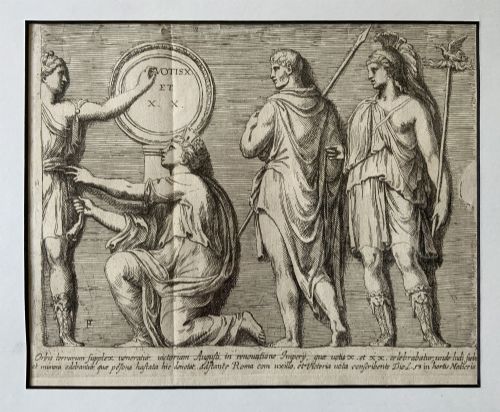
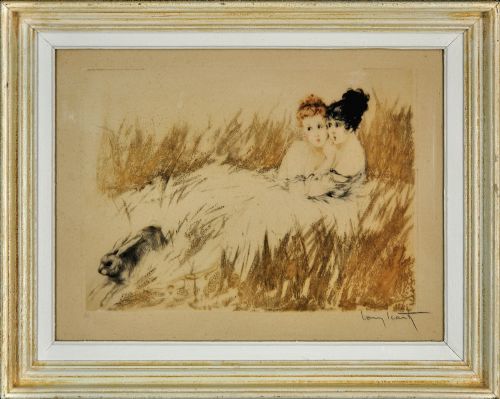
The selections range from eighteenth-century architectural engravings depicting the antiquities of Athens to nineteenth-century natural history botanicals with insects and plants. Twentieth-century examples include French art deco engravings and framed hand-coloured etchings.
Many items present specific thematic subjects such as ballet dancers, polo scenes, and figurative studies. These diverse formats appear across wall art, prints and engravings, and prints and graphic art categories.
Materials and construction
The physical works rely fundamentally on paper and ink, often enhanced with watercolour ink for added tonal depth and hand-colouring. These mediums are applied across various formats that frequently incorporate framing materials such as wood and glass.
Printmakers utilised traditional engraving and etching techniques upon paper sheets, sometimes applying pigment by hand after the initial impression. The resulting pieces demonstrate the interplay between inked lines and the natural tone of the aged paper.
The inventory includes works spanning from the eighteenth century through the Victorian era and into mid-century modern British art.
Assessing quality and execution
Quality in these works rests upon the crispness of the line work and the precision of the plate impression within the paper. Earlier eighteenth-century architectural plates display rigorous geometric detail, while hand-coloured nineteenth-century botanical sheets depend on careful pigment application.
The distinction between standard prints and finer examples also involves the preservation of the paper surface and the clarity of any accompanying hand-colouring. Works by established names exhibit superior control over both the printing process and the subsequent tonal finishing.
Louis Icart·Anne Goldthwaite·John Merrifield·Thomas Rowlandson·John Curtis·Albert Terry·James Basire
The Cream Paper Etching Glossary
- Etching
- A printmaking method where acid bites into metal lines to hold ink. This process allows for fluid, expressive lines that distinguish the finished impression on paper.
- Engraving
- A technique where an artist cuts lines directly into a metal plate with a burin. It produces sharp, precise details often seen in architectural and botanical plates.
- Hand-coloured
- The practice of applying watercolour or other pigments to a printed image by hand. This adds vibrant colour highlights to monochrome engravings and etchings.
- Neoclassical
- A style drawing inspiration from classical antiquity, prominent in eighteenth-century architectural and sculptural subjects. It values symmetry, restraint, and classical motifs.
- Art Deco
- A design style from the early twentieth century characterised by sleek lines and stylised forms. It appears in French engravings from the interwar period.
Cream Paper Etching: Frequently Asked Questions
How do I care for cream paper etching?
Keep framed pieces away from direct sunlight to prevent the paper from yellowing and the inks from fading.
Maintain a stable room humidity to protect both the paper support and the wooden framing elements.
What is an architectural engraving?
Architectural engravings are detailed prints documenting historic buildings, ruins, and classical structures.
Eighteenth-century examples often record antiquities such as the porticos and architectural fragments of Athens.
Are these works hand coloured?
Some pieces feature applied watercolour ink over the printed lines to add realistic hues to the subject.
This manual colouring is particularly common in nineteenth-century natural history botanicals and specific twentieth-century etchings.
How are these pieces usually displayed?
Most works arrive framed with wood and glass to protect the delicate paper surface from atmospheric dust and damage.
Hang them on interior walls away from moisture sources to ensure long-term preservation.