



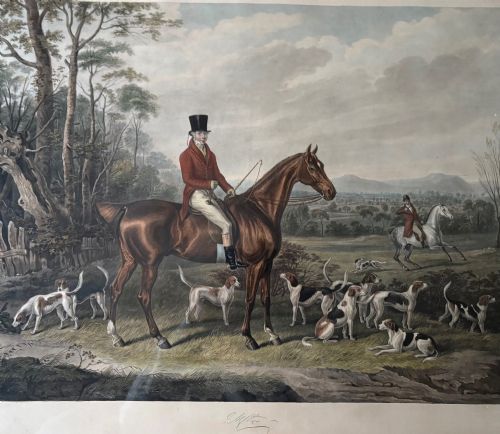
Colour Etching Print
A colour etching print brings tactile warmth to a wall through ink, paper and hand-applied tinting.
Colour Etching Print
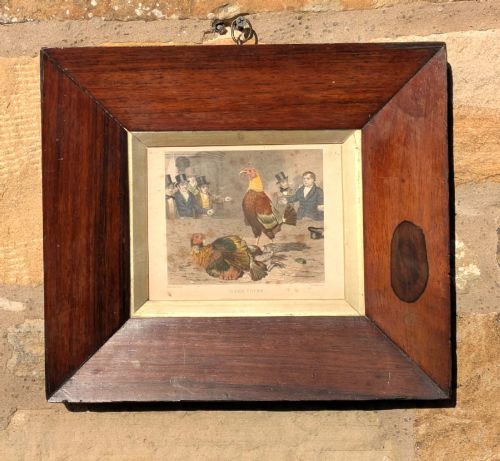
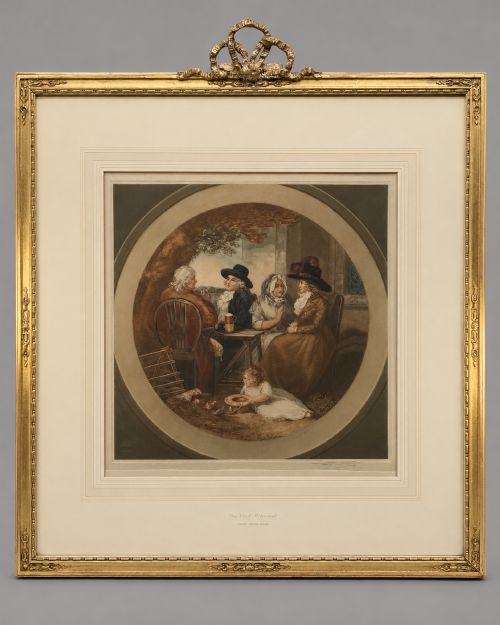
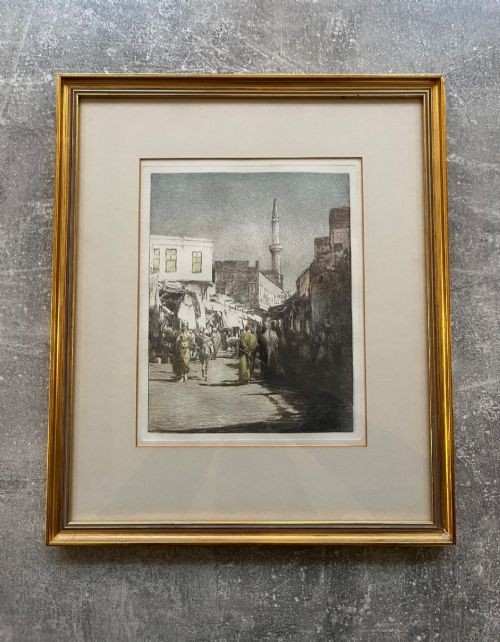
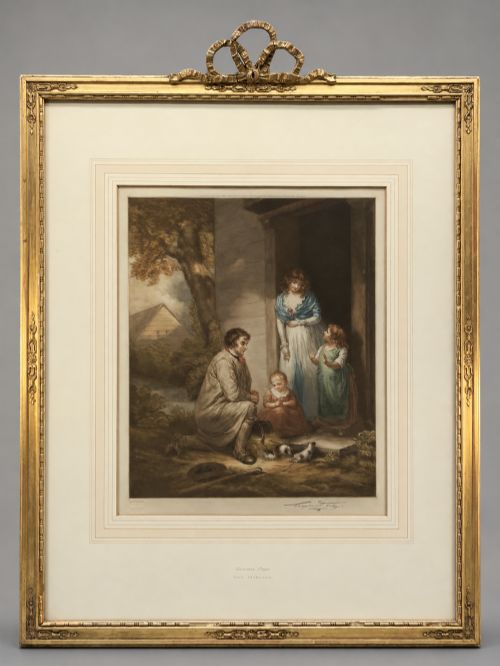
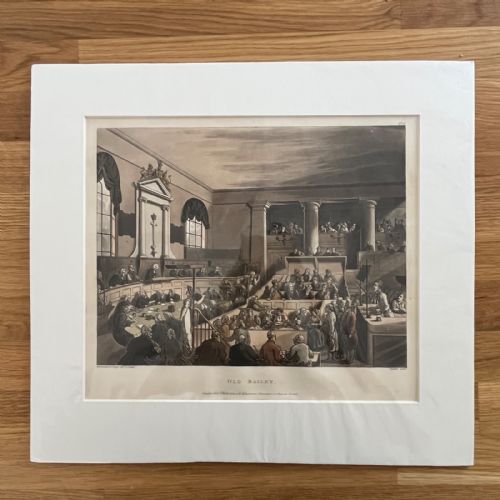
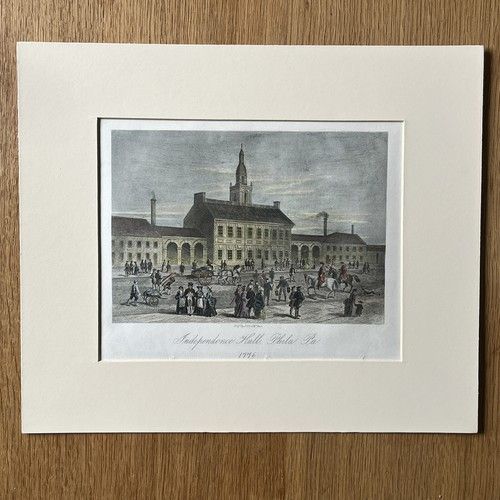
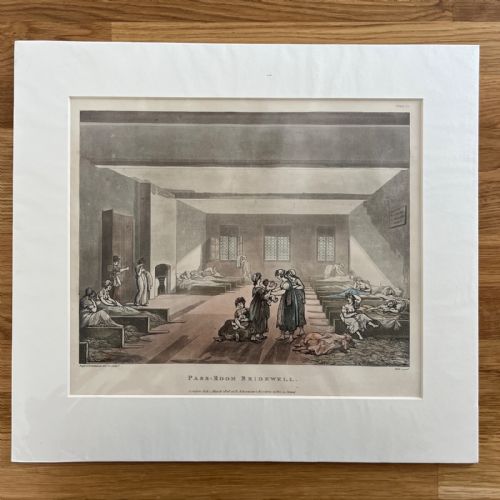
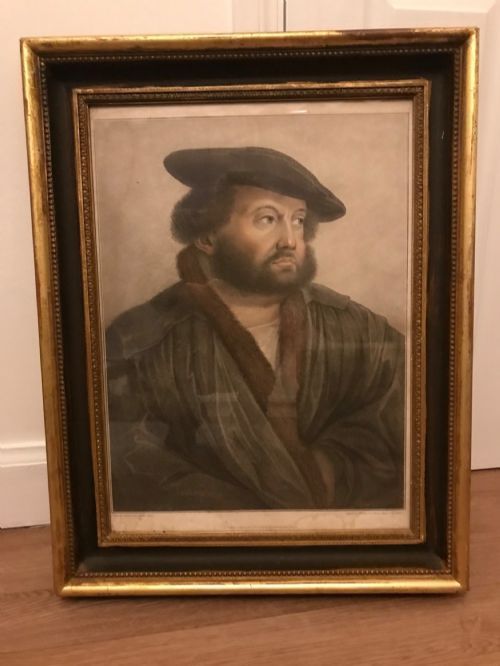
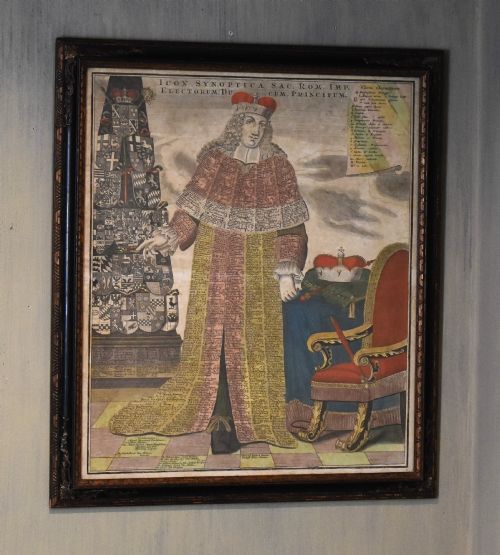
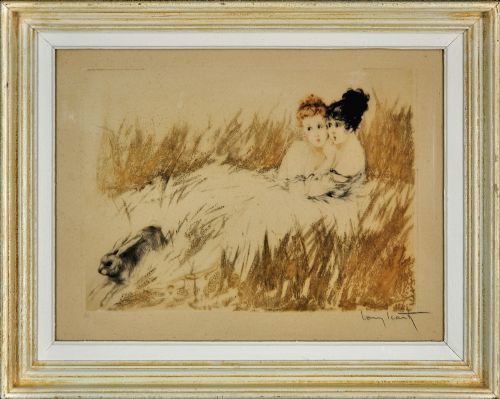
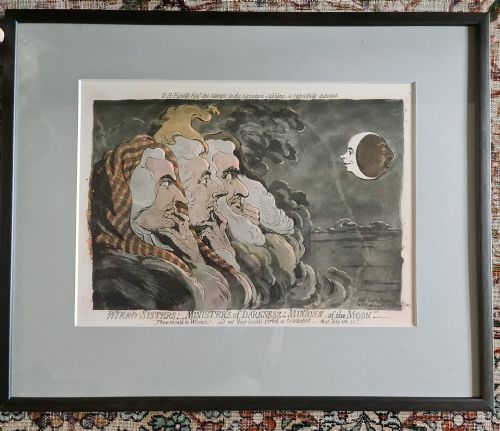
A colour etching print combines engraved lines on a plate with pigment, capturing centuries of portraiture, natural history and architectural scenes. When you search for colour etching print, you meet works spanning the Georgian, Regency and Victorian eras alongside later pieces from the nineteen-twenties and nineteen-thirties.
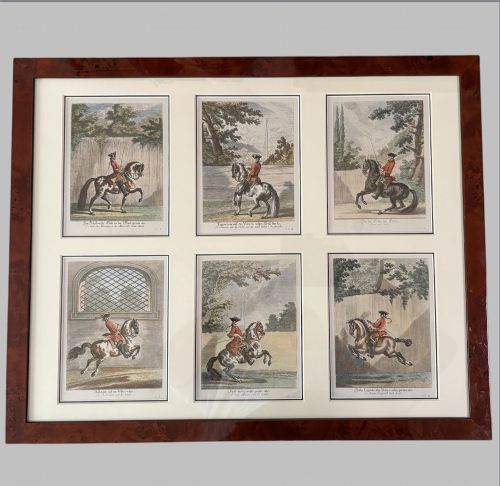
The selection ranges from single framed plates to extensive sets, including ornithological studies, sporting art and neoclassical compositions. Most examples arrive behind glass within wood or gilt wood frames.
Origins stretch from eighteenth-century European workshops to later British and French studios, offering both intimate prints and large decorative wall art.
How they were made
Makers applied ink to metal plates before pressing the image onto paper, often finishing the details by hand with watercolour or additional pigments. Some editions incorporate gold leaf or aquatint techniques to build tone and texture.
Framing traditionally relied on timber surrounds such as burr wood veneer or Hogarth moulding, protecting the delicate paper surface beneath glass.
Colour Etching Print Retail Price Guide 2026
Typical asking prices for colour etching print among the pieces listed under this phrase on Sellingantiques today, from the lower quarter to the upper quarter. They describe what is for sale here now, not the wider market.
Several birds engraved by George Edwards in seventeen-forty still gaze out from their original hand-tinted papers.
What varies in quality
Quality rests on the crispness of the plate impression and the subtlety of the hand colouring applied across the paper. Early strikes retain fine linear detail that softer or later impressions lose.
The preservation of the paper and the integrity of the original frame, whether gilt wood or simple timber, dictate the overall standard of the surviving piece.
Francesco Bartolozzi·Louis Icart·Joseph Farrington·George Edwards·Hal Hurst
The Colour Etching Print Glossary
- Aquatint
- An intaglio printmaking technique that produces tonal areas resembling watercolour washes. It allows the creator to achieve a wide range of shadow and depth on the plate.
- Stipple engraving
- A method of creating images on a metal plate using dots rather than continuous lines. This technique creates soft tonal transitions, frequently utilised in portraiture.
- Hogarth frame
- A distinctive narrow wooden picture frame with a profile featuring a dark outer edge and a rounded inner moulding. It is commonly found on eighteenth and nineteenth-century works.
- Artist proof
- An impression of a print taken to test the progress of the plate before the main edition is printed. These carry particular significance for collectors.
- Hand coloured
- The process of applying watercolour or pigment by hand to a printed monochrome base. Each finished sheet receives individual attention from a colourist.
Colour Etching Print: Frequently Asked Questions
How should I hang a colour etching print?
Keep prints away from direct sunlight to protect the paper and any hand-applied watercolour pigments from fading over time.
Ensure the room maintains stable humidity levels to prevent the paper from warping inside its glass frame.
Are these prints original works?
Most items are period prints pulled from engraved plates during the eighteenth, nineteenth or early twentieth centuries. Many feature contemporary hand colouring applied shortly after printing.
Signatures, publisher details and paper characteristics help determine the exact period of the impression.
How do I identify a Georgian print?
Georgian pieces often display specific typographic styles, laid paper watermarks and subjects ranging from sporting art to ornithological studies.
Framing materials like Hogarth moulding or simple timber styles frequently match the eighteenth-century origin of the plate.
What subjects are common in these prints?
Common subjects include architectural scenes, equestrian events, military campaigns and detailed bird studies from natural history publications.
Portraiture and topographical views of London also appear frequently across the available selections.