
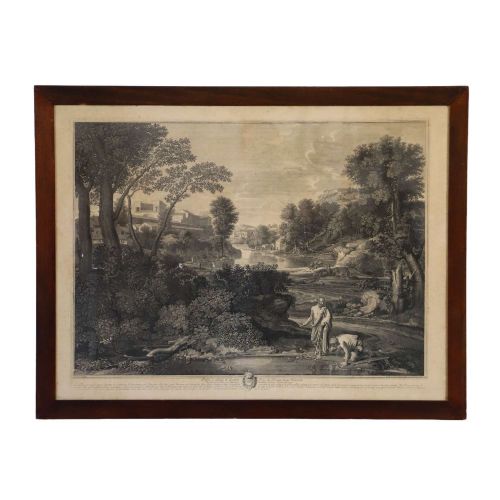
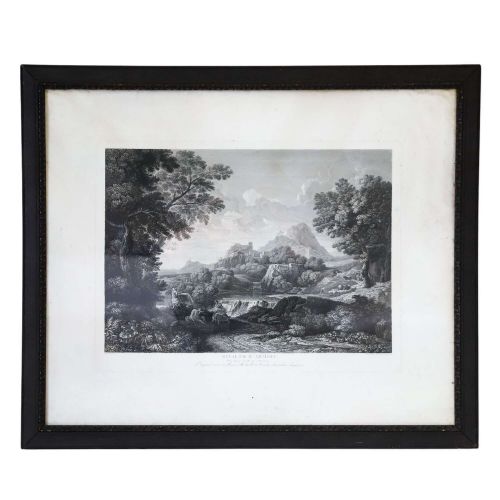
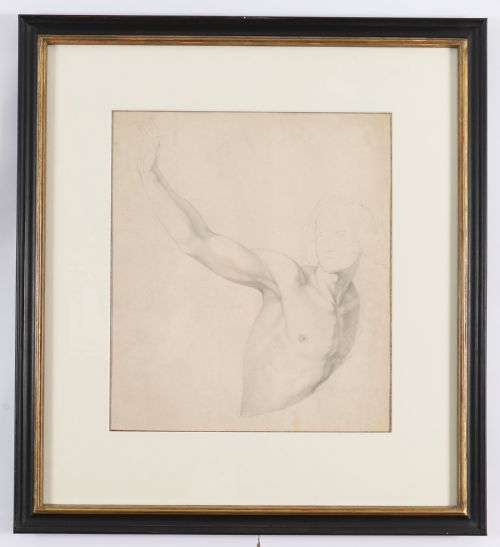
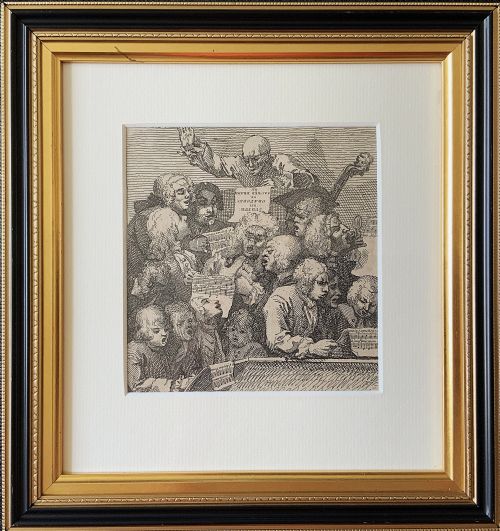
Paper Classical Wall Art
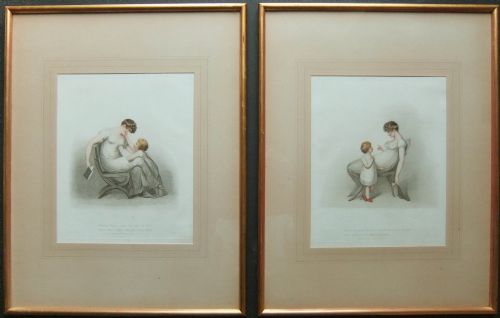
Paper classical wall art brings together centuries of detailed engravings, ink studies, and hand-coloured prints framed for display.
Paper Classical Wall Art
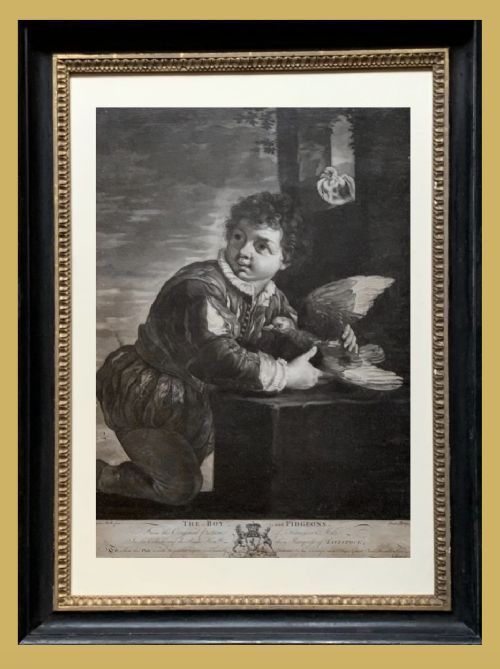
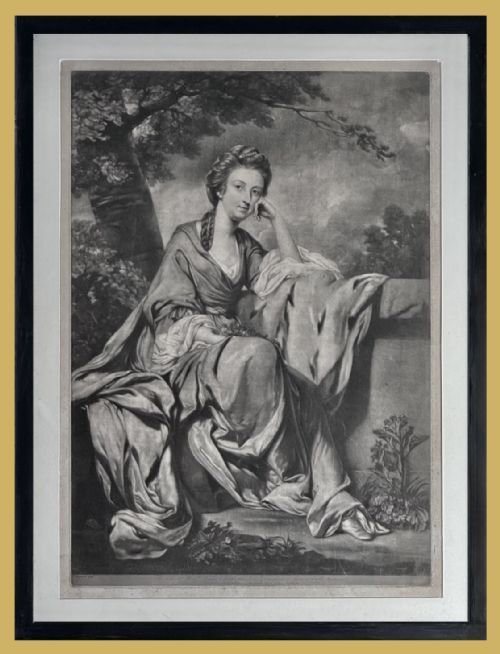
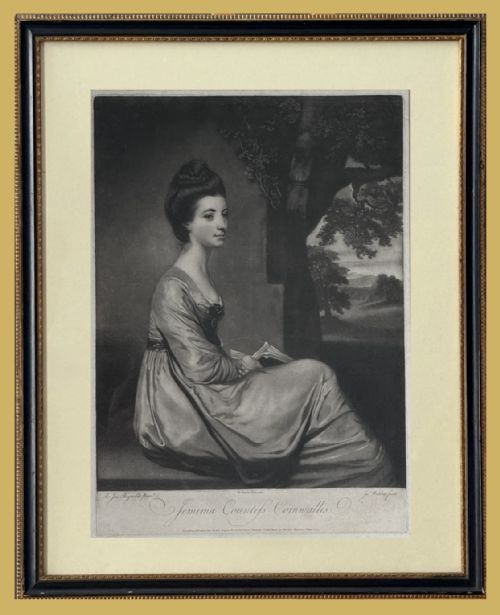
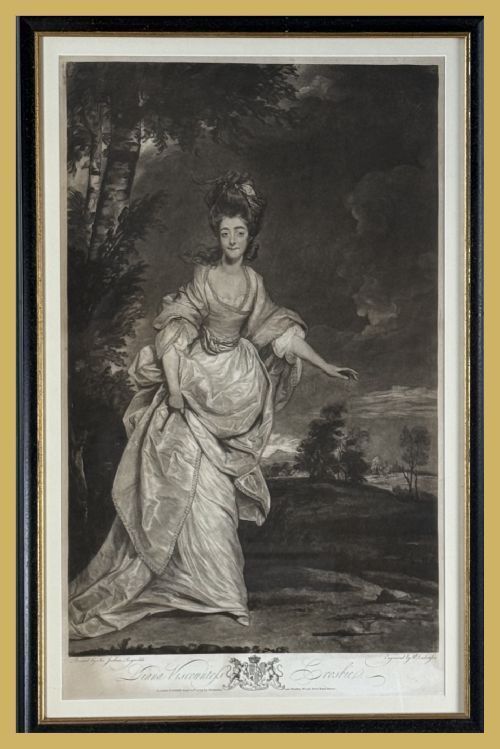
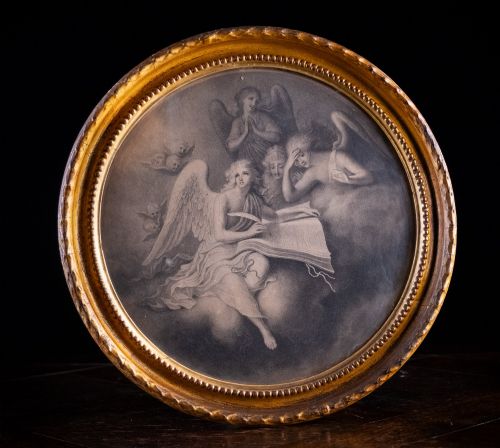
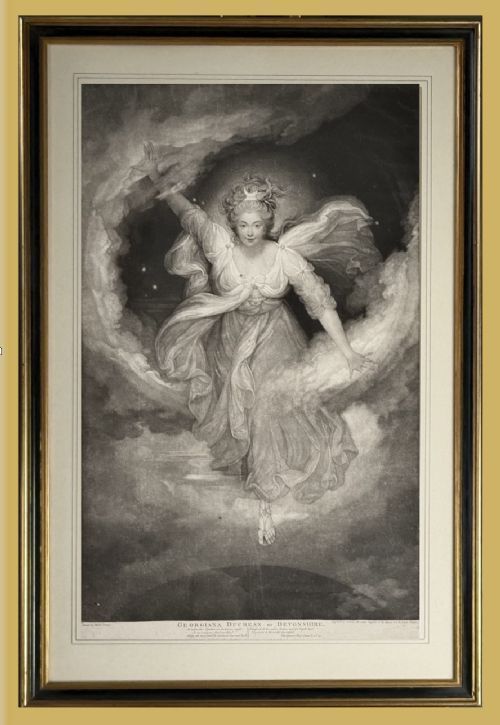
Paper classical wall art encompasses framed prints, engravings, and original drawings created across several centuries, drawing heavily on neoclassical, Renaissance, and academic traditions. When searching this phrase, buyers encounter everything from eighteenth-century mezzotint portraits and mythological scenes to nineteenth-century architectural drawings and life studies.
The selection ranges from French and Northern European engravings housed in period wood and glass frames to later twentieth-century interpretations and collotypes. These pieces reflect historical periods including the seventeenth, eighteenth, and nineteenth centuries, alongside works produced later than nineteen-sixty.
Most items function as framed artwork designed for direct wall hanging, bringing classical motifs, historical figures, and architectural subjects into domestic spaces.
Materials and execution
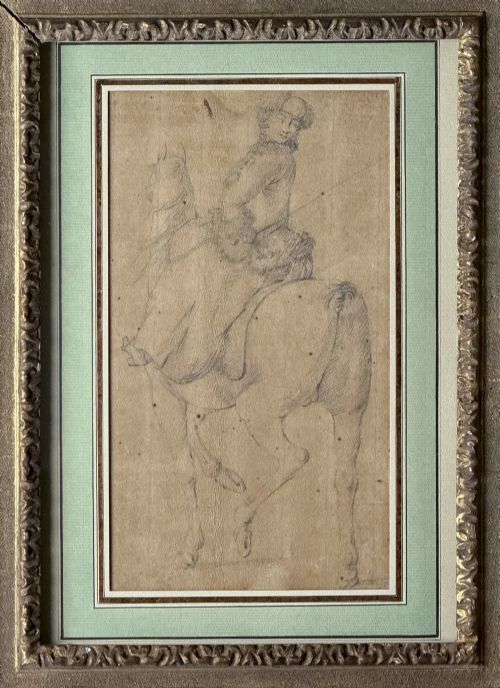
The foundational medium for these works is paper, utilised alongside ink, graphite, gouache, and watercolour to build tonal depth and fine line detail. Engravers and artists employed copper plates, etching tools, and wash techniques to capture intricate subjects from classical antiquity and academic studies.
Presentation relies heavily on traditional framing materials, with wood frames often incorporating glass protection and occasional gold leaf or gilt highlights. These physical components work in tandem to preserve delicate paper works over centuries of display.
Listings feature works spanning the seventeenth century through to pieces created later than nineteen-sixty, executed in media including ink, graphite, gouache, and gold leaf.
Distinguishing quality
Quality in these works rests upon the clarity of the impression, the crispness of the ink or graphite lines, and the preservation of the paper support. Finer engravings exhibit sharp detail in complex compositions, whereas inferior examples may show muddy impressions or excessive fading.
The integrity of the original frame and the association with noted historical engravers, publishers, or draughtsmen elevate individual pieces. Hand-applied details, such as gouache or watercolour washes, demand precise execution to maintain compositional balance.
John Boydell·Edward Fisher·James Watson·W Dickinson·Valentine Green·Maria Hadfield Cosway·Adam Buck·Étienne Baudet·William Hogarth·Simon François Ravenet·Martinetti·Antonio Capellan·Michelangelo·Gio Marco Paluzzi·Pierre Buillon·Henri Chatillon·Jabez Bligh·Augustus Jules Bouvier·Pablo Picasso·Raphael·Sir Joshua Reynolds·Pier Francesco Mola·Polidoro de Caravaggio
The Paper Classical Wall Art Glossary
- Mezzotint
- A printmaking process of the intaglio family where the plate is roughened to produce dark tones and scraped to create light areas. This technique allows for subtle gradations of light and shade, frequently utilised for eighteenth-century portraiture.
- Collotype
- A planographic printing process that uses bichromated gelatin to produce continuous-tone photographic reproductions. It yields rich, detailed prints common in early twentieth-century publishing.
- Sanguine
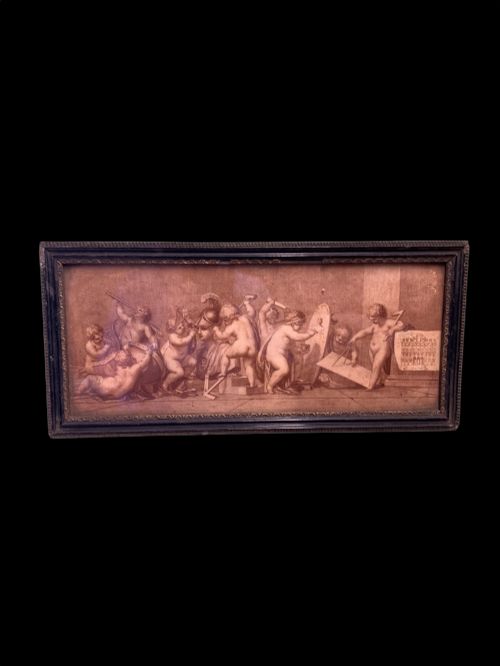
- A type of red chalk used for drawing, producing warm reddish-brown lines. It was favoured by classical and academic artists for figure studies and portraits.
- Wash
- A technique where diluted ink, watercolour, or paint is applied in broad, flat or graded layers across paper. It provides background depth and shadow in ink and graphite drawings.
- Grand Tour
- A traditional trip of Europe undertaken by upper-class European young men of means in the seventeenth through nineteenth centuries. Items acquired often included architectural prints and classical art souvenirs.
Paper Classical Wall Art: Frequently Asked Questions
What subjects appear in classical paper art?
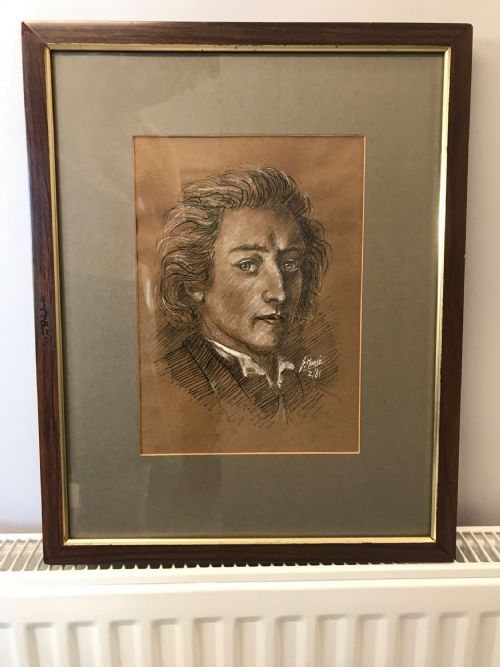
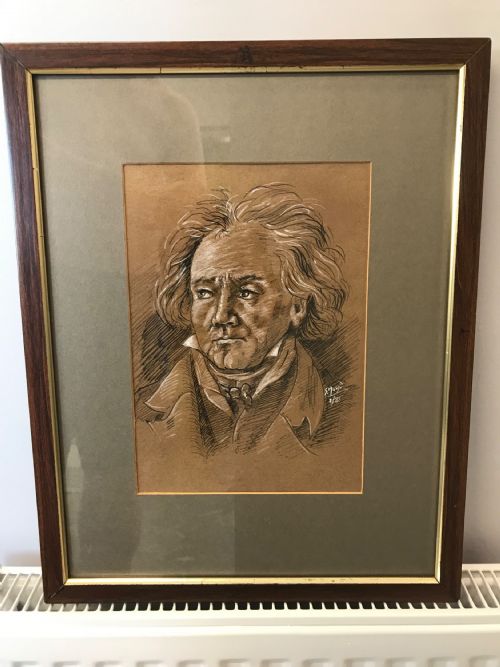
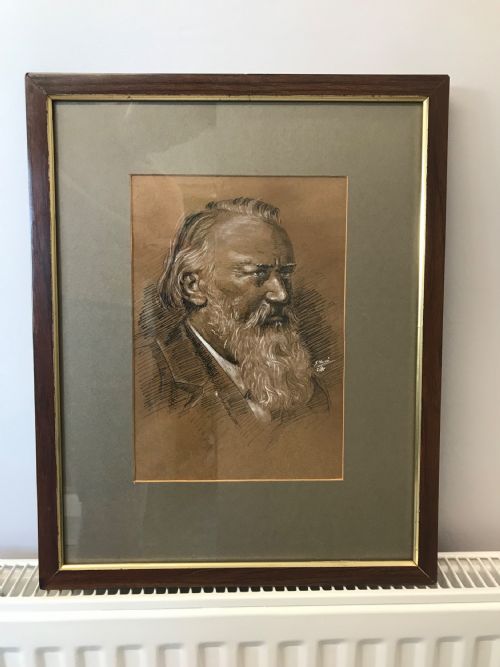
The works feature mythological scenes, architectural studies of ancient ruins and palaces, academic life drawings, and portraits of composers and historical figures.
Religious narratives, pastoral gatherings, and allegorical figures also recur frequently across the centuries represented.
How should these framed works be displayed?
Display them away from direct sunlight to protect fragile paper, ink, and watercolour pigments from fading over time.
Keeping them in stable indoor humidity conditions ensures the wood frames and glass remain secure.
Are these pieces original antiques?
Many examples date directly from the seventeenth through nineteenth centuries, originating as period engravings, etchings, and hand-drawn studies.
Others include twentieth-century reproductions, collotypes, and later works created in historical styles.
What is an architectural print?
Architectural prints depict historical buildings, classical ruins, or detailed plans of royal palaces and civic structures.
They were often produced during the Grand Tour period to document classical architecture for collectors.