
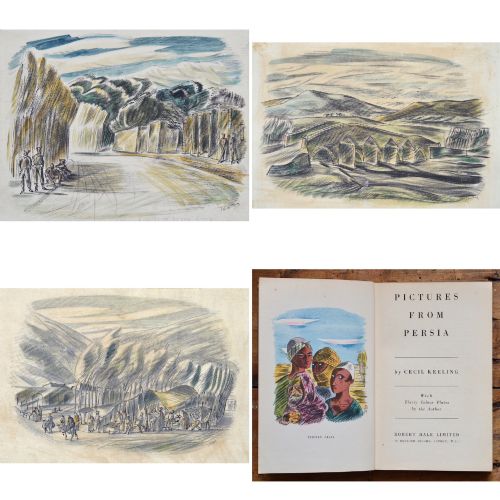


Paper Book Illustration
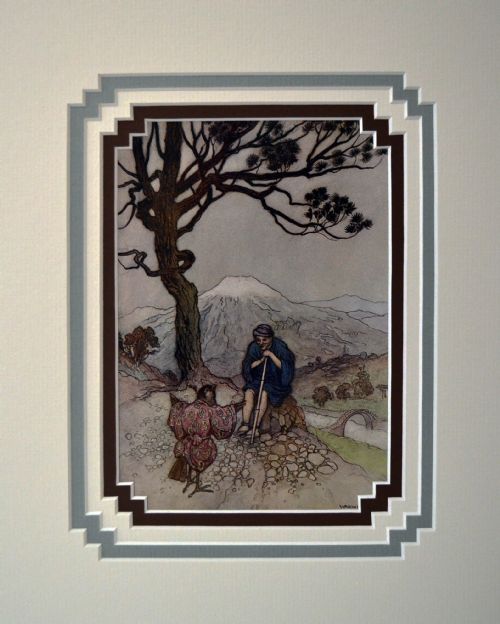
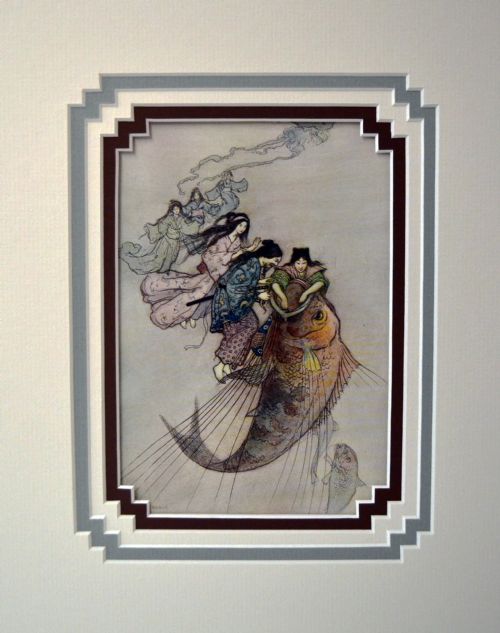
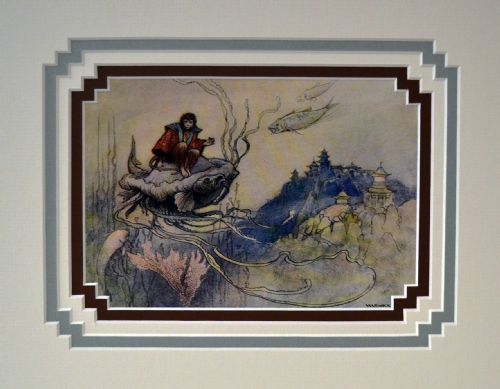
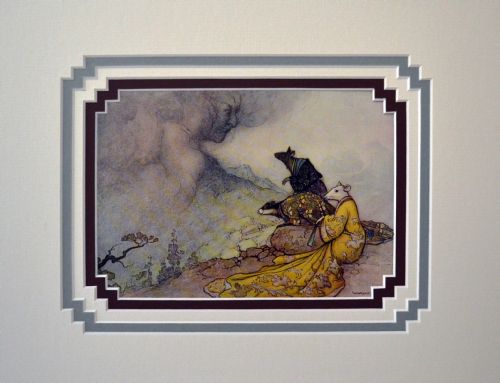
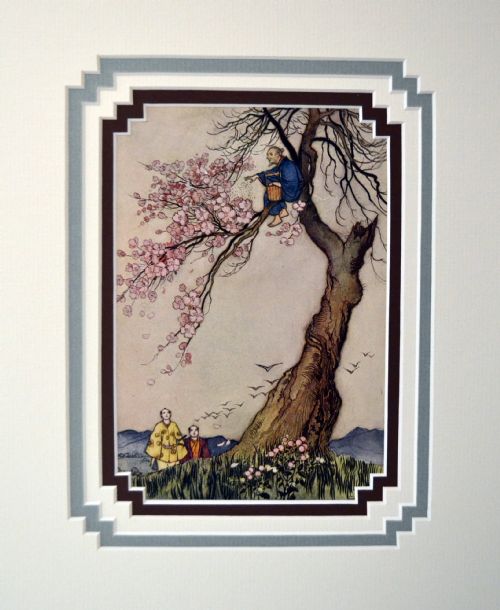
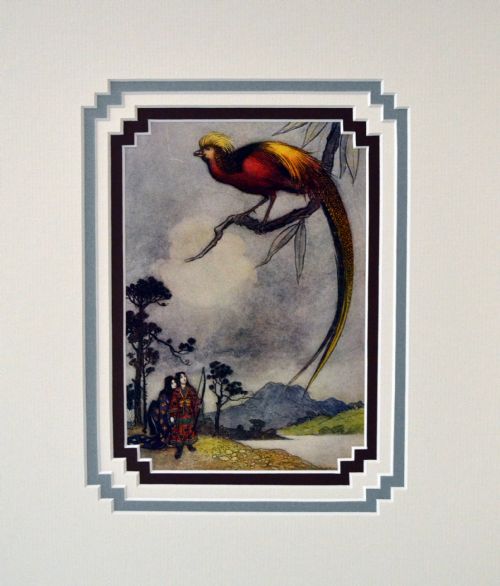
These paper book illustration works bring home original artwork, prints and watercolours from Victorian, Edwardian and mid-century editions.
Paper Book Illustration
When you search for paper book illustration, you encounter original artwork, framed prints and antique book plates spanning the nineteenth century through the mid-twentieth century. The selection ranges from Victorian volumes and Edwardian fairy tale prints to wartime drawings and mid-century sketches.
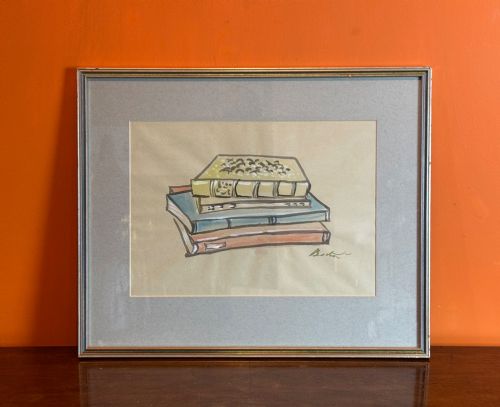
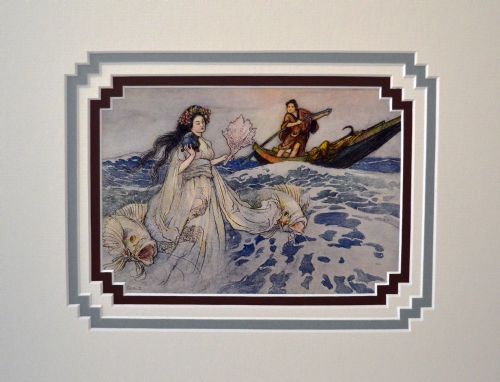
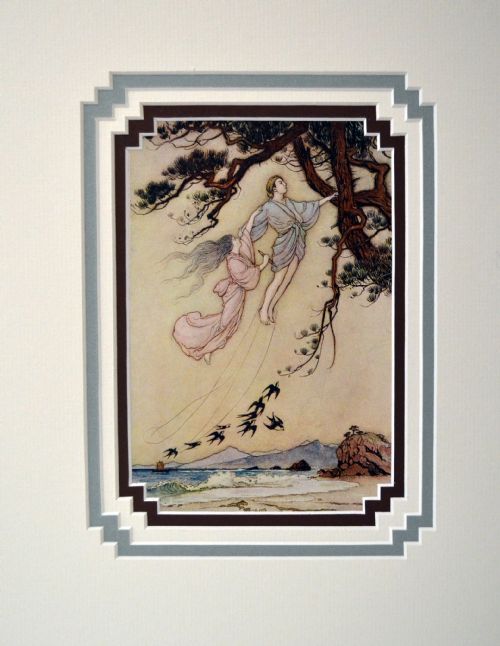
You are most likely to meet first edition prints from Edwardian fairy tales alongside original pen, ink and watercolour artwork created for specific literary projects. These pieces often arrive framed with mountboard and glass, preserving the original paper and card integrity.
How they were made
Artists created these works using watercolour, ink and pen directly onto paper, card or mountboard, frequently preparing plates for reproduction in published volumes. Some items combine the original drawing with the associated copper plate or encompass rebound books containing extensive graphic plates.
Framing typically incorporates wood and glass to protect the delicate paper, card and cardboard mediums from environmental wear. The production techniques bridge traditional hand-painted artistry with early book printing and publishing standards.
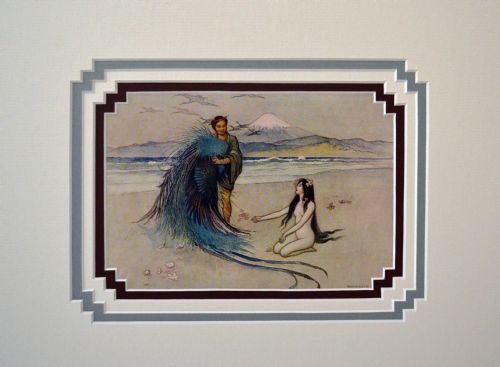
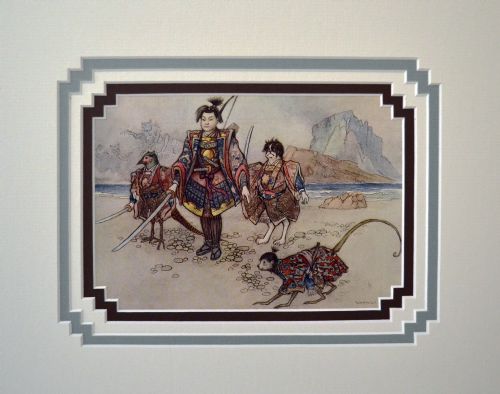
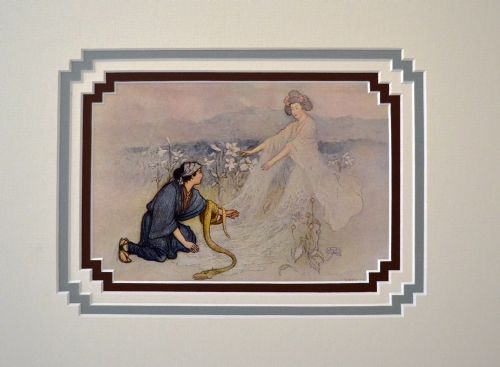
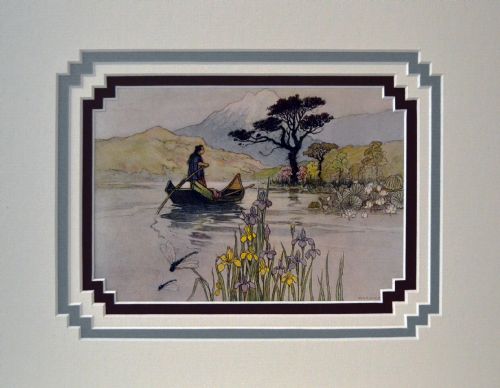
One drawing series captures wartime life, whilst another illustrates Japanese fairy tales and erotic poetry.
What varies in quality
The distinction between standard prints and premier items rests upon whether the piece is a unique original drawing or a mass-produced first edition book plate. Hand-painted watercolours and signed wartime sketches command greater artistic standing than standard book illustrations.
Material presentation also shifts the calibre of a piece, particularly the quality of the original framing, the preservation of the paper or mountboard, and any direct association with a known published book or historical author.
Cecil Keeling·Cecil Beaton·Warwick Goble·Mariette Lydis·Gustave Dore·Fred Lawson
The Paper Book Illustration Glossary
- Watercolour
- A paint consisting of pigment suspended in a water-based solution. Artists applied this medium extensively to paper for book plates and preparatory drawings.
- Mountboard
- A heavy paper-based board used to frame and support artworks. It provides a structural barrier between the illustration and the glass.
- First edition
- The initial published printing of a book. Prints originating from these early runs carry particular collecting interest.
- Copper plate
- A metal plate engraved or etched for printing illustrations. These plates accompanied original drawings in the production process.
- Victorian
- The period relating to the reign of Queen Victoria. Items from this era often feature traditional book bindings and steel or wood engravings.
Paper Book Illustration: Frequently Asked Questions
What is a paper book illustration?
It is an original artwork, drawing, watercolour or printed plate created for inclusion within a published book. These pieces capture the visual narrative of literature across various historical periods.
They offer a direct connection to the publishing traditions of the nineteenth and twentieth centuries, featuring works from Victorian volumes up to mid-century modern editions.
How should I frame these prints?
Most works on paper require conservation-grade framing behind glass with proper mountboard separation. This protects the delicate paper and watercolour pigments from moisture and light damage.
Ensuring the artwork does not touch the glass directly preserves the integrity of the card and ink over time.
Are these pieces original art?
The selection includes both unique original hand-drawn artwork and antique first edition prints taken directly from published books. Each listing specifies whether the item is a one-off drawing or a published plate.
Original sketches feature direct pen, ink or watercolour application by the artist, whilst prints represent the published output of those designs.
How do I identify the period?
Periods are identified through the artistic style, publishing dates and material characteristics associated with Victorian, Edwardian, Art Nouveau or mid-century movements. Typography, paper type and binding styles also offer clear chronological indicators.
Many pieces carry explicit publication dates or are documented within specific historical book titles from the nineteenth and twentieth centuries.