



Pantry Storage Unit
A pantry storage unit brings centuries of practical domestic utility into the modern kitchen, offering substantial shelving and timeless timber character.
Pantry Storage Unit
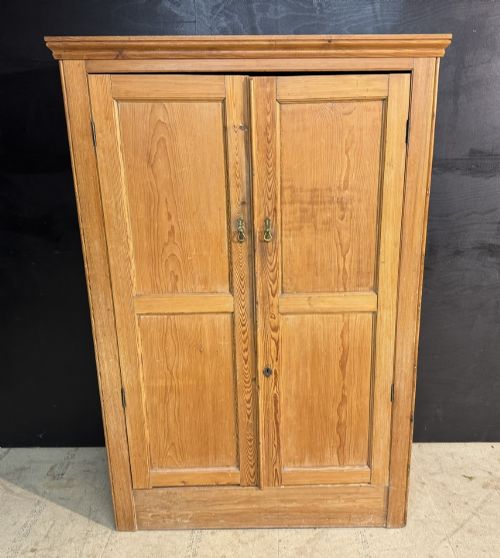
A pantry storage unit serves as the traditional home for provisions, linens, and kitchenware, spanning diverse utilitarian forms such as larder cupboards, housekeeper's cupboards, and kitchen dressers. When exploring these listings, buyers most frequently encounter substantial pine and oak examples dating from the Victorian era up to the mid-twentieth century.
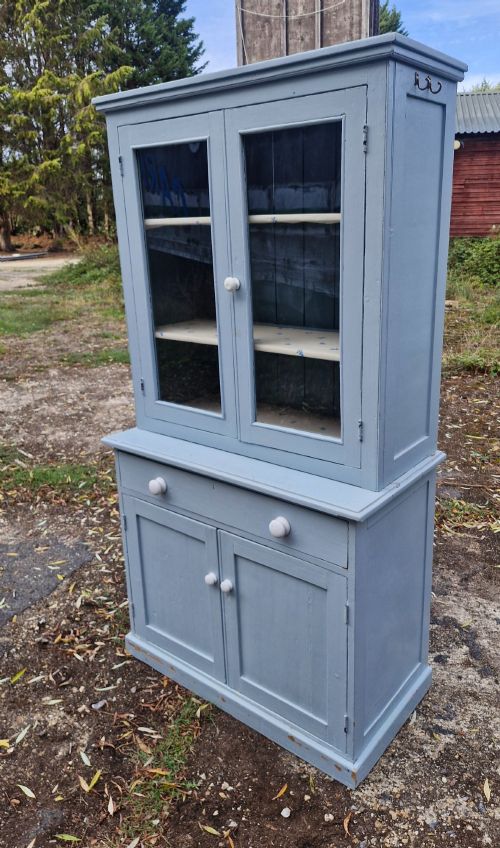
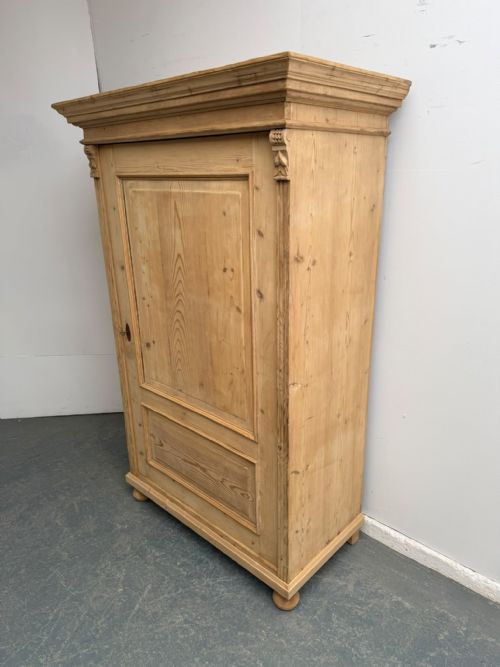
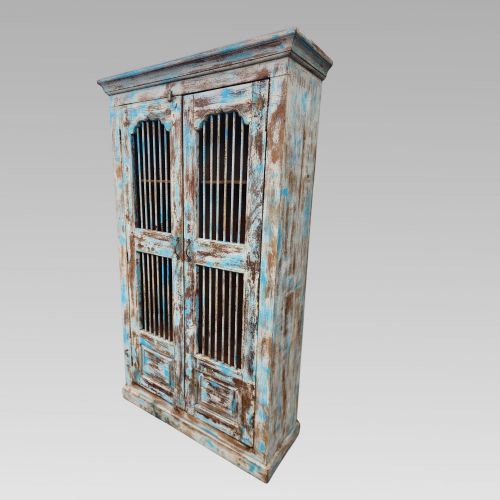
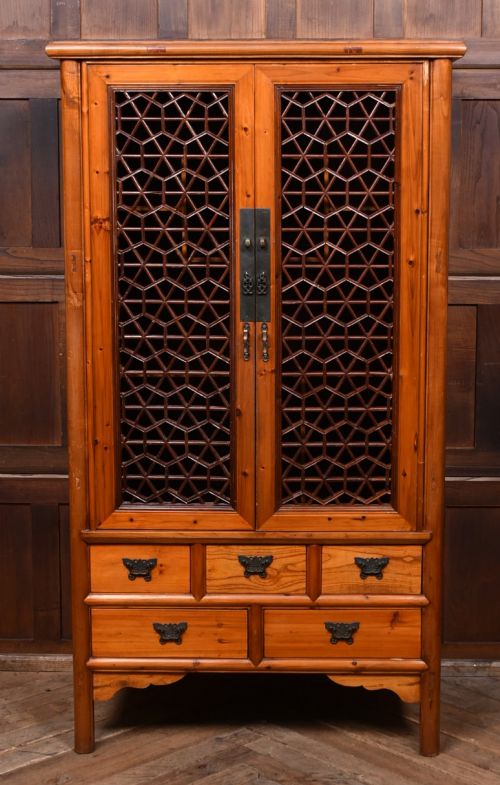
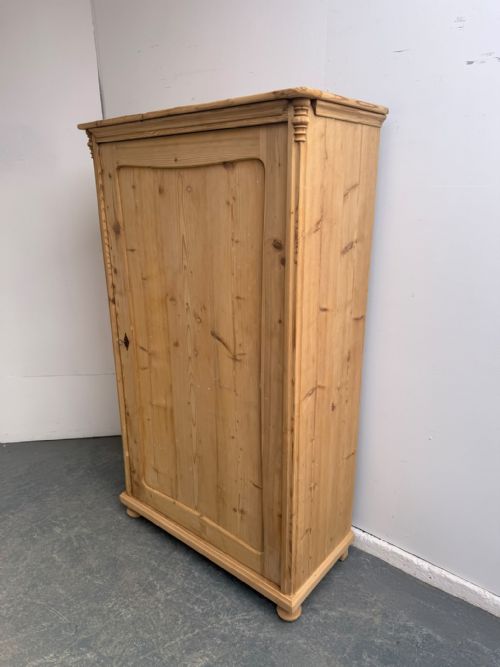
The selection ranges from simple single-door storage cupboards and vented kitchen cabinets to large two-part painted cupboards and multi-wood gothic dressers. Regional and international influences appear alongside standard British pieces, including Japanese Meiji items, French provincial designs, and rustic Indian teak furniture.
These pieces originate primarily from domestic kitchen and larder environments, built to house foodstores, tableware, and household linen securely. Their enduring appeal lies in their generous proportions and straightforward internal configurations, which continue to suit contemporary storage needs.
Materials and construction
Solid timber forms the structural foundation of almost every pantry storage unit, with pine, oak, and cedar chosen for their durability and availability. Cabinetmakers utilised traditional joinery methods, incorporating beaded panels, fielded doors, and multi-wood construction to ensure stability across large kitchen cupboards.
Iron and brass hardware such as hinges, latches, and ventilation grills provide both functional utility and structural reinforcement. Many pieces feature original painted surfaces or historic finishes designed to protect the wood while complementing domestic interiors.
Pantry Storage Unit Retail Price Guide 2026
Typical asking prices for pantry storage unit among the pieces listed under this phrase on Sellingantiques today, from the lower quarter to the upper quarter. They describe what is for sale here now, not the wider market.
The furniture spans multiple regional styles, including Victorian country, rustic farmhouse, French provincial, and arts and crafts.
Distinctions in quality
Quality in a pantry storage unit rests upon the integrity of the original timber framing, the retention of period hardware like brass and iron fixtures, and the honesty of the surface finish. Superior examples display thoughtful proportions, such as balanced multi-door arrangements and well-fitted internal shelving designed for heavy household stores.
The degree of original or sympathetic surface treatment also dictates value, where untouched painted finishes or well-maintained waxed pine show the piece's authentic working history. Lesser examples may exhibit heavy structural alterations or compromised timbers that obscure the original vernacular design.
The Pantry Storage Unit Glossary
- Larder Cupboard
- A tall storage piece traditionally used for food preservation and provisions, often featuring ventilated panels to maintain air circulation around perishable goods.
- Housekeeper's Cupboard
- A large, robust storage cabinet historically used in substantial homes to store household linens, tableware, and dry goods.
- Fielded Panel
- A raised central portion of a wooden door panel with bevelled edges, designed to allow the wood to expand and contract naturally with humidity changes.
- Vented Cupboard
- A cabinet fitted with pierced metal or wooden grilles to allow airflow while keeping contents secure from pests.
Pantry Storage Unit: Frequently Asked Questions
What is a pantry storage unit used for?
These units provide substantial vertical storage for kitchen provisions, crockery, and household linens. They keep dry goods organised while adding traditional character to a room.
In modern homes, they function effectively as standalone larders, linen presses, or general utility cupboards.
How do I tell a Victorian pantry unit apart from later pieces?
Victorian pieces typically feature solid timber construction with hand-cut joinery, heavier proportions, and specific hardware such as cast iron hinges and brass latches. Later twentieth-century examples often utilise simpler internal fittings and lighter framing timbers.
Examining the backboards and drawer construction usually reveals the manufacturing methods characteristic of the nineteenth century.
Can I paint a wooden pantry storage unit?
Many historical pieces on the market feature original or later painted finishes, and many examples are explicitly suited for waxing or painting. Applying a breathable paint finish allows you to integrate the cabinet into modern kitchen colour schemes.
Preparation involves cleaning historic surfaces thoroughly and selecting paints that adhere well to aged pine or oak.
How do I care for antique pine and oak storage units?
Maintain the timber by keeping the unit away from direct heat sources and damp environments, which can cause wood to warp or split. Occasional application of quality beeswax helps nourish waxed pine and oak surfaces.
Regular dusting with a soft cloth preserves the historic finish without damaging the patina.