

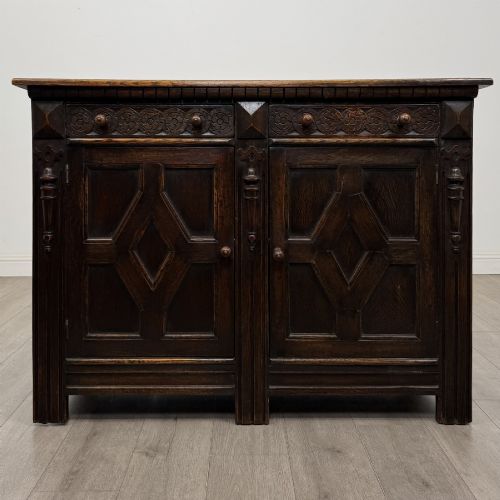
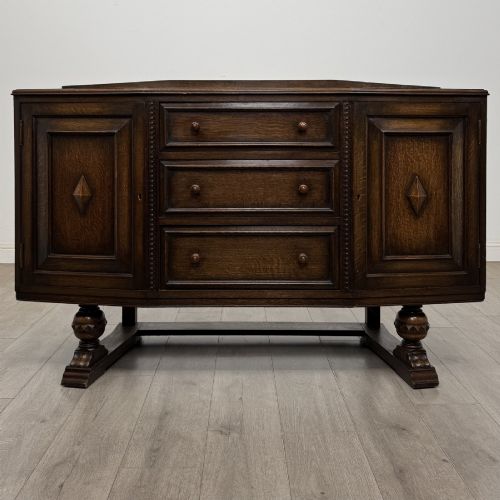
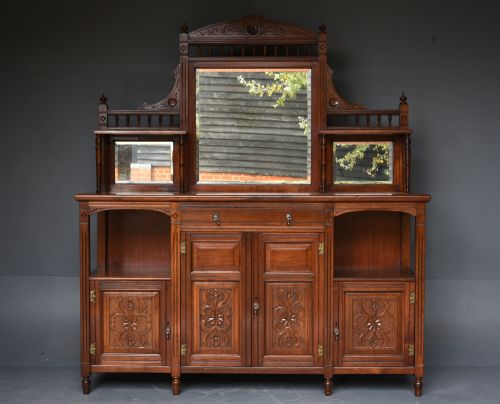

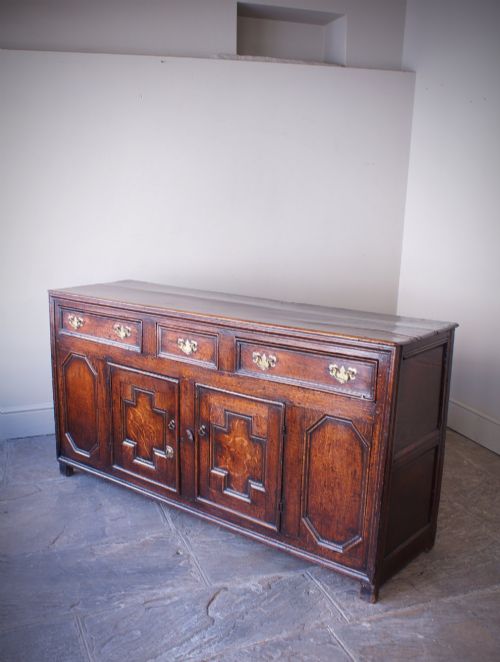
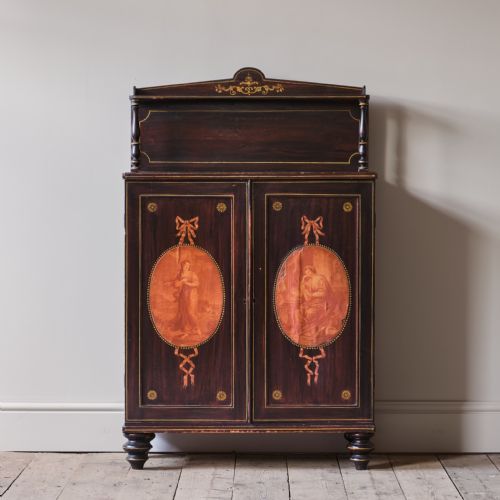
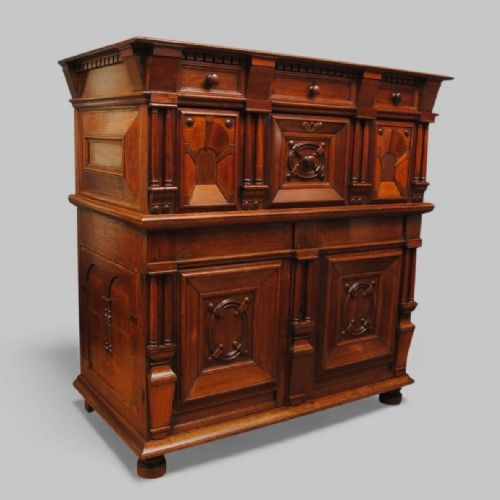

Panelled Wood Credenza
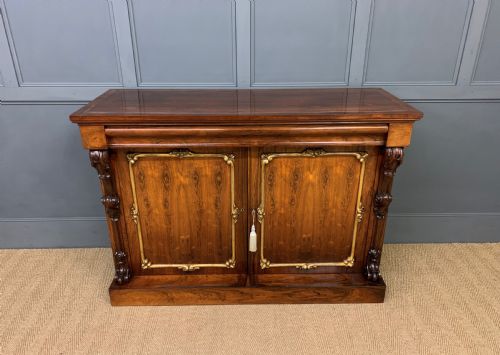
A panelled wood credenza brings sturdy joinery and rich timber grain into a room, offering practical storage disguised as traditional craftsmanship.
Panelled Wood Credenza
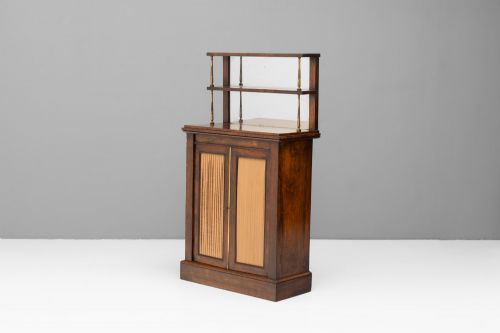
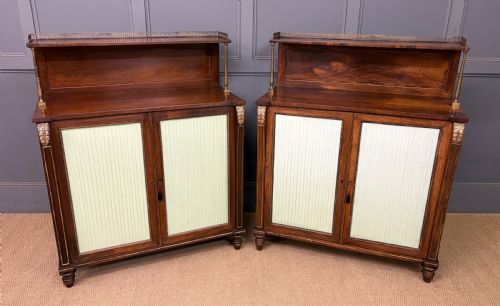
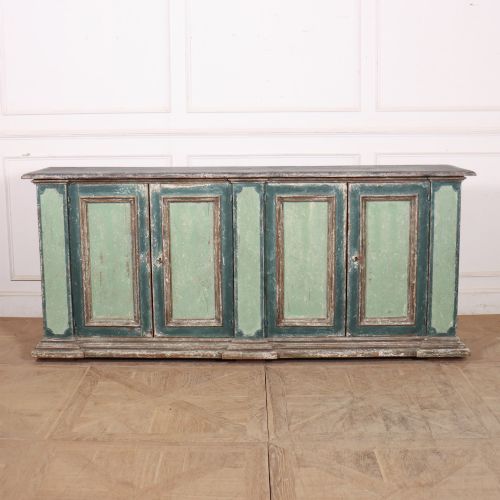
When searching for a panelled wood credenza, buyers encounter a variety of heavy storage forms including sideboards, dressers, cabinets, and chiffoniers. These pieces emerge from periods spanning the seventeenth century through the early twentieth century, reflecting stylistic shifts from Jacobean heaviness to Regency refinement.
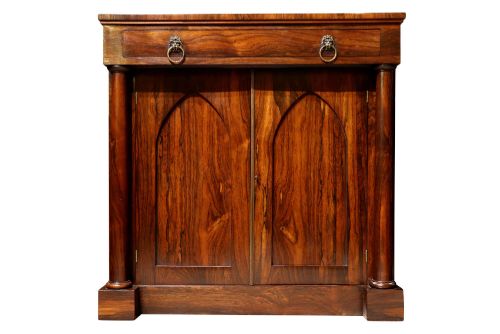
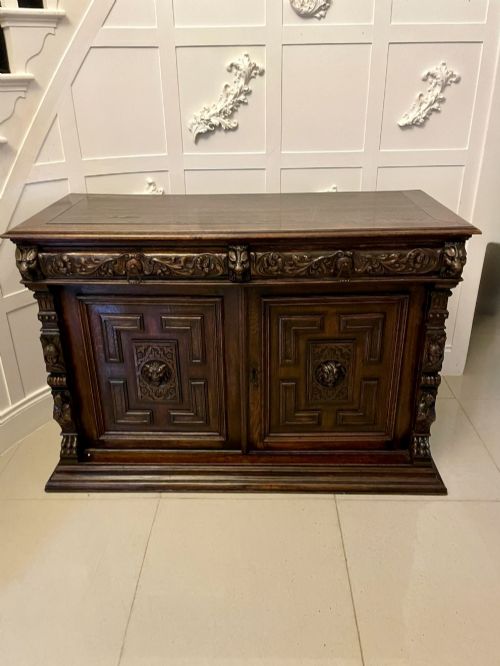
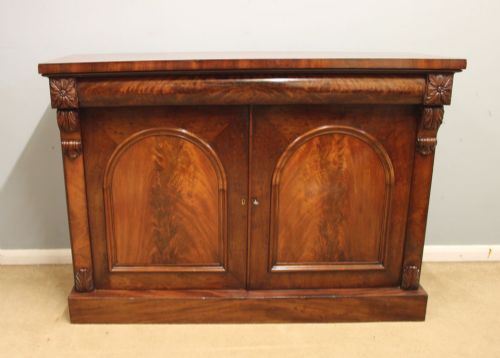
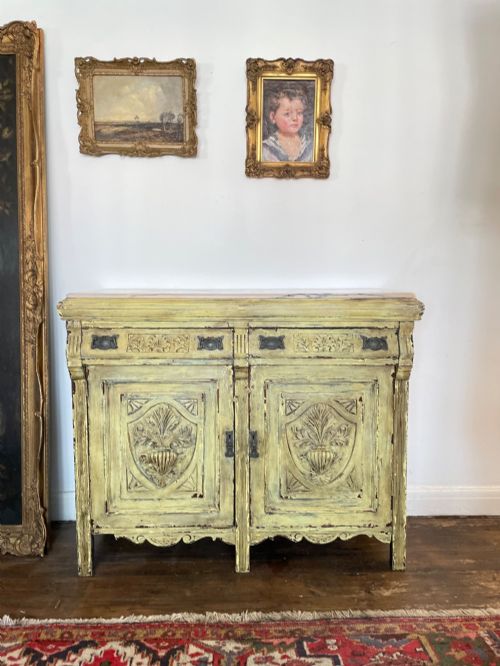
The materials recorded across these forms rely heavily on traditional hardwoods, predominantly oak and walnut, alongside mahogany and rosewood. Many examples incorporate panelled doors, turned legs, or carved details that distinguish formal dining room servers from smaller side cabinets.
Originating across English, French, and Italian workshops, these items serve as substantial focal points in domestic interiors. The selection balances sturdy oak dresser bases against polished rosewood side cabinets equipped with cupboards and drawers.
What varies in quality
The standard of a piece depends on the depth and crispness of the hand-carved details, whether cherubs or geometric mouldings, and the selection of the timber grain. Finer examples display harmonious proportions and seamless integration of panelled doors within solid frames.
Surface finishing and original hardware contribute significantly to the standing of an item. Superior pieces retain patinated polish on timbers like walnut and rosewood, alongside robust structural framing that maintains stability through centuries of use.
Panelled Wood Credenza Retail Price Guide 2026
Typical asking prices for panelled wood credenza among the pieces listed under this phrase on Sellingantiques today, from the lower quarter to the upper quarter. They describe what is for sale here now, not the wider market.
Listings feature timbers including oak, walnut, mahogany, and rosewood, spanning periods from the seventeenth century through the 1920s.
The Panelled Wood Credenza Glossary
- Chiffonier
- A compact sideboard or cabinet equipped with enclosed shelving and occasionally a mirror back. This form gained popularity during the Regency and Victorian eras.
- Dresser base
- A sturdy wooden table structure featuring lower cupboards or drawers used historically for food preparation and storage in kitchens and dining rooms.
- Stretcher base
- A system of horizontal wooden bars connecting the lower legs of a cabinet or table for added rigidity and support.
- Breakfront
- A large cabinet design where the central section projects forward from the flanking outer sections, creating visual depth.
Panelled Wood Credenza: Frequently Asked Questions
Where should I place a wooden credenza?
These cabinets suit dining rooms, hallways, or living spaces where substantial surface area and enclosed storage are required. Their heavy timber construction anchors large wall spaces effectively.
Ensure adequate clearance for doors and drawers to open fully without obstruction from surrounding furniture.
How do I care for antique timber surfaces?
Maintain the finish by dusting regularly with a soft, dry cloth and avoiding direct sunlight or excessive moisture. Natural waxes applied sparingly help preserve the grain.
Harsh chemical cleaners strip historical polish and damage the underlying wood.
How can I identify the period of a wooden cabinet?
Examine the timber selection, hardware, joinery methods, and stylistic motifs such as Gothic Revival arches or Regency rosewood veneers. Construction marks often indicate regional workshop practices.
Comparing structural details against documented historical styles clarifies the date of origin.