
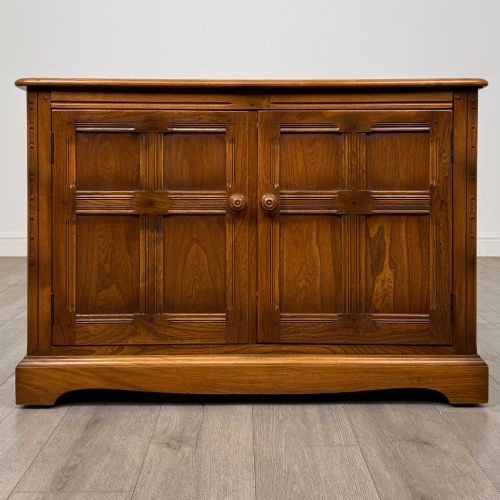
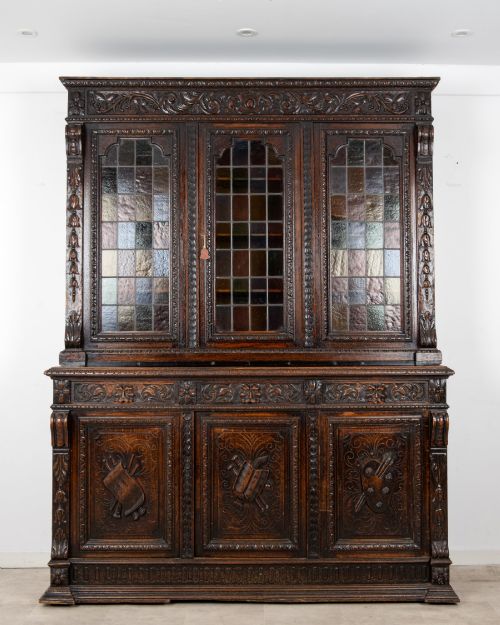
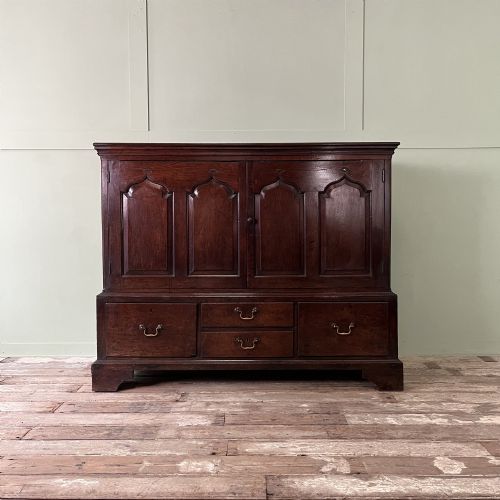
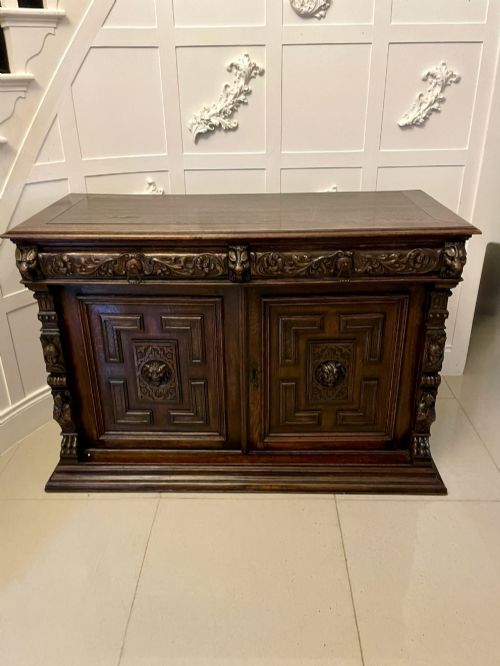
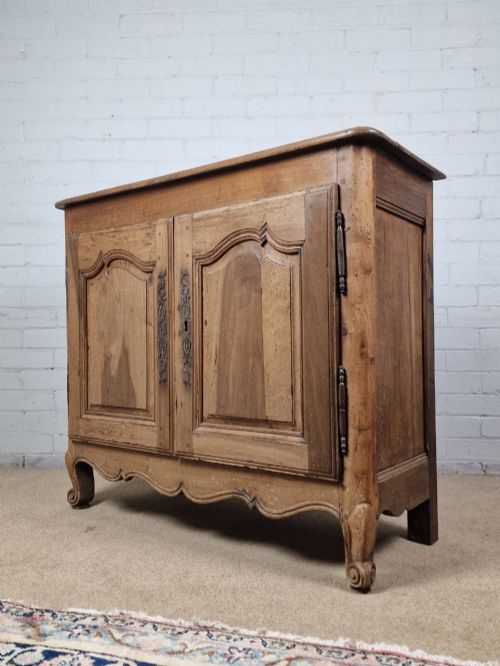
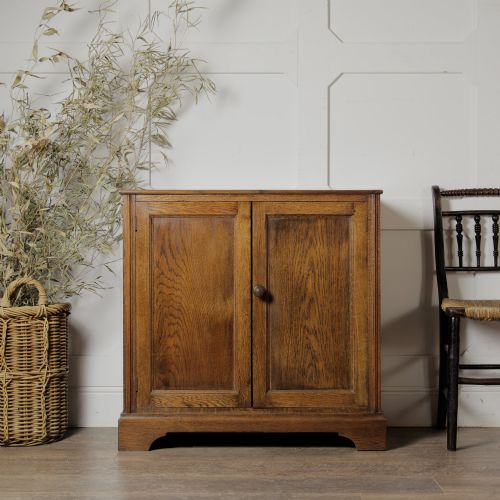
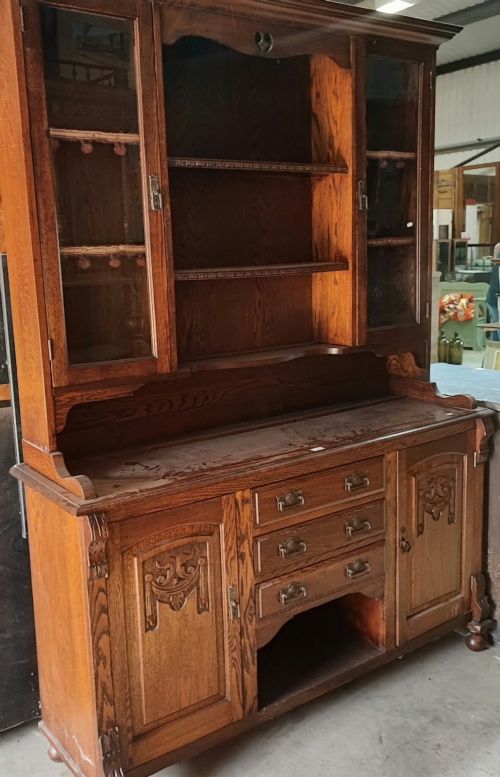
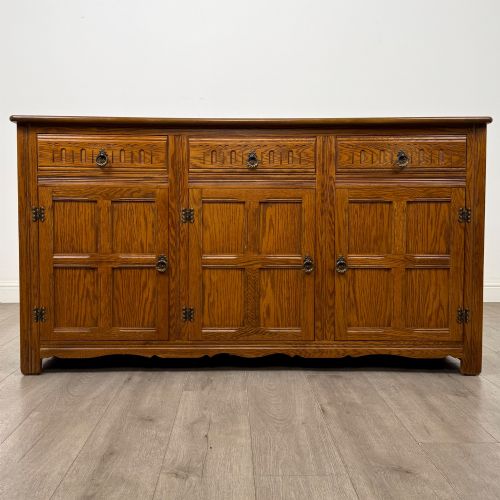
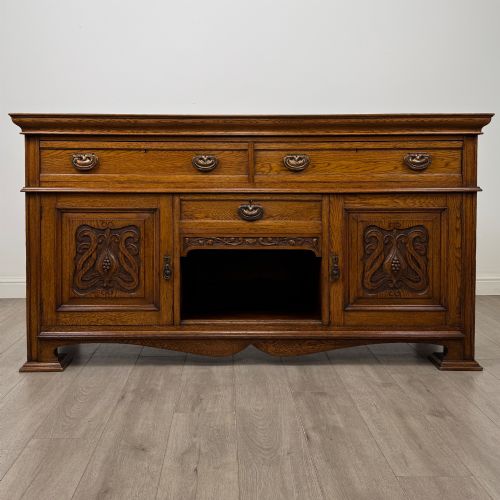
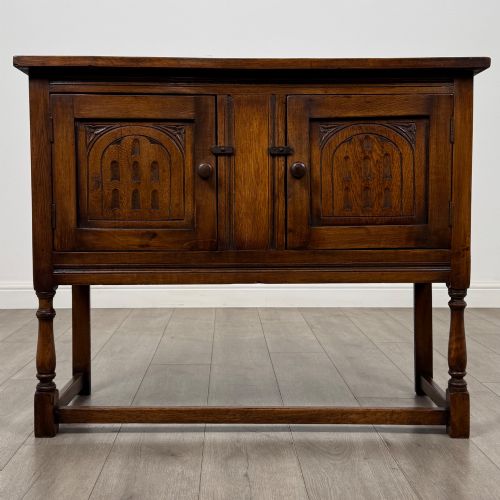
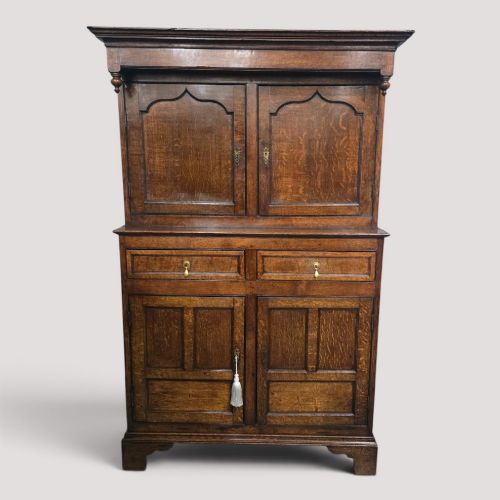
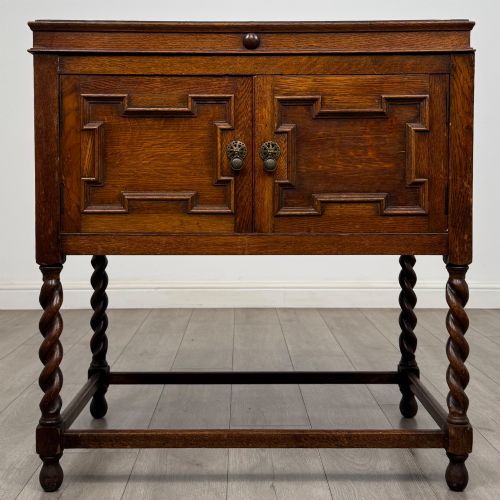
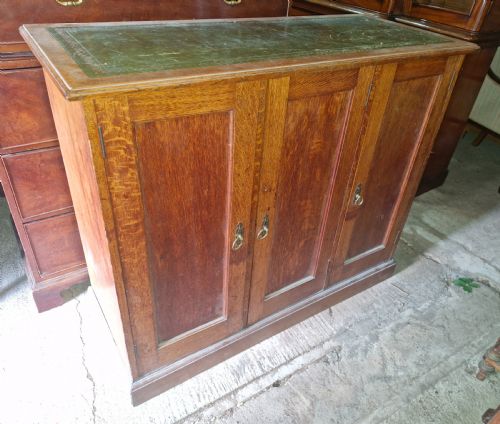
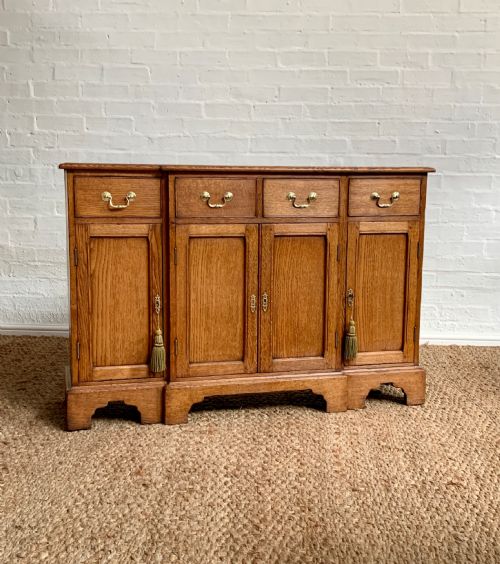
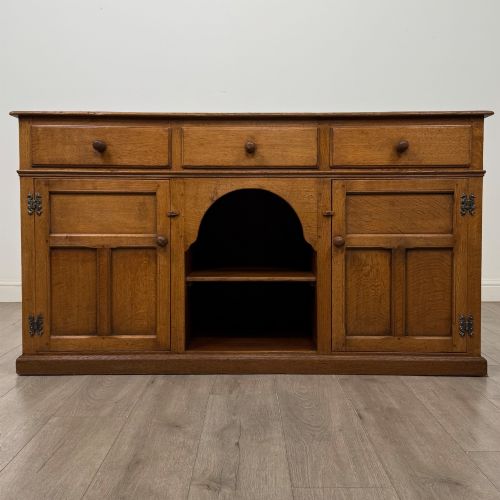
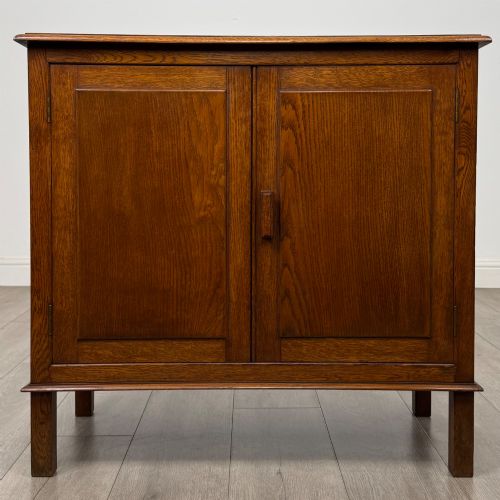
Panelled Oak Sideboard Cabinet
These panelled oak sideboard cabinet pieces bring centuries of sturdy craftsmanship and timber warmth directly into modern rooms.
Panelled Oak Sideboard Cabinet
A panelled oak sideboard cabinet brings together heavy storage forms like dresser bases, court cupboards, and low buffets spanning from the 17th century to the Edwardian era. You will frequently find pieces originating from the 17th, 18th, and 19th centuries, alongside Edwardian revivals.
The primary forms take shape as low cupboards, court cupboards, and dresser bases utilised for storage in dining rooms, kitchens, and hallways. These items range from simple English country designs to elaborate Jacobean and Gothic Revival styles.
Markers of quality
Quality rests upon the depth of hand-carving, the crispness of the moulded panels, and the choice of timber figure, such as pollard oak or golden oak. Early 17th-century and Georgian examples often display superior joined construction compared to later revival pieces.
The integration of secondary decorative elements like snakewood or fruitwood inlay elevates specific items, alongside the presence of original brass ironmongery and uncompromised structural timber.
Listings span multiple eras from the 17th century through the Edwardian period, utilising oak, pollard oak, fruitwood, and wrought iron.
The Panelled Oak Sideboard Cabinet Glossary
- Court cupboard
- A heavy storage piece originating in the 17th century, featuring an enclosed upper section supported by pillars above a lower cupboard.
- Dresser base
- A low wooden sideboard cabinet with drawers or cupboards, historically utilised in kitchens and dining areas for serving and storage.
- Pollard oak
- Timber taken from trees that were pollarded, producing a highly figured grain pattern prized for decorative cabinet panels.
- Jacobean style
- A heavy, formal design idiom characterised by geometric moulding, strapwork, and dark oak surfaces recalling the 17th century.
Panelled Oak Sideboard Cabinet: Frequently Asked Questions
How do I date an oak cabinet?
Dating relies upon examining construction methods, timber patination, and stylistic details such as hand-carved panels or integrated mouldings. Earlier pieces from the 17th century display joined construction and pegged joints.
Later Victorian and Edwardian revivals often incorporate machine-cut elements, lighter golden oak finishes, and different hardware styles that distinguish them from genuine antique furniture.
Where were sideboard cabinets used?
These cabinets served primarily in dining rooms, hallways, and kitchens for storing tableware, linens, and provisions. Low buffet styles and dresser bases functioned as surfaces for serving food during meals.
In domestic settings today, they provide substantial storage space while serving as focal points in living areas and dining spaces.
What is a court cupboard?
A court cupboard is an enclosed wooden storage piece featuring a smaller upper cabinet supported by heavy pillars over a larger lower base. These substantial items date back to the 17th century and earlier.
They were built with panelled oak and intricate carved details, serving as status symbols in wealthy English country houses.
How do I care for antique oak?
Maintain antique oak furniture by keeping it away from direct heat sources and sudden humidity changes to prevent timber splitting. Regular dusting with a soft, dry cloth preserves the natural finish.
Apply a traditional beeswax polish sparingly when the wood appears dry, buffing gently to maintain the historic surface sheen.