



Panelled Double Door Cabinet
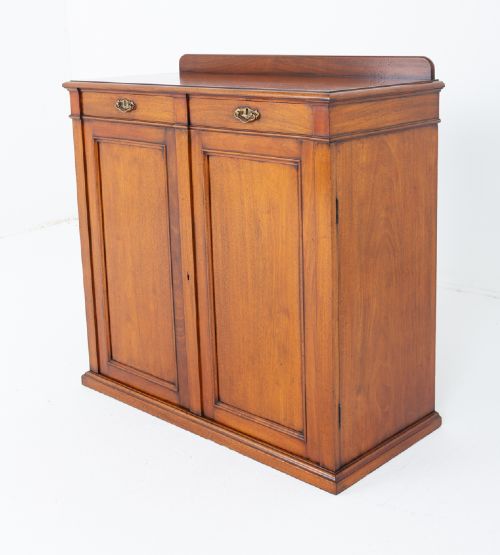
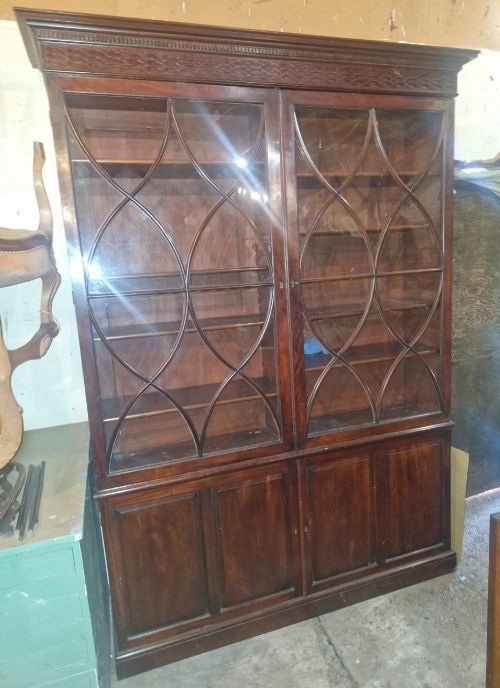
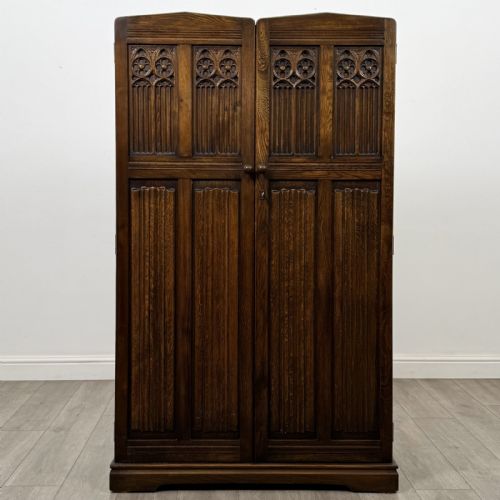
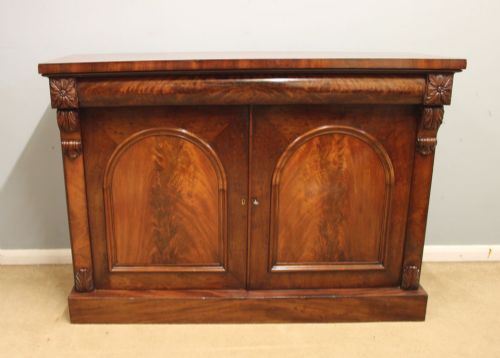
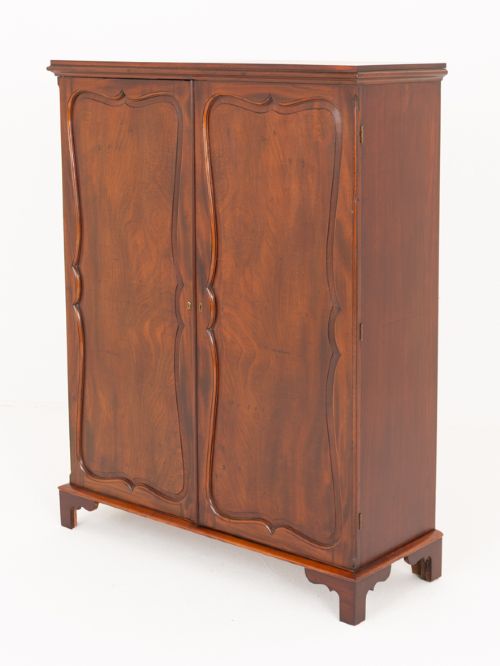
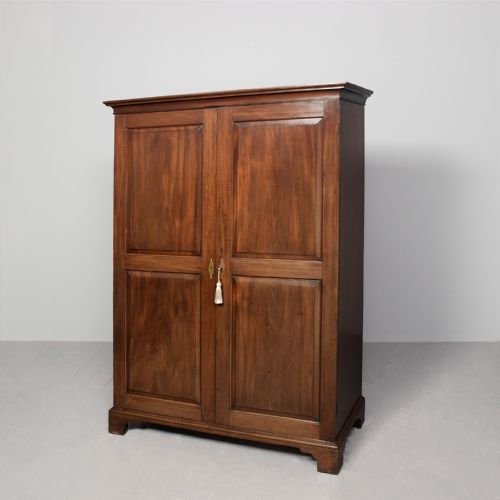
When you search for panelled double door cabinet, you uncover substantial storage furniture built from timber like mahogany, oak, and walnut across several historic periods.
Panelled Double Door Cabinet
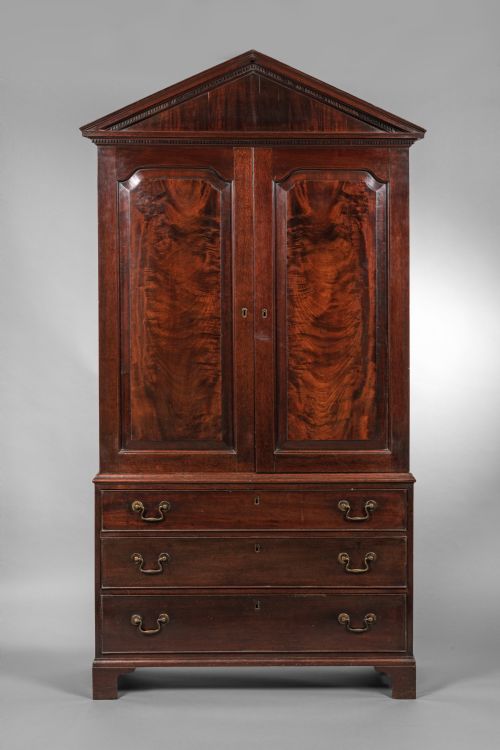
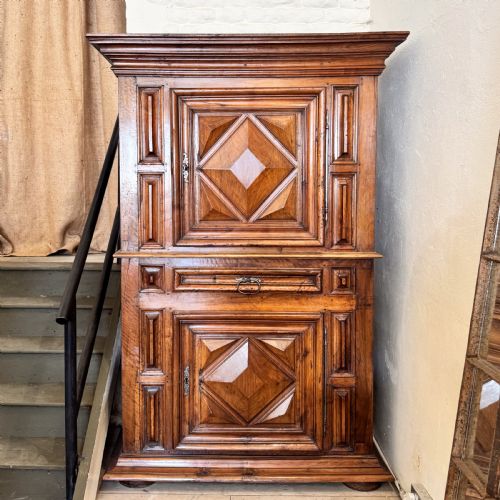
Buyers seeking a panelled double door cabinet encounter large storage pieces originating from periods such as the Georgian and Victorian eras, alongside 17th-century and 19th-century examples. The selection spans distinct forms including wardrobes, linen presses, chiffonier sideboards, and corner cupboards.
Most pieces on this page utilise a standard two-door format constructed from dense hardwoods like mahogany and oak. These storage items served traditional domestic roles in bedrooms and living spaces for keeping garments and household textiles secure.
Regional variations appear across the inventory, stretching from French provincial and Italian baroque styles to Regency and Anglo-Indian colonial designs. Each regional school brings distinct proportions and timber choices to the foundational double-door layout.
Materials and construction methods
Cabinet makers relied primarily on solid timbers such as mahogany, oak, and walnut for the structural carcase and doors. Workshops also applied mahogany veneer, burr walnut, and flame mahogany veneer to visible surfaces to create figured grain patterns.
Hardware details incorporate functional brass and iron fixtures for hinges and locks, securing the heavy wooden doors. Joinery methods adapted to the period, supporting large storage forms intended to withstand decades of domestic use.
Panelled Double Door Cabinet Retail Price Guide 2026
Typical asking prices for panelled double door cabinet among the pieces listed under this phrase on Sellingantiques today, from the lower quarter to the upper quarter. They describe what is for sale here now, not the wider market.
Current listings feature double door storage forms spanning the Georgian, Victorian, and 17th-century periods in mahogany, oak, and walnut.
Distinctions in quality
Quality diverges according to the selection of timber veneers and the crispness of the door panelling. Pieces featuring burr walnut or flame mahogany veneer demand greater skill from the cabinet maker than plain solid woods.
The integration of brass or iron hardware and the stability of the large double doors indicate the standard of construction. Finer examples maintain strict alignment across the doors and frame over centuries of environmental shifts.
The Panelled Double Door Cabinet Glossary
- Carcase
- The main structural body or shell of a piece of furniture before doors and drawers are fitted. This foundational framework supports the weight of the timber panels.
- Linen Press
- A tall double-door storage cabinet originally designed for holding household textiles and folded garments. Upper sections typically enclose sliding shelves or trays.
- Compactum
- A multi-functional wardrobe designed to maximise interior storage efficiency through dedicated compartments and hanging space. These units appeared during the 19th century.
- Chiffonier
- A low sideboard or cabinet featuring enclosed storage beneath a surface top. Victorian examples often incorporated panelled doors to conceal interior shelving.
Panelled Double Door Cabinet: Frequently Asked Questions
What is a panelled double door cabinet used for?
These large pieces provided essential domestic storage for garments, linens, and household supplies in historic interiors. Their enclosed double doors kept contents protected from dust and light.
Today, buyers utilise them in modern bedrooms, hallways, or living areas as substantial wardrobes, linen stores, or general storage cupboards.
How do I date a wooden cupboard?
Dating relies on observing the primary timber species, construction joinery, hardware types, and stylistic details. Georgian and Victorian pieces exhibit different proportions and decorative vocabulary.
Cabinet construction methods evolved between the 17th century and the late 19th century, offering clear physical clues to their period of manufacture.
Are these cabinets difficult to place in modern homes?
These substantial storage units require careful measurement of floor space and ceiling height before placement. Their deep carcases and wide double doors need adequate clearance to open fully.
Placing them in rooms with neutral walls allows the rich tones of mahogany, oak, or walnut to function as a focal point.