


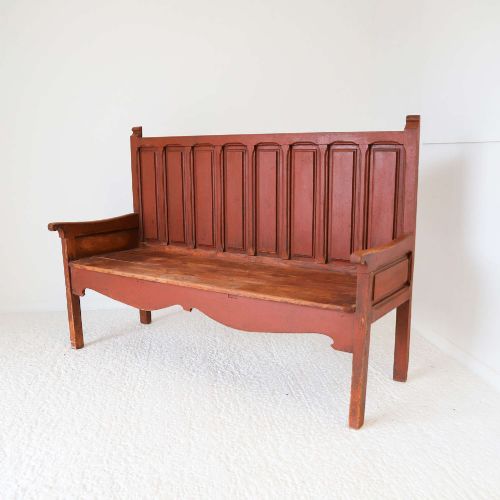


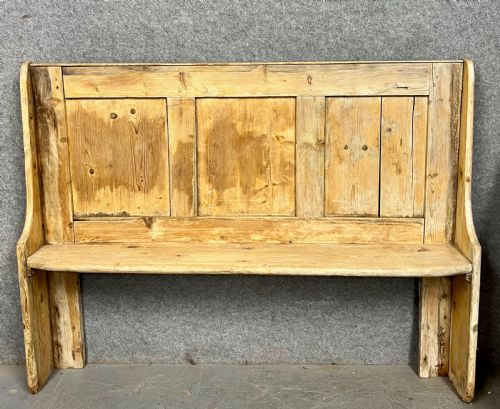

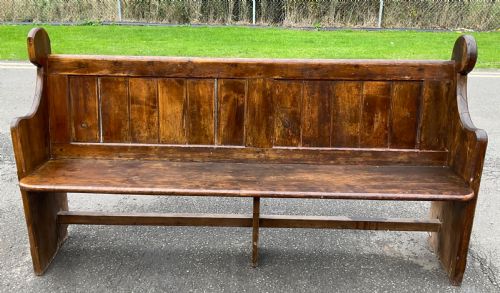


Panelled Back Pine Bench
A panelled back pine bench offers solid utility and honest character, bringing traditional seating and storage into any room.
Panelled Back Pine Bench
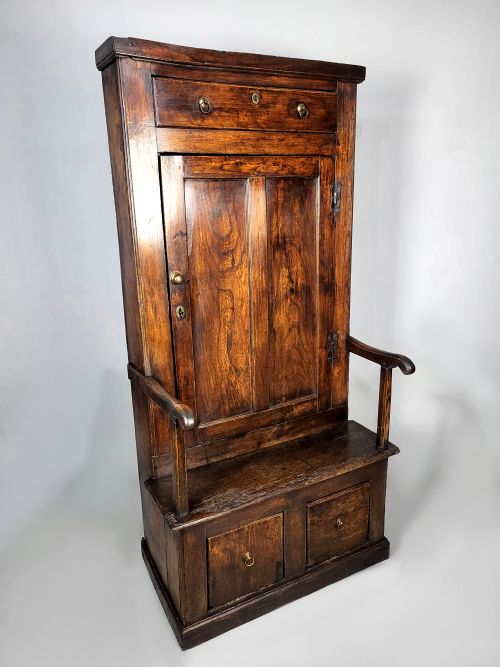
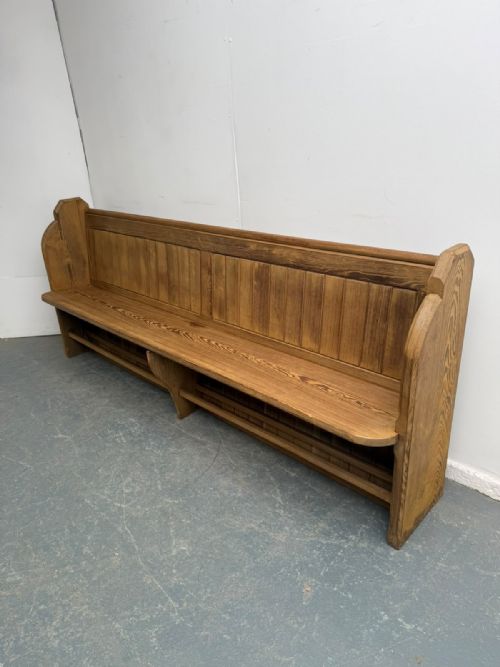
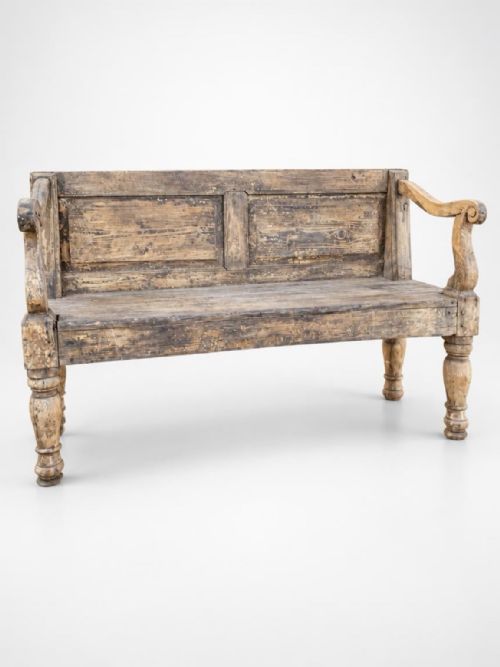
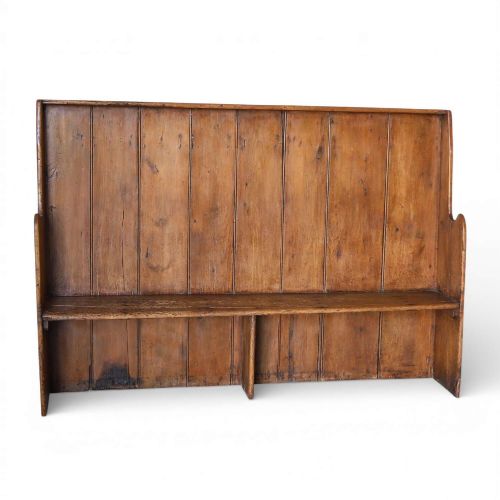
A panelled back pine bench combines architectural timber construction with practical seating, frequently taking the form of a high-back settle or box settle. These pieces function as hall benches, tavern benches, and dining seats, designed originally to block draughts and provide secure storage.
Construction and materials
Makers utilised solid pine and pitch pine, building frames with heavy planks and jointed panels to withstand daily domestic or tavern use. Wrought iron and brass hardware occasionally reinforce hinges, storage compartments, and structural joints.
Surfaces frequently show original painted finishes, grey or other historic pigments, alongside honey brown patina developed through decades of wax polishing and natural wear.
Panelled Back Pine Bench Retail Price Guide 2026
Typical asking prices for panelled back pine bench among the pieces listed under this phrase on Sellingantiques today, from the lower quarter to the upper quarter. They describe what is for sale here now, not the wider market.
Some antique settles doubled as sleeping quarters on cold nights, keeping weary travellers safely tucked away from floor-level drafts.
Judging quality and character
Quality rests in the survival of original surfaces, such as early painted finishes and untouched patination, rather than stripped timber. The integrity of the panelled back and the presence of original storage drawers or box bases elevate a piece above standard utility items.
Proportion and scale distinguish finer regional examples, from large Spanish and Welsh settles to compact hall seats. Construction details, such as pegged joints and substantial timber thickness, indicate superior workshop origins.
The Panelled Back Pine Bench Glossary
- Settle
- A wooden bench with a high back and solid arms, designed to keep out cold draughts in domestic halls and taverns. Many examples incorporate enclosed box seating beneath the lift-up seat.
- Pitch pine
- A durable, resinous variety of pine timber noted for its distinct grain pattern and strength. It appears frequently in heavier Victorian pews and seating.
- Patina
- The surface sheen and colour acquired by wood through age, handling, and polishing. A good honey brown patina indicates decades of careful maintenance.
- Barrel back
- A seating design where the high back curves around the occupant in a semi-circle. This form provides maximum shelter from draughts in open rooms.
Panelled Back Pine Bench: Frequently Asked Questions
Where were settles used?
These benches traditionally stood in farmhouse kitchens, hallways, and public taverns where draughts were a constant problem. The high panelled back acted as a windbreak near open doors and hearths.
Over time, they moved into more formal reception rooms and country house halls as decorative yet functional seating.
How do I clean my bench?
Maintain wooden surfaces using a traditional beeswax and a soft cloth to nourish the grain without damaging historic patination. Avoid modern liquid cleaners that strip away the aged finish.
Painted settles require gentle dusting and should be kept away from direct sunlight and damp conditions to preserve the original pigment.
Are these benches comfortable?
Traditional wooden settles feature upright panelled backs and solid seats designed for posture rather than lounging. Adding a loose cushion or squab pad improves comfort for daily dining use.
The high back and solid sides provide excellent physical support while maintaining historical authenticity.
How do I date a pine bench?
Dating relies on construction methods, timber characteristics, and stylistic clues such as panel moulding and hardware types. Georgian and 18th-century examples often display hand-planed boards and pegged joinery.
Victorian and later pieces tend to show standardised machine sawn timber and simpler internal construction for storage compartments.