

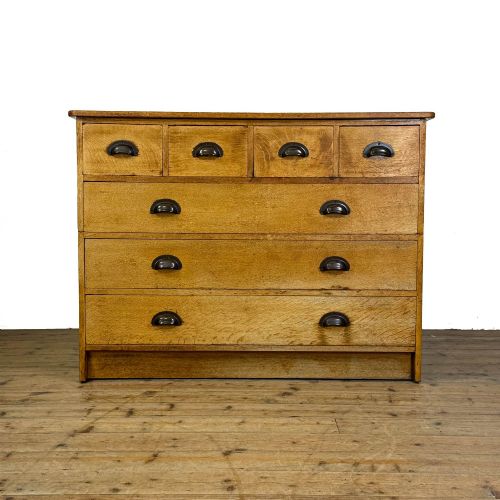


Pale Oak Chest
A pale oak chest offers a lighter timber grain and substantial storage, bringing calm warmth to a room without darkening the corners.
Pale Oak Chest
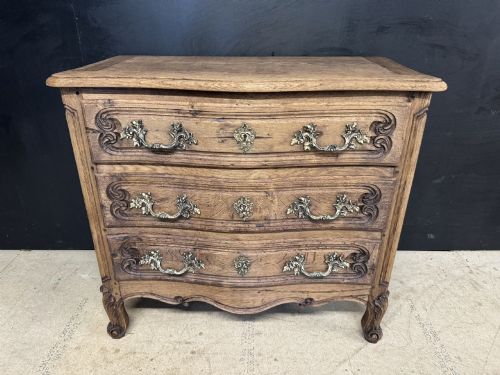
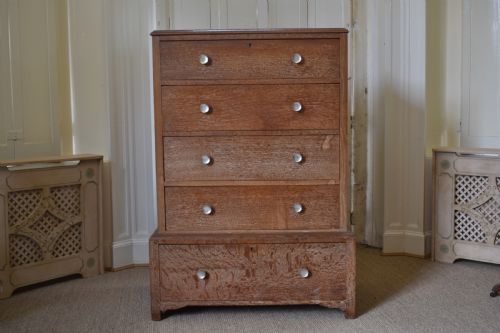
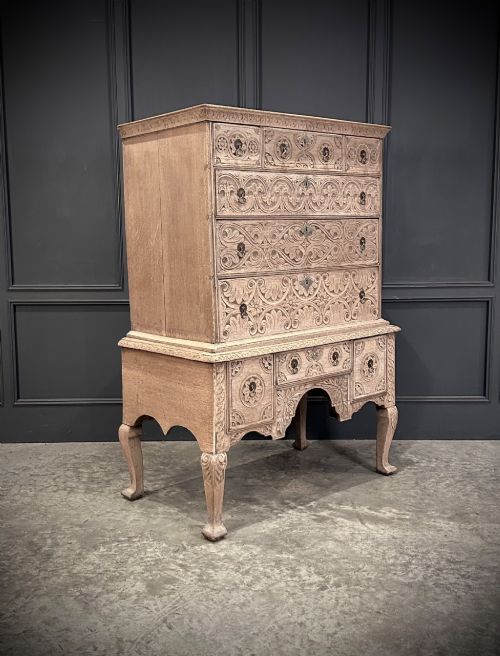
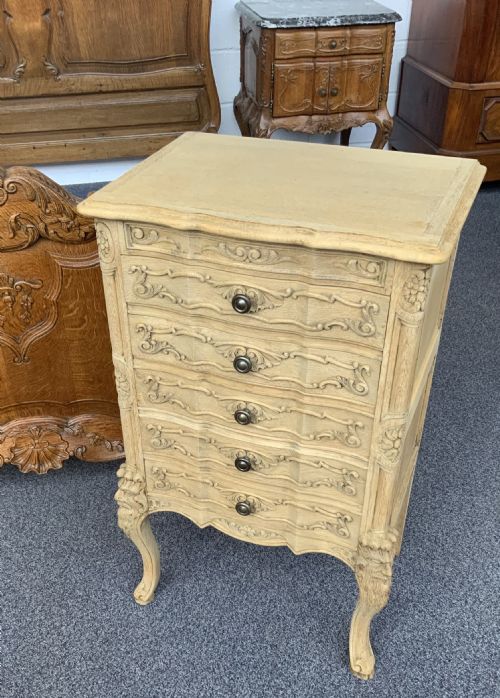
A pale oak chest provides sturdy storage with a lighter timber tone, appearing across eighteenth-century, nineteenth-century, and twentieth-century periods. These pieces take various forms, including standard chests of drawers, tall chests, commodes, and chests on stands or chests on chests.
The finish often comes from period bleaching, liming, or deliberate stripping, which softens the natural dark grain of traditional oak. Buyers frequently encounter nineteenth-century Scotch chests, Georgian designs, and twentieth-century utility or plan chests on this page.
Originating from English, French, Austrian, Dutch, and regional country workshops, these items suit both traditional interiors and minimalist modern spaces. The construction ranges from simple country cupboards to elaborate bombe commodes and pieces with slate tops.
How they were made
Cabinet makers built these chests using solid oak timbers, joining boards with traditional dovetails for the drawer construction and sturdy mortise and tenon framing for the carcase. The timber surfaces show the natural grain of the wood, sometimes enhanced through historical bleaching or liming techniques.
Fittings such as handles, escutcheons, and hinges are typically cast in brass or wrought metal, secured to the drawers to withstand daily use. Certain specialised pieces also incorporate fitted writing desks with maker-stamped brass locks.
Pale Oak Chest Retail Price Guide 2026
Typical asking prices for pale oak chest among the pieces listed under this phrase on Sellingantiques today, from the lower quarter to the upper quarter. They describe what is for sale here now, not the wider market.
Some chests feature integrated writing desks, complete with Hobbs locks to keep private correspondence secure from prying eyes.
What varies in quality
The quality of a pale oak chest depends on the crispness of the cabinet work, the thickness of the timber boards used in the drawers, and the integrity of the joints. Superior examples display thoughtful proportions and clean lines, whether executed in a restrained Georgian style or a curved continental form.
The treatment of the surface also defines the standard of the piece, with even bleaching or sympathetic liming preserving the natural figure of the oak without masking the texture. Original brass hardware and sound internal drawer construction separate finer items from simpler utilitarian chests.
Heals·Lamb Manchester
The Pale Oak Chest Glossary
- Commode
- A low chest of drawers or cabinet, often of continental origin. This term frequently describes decorative eighteenth-century and nineteenth-century pieces with shaped fronts.
- Chest on Stand
- A tall chest raised on a separate base with legs. This form lifts the storage space off the floor and lightens the visual weight of the furniture.
- Limed Oak
- Timber treated with a specialised finish that leaves a whitish pigment in the grain. This process creates a pale, muted surface popular in twentieth-century design.
- Dovetail
- A joint formed by interlocking wedge-shaped fingers, used to connect drawer sides to drawer fronts. Fine, numerous pins indicate skilled hand craftsmanship.
- Escutcheon
- A protective plate surrounding a keyhole, usually made of brass or metal. It prevents the wood around the lock from splitting during use.
Pale Oak Chest: Frequently Asked Questions
What is a pale oak chest?
A pale oak chest is a wooden storage unit made from oak that has a light natural tone, a limed finish, or historical bleaching. These pieces range from simple eighteenth-century country drawers to formal Georgian commodes and twentieth-century plan chests.
Buyers choose them for their robust construction and lighter visual weight compared to dark, traditional oak furniture. They fit easily into modern and period interiors alike.
How do I date a pale oak chest?
Dating relies on examining the construction methods, such as hand-cut dovetails on drawers, the type of timber preparation, and stylistic clues. Georgian pieces show classical proportions and bracket feet, while twentieth-century examples often feature limed finishes or utilitarian designs.
Hardware styles and secondary woods inside the drawers also help pinpoint the period of manufacture. Comparing the joinery to known regional furniture traditions clarifies the age further.
Where were these chests made?
These chests originate from workshops across England, France, Austria, and the Netherlands. Country pieces often reflect local vernacular traditions, while city workshops produced more formal urban styles.
Continental pieces frequently display regional flourishes like bombe shaping or carved provincial details. English examples tend to follow prevailing domestic fashions from the Georgian and Victorian eras.
How do I care for a pale oak chest?
Care involves keeping the timber away from direct heat sources and sudden humidity changes to prevent the oak from splitting. Dusting with a dry, soft cloth maintains the surface without building up residue.
Avoid using harsh chemical polishes or modern silicones that can alter the pale finish or sink into the open grain of the wood. Natural wax, applied sparingly, protects the surface if the timber appears dry.