

Pairing Console Tables
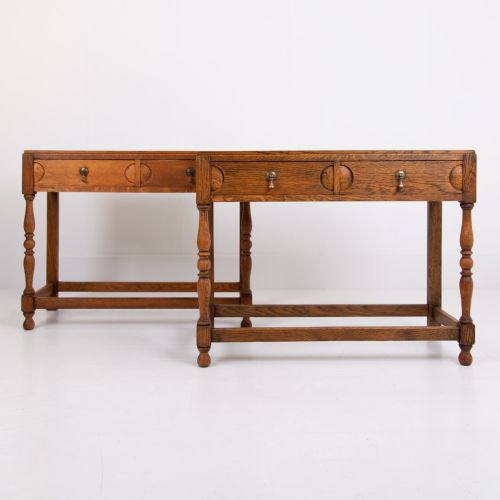
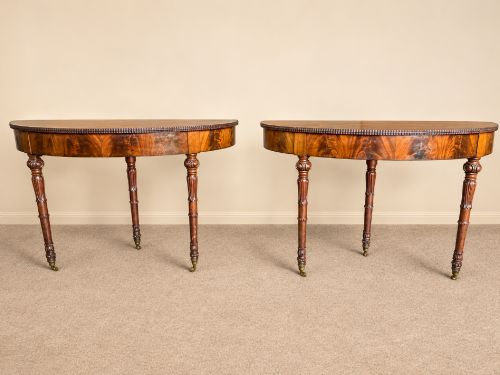
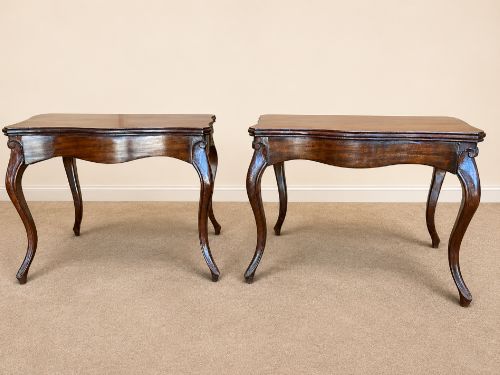
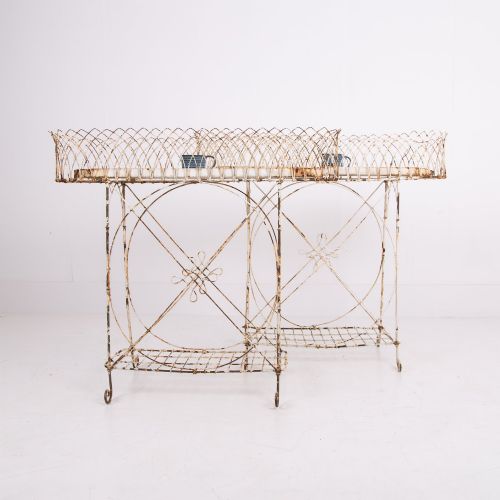
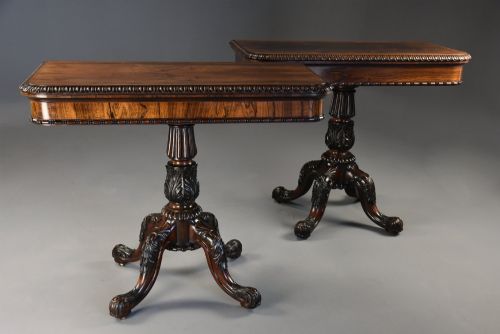
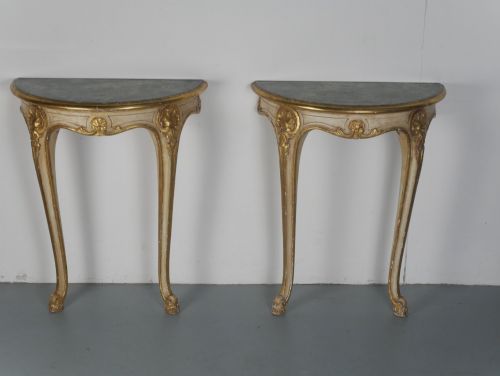
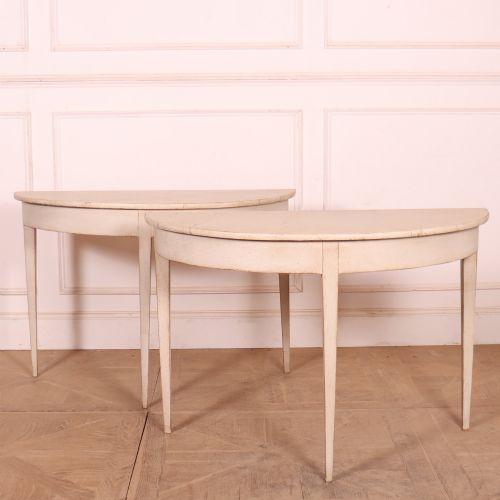
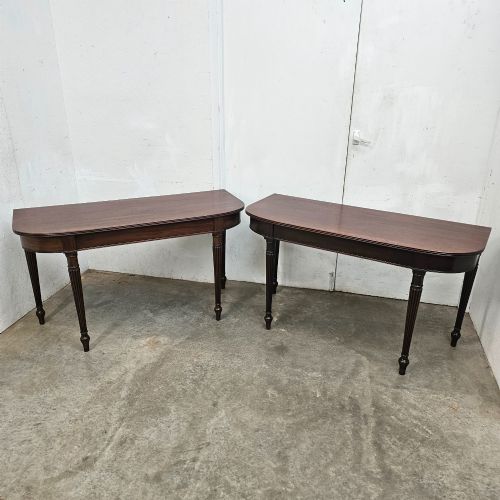
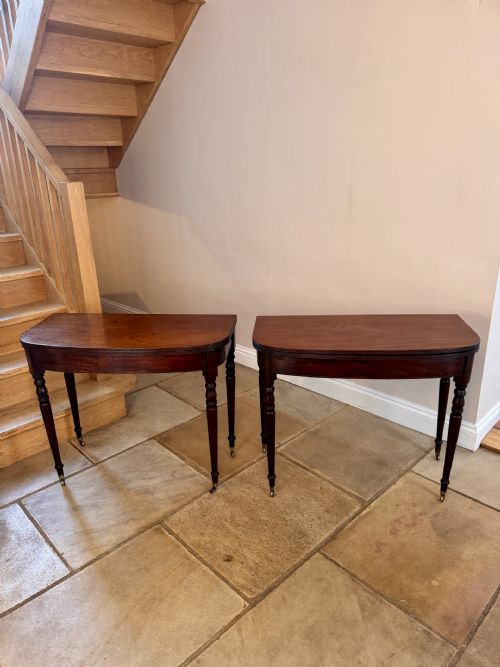
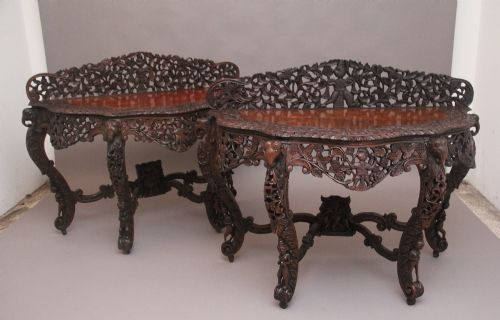
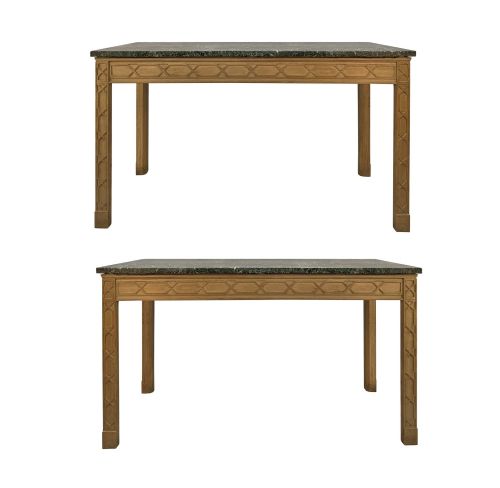
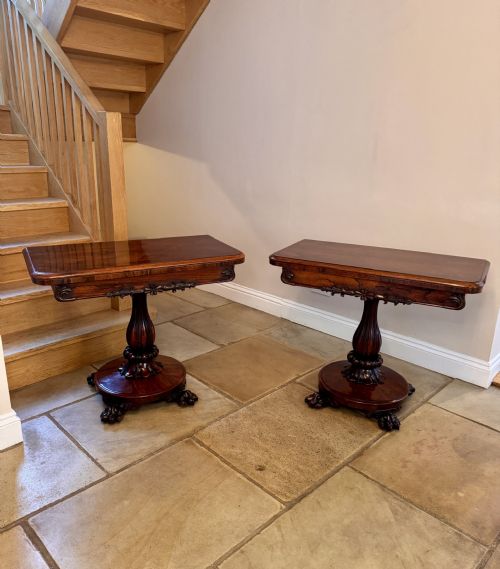
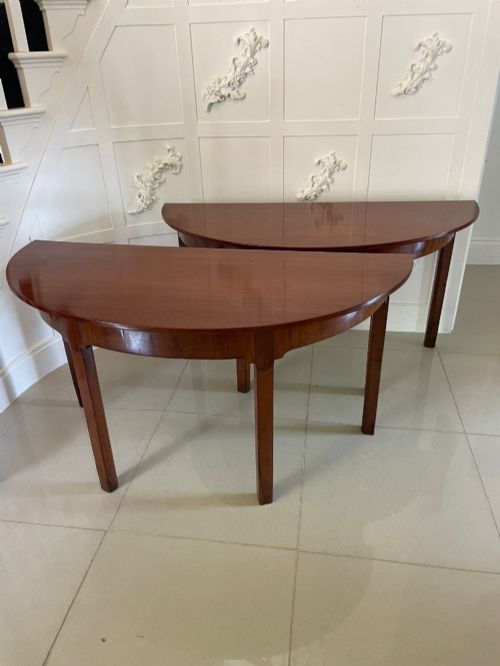
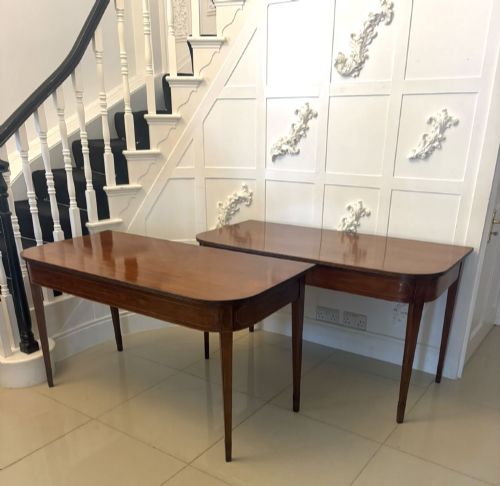
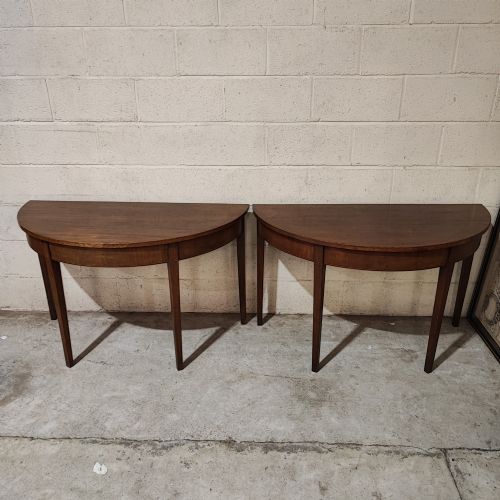
These pairing console tables bring symmetry to a room, offering matched surfaces fashioned from mahogany, marble, and giltwood across eighteenth and nineteenth-century periods.
Pairing Console Tables
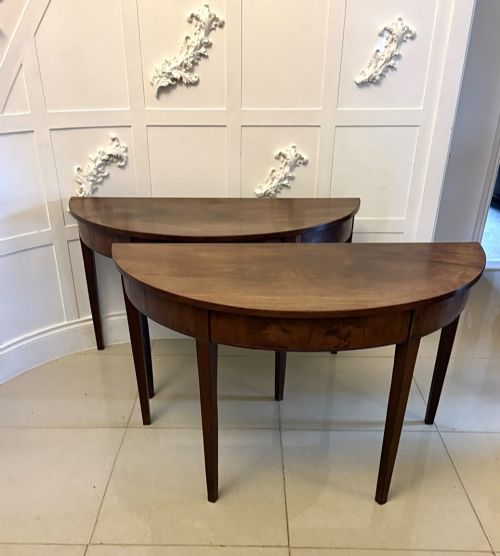
The prevalent form on this page is the mahogany demi-lune console, frequently dating from the Georgian and Regency eras, alongside card tables and occasional tables adapted for display. These twin pieces often incorporate folding tops or marble inserts, reflecting their dual heritage as functional furniture and decorative architectural brackets.
Origins stretch across English workshops, French ateliers, and Italian studios, utilising native hardwoods alongside imported timbers such as rosewood and satinwood. The pieces appear in varied finishes, from polished natural grain to painted wood and giltwood, suiting formal reception spaces and hallways alike.
Assessing Craftsmanship
The distinction between standard workshop production and superior output rests upon timber selection and the depth of carved detail. Finer examples display symmetrical flame mahogany veneers and intricate marquetry, whereas lesser pieces rely on simpler painted finishes or plain secondary woods.
Structural integrity separates high-grade console tables from ordinary ones, notably in the tightness of corner joints and the weight of the marble tops. Original gilt bronze mounts and crisp hand-carved mouldings indicate workshop standards associated with notable makers rather than mass production.
Pairing Console Tables Retail Price Guide 2026
Typical asking prices for pairing console tables among the pieces listed under this phrase on Sellingantiques today, from the lower quarter to the upper quarter. They describe what is for sale here now, not the wider market.
Periods represented span from eighteenth-century Georgian designs through to 1930s hand-carved variations.
Gillows·Krieger Paris
The Pairing Console Tables Glossary
- Demi-lune
- A half-moon shape characteristic of eighteenth and nineteenth-century console and card tables. This profile allowed tables to sit flush against a wall while offering a curved front edge.
- Marquetry
- The art of applying decorative veneer pieces in wood, metal, or shell to a structural surface. Craftsmen used this technique to create geometric patterns and floral motifs on table tops.
- Giltwood
- Timber coated with gold leaf or gold paint over a prepared gesso ground. This finish was standard for formal neoclassical and empire style console tables designed for light reflection.
- Satinwood
- A durable hardwood with a lustrous, golden-yellow sheen favoured by cabinetmakers during the eighteenth century. It takes a fine polish and contrasts sharply with darker timbers like mahogany.
- Metamorphic
- Furniture engineered to transform from one function to another, such as a console table converting into a dining table. These pieces utilise hidden hinges and folding leaves.
Pairing Console Tables: Frequently Asked Questions
Where should pairing console tables be placed?
These matching tables find their natural home flanking a fireplace, positioned between windows, or anchoring either side of a grand hallway entrance. Their paired design introduces immediate architectural symmetry to an interior space.
Because many examples feature finished backs or shallow profiles, they also function effectively behind sofas or along long corridors without obstructing foot traffic.
How do I care for marble-topped console tables?
Marble surfaces require gentle cleaning with a damp cloth and neutral soap, avoiding acidic substances like lemon juice or vinegar that etch the stone. Regular dusting preserves the natural polish of the mineral.
Wooden bases should be treated with traditional beeswax rather than modern silicone sprays to maintain the patina of the underlying timber.
What is the difference between a console and a side table?
Console tables were historically designed to be fixed against a wall, sometimes supported by front legs with the rear secured to the masonry. Side tables are structurally independent four-legged pieces meant to stand freely.
In modern usage, the terms often overlap, particularly with demi-lune and rectangular formats found in nineteenth-century English and French furniture.
How do I distinguish George III from Regency pieces?
George III furniture typically displays restrained neoclassical proportions, straight tapered legs, and subtle mahogany veneers with modest stringing. The carving draws heavily on classical architectural motifs.
Regency pieces embrace bolder contrasts, incorporating rosewood, brass inlay, gilt mounts, and heavier scroll supports influenced by French Empire and Roman designs.