


Paired Wall Sconces
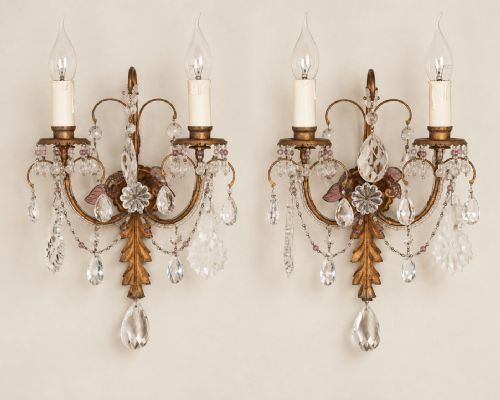
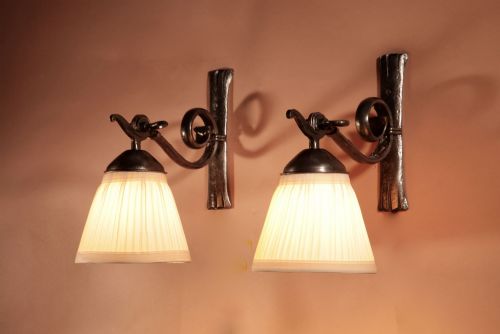
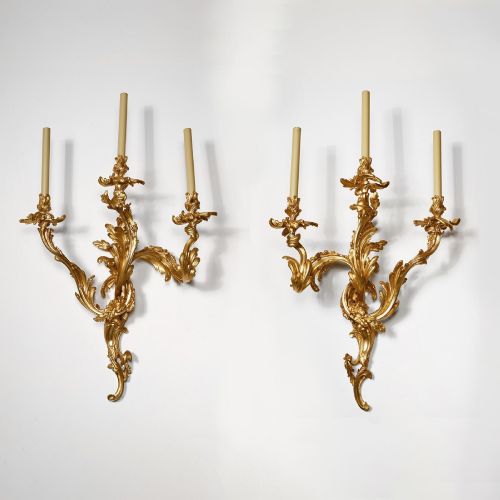
These paired wall sconces provide symmetry and illumination, spanning centuries of decorative lighting craftsmanship.
Paired Wall Sconces
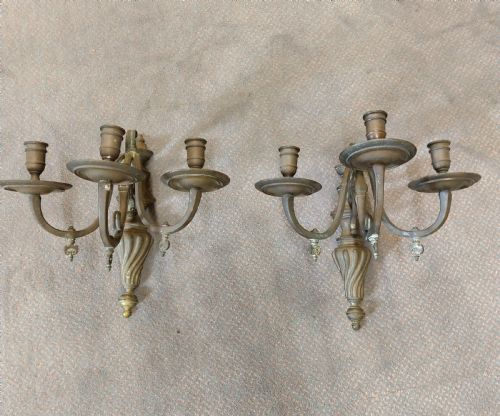
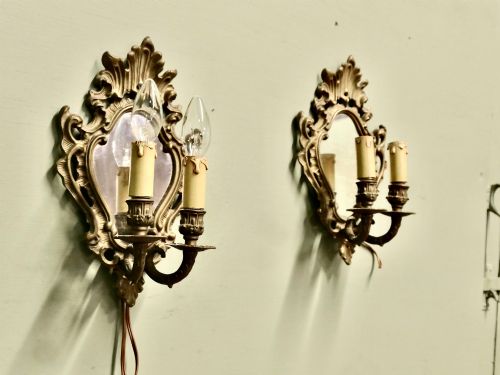
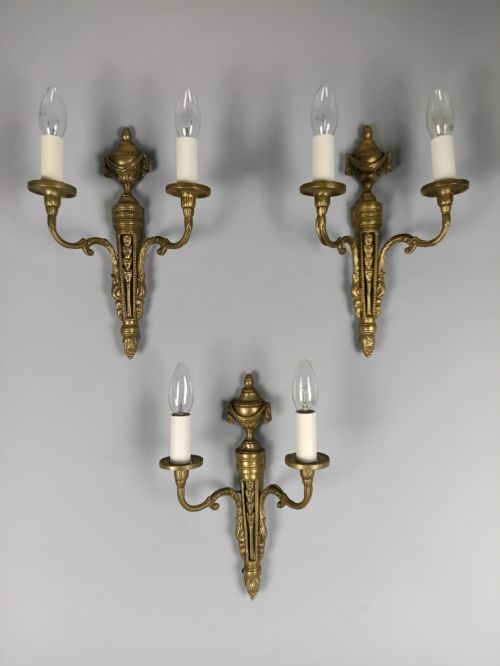
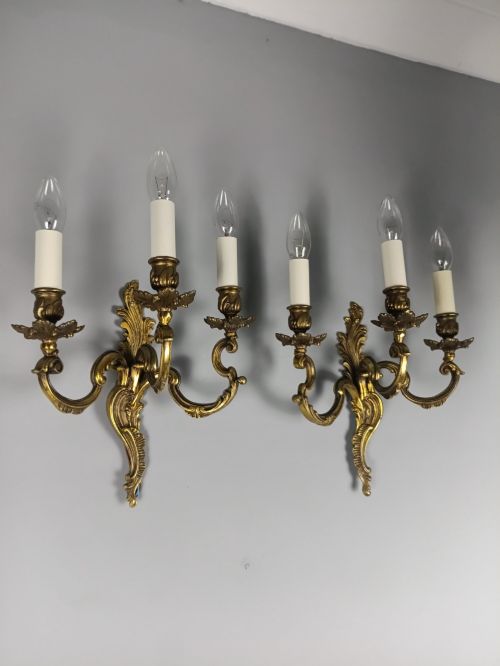
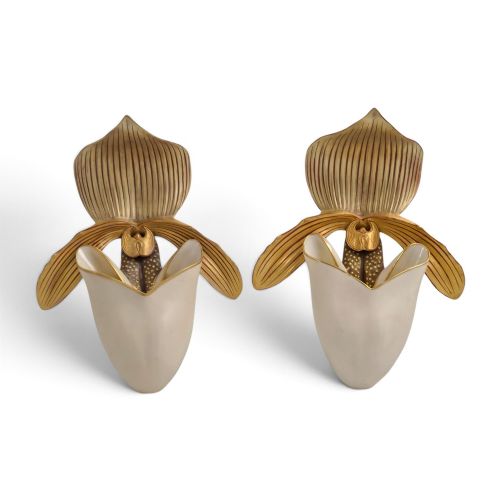
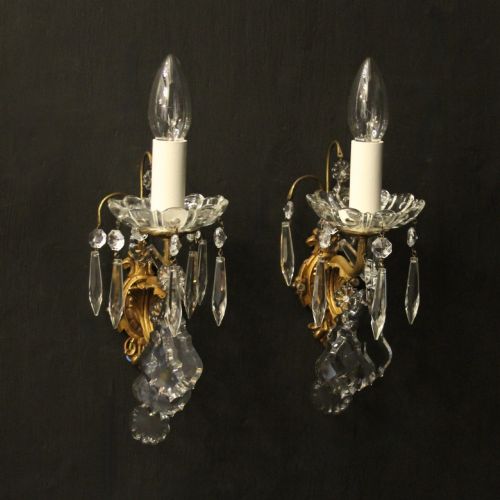
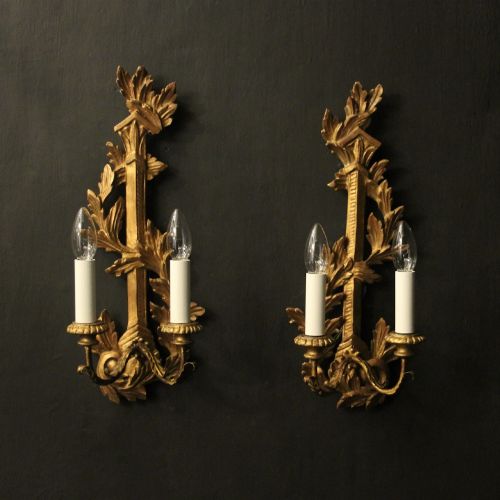
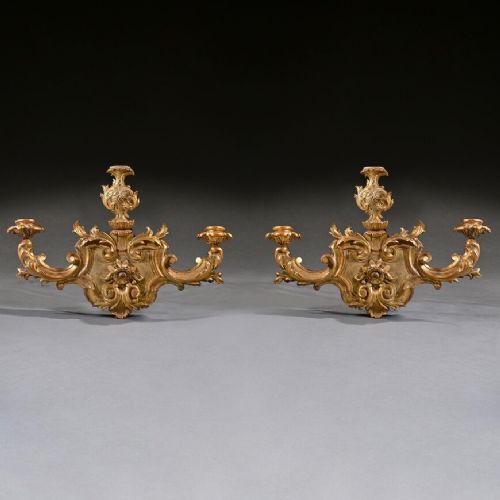
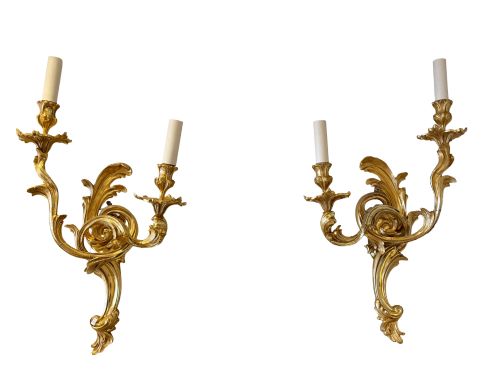
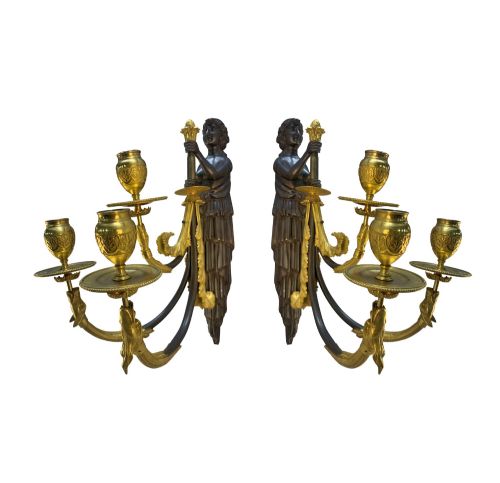
The objects take various forms including multi-arm wall lights, girandoles with reflective glass plates, carved wooden brackets, and metal lanterns. French neoclassical, empire, and rococo revival styles dominate the selection alongside English bronze iterations and Italian giltwood pieces. These dual fixtures deliver balanced illumination and ornamental presence to interior spaces.
Materials and Construction Methods
The construction relies heavily on cast metals such as bronze, ormolu, brass, and copper, often finished with fire gilding or silver plating. Artisans shaped these metals into complex scrollwork, floral motifs, and structural arms designed to hold multiple candles or bulb sockets. Wrought iron variants demonstrate hand-forged technique, incorporating adjustable joints and simpler profiles.
Carved wood and gesso form the foundation for many giltwood and painted pieces, utilising layered gold leaf or silver leaf over a prepared surface. Glass components appear in mirrors, sconce drops, and shades, complementing the reflective metallic surfaces. Cabinetmakers and metalworkers combined these elements to produce rigid wall brackets and articulated fixtures.
Paired Wall Sconces Retail Price Guide 2026
Typical asking prices for paired wall sconces among the pieces listed under this phrase on Sellingantiques today, from the lower quarter to the upper quarter. They describe what is for sale here now, not the wider market.
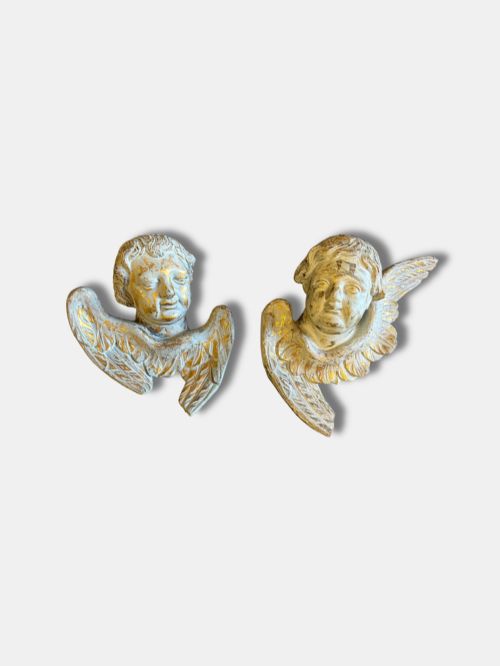
Carved wooden cherubs peer out from nineteenth-century wall brackets, watching the room with permanent wooden expressions.
Distinctions in Quality
The refinement of the casting and carving sets superior examples apart from standard production items. High-grade bronze and ormolu pieces display crisp chiselling on foliage and figures, whereas lesser castings lose detail in the secondary surfaces. Giltwood items demonstrate depth in the carving beneath the leaf, showing sharp edges on scrolls and acanthus leaves.
Structural integrity and the preservation of original surface finishes dictate the standing of a pair. Retaining the original gilding, patination, or silver plating without excessive re-working preserves the historical character of the metal and wood. Integrated articulation mechanisms, where present, operate smoothly when executed by skilled workshops.
W.A.S. Benson·Bruce Talbert·Maison Baguès
The Paired Wall Sconces Glossary
- Girandole
- A branched wall sconce fitted with a mirror glass plate to reflect and amplify the candlelight.
- Ormolu
- Gilded bronze, produced by applying a mercury-gold amalgam to cast bronze and heating it to drive off the mercury.
- Appliqué
- A French term frequently used interchangeably with wall sconce or wall light, denoting a fixture fixed directly to a vertical surface.
- Gesso
- A plaster-like mixture applied to wood surfaces as a smooth base for subsequent gilding or painting.
- Tole Peinte
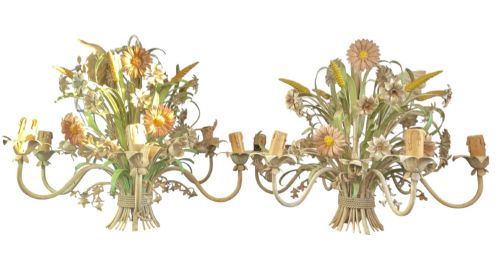
- Painted sheet metal, often utilised for decorative wall lanterns and shades in historical lighting.
Paired Wall Sconces: Frequently Asked Questions
How do I install antique wall sconces?
Most older wall sconces require mounting to wall studs or appropriate wall anchors, depending on their weight. Electrical wiring must be adapted by a qualified electrician if the fixtures have been converted from candles.
Position the fixtures at eye level or slightly above, ensuring symmetry when flanking a mirror, fireplace, or doorway.
Were these fixtures originally for candles?
Many examples from the eighteenth and nineteenth centuries were manufactured exclusively for wax candles before being electrified later. The drip pans and candle nozzles remain integral parts of the design even on converted pieces.
Twentieth-century iterations frequently incorporated electric wiring from their initial production, reflecting changing domestic lighting standards.
How should I clean gilded bronze and wood?
Dust the surfaces gently with a soft, dry brush to prevent accumulation without disturbing delicate gold leaf or patination. Avoid abrasive cleaners, water, or chemical solvents that strip the historical finish from bronze or giltwood.
Professional restoration is recommended if the gilding shows active flaking or if structural repairs become necessary.
Can I mix different styles of sconces?
Matched pairs should remain together to preserve their visual balance and decorative intent within a room. Combining entirely different pairs in the same space requires careful attention to scale, metal tone, and period aesthetic.