


Paired Vintage Candlesticks
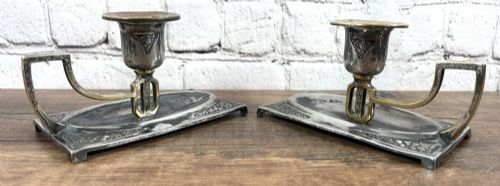
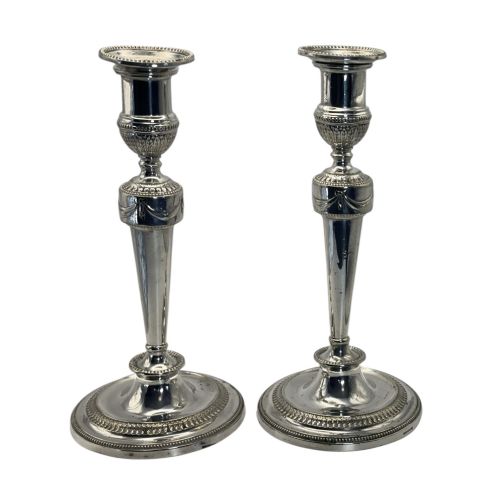
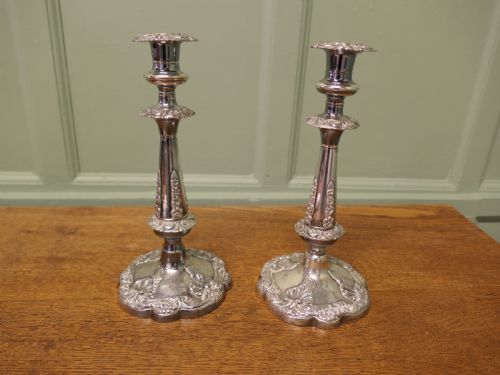
These paired vintage candlesticks bring symmetry to a room, offering matched illumination from brass, silver plate, and bronze.
Paired Vintage Candlesticks
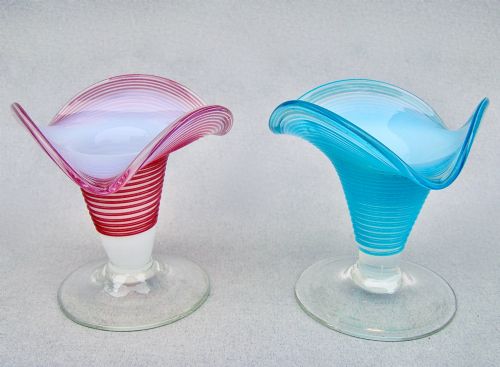
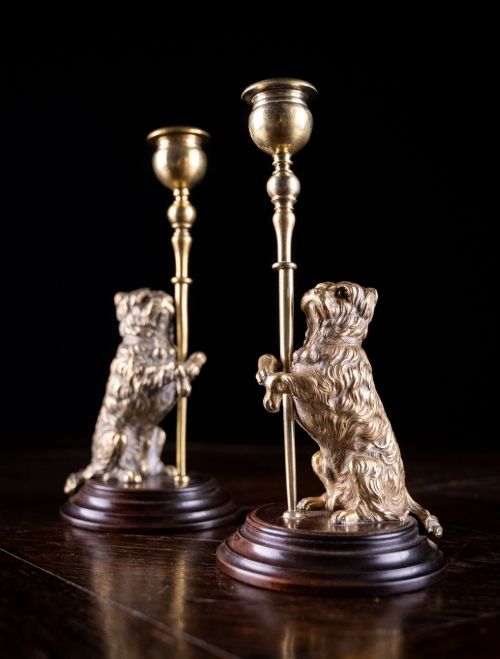
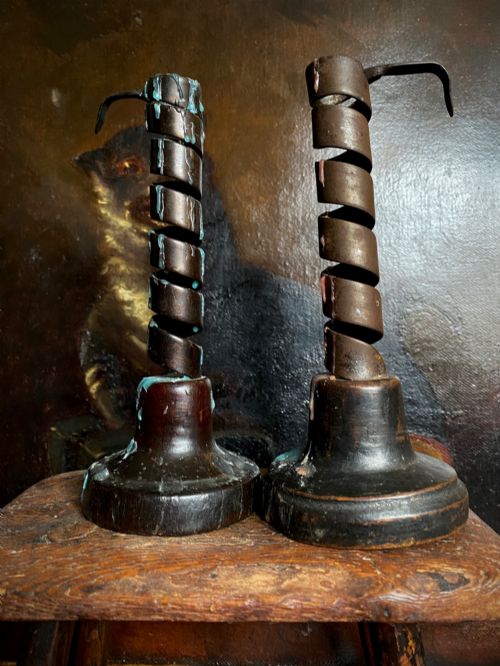
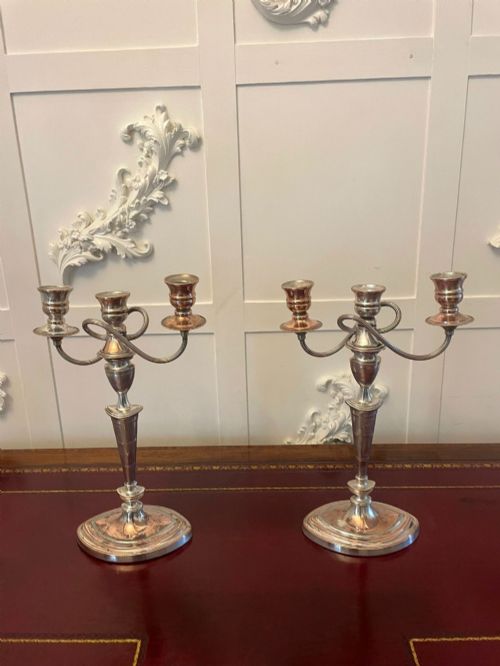
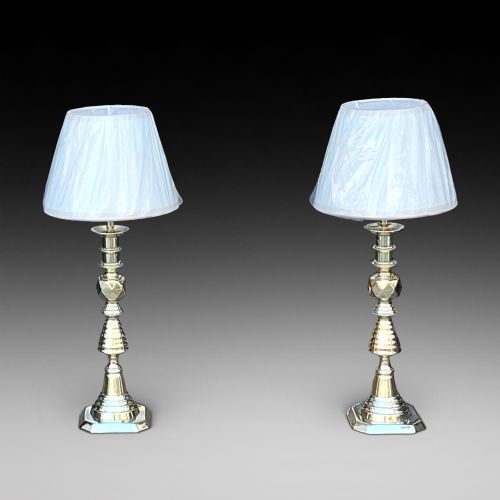
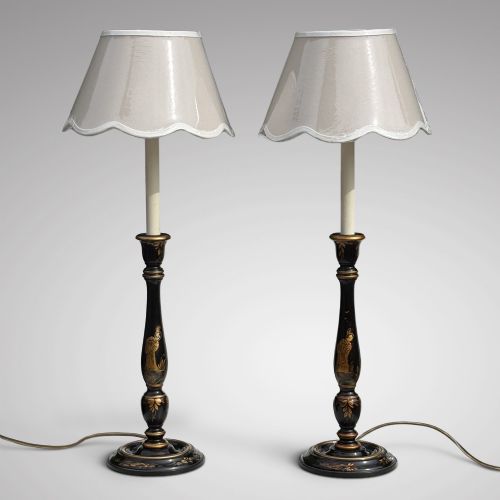
These paired vintage candlesticks cover formats from slender desk pieces to substantial church and altar pairs. When searching this phrase, the objects encountered span simple domestic holders to elaborate candelabras and converted table lamps.
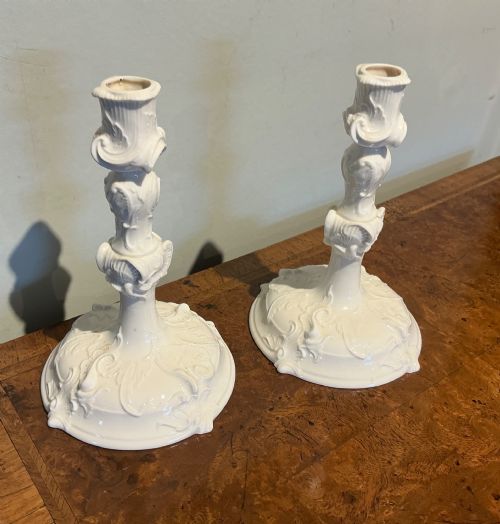
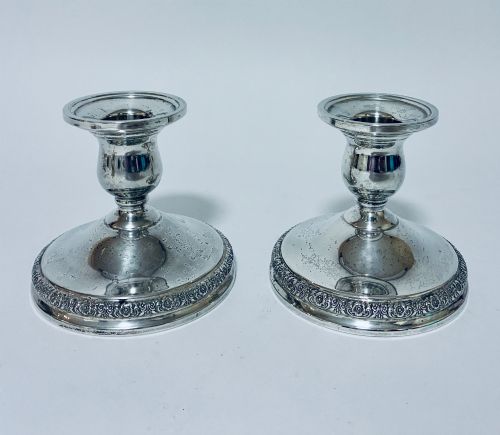
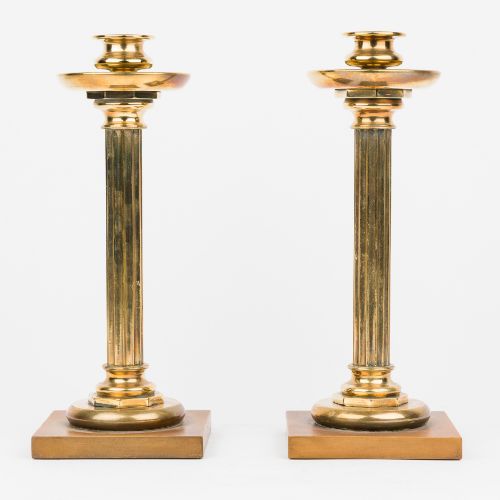
The selection ranges across the nineteenth century into the Edwardian era and the 1930s. Brass and silver-plated examples dominate, alongside sterling silver, gilt bronze, and ceramic variations.
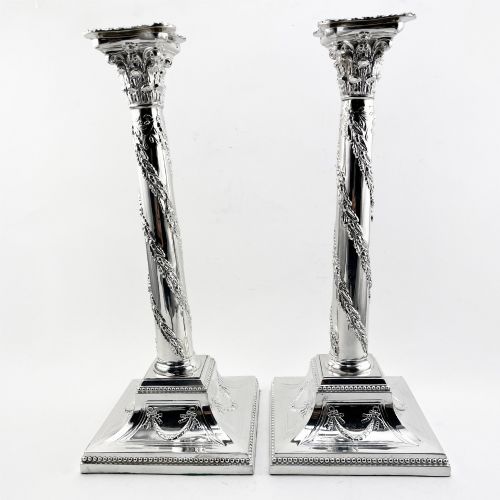
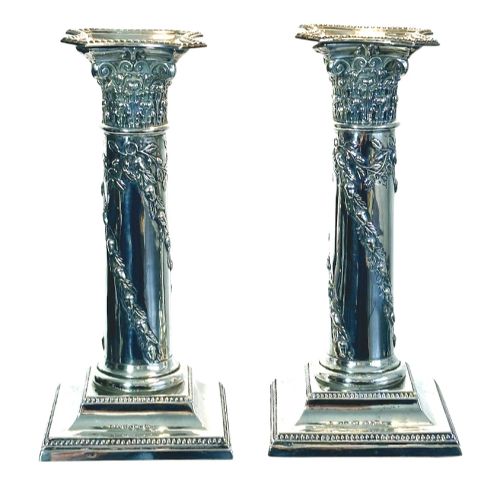
Stylistic influences vary from Neoclassical Corinthian columns and French Rococo Revival to Gothic Revival, Arts and Crafts, and Art Nouveau. Pairs often display distinct regional details, such as Chester brass or Birmingham silver hallmarks.
Construction and materials
Cast brass and ormolu form the backbone of many metal pairs, often combined with chased surface details or gilt finishes. Silver plating on copper or nickel silver provides the appearance of solid silver at varying weights.
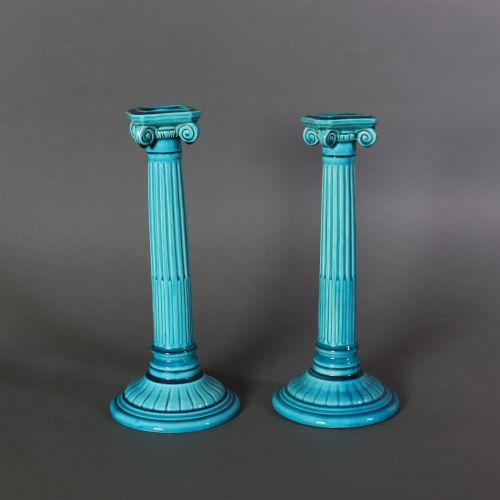
Sterling silver items rely on traditional silversmithing techniques, frequently incorporating weighted bases for stability. Ceramic and faience pieces utilise moulded clay bodies with glazed finishes, while glass elements involve cut crystal components.
Paired Vintage Candlesticks Retail Price Guide 2026
Typical asking prices for paired vintage candlesticks among the pieces listed under this phrase on Sellingantiques today, from the lower quarter to the upper quarter. They describe what is for sale here now, not the wider market.
Styles span Neoclassical columns, Gothic revival forms, and French Rococo Revival designs.
Distinctions in craftsmanship
The degree of crispness in cast ornamentation separates standard production from finer examples. Sharp relief in Corinthian capitals, figural motifs, and foliate scrolls indicates careful metalwork and well-maintained moulds.
Weight and structural balance distinguish solid construction from lighter alternatives. Plated pieces show variance in the thickness of the silver layer, while maker marks and hallmarks provide provenance for silver and electroplated items.
Mappin & Webb·WMF·Burmantofts Faience·Nymphenburg
The Paired Vintage Candlesticks Glossary
- Ormolu
- Gilded bronze or brass applied to decorative objects. This technique creates a rich golden surface finish popular in French decorative arts.
- Corinthian
- A classical architectural order featuring ornate capitals decorated with acanthus leaves. Candlesticks often adopt this column style.
- Pricket
- A sharp metal spike set in the drip pan to secure a candle. This form relates to older ecclesiastical traditions.
- Candelabra
- A branched candlestick holding multiple candles or lights. These larger objects often sit on dining tables or sideboards.
- Faience
- Tin-glazed earthenware produced in Europe. Burmantofts produced notable examples of these ceramic pieces.
Paired Vintage Candlesticks: Frequently Asked Questions
How do I polish brass candlesticks?
Use a soft cloth and a gentle metal cleaner suited for unlacquered brass surfaces. Avoid abrasive pads that can wear down the original chasing and fine details.
Test any cleaning product on an inconspicuous area underneath the base first. Preserving the natural patina often maintains the character of older metalwork.
Can I convert these into lamps?
Many pairs show historical adaptations where wiring was added for table lamp use. Professional conversion allows modern lighting while keeping the structural integrity of the original metal intact.
Reversible wiring methods ensure the candlestick body remains unaltered. Consult an electrician to check internal fittings and safety standards.
How do I date a silver pair?
Hallmarks stamped on silver items indicate the assay office, standard of metal, and date letter corresponding to the year of manufacture. Examining these tiny stamps reveals the precise period of origin.
Unmarked silver-plated items rely on style, weight, and manufacturing techniques for dating. Comparing design motifs to known Victorian or Edwardian catalogues helps narrow the timeframe.
Where should I display them?
Matched pairs look balanced on mantelpieces, sideboards, or flanking a mirror on a console table. Their symmetry creates a focal point in traditional and eclectic interiors.
Ensure they sit on stable, level surfaces away from heavy foot traffic. Using appropriate candle sizes prevents wax dripping onto delicate furniture.