

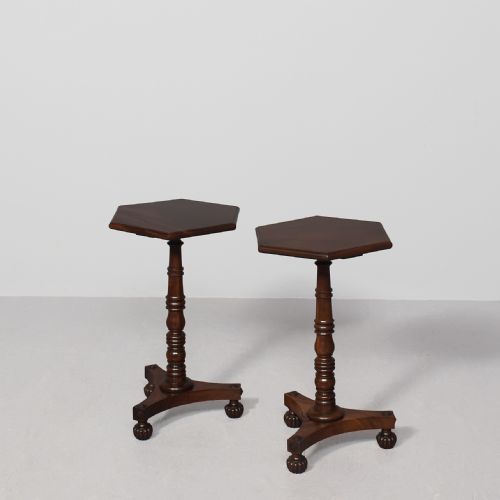
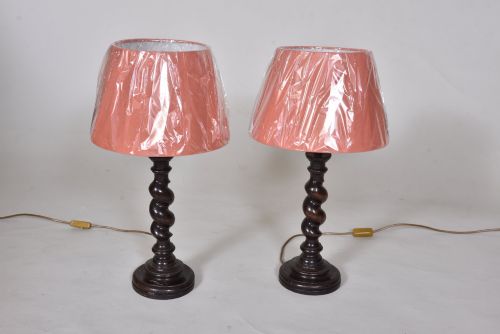
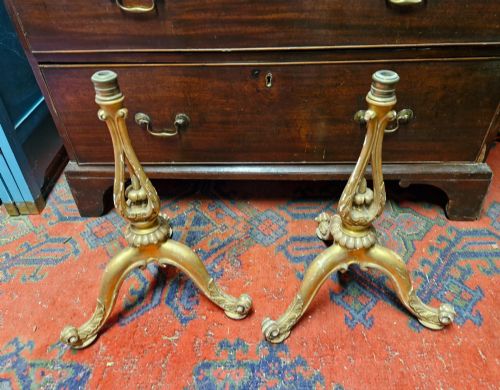
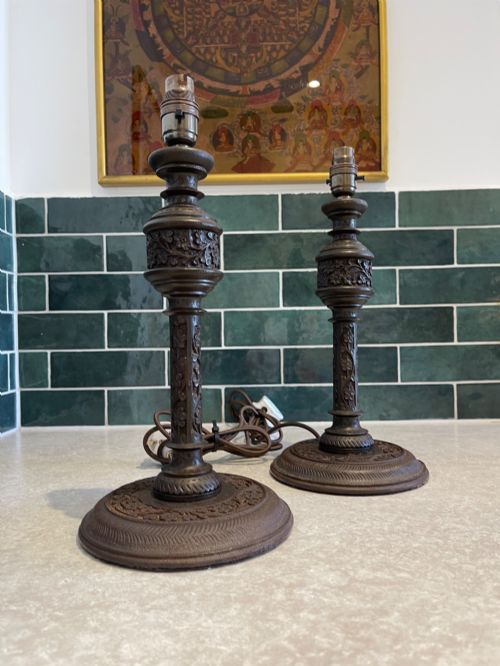
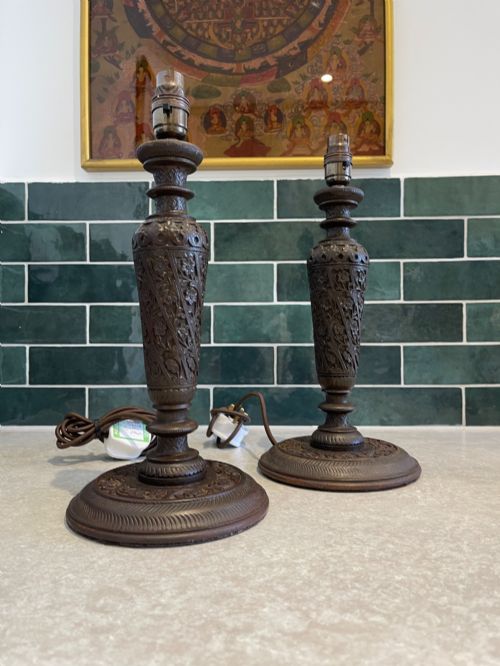
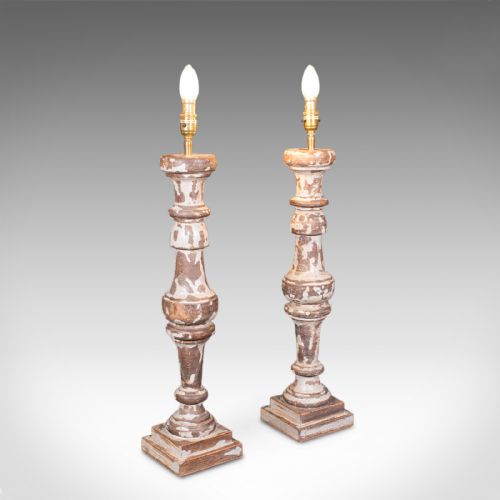
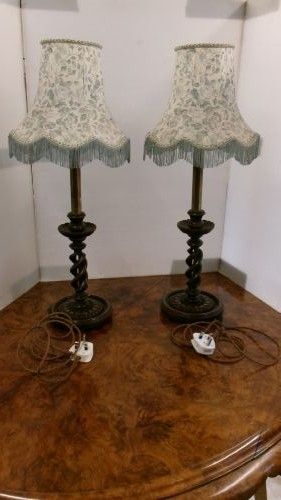
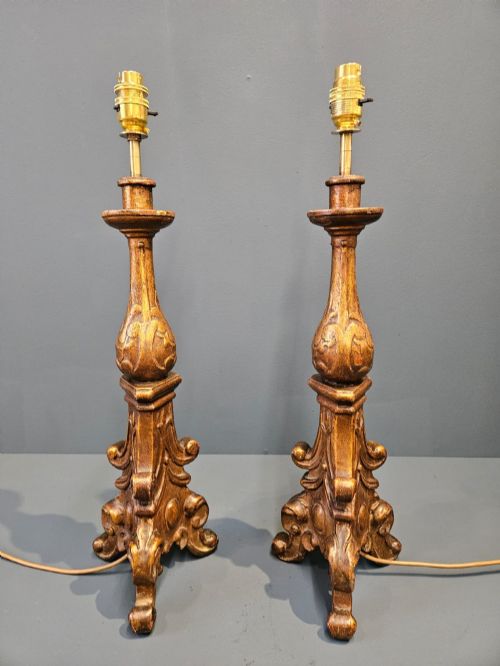


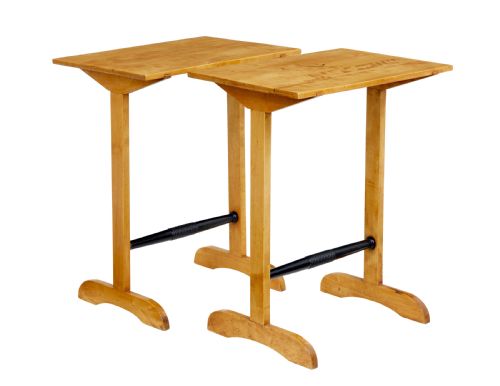


Pair Wooden Lamp Bases
These pair wooden lamp bases are matched dual supports bringing character to rooms, and a buyer chooses them for instant symmetry and warm illumination.
Pair Wooden Lamp Bases
When you search for pair wooden lamp bases, you examine dual upright supports fashioned from timber, designed to hold illumination fittings for rooms. The listings show forms ranging from modest table lamp bases to tall standard lamps and floor lamps.
The versions you meet most frequently on this page span the nineteenth century and the early twentieth century. Examples draw on regional styles such as Anglo-Indian, French Rococo, Jacobean Revival and English Country.
Makers utilised woods including oak, walnut, mahogany, birch, pine and root wood alongside giltwood. Several entries incorporate brass fittings or paired elements like side tables and converted candlesticks.
How they were made
Timbers such as oak, walnut and mahogany form the primary structure of these pieces, often shaped through turning or detailed carving. Artisans applied finishes including paint, marbleising and gilding directly onto the wooden surfaces.
Many examples adapt earlier objects like candlesticks or incorporate regional carving techniques, seen in Kashmiri and Japanese root wood pieces. Electrical wiring is later added to convert traditional stands into functional lamps.
Pair Wooden Lamp Bases Retail Price Guide 2026
Typical asking prices for pair wooden lamp bases among the pieces listed under this phrase on Sellingantiques today, from the lower quarter to the upper quarter. They describe what is for sale here now, not the wider market.
Listings feature woods including oak, walnut, mahogany, birch, pine and root wood, spanning the nineteenth century and the early twentieth century.
What varies in quality
The distinction between tiers rests upon the crispness of the timber carving and the harmony of the matching pair. Superior examples maintain balanced proportions and consistent grain across both items without clumsy alterations.
The integrity of the original surface finish, whether giltwood, painted pine or polished mahogany, dictates desirability. Pieces retaining their early patination sit above those with unsympathetic modern interventions.
The Pair Wooden Lamp Bases Glossary
- Standard lamp
- A tall floor-standing lamp base designed to illuminate a room from standing height. These taller supports require sturdy weighted bases for stability.
- Giltwood
- Timber coated with a thin layer of gold leaf or gold paint. This technique adds reflective brightness to decorative mouldings.
- Root wood
- Timber sourced from the root system of a tree, displaying complex and twisted grain patterns. Japanese root wood items utilise these natural contours for sculptural form.
- Candlestick lamp
- A lighting base converted from an original candlestick holder. These pieces retain slender proportions suited for smaller table settings.
Pair Wooden Lamp Bases: Frequently Asked Questions
How do I wire old wooden lamp bases?
Rewiring requires feeding modern flex through the existing internal channels of the timber upright. Professional electricians should test insulation and fit modern safety plugs.
Historic wooden bodies remain unchanged while internal components meet current domestic standards. This keeps the exterior fabric intact.
Can I find matching shades?
Original shades rarely survive alongside nineteenth-century bases. Most listings provide options or leave you to source complementary covers.
Proportions dictate shade choice depending on the height and spread of the wooden base. Fabric textures should balance the density of the timber.
Are standard lamps floor standing?
Standard lamps and floor lamps describe taller uprights designed to stand directly on the floor. They differ from table lamps which require a surface to sit upon.
Placement usually occurs in corners or beside seating areas for ambient room illumination. Their height demands stable construction.
How do I clean wooden lamp bases?
Dusting with a dry soft cloth prevents particle buildup on carved surfaces. Avoid liquid polishes that soften historic wax or varnish.
Giltwood and painted pine require particular care to protect delicate surface layers from moisture. Gentle maintenance preserves the original patination.