

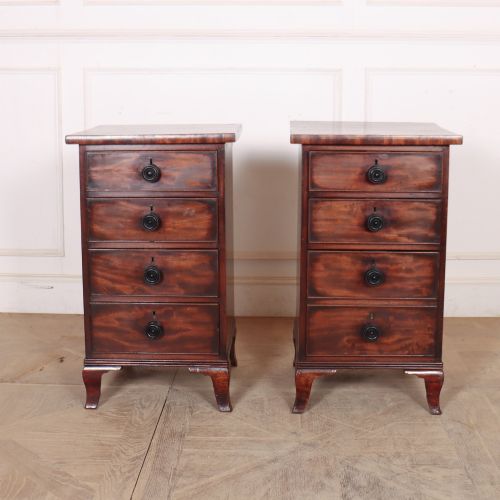
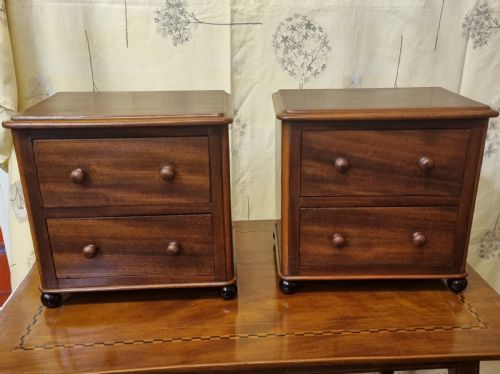

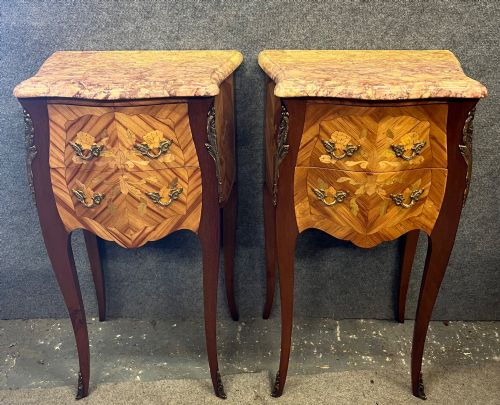
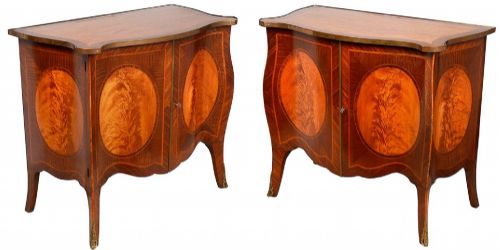



Pair Wooden Chests
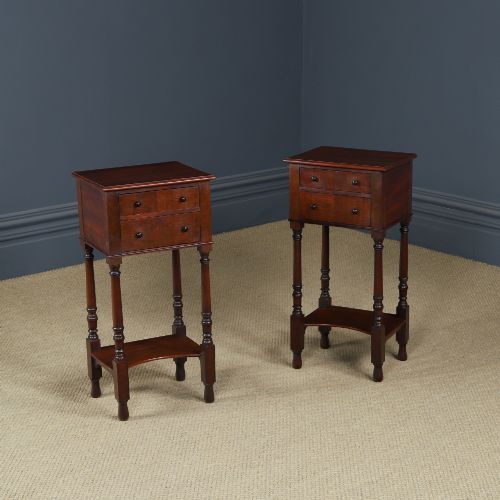
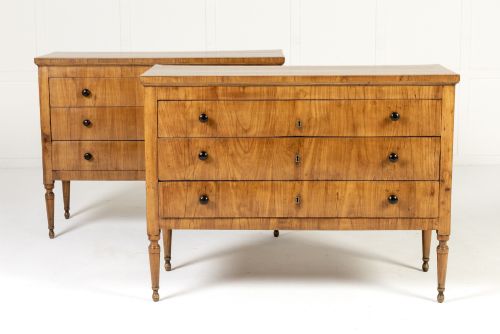
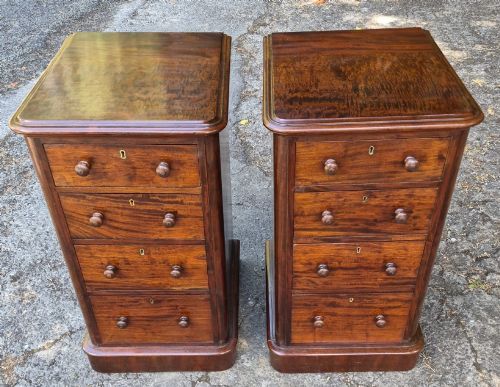
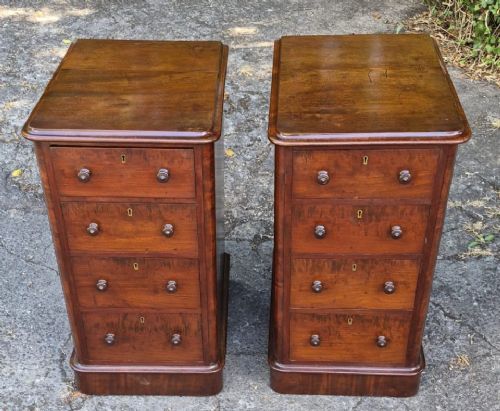
These pair wooden chests span compact bedside companions to grand commodes, offering symmetry and storage for period interiors.
Pair Wooden Chests
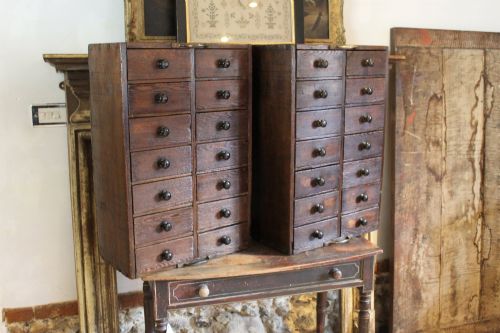
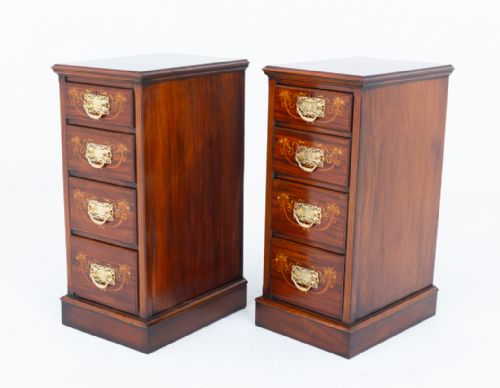
When evaluating pair wooden chests, buyers encounter an array of forms ranging from compact bedside cabinets and bedside tables to larger chests of drawers and commodes. The selection includes specific variations such as Wellington chests, apothecary cabinets, cellarettes, and tea caddies.
Most examples appearing in this category originate from the nineteenth and early twentieth centuries, spanning Victorian, Edwardian, Art Deco, and Georgian revival periods. Mahogany and walnut dominate the offerings, alongside pine, ash, burr elm, and painted surfaces.
Makers and designers drew upon various stylistic influences, including Sheraton revival, French Louis XV style, Gothic revival, and Chinoiserie. Buyers find these items functioning as bedside storage, lamp tables, or decorative side cabinets in traditional and modern rooms.
Materials and Construction
Cabinet makers relied heavily on solid hardwoods like mahogany, walnut, and ash, often applying decorative veneers such as kingwood, satinwood, and burr walnut to primary surfaces. Pine served frequently as a secondary timber for drawer linings and internal framing.
Surface ornamentation involved intricate marquetry inlay, crossbanding, and hand-waxed finishes that highlighted the natural grain of the wood. Marble tops appear on several continental and later pieces, adding weight and a contrasting texture to the wooden structures.
Specialised items feature brass mounts, campaign-style hardware, and bound edges designed for utility and transport. Joinery methods utilised traditional dovetailing for drawers and mortise and tenon frames for structural stability.
Pair Wooden Chests Retail Price Guide 2026
Typical asking prices for pair wooden chests among the pieces listed under this phrase on Sellingantiques today, from the lower quarter to the upper quarter. They describe what is for sale here now, not the wider market.
Listings feature eighteenth, nineteenth, and early twentieth-century items, predominantly constructed from mahogany, walnut, pine, and exotic veneers.
Assessing Quality and Merit
The distinction between standard examples and superior pieces rests on the crispness of the carving, the selection of timber veneers, and the integrity of the original hardware. Finer items demonstrate meticulous attention to internal drawer construction and symmetrical grain matching.
Origin and stylistic cohesion heavily influence distinction, particularly in matching pairs where proportions, timber ageing, and decorative inlay must align precisely. Pieces retaining their original marble tops, painted decoration, or specialist fitted interiors command greater attention from collectors.
The Pair Wooden Chests Glossary
- Commode
- A decorative low chest of drawers or cabinet, often French in origin with marble tops and marquetry.
- Marquetry
- Decorative veneer work where pieces of wood, shell, or ivory are fitted together to form pictorial patterns or geometric designs.
- Cellarette
- A lockable cabinet or box designed to hold bottles of wine or spirits, frequently elevated on legs or stands.
- Wellington Chest
- A tall, slender chest of drawers secured by a locking hinged side stile that fastens over the drawer edges.
- Tea Caddy
- A small box or chest originally built to store loose tea leaves, often constructed in matched pairs with internal compartments.
Pair Wooden Chests: Frequently Asked Questions
How do I style pair wooden chests in a bedroom?
Place matching bedside chests flanking the bed to create visual symmetry and provide concealed storage for nighttime essentials. Their surface areas accommodate lamps and decorative items while anchoring the room's design.
Varying the heights requires consideration of the mattress level to ensure comfortable reach. Pairing older timber tones with simpler modern walls highlights the character of the wood.
Are these chests suitable for small living spaces?
Compact bedside tables and small commodes fit neatly beside sofas or in narrow hallways without overwhelming the floor plan. Their drawers offer practical organisation for small household items.
Tall Wellington chests provide vertical storage capacity while occupying minimal floor space. Choosing pieces with lighter wood finishes or painted surfaces helps maintain an open feel in restricted areas.
How do I distinguish Victorian pieces from Georgian ones?
Victorian examples frequently display heavier proportions, darker mahogany or walnut timbers, and occasionally more exuberant carving influenced by revivalist tastes. Georgian items lean toward restrained elegance, precise veneer work, and lighter structural lines.
Hardware styles also offer clues, with earlier brass handles differing significantly from later Victorian factory-produced mounts. Examining drawer construction reveals hand-cut dovetails on older pieces compared to later mechanical cutting.
What maintenance do antique wooden chests require?
Regular dusting with a soft, dry cloth preserves the polished surface without building up chemical residues. Applying quality beeswax periodically nourishes the wood and maintains the subtle sheen.
Keeping timber pieces away from direct heat sources and strong sunlight prevents the wood from drying out and the veneers from lifting. Maintaining stable room humidity protects the structural joinery over time.