
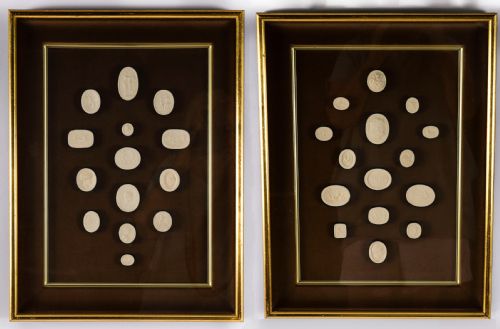
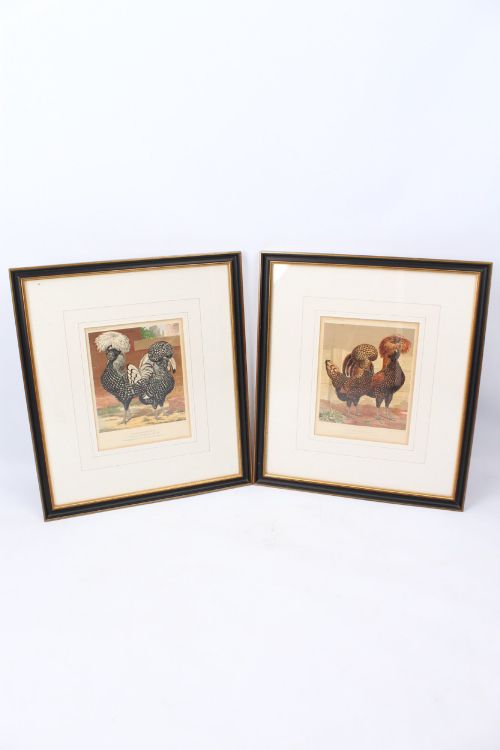
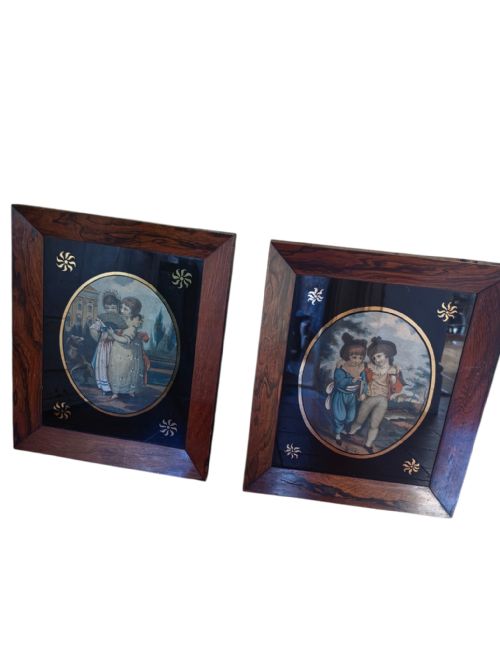
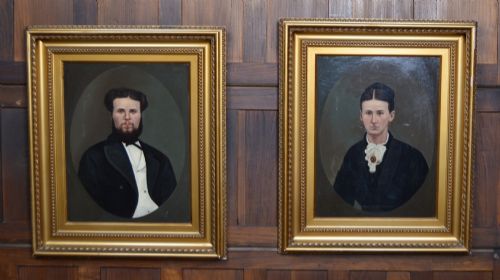

Pair Victorian Gilt Frames
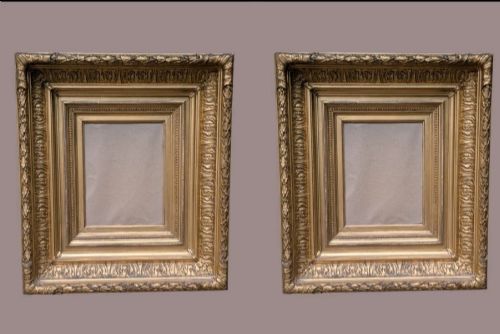
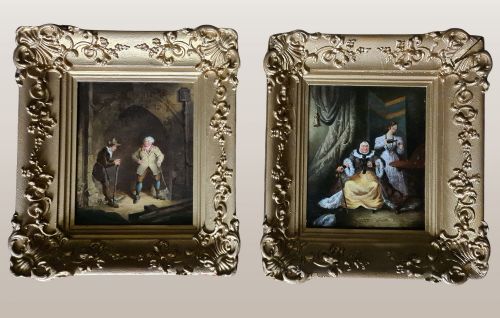
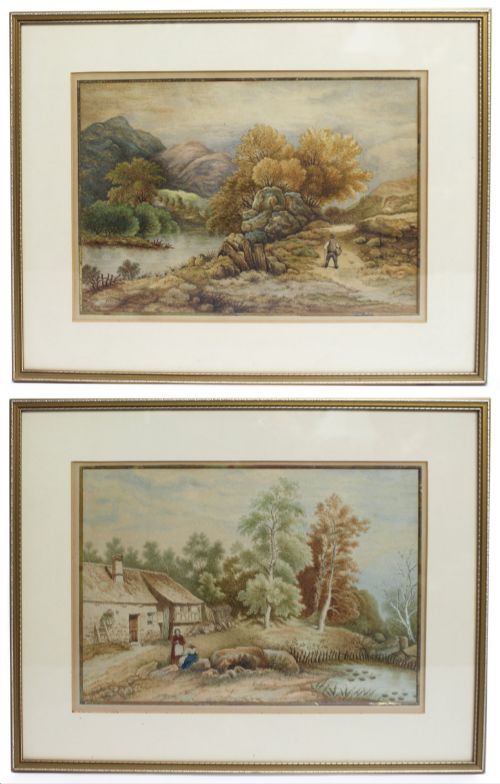
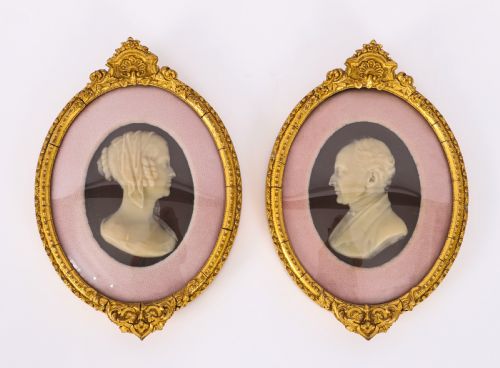
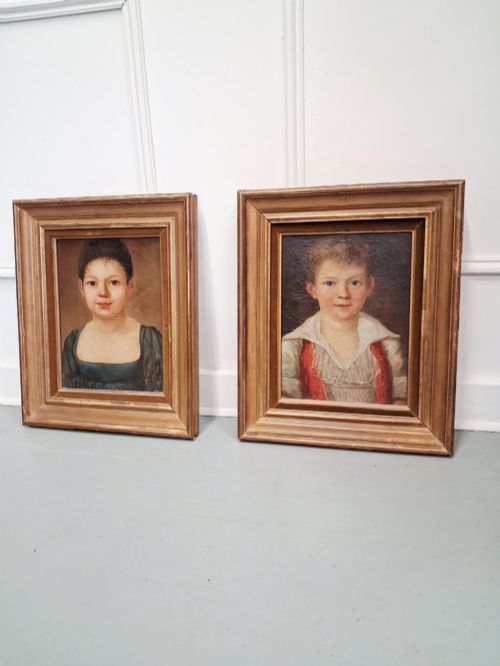
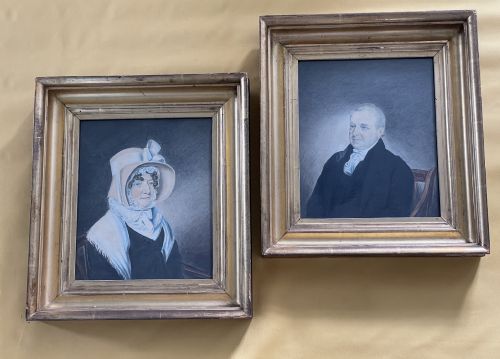
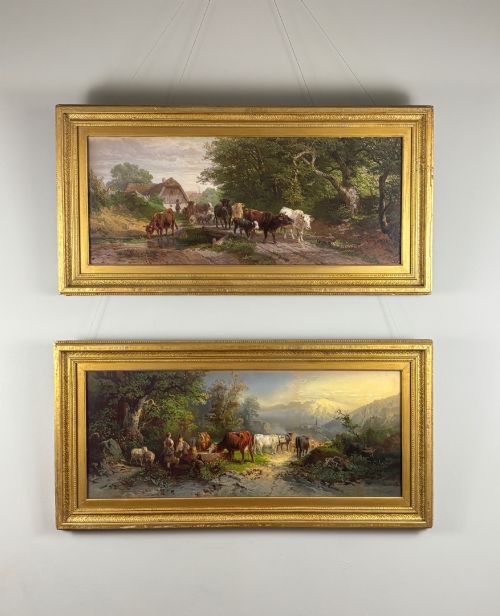
Pair victorian gilt frames bring dual symmetry to period interiors, housing portraits, mirrors and landscapes in rich metallic splendour.
Pair Victorian Gilt Frames
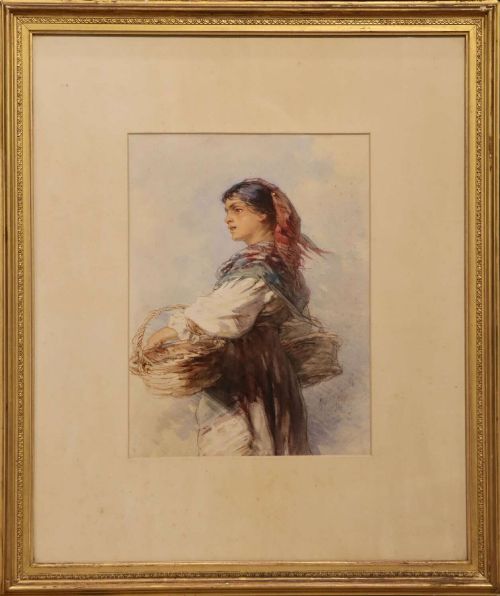
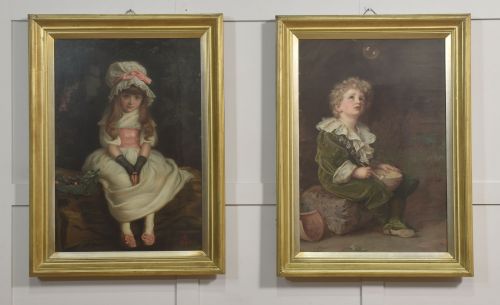
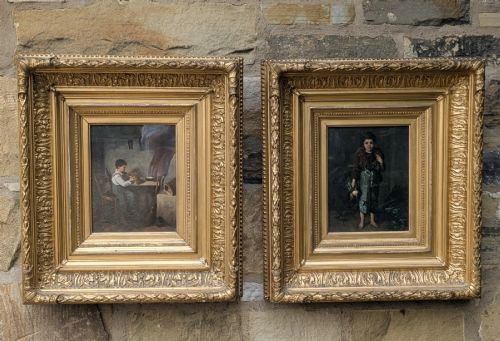
When searching for pair victorian gilt frames, buyers encounter matching sets designed during the nineteenth century to display artworks, mirrors or prints in symmetrical domestic arrangements.
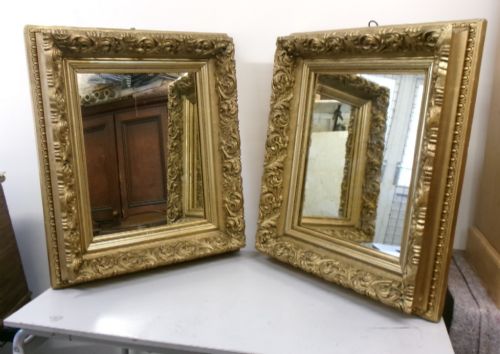
The selections span wall mirrors, oil paintings on canvas, watercolours and decorative prints, reflecting the Victorian appetite for balanced wall displays in principal reception rooms.
Most examples date from the middle to late nineteenth century, encompassing styles from restrained classical revivals to exuberant rococo ornament.
How they were made
Makers built the structural carcass from timber, applying layers of gesso to create smooth surfaces for moulding and gilding.
Applied ornamentation in moulded gesso or carved wood formed foliage, scrollwork and beaded borders before gold leaf was laid down.
Many items incorporate glass panels, canvas supports and paper prints housed securely within the heavy metallic borders.
What varies in quality
The depth and crispness of the carved or moulded ornamentation dictate the visual impact, distinguishing heavy hand-finished relief work from simpler pressed compositions.
Original gilding retains a warmer, burnished character with subtle tonal variations, whereas inferior later re-gilding often appears flat and uniform.
The structural integrity of the wooden joints and the completeness of the decorative gesso moulding determine the overall standard of preservation.
Guido Bach·Th Thibault·Giovanni Liberotti·Robert Cleminson·Johann Friedrich Voltz·John Moore of Ipswich·Theodore Jensen·John Frederick Herring Snr·Claude Cardon·Abraham Hulk I·Alexander Rosell·John Grenville Fennell·Alfred George Morgan·Evelyn Chester·Gustave De Bréanski·Franz van Severdonck·John Bell·John Frederick Herring Jnr
The Pair Victorian Gilt Frames Glossary
- Giltwood
- Timber carved and coated with gold leaf. This material forms the primary structure of high-status nineteenth-century mirror and picture surrounds.
- Gesso
- A mixture of plaster of Paris and glue binder applied to wood. It provides the smooth base needed for delicate surface carving and gilding.
- Rococo Revival
- A nineteenth-century design style featuring asymmetrical scrolls, C-curves and naturalistic floral motifs. It draws inspiration from earlier French eighteenth-century decoration.
- Pier glass
- A tall wall mirror designed specifically to hang on the wall space between windows. These mirrors frequently appeared in matched pairs within Victorian drawing rooms.
- Tondo
- A circular painting or relief sculpture. This Italian term describes round framed artworks from the period.
Pair Victorian Gilt Frames: Frequently Asked Questions
How do I hang heavy gilt frames safely?
These heavy wooden and gesso surrounds require secure wall fixings anchored directly into masonry or substantial studwork. Utilising two hanging points distributes the considerable weight evenly and prevents the frame from tilting.
Ensure the picture wire or brass rings attached to the back match the load capacity. Professional mirror hangers often recommend using split battens for particularly massive examples.
How do I tell Victorian frames from later copies?
Examine the construction of the wooden corners at the reverse, where older pieces often display traditional mitre joints secured with handmade or early machine-cut nails. The gesso layers on nineteenth-century work show a dense, hard dryness distinct from modern synthetic resin moulds.
Furthermore, the gold leaf on period pieces exhibits subtle wear and a rich, aged patina that modern chemical treatments struggle to replicate accurately.
Were these frames always sold as pairs?
Makers and retailers during the nineteenth century frequently produced matching pairs specifically to flank fireplaces, doorways or large windows in formal reception rooms. Symmetrical interior decoration dictated that wall ornaments and paintings balance each other across a central axis.
Finding surviving matched pairs intact remains desirable because many sets became separated through inheritance or shifting domestic layouts over the decades.